
Techniques · Korea
Many textures, one bowl
Bibimbap makes contrast deliberate: vegetables, rice, seasoning and heat arranged separately before becoming one.
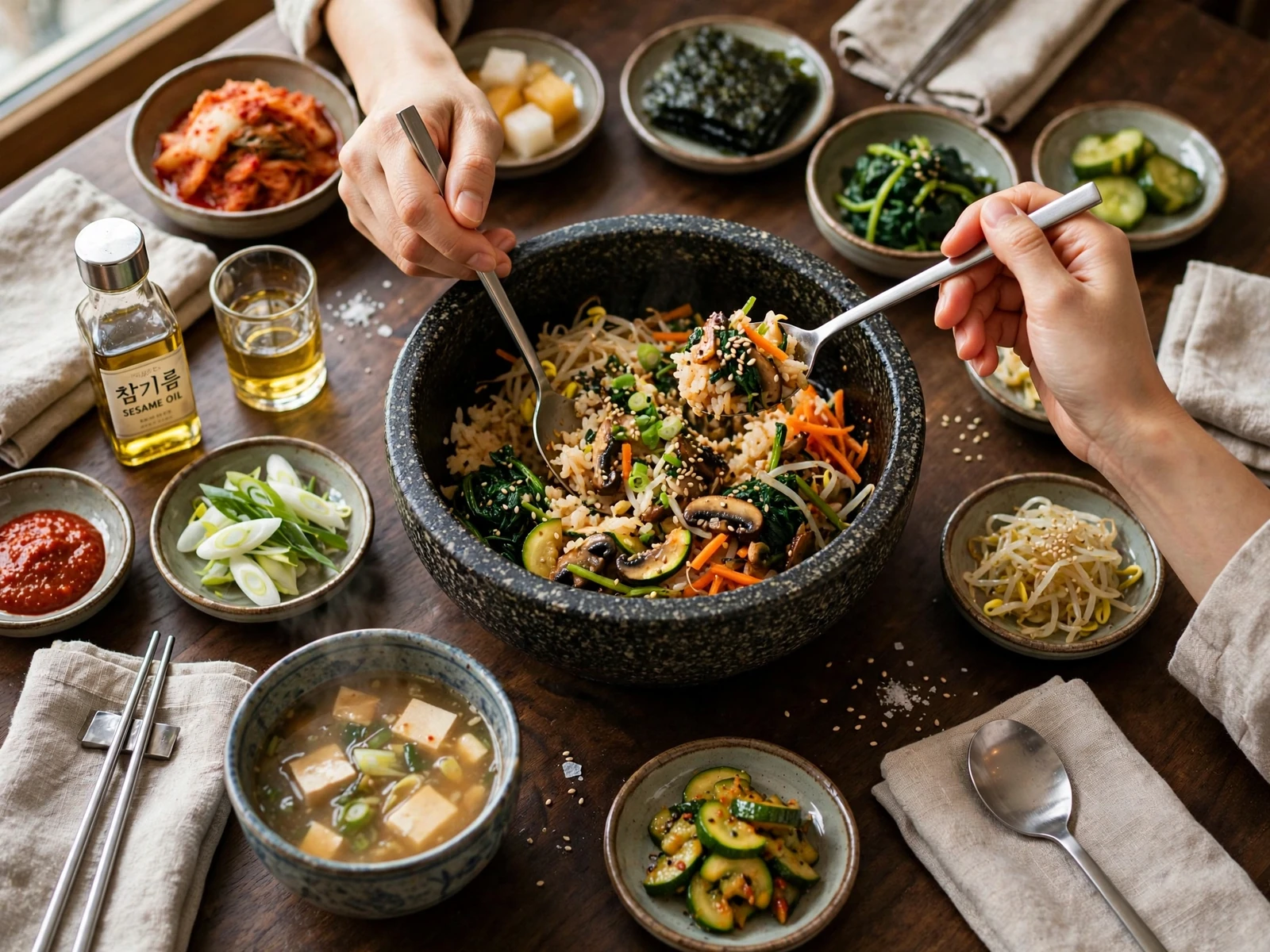
Bibimbap · South Korea. A dish understood through the table around it, not only the recipe.
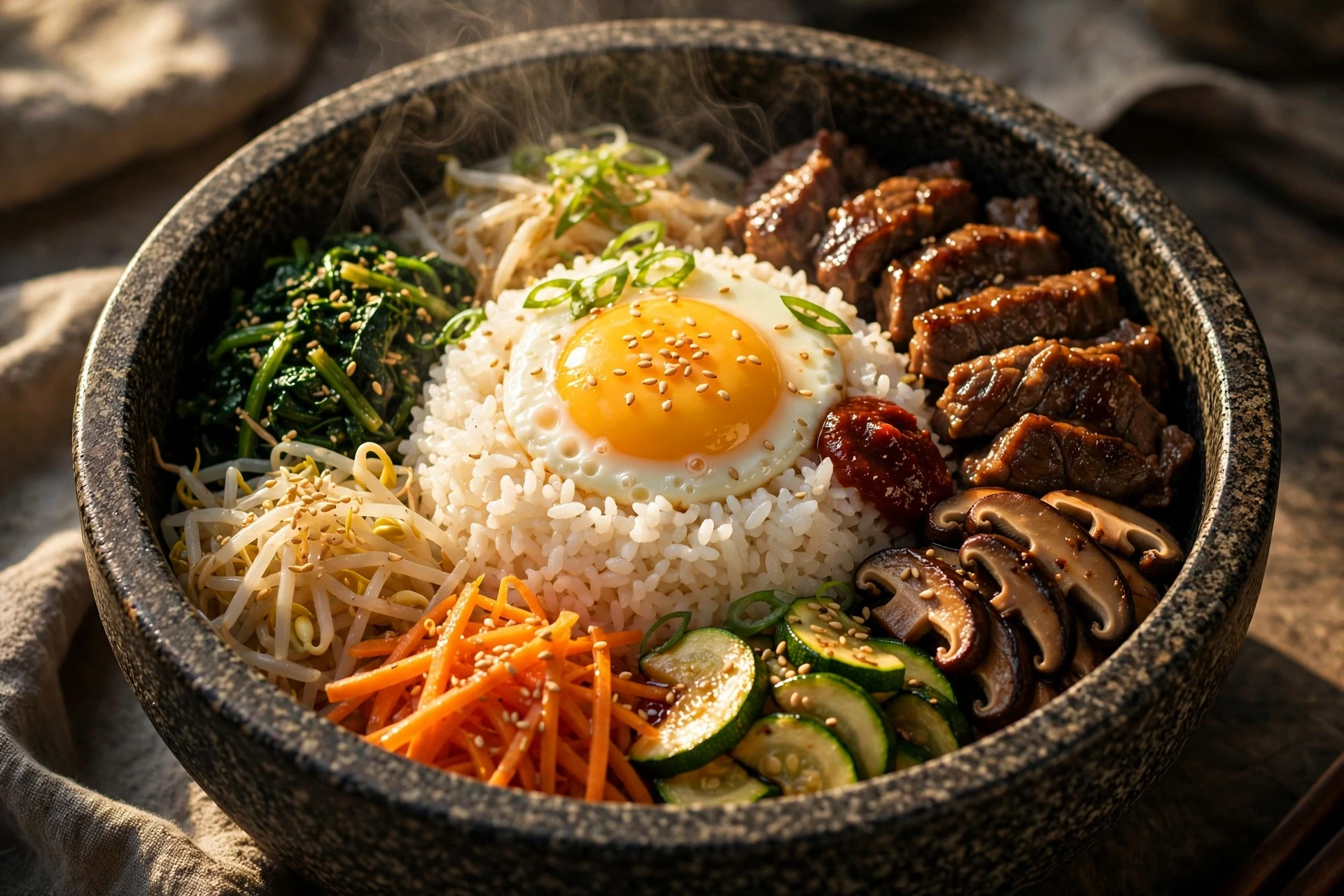
Bibimbap literally means “mixed rice.” Korea.net describes it as one of Korea’s best-known dishes and emphasizes that regional and household versions vary widely; Jeonju is especially associated with elaborate bibimbap. This Ember & Equator version is a practical home-style beef bibimbap using common namul-style vegetables, a fried egg and a simple gochujang sauce rather than presenting one topping set as the only authentic formula.
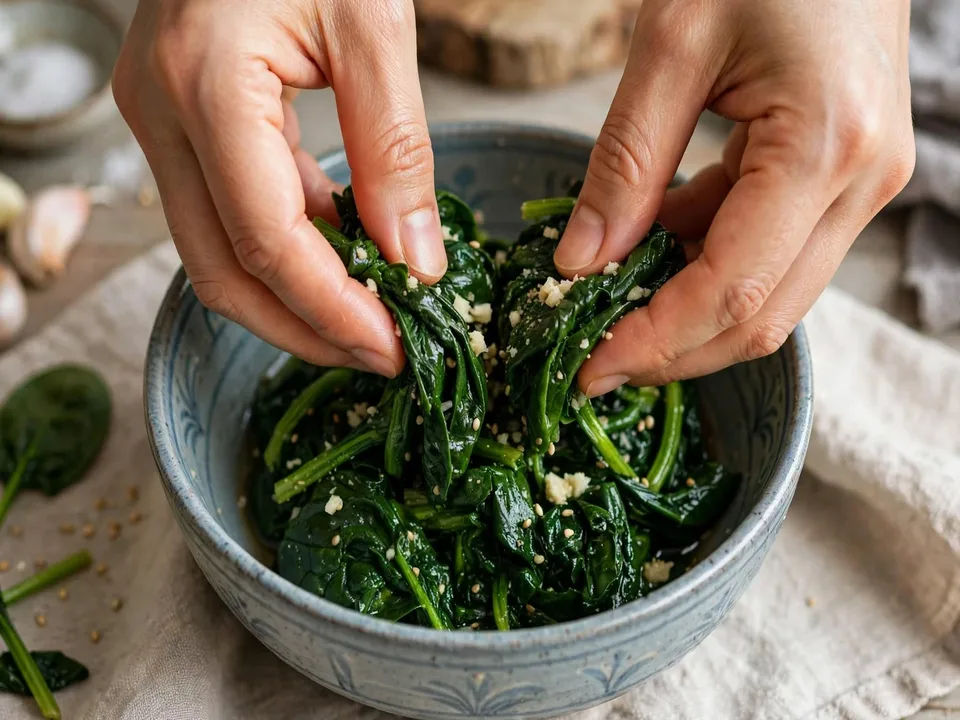
Bibimbap is Korean mixed rice built from hot short-grain rice, individually prepared vegetables, seasoned beef, egg and gochujang. The toppings are arranged for contrast, then mixed thoroughly at the table. In the Journal, the useful question is not simply what goes into the pot, but what the dish reveals when ingredients, method and the way it is served are read together.
01 · ORIGINS
A tradition bigger than one recipe.
Mixed-rice preparations have longstanding roots in Korean food culture, and Ember & Equator avoids reducing the dish to one disputed origin story.
A sense of place
Across South Korea; Jeonju in North Jeolla Province is especially associated with bibimbap. Rice, seasonal vegetables and fermented jang seasonings allow bibimbap to adapt to what is available across Korea’s seasons and regions.
02 · THE KITCHEN
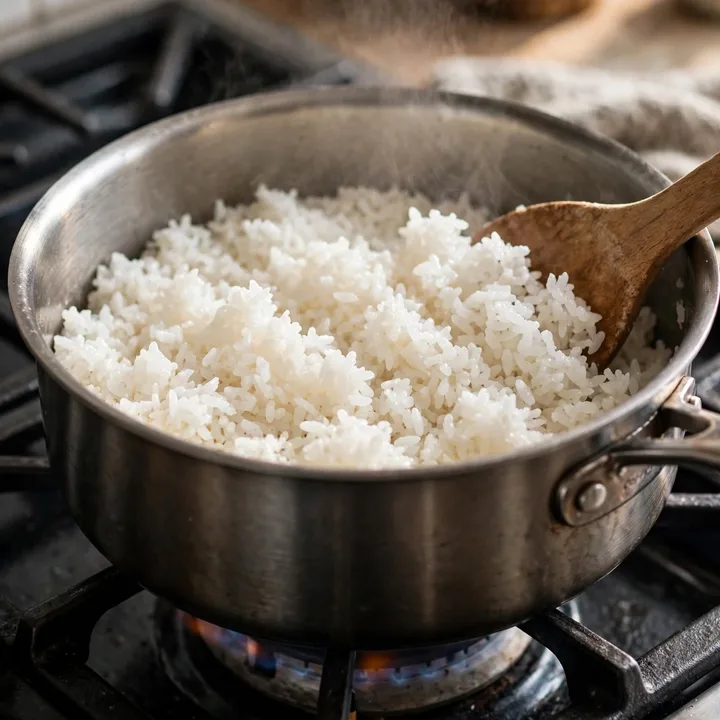
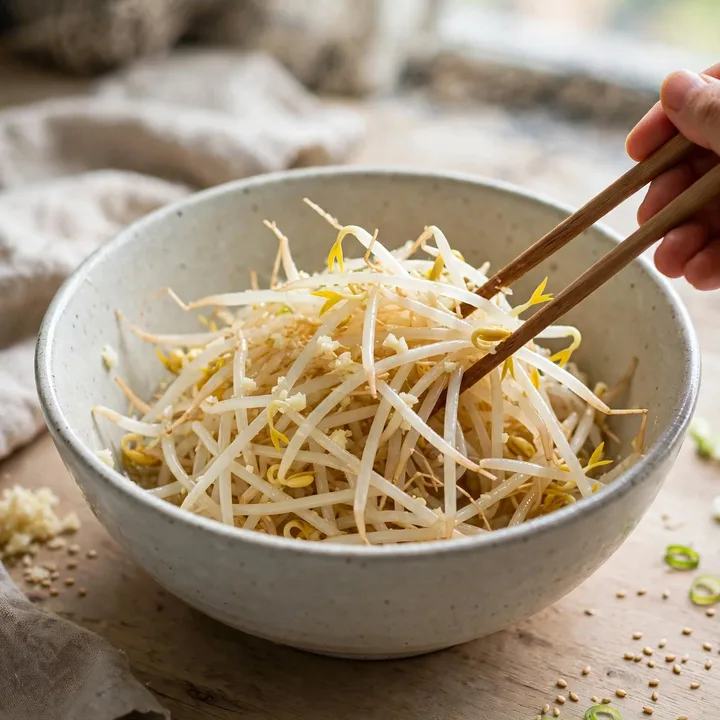
Flavour is built in stages.
Bibimbap developed into many regional, seasonal and household forms using different vegetables, proteins, sauces and serving vessels; Jeonju became particularly famous for elaborate versions.
The flavour map
What carries the dish.
Part of a wider table: Korean rice culture · Namul and banchan traditions · Jang fermentation traditions.
03 · AT THE TABLE
The point is the sharing.
Today bibimbap ranges from simple home bowls built from prepared side dishes to restaurant and dolsot versions, while the defining act remains mixing rice and toppings together before eating.
The method gives the dish its structure; the table gives it context. That is why Ember & Equator keeps the recipe and the story connected, but lets each do a different job.
Return to the kitchen
Now cook Bibimbap.
Take the story with you. The canonical recipe has the measured ingredients, visual cues and step-by-step method.
Keep reading
Another table, another story.
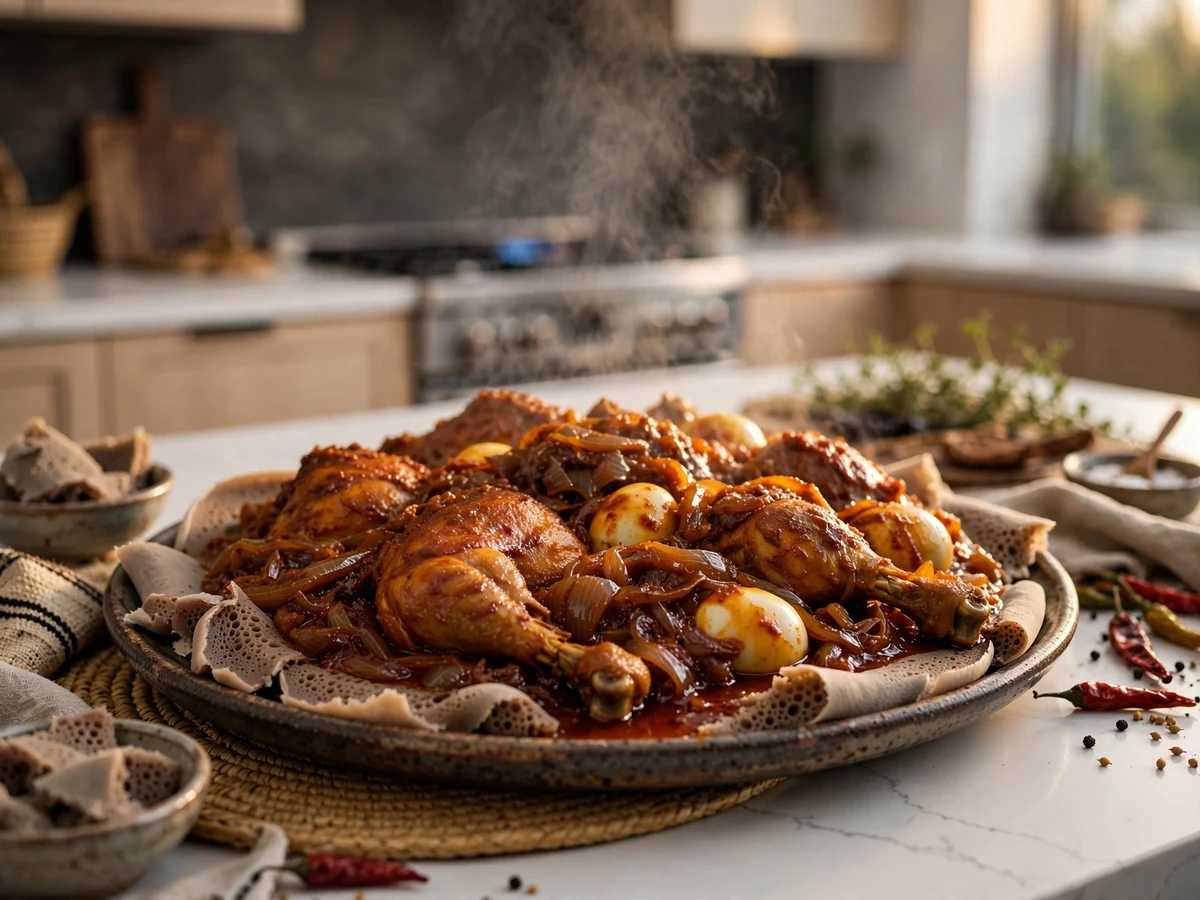
Ethiopia · At the Table
Doro Wat and the patience of a shared table
A slow-built stew, a shared injera table and the rituals that make a dish larger than its recipe.
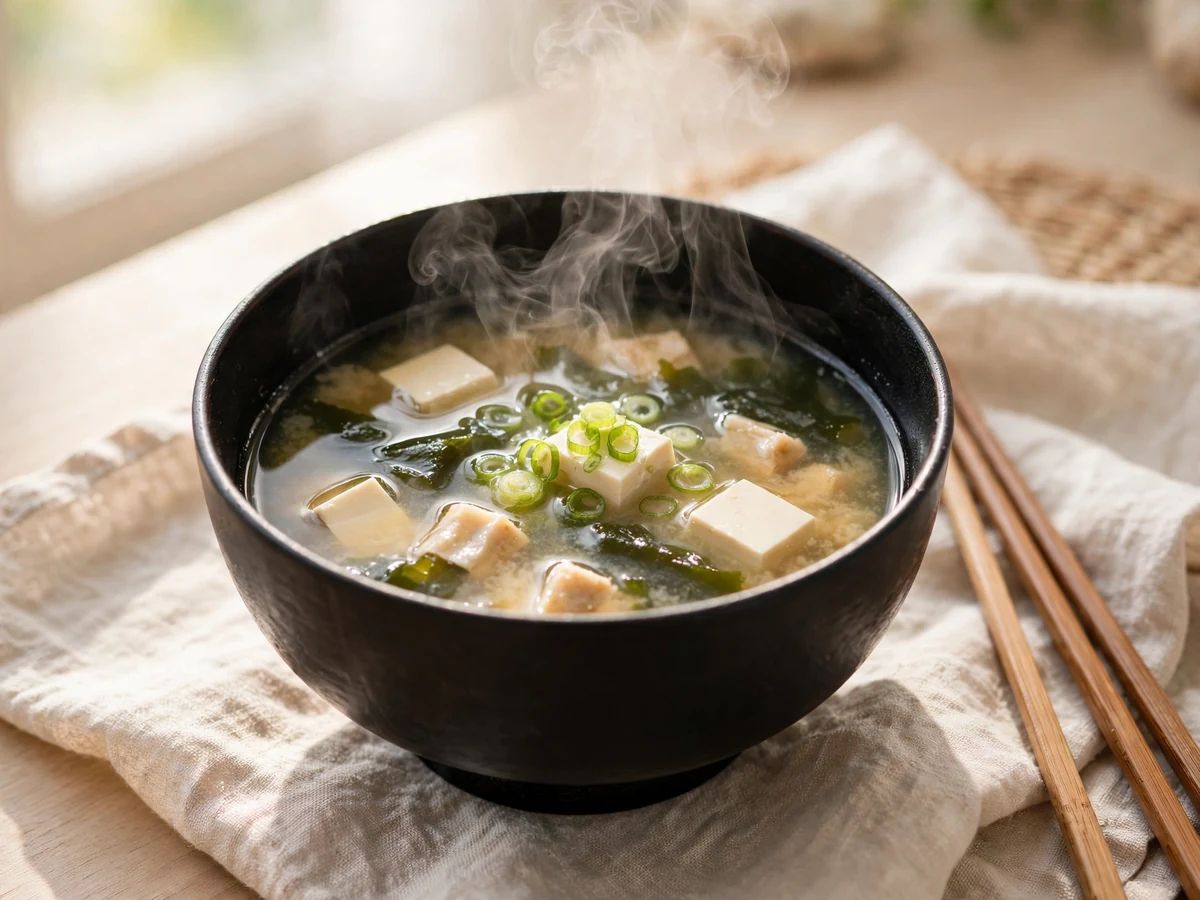
Japan · Origins
A quiet bowl with a long memory
Miso soup looks simple. Its everyday place in Japanese cooking reveals a deeper relationship between dashi, fermentation and season.
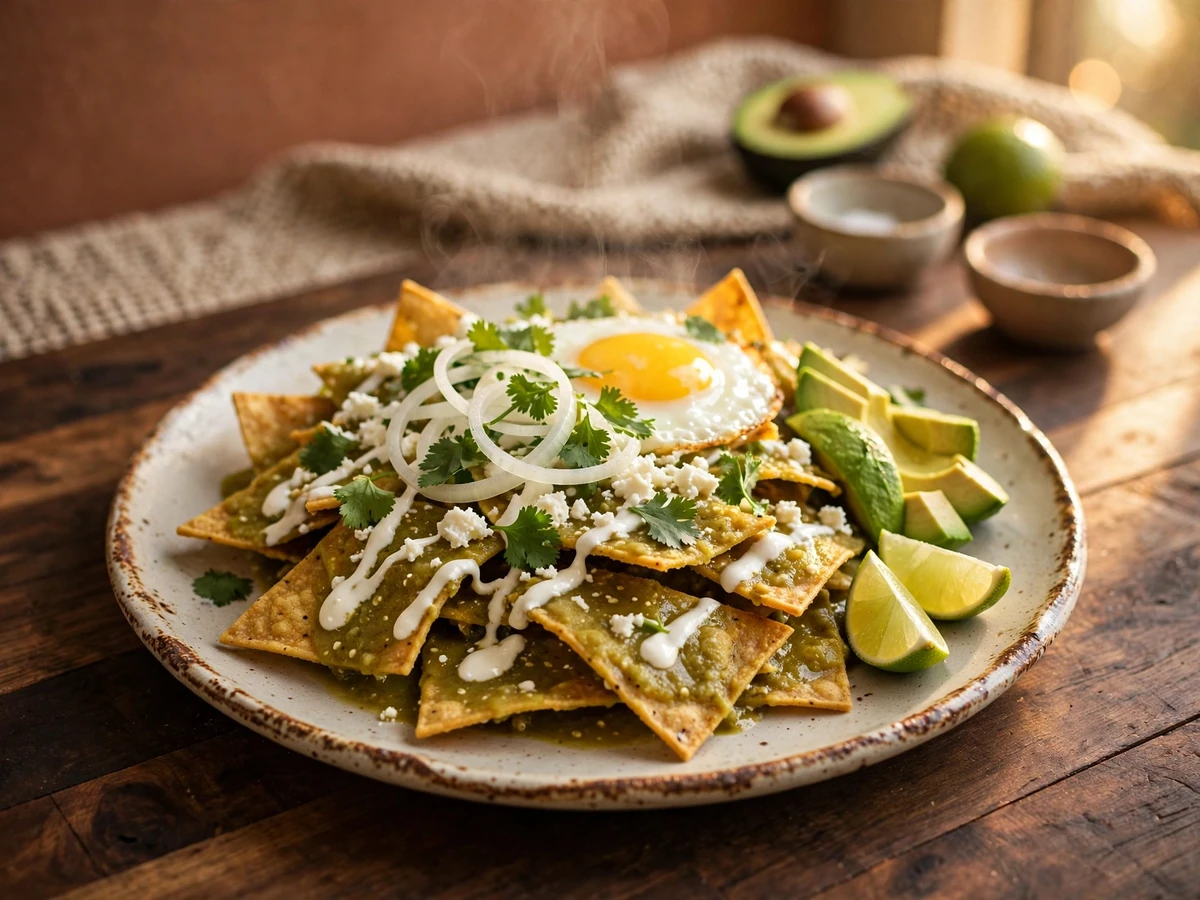
Mexico · At the Table
Morning in green: the logic of chilaquiles
Crisp tortillas, bright salsa and a breakfast built around contrast, immediacy and appetite.