
Origins · Japan
A quiet bowl with a long memory
Miso soup looks simple. Its everyday place in Japanese cooking reveals a deeper relationship between dashi, fermentation and season.
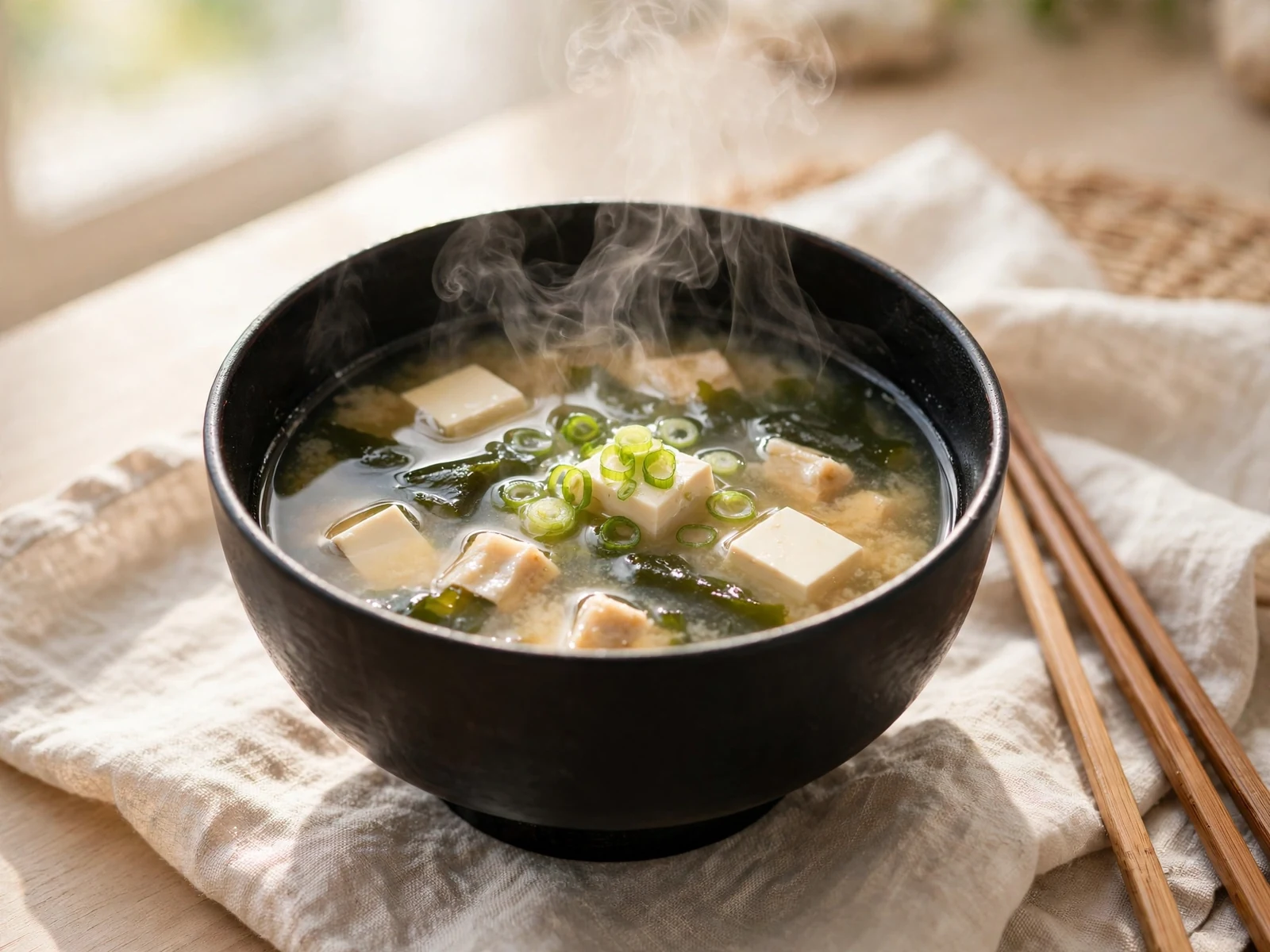
Miso Soup · Japan. A dish understood through the table around it, not only the recipe.
Miso soup is part of everyday Japanese cooking, but there is no single universal formula. The miso, dashi and added ingredients vary by household, season and region. Ember & Equator presents a simple tofu-and-wakame version while keeping that wider diversity visible.
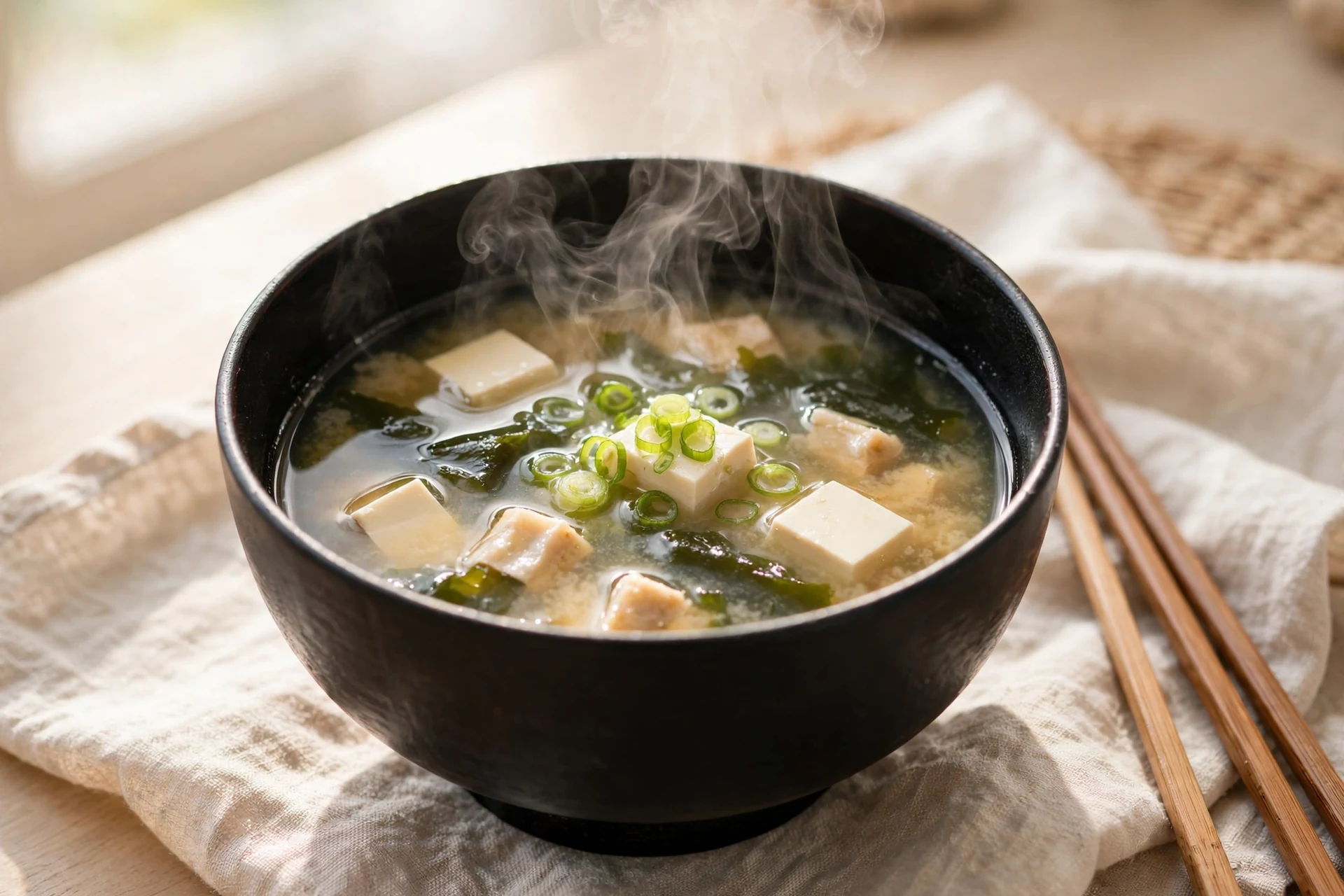
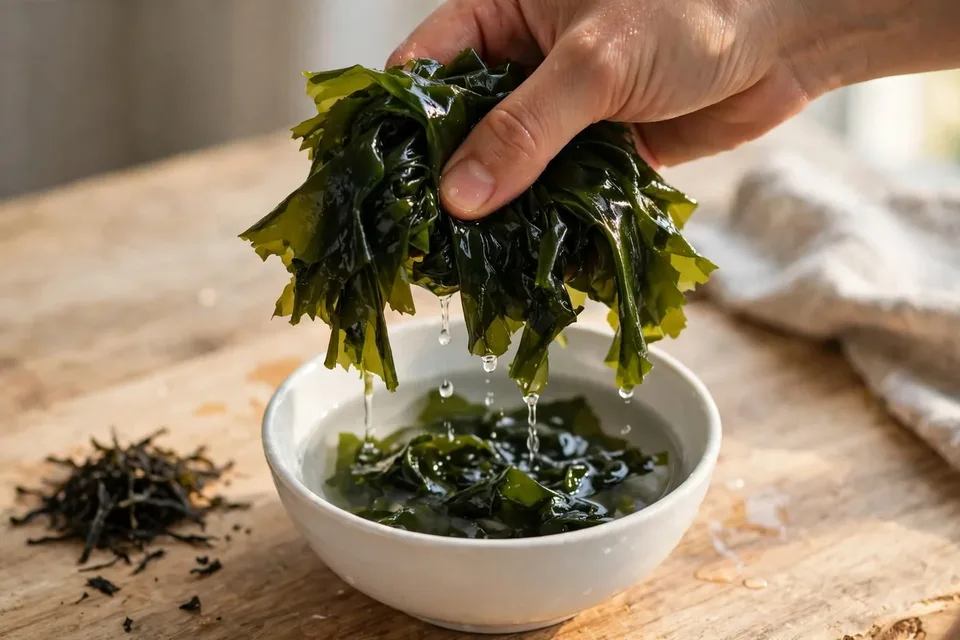
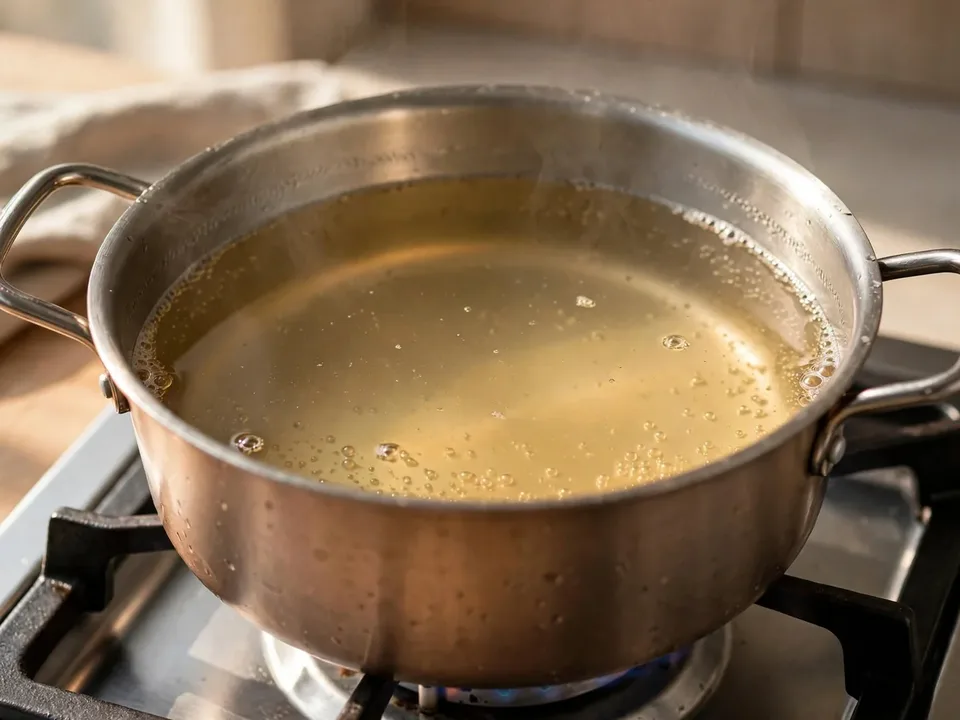
Japanese miso soup is a light, savoury broth built on dashi and miso, with silken tofu, wakame and spring onion added gently so each ingredient keeps its character. In the Journal, the useful question is not simply what goes into the pot, but what the dish reveals when ingredients, method and the way it is served are read together.
01 · ORIGINS
A tradition bigger than one recipe.
Miso and related fermented soybean seasonings have a long history in Japan, but the path from earlier fermented pastes to today's many forms of miso soup developed over centuries rather than from one fixed recipe or inventor.
A sense of place
Japan — nationwide, with strong household and regional variation. Japan's regional climates, local ingredients, koji traditions and maturation practices helped produce many distinct styles of miso. The soup changes accordingly: the miso, dashi and seasonal additions are not identical from one region or household to another.
02 · THE KITCHEN
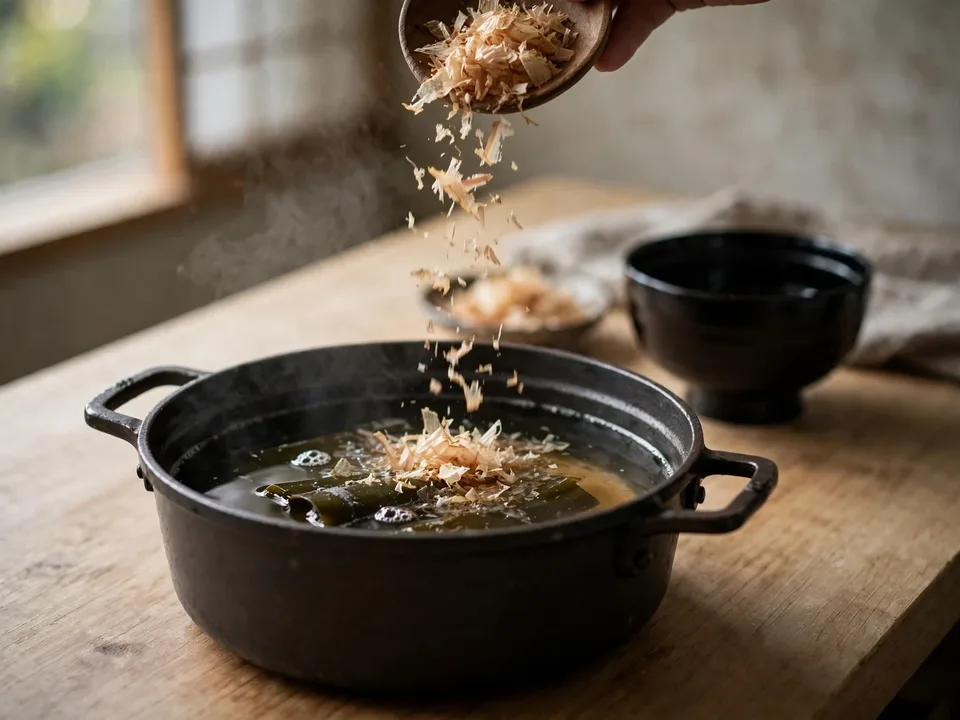
Flavour is built in stages.
Regional miso production developed with different raw materials, koji choices, salt levels, maturation periods and local tastes. Those differences shaped soups that can range from pale and gently sweet to dark, robust and deeply savoury.
The flavour map
What carries the dish.
Part of a wider table: Washoku (traditional Japanese dietary culture) · Ichiju-sansai (one soup and three sides meal structure) · Regional miso traditions.
03 · AT THE TABLE
The point is the sharing.
Miso soup remains a familiar part of home meals and set meals across Japan, commonly served with rice and other dishes. Scratch-made dashi, prepared dashi and convenient instant products all appear in modern home cooking.
The method gives the dish its structure; the table gives it context. That is why Ember & Equator keeps the recipe and the story connected, but lets each do a different job.
Return to the kitchen
Now cook Miso Soup.
Take the story with you. The canonical recipe has the measured ingredients, visual cues and step-by-step method.
Keep reading
Another table, another story.
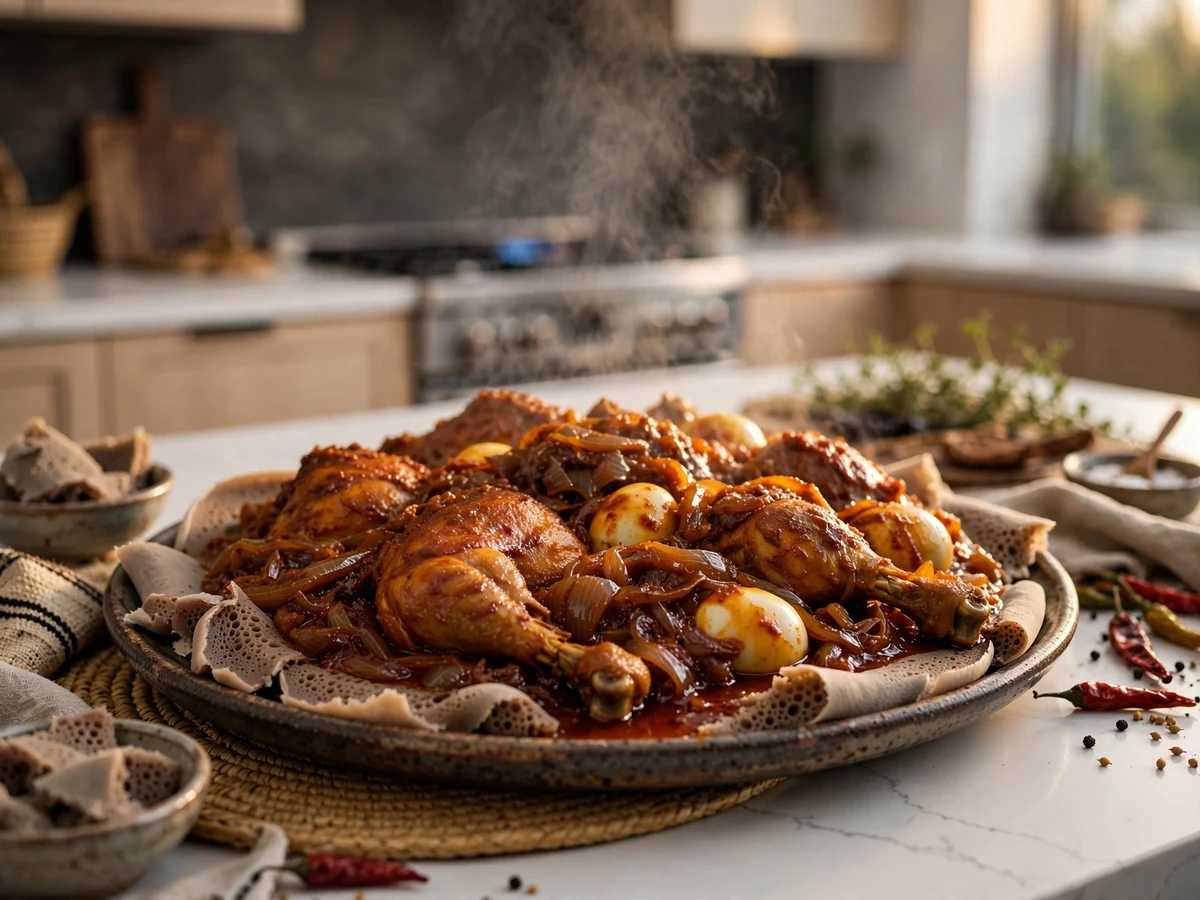
Ethiopia · At the Table
Doro Wat and the patience of a shared table
A slow-built stew, a shared injera table and the rituals that make a dish larger than its recipe.
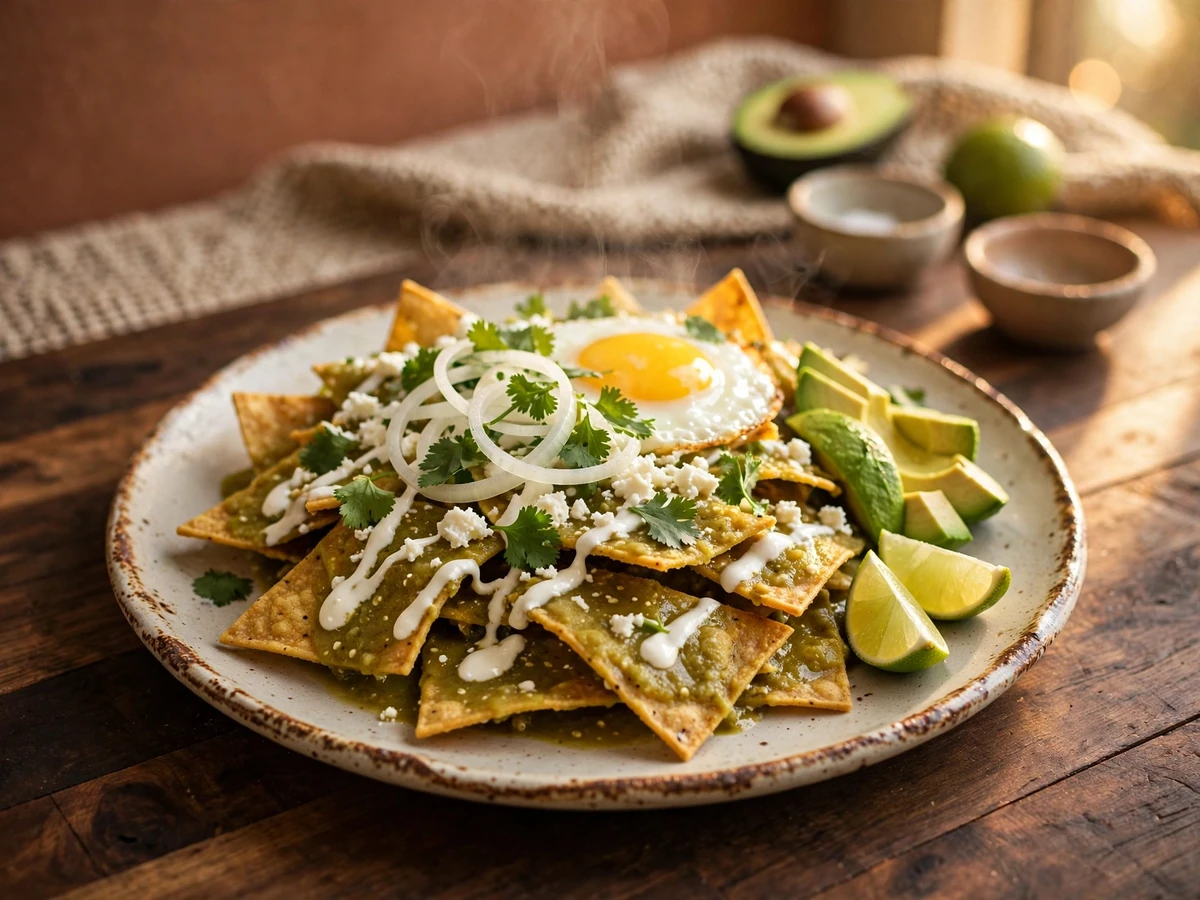
Mexico · At the Table
Morning in green: the logic of chilaquiles
Crisp tortillas, bright salsa and a breakfast built around contrast, immediacy and appetite.
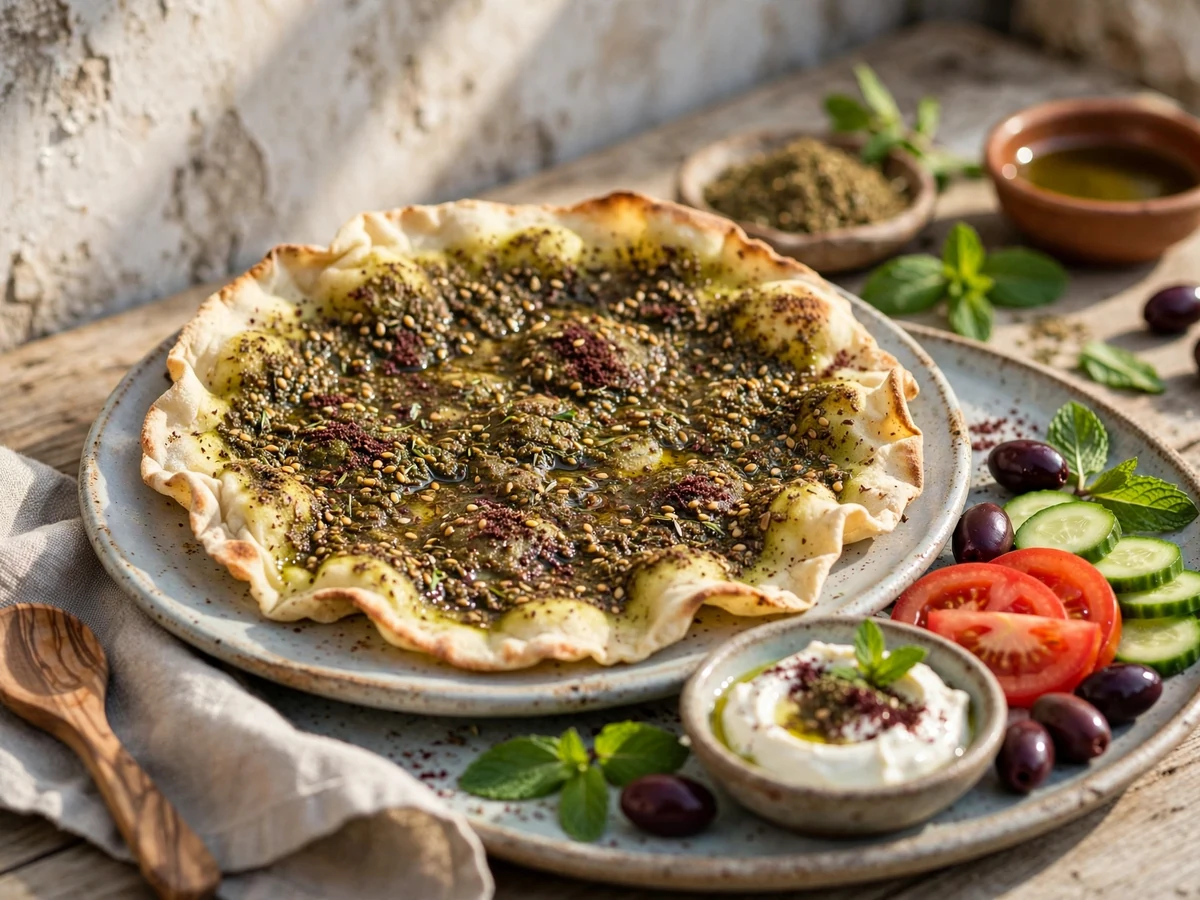
Lebanon · Places
The morning rhythm of Man’ouché
Za’atar, warm flatbread and the everyday rhythm of a food that moves easily between bakery, street and home.