
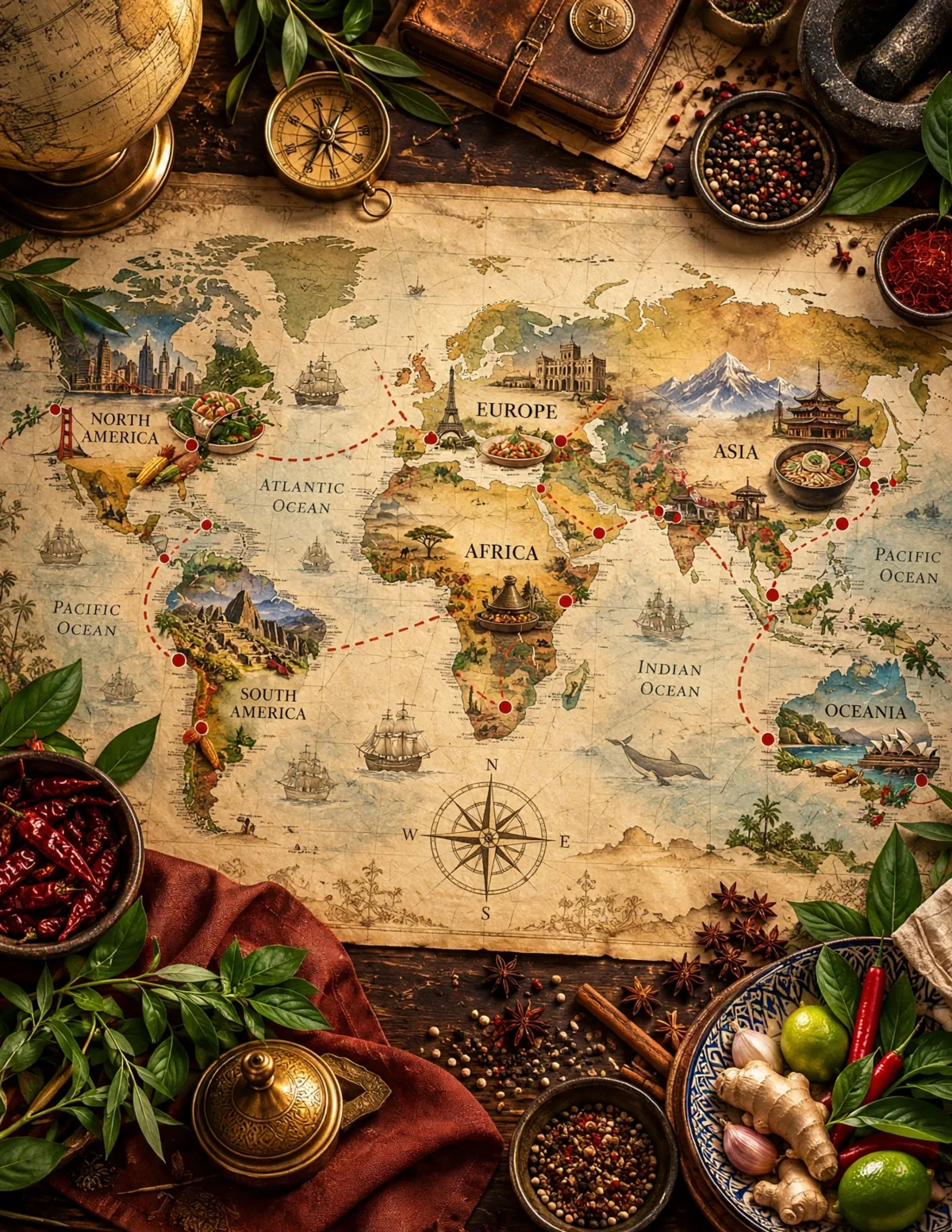
Cuisines
Travel through food.
Choose a place and enter through its kitchen — the dishes, ingredients, traditions and landscapes that make its food distinct.
Choose a placeChoose a region
Or wander through all 16 published places.
Choose a place
Every cuisine begins somewhere.
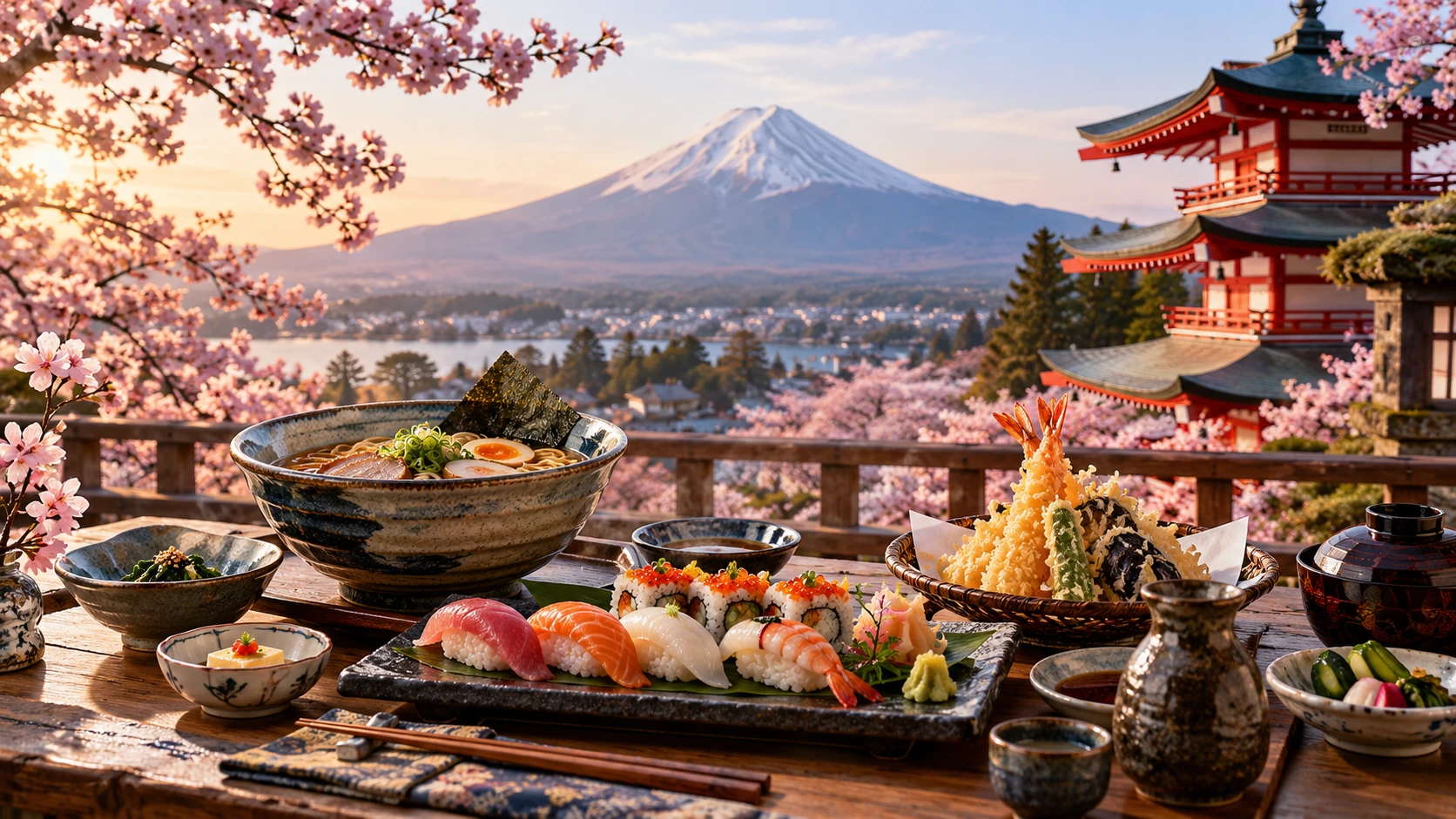
East Asia
Japan
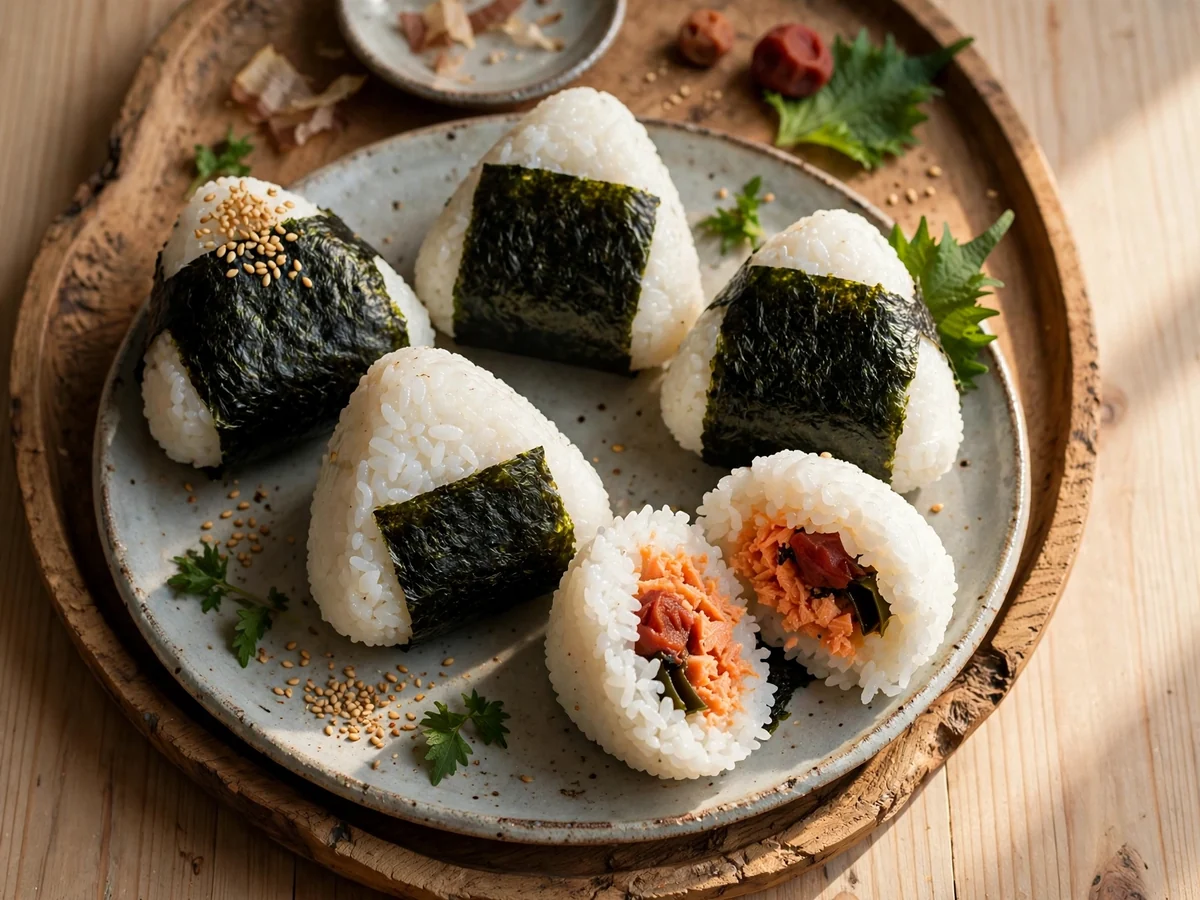
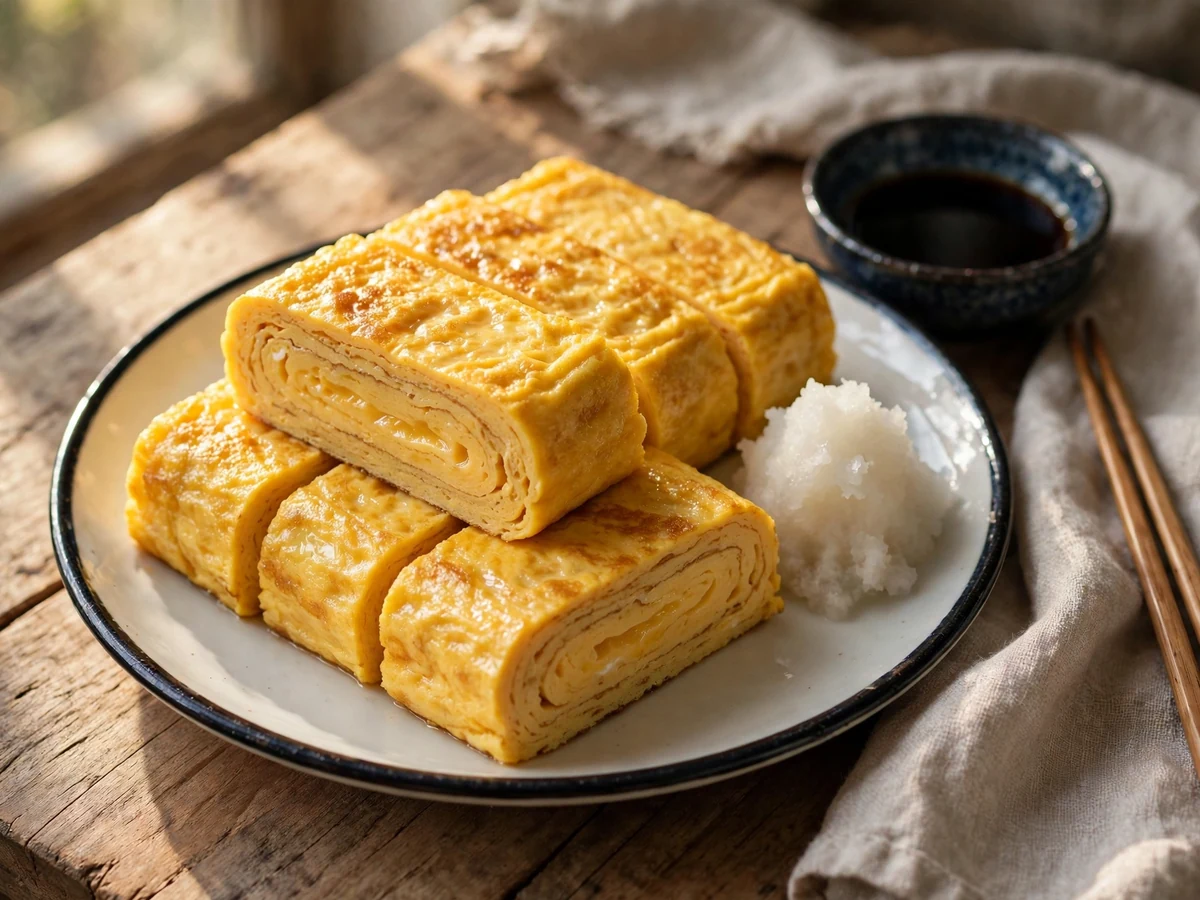
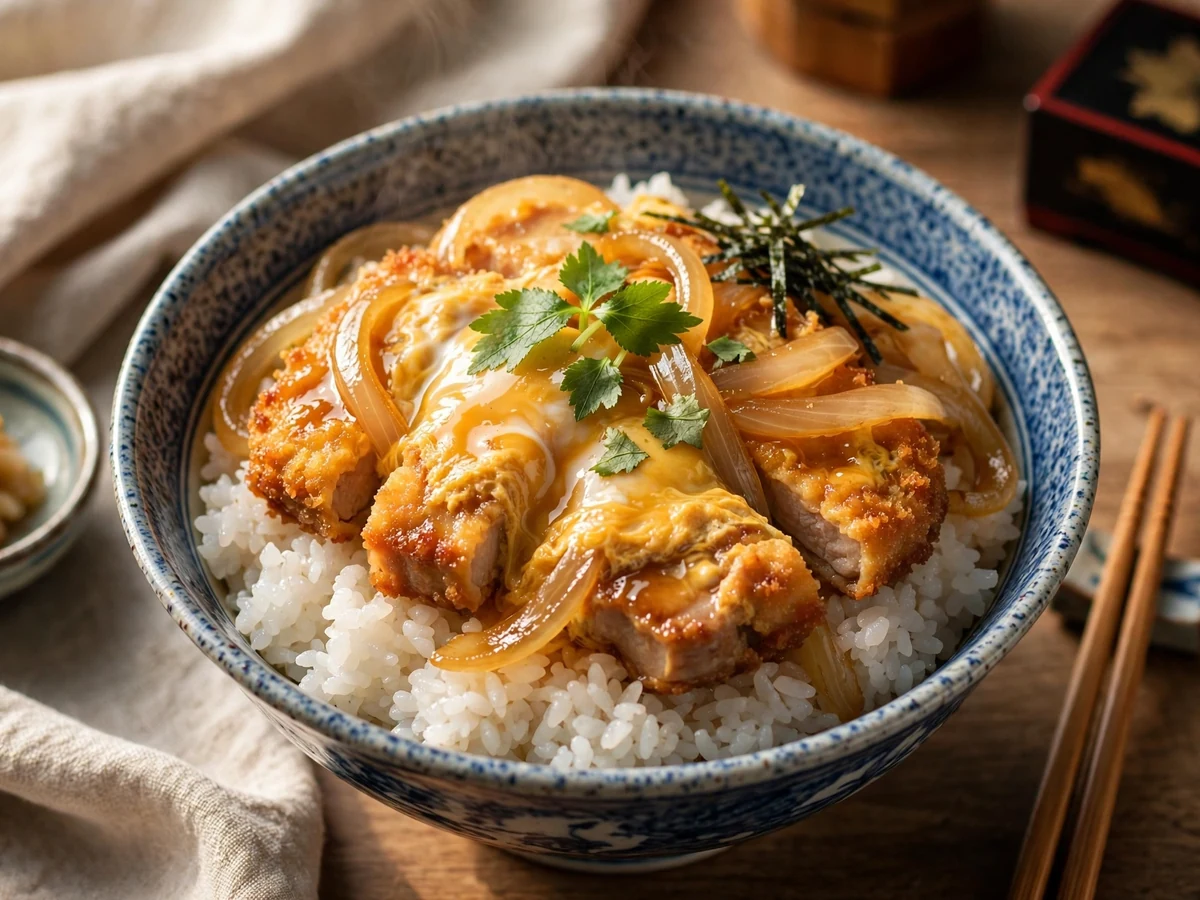
Japanese food traditions are strongly shaped by seasonality, regional ingredients, rice, seafood, vegetables, fermented foods and careful attention to presentation. Washoku, the traditional dietary culture recognized by UNESCO, also emphasizes respect for nature and the use of diverse, locally sourced ingredients.
Explore Japan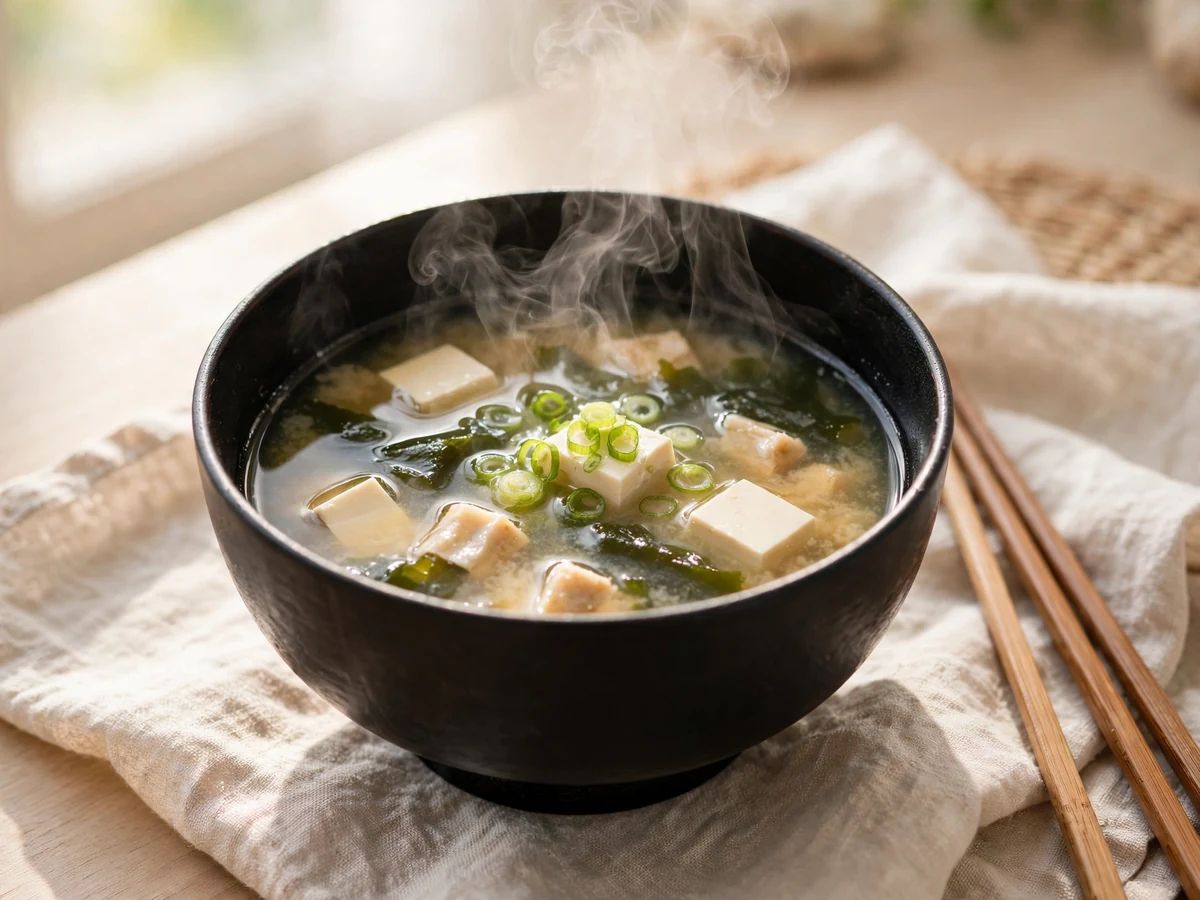

North Africa
Morocco
Moroccan cooking reflects Amazigh, Arab, Andalusian, Mediterranean and sub-Saharan exchanges expressed through regional breads, couscous, tagines, pulses, preserved ingredients, herbs and spices. Hospitality and shared meals are recurring features, while techniques and dishes vary substantially across the country.
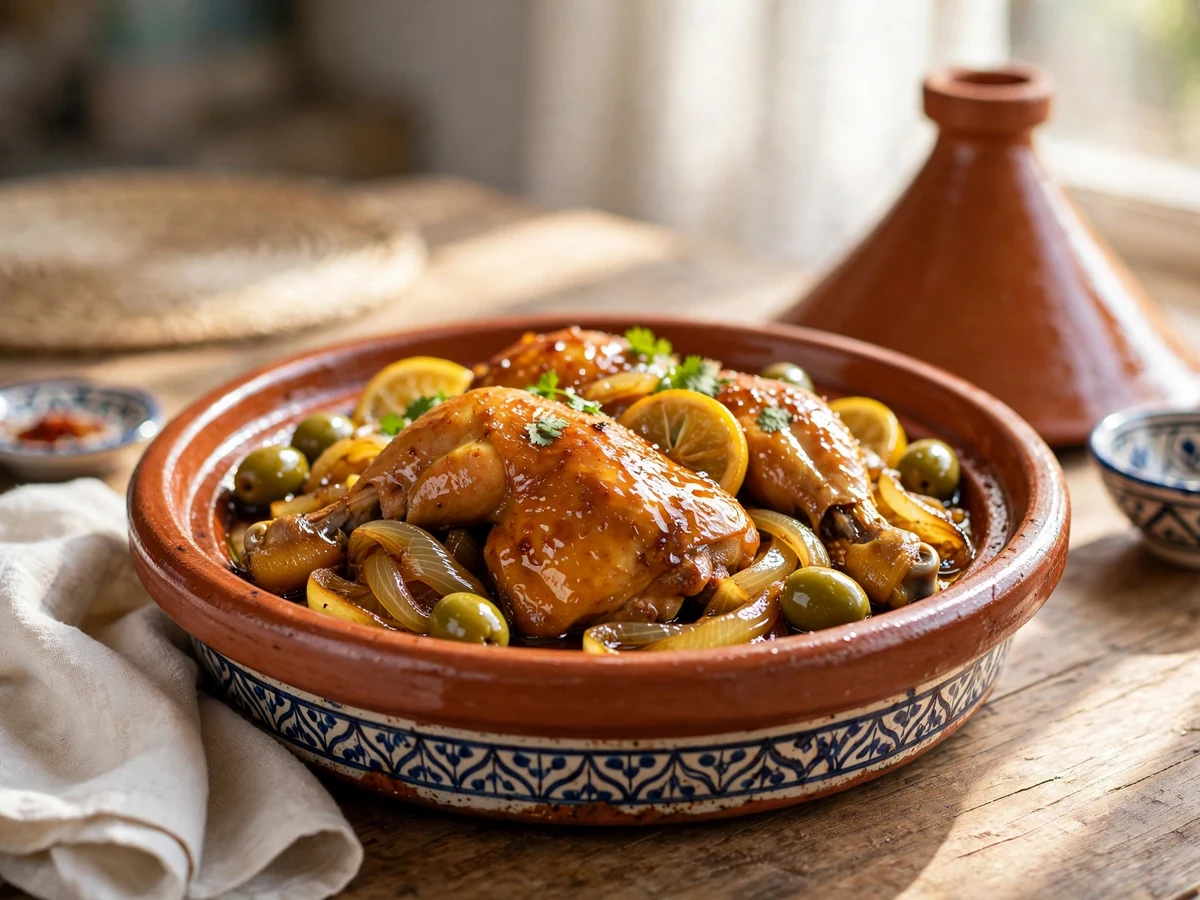
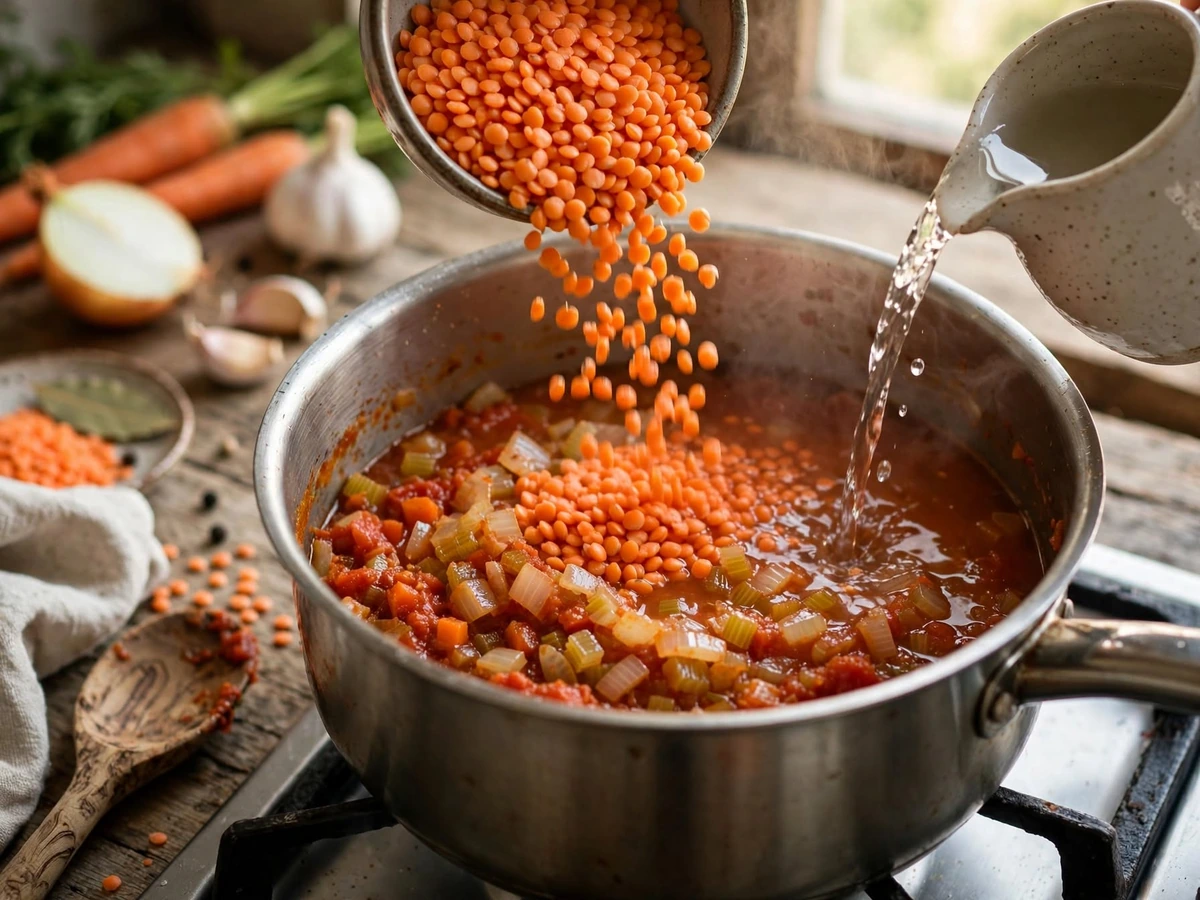
Moroccan Chicken Tagine with Preserved Lemon and Olives
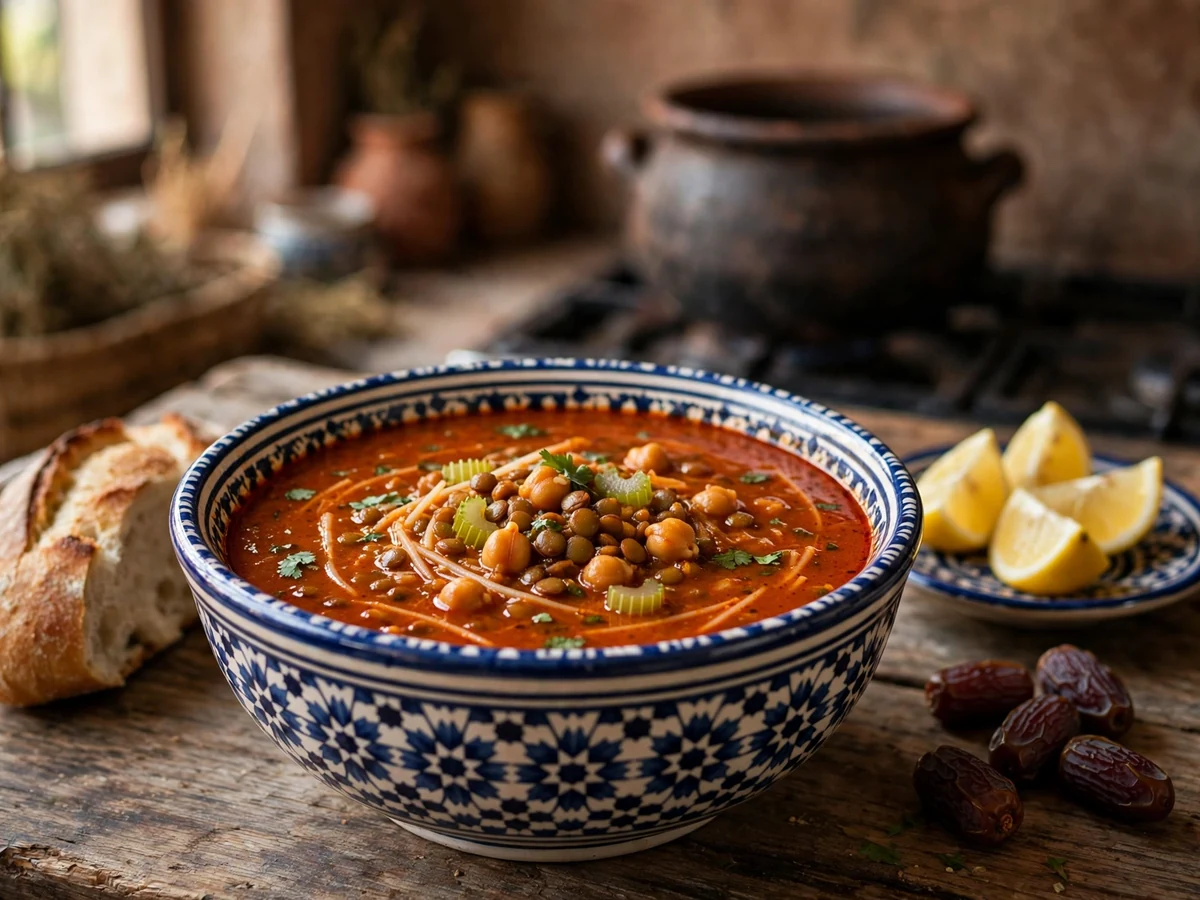
Harira
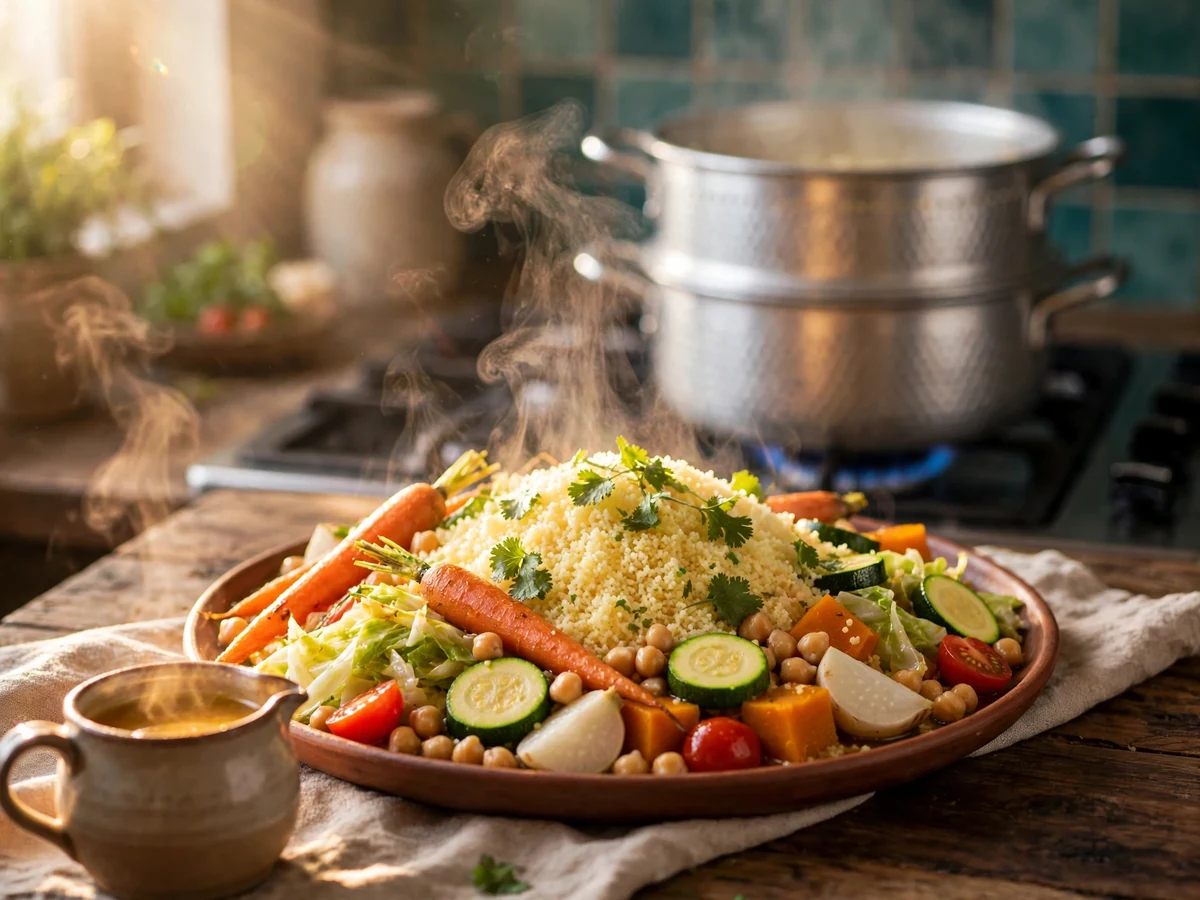
Moroccan Couscous with Seven Vegetables
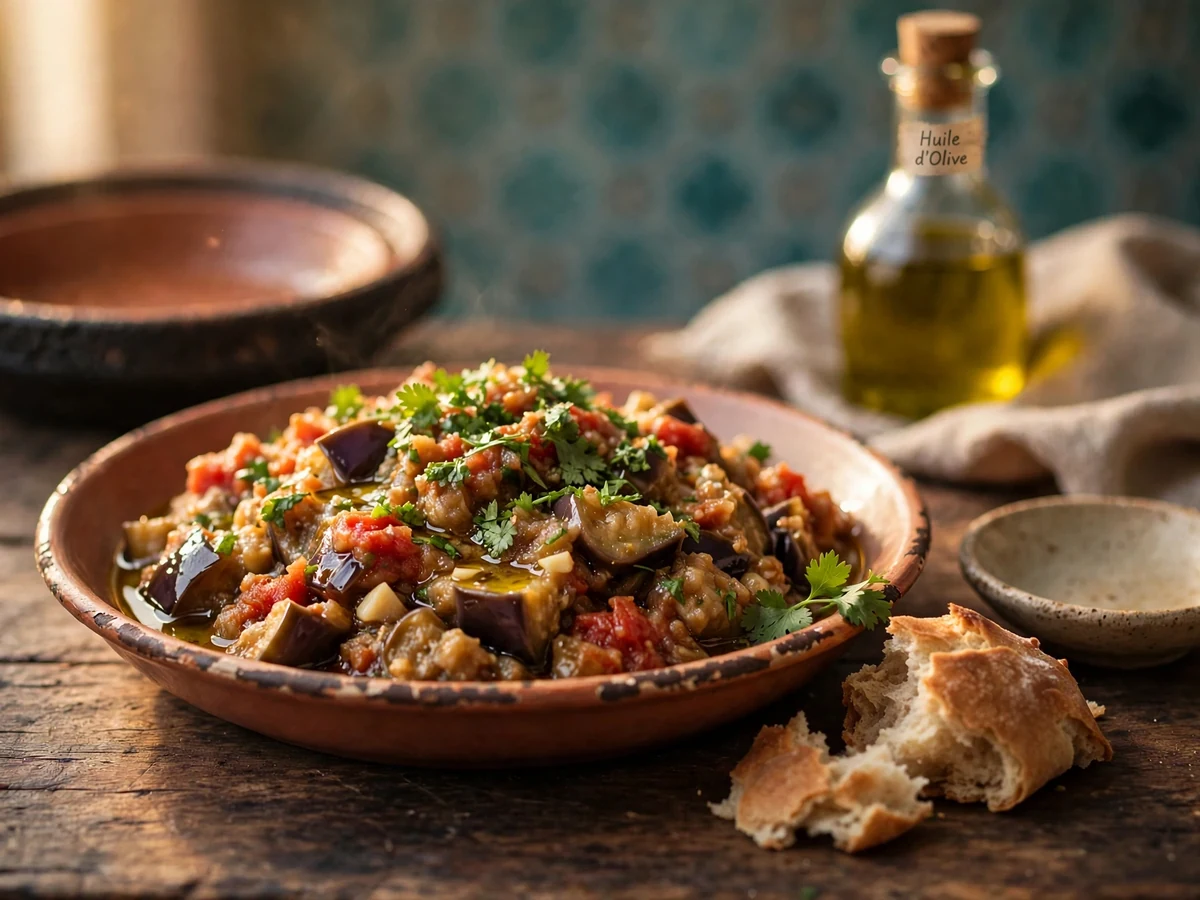
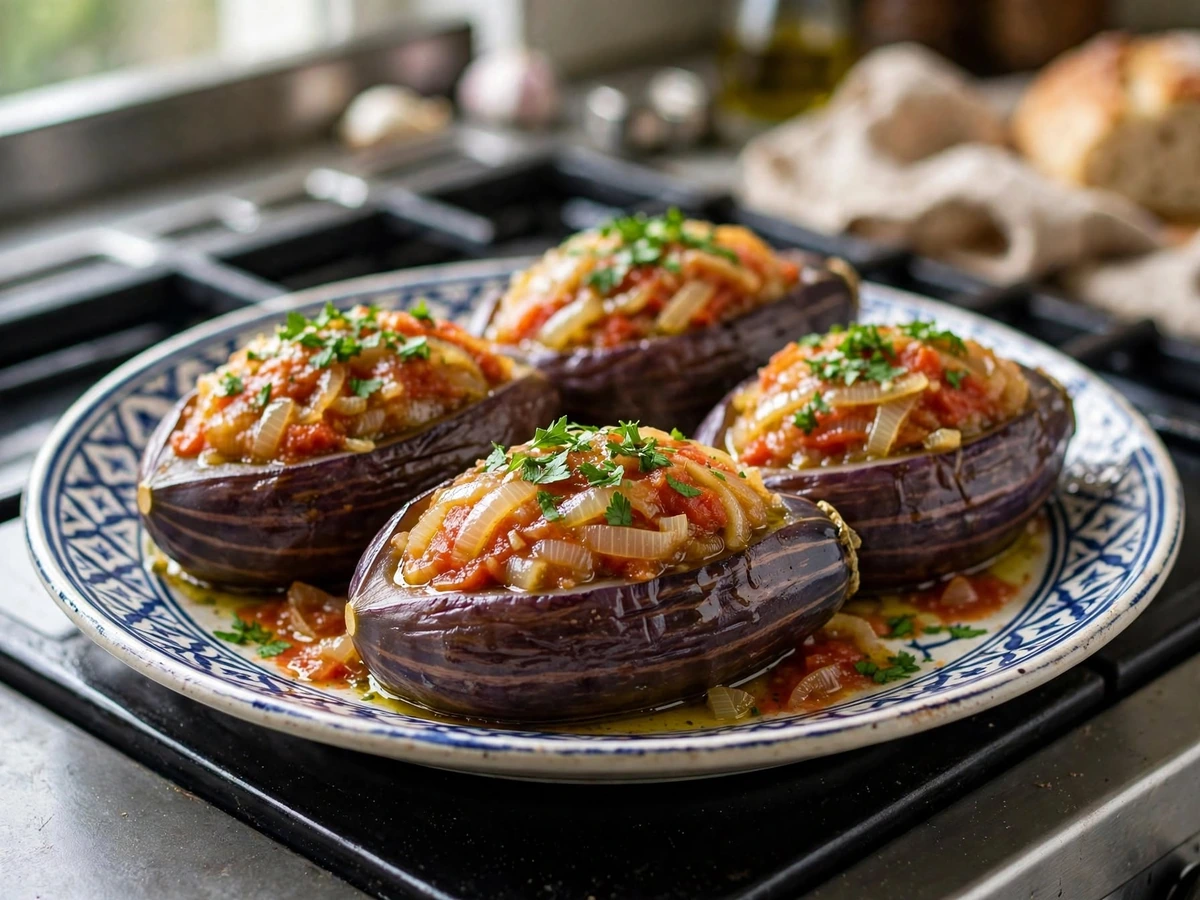
Zaalouk
Latin America & Caribbean
Mexico
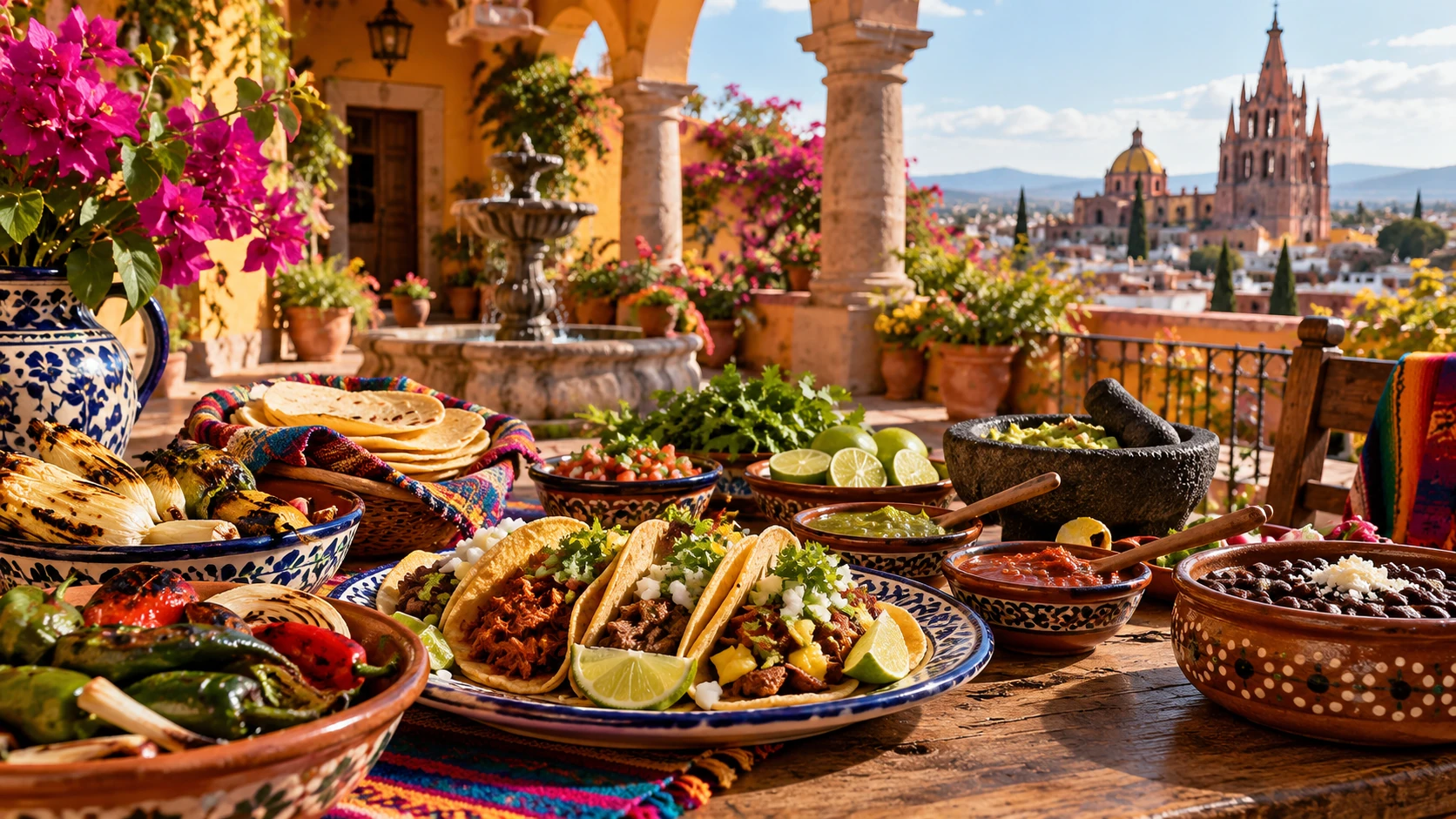
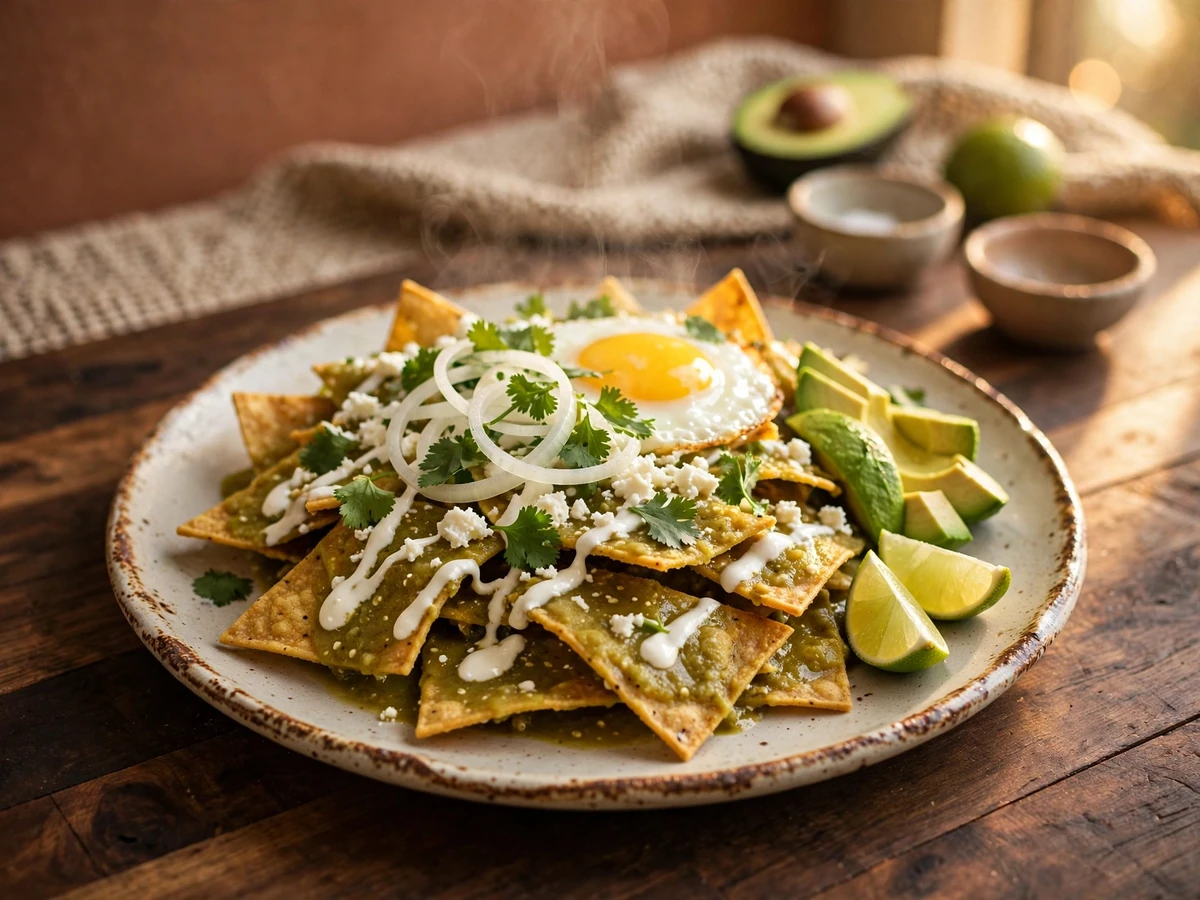
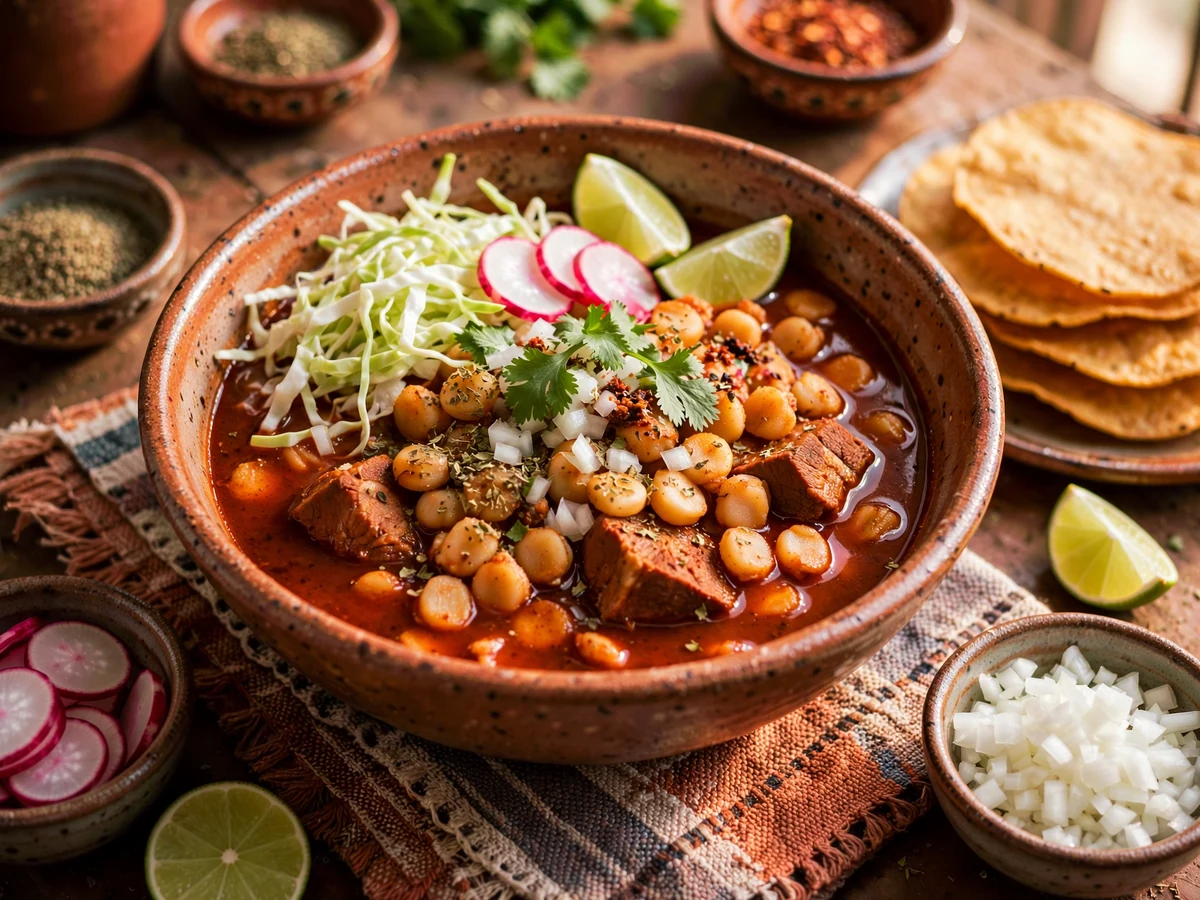
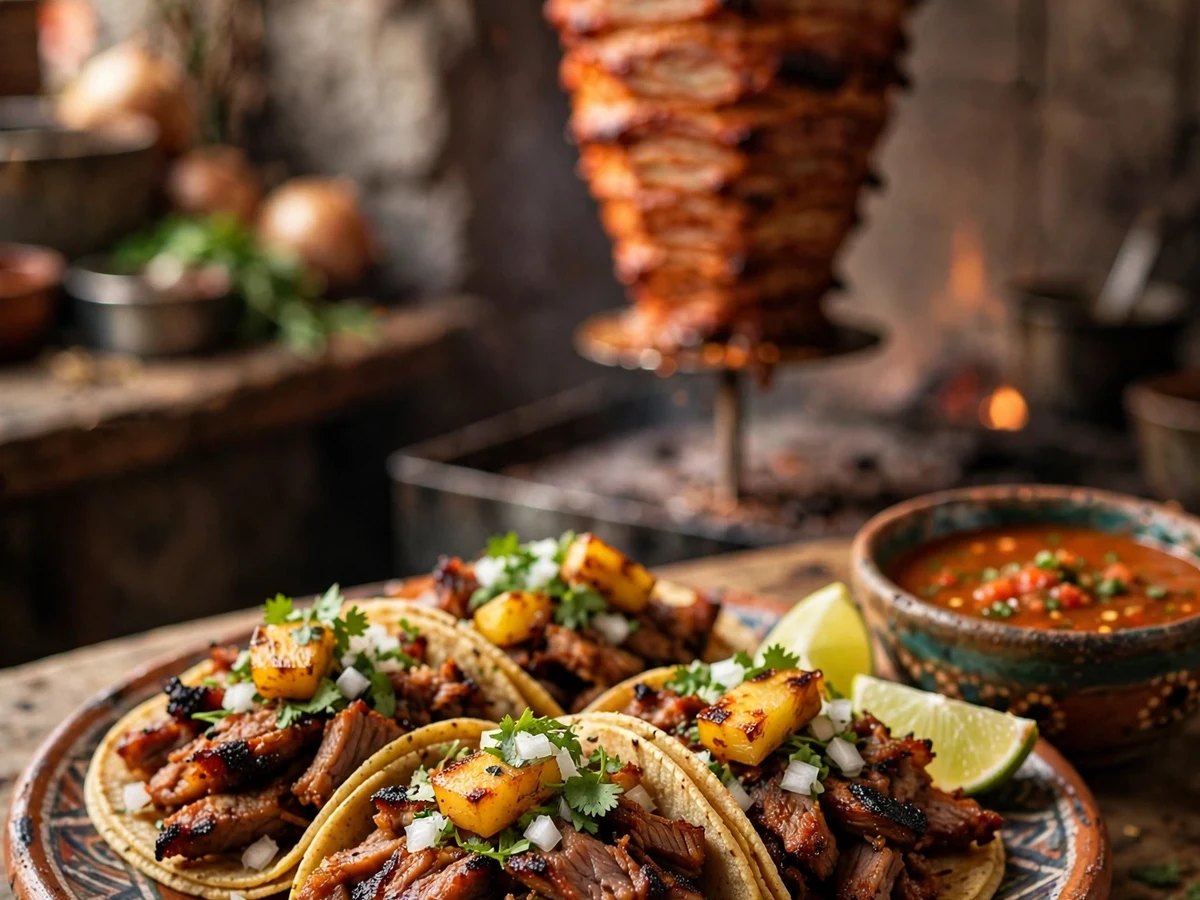
Mexican cuisine is a diverse living food culture with deep Indigenous foundations and later layers of exchange. Maize, beans and chiles remain foundational to many traditions; UNESCO recognizes traditional Mexican cuisine through the Michoacán paradigm as a cultural model linking farming, cooking techniques, ritual and community practice.
Explore Mexico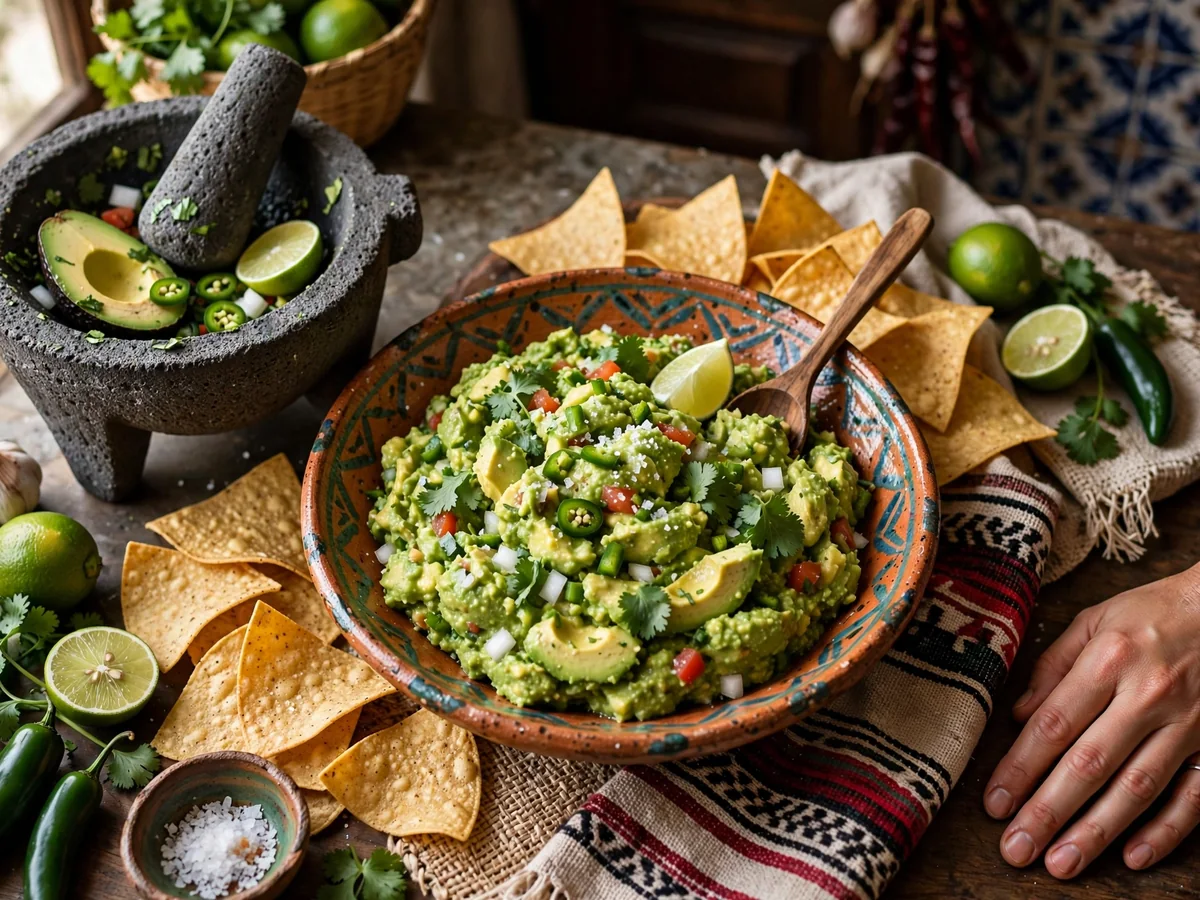

South Asia
India
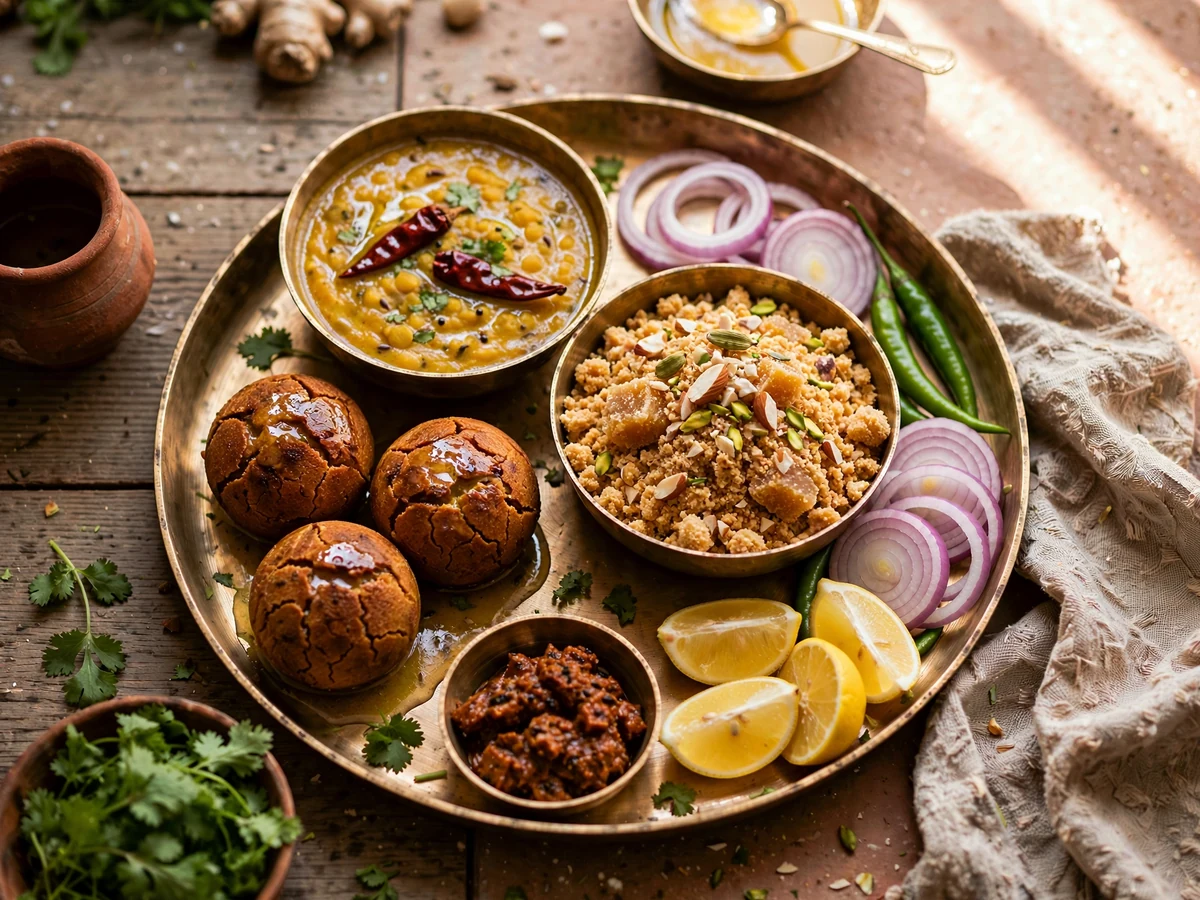
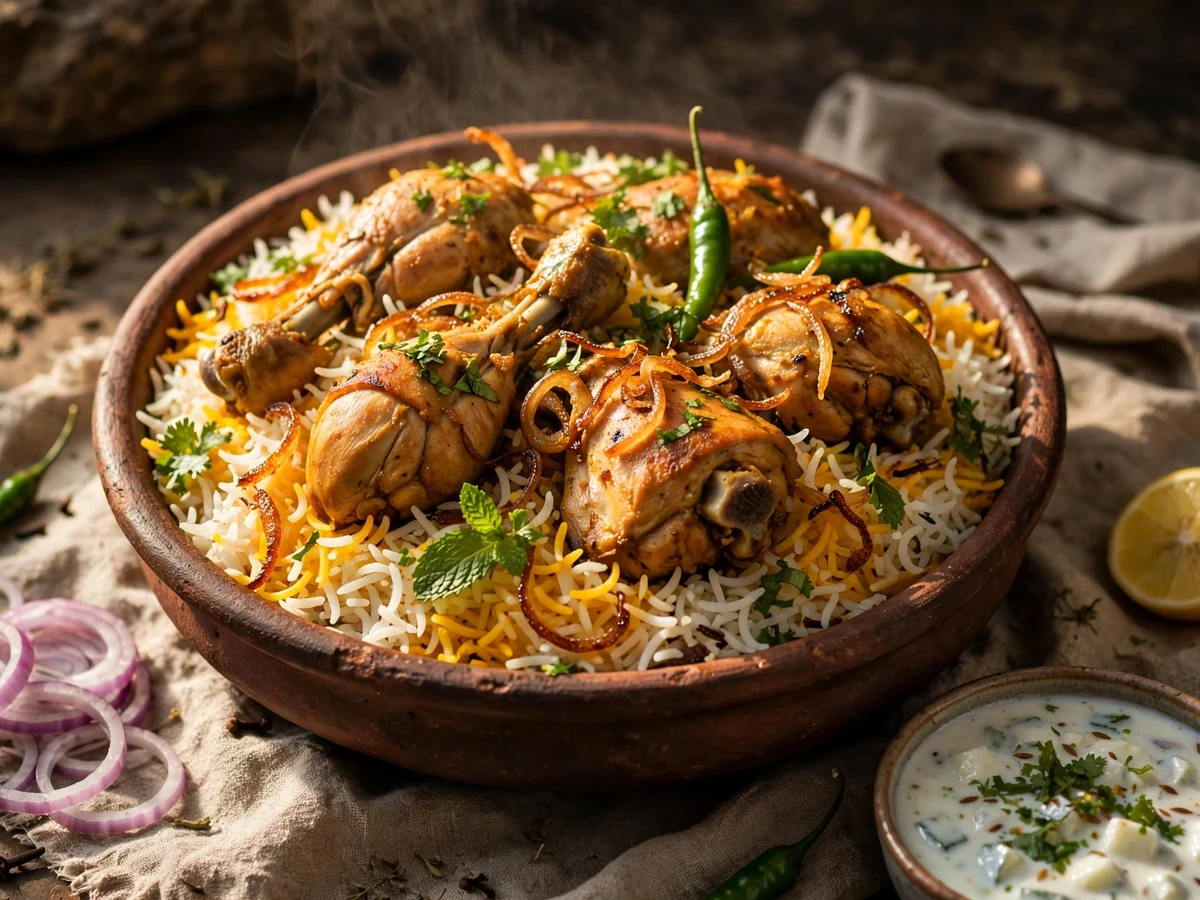
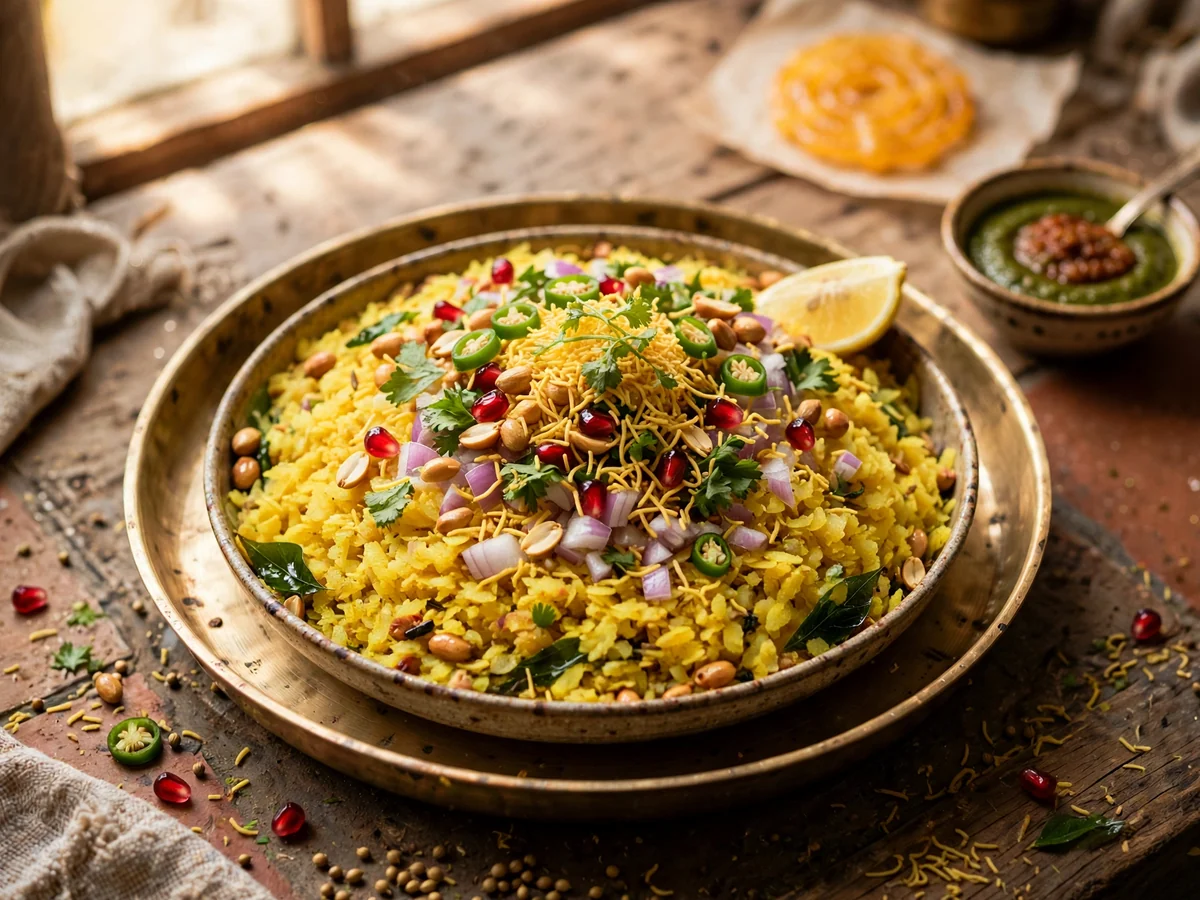
Indian food traditions vary dramatically by region, language community, religion, climate, agriculture and history. Rice and wheat staples, pulses, vegetables, dairy, seafood and meats appear in different combinations, while spice use and cooking techniques reflect highly local culinary systems rather than a single national formula.
Explore India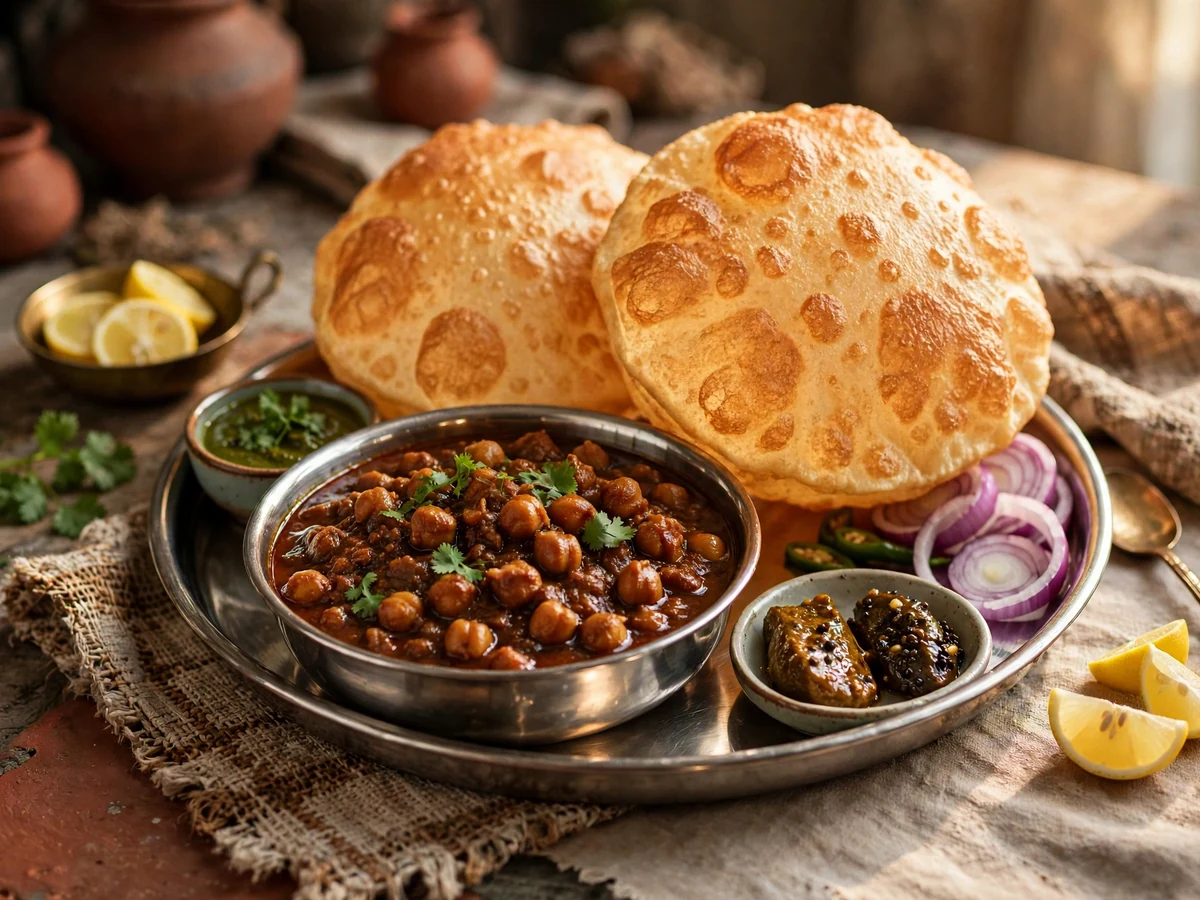
Western Europe
Italy
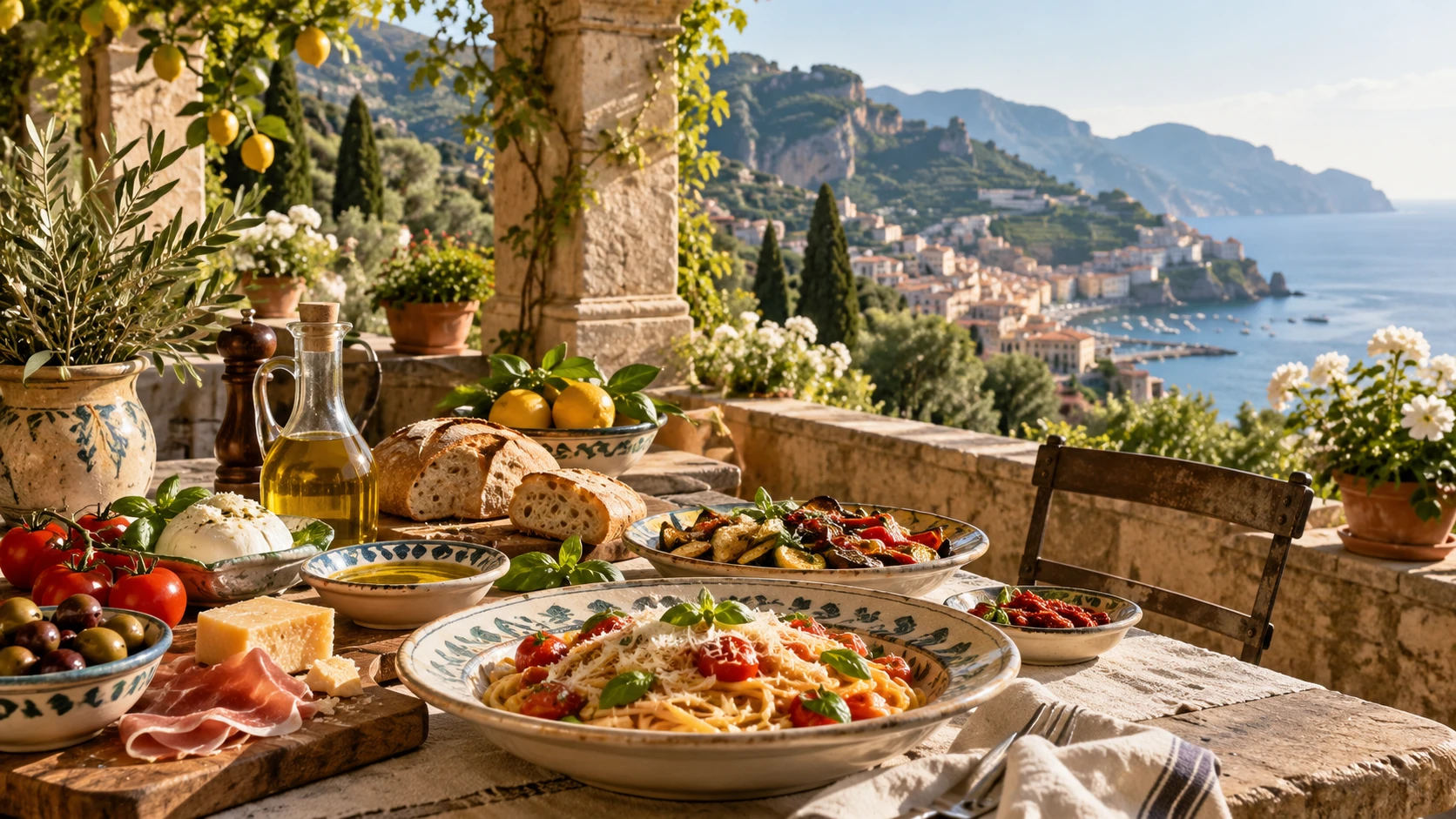
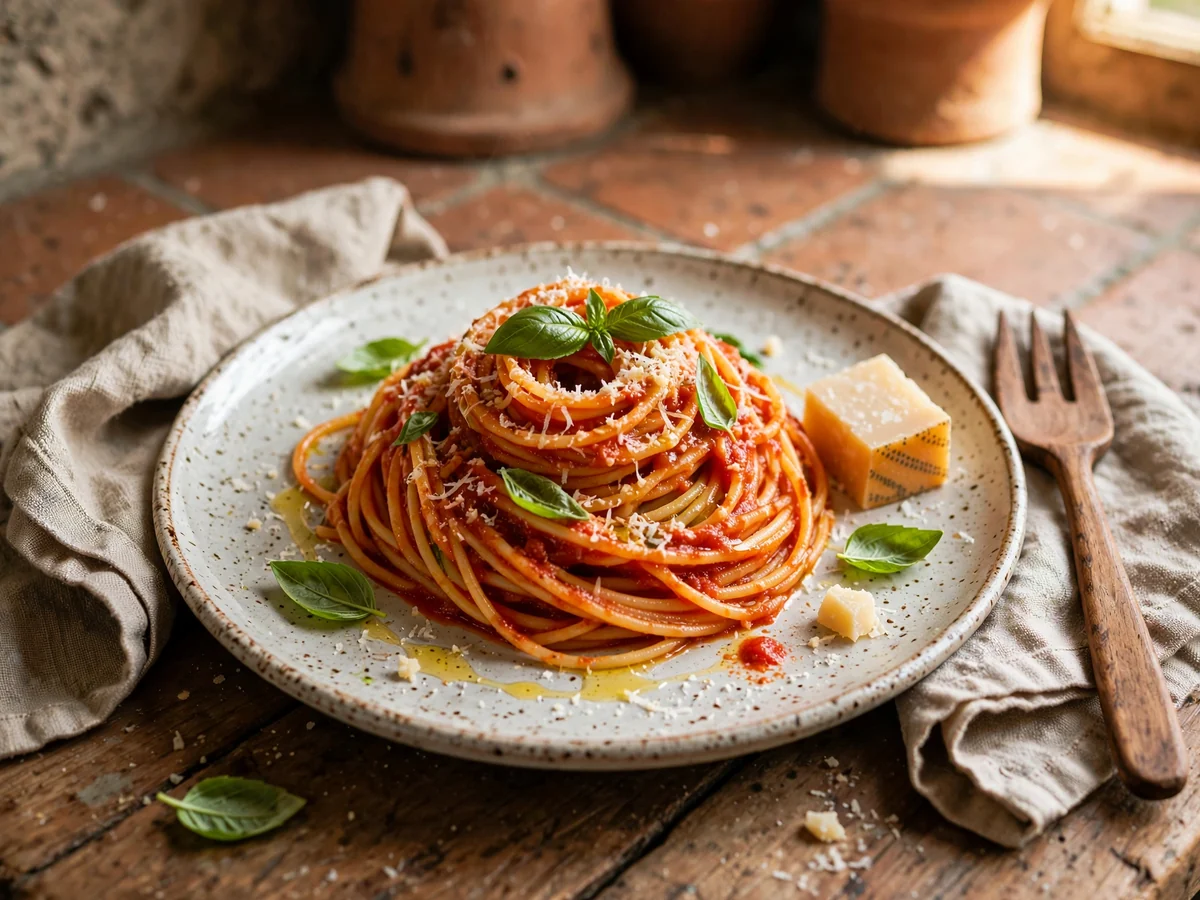
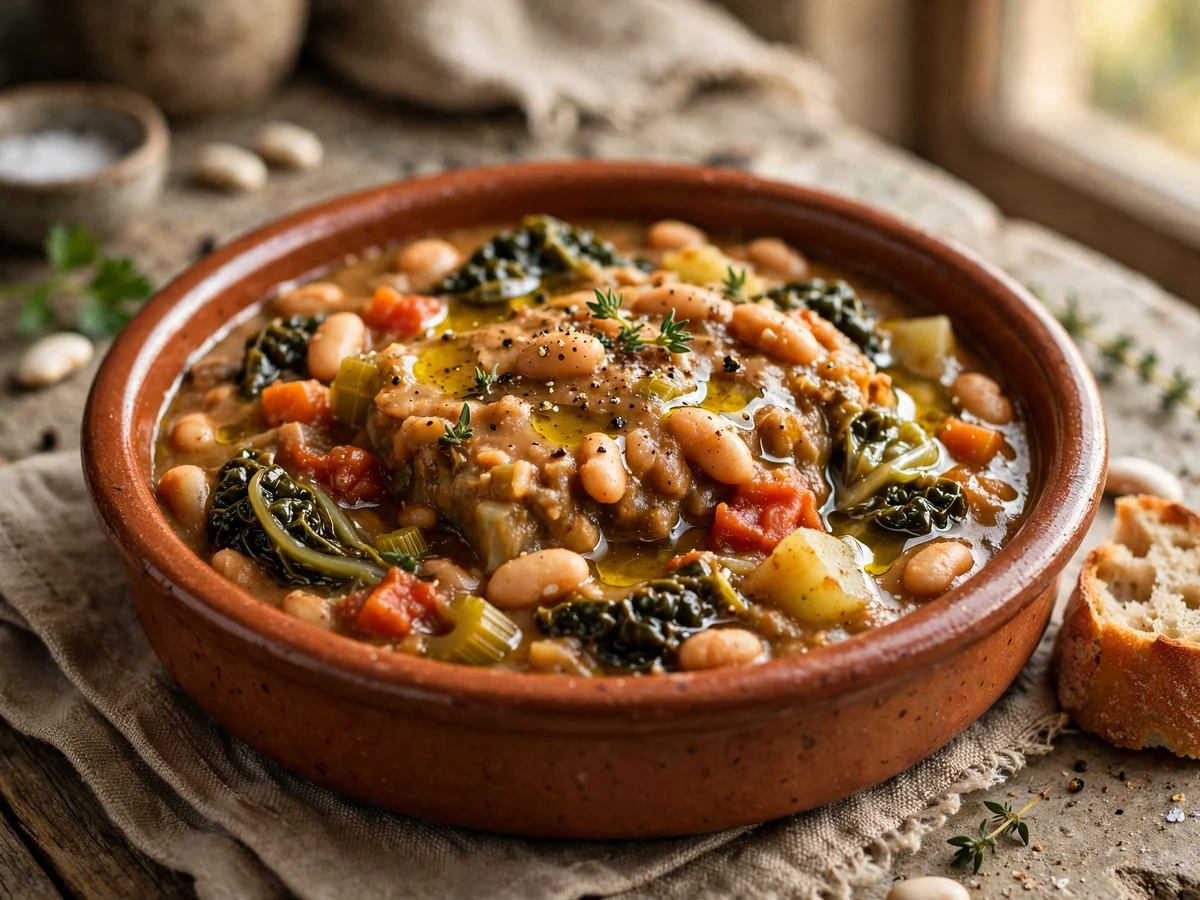
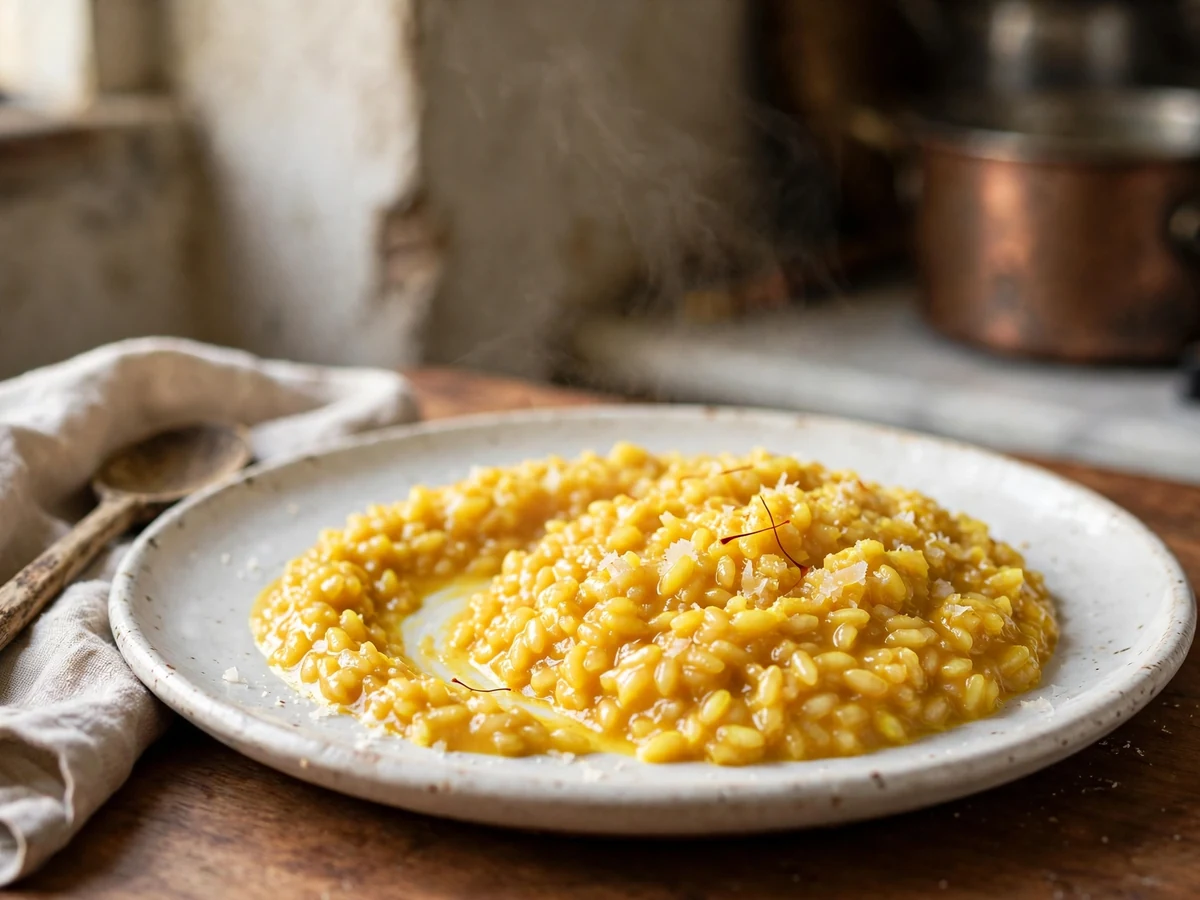
Italian cooking is intensely regional, shaped by local agriculture, coastlines, mountains, trade and household tradition. Pasta, breads, rice, pulses, vegetables, cheeses, olive oil and preserved foods take different forms across the country, and many dishes are closely identified with particular cities or regions.
Explore Italy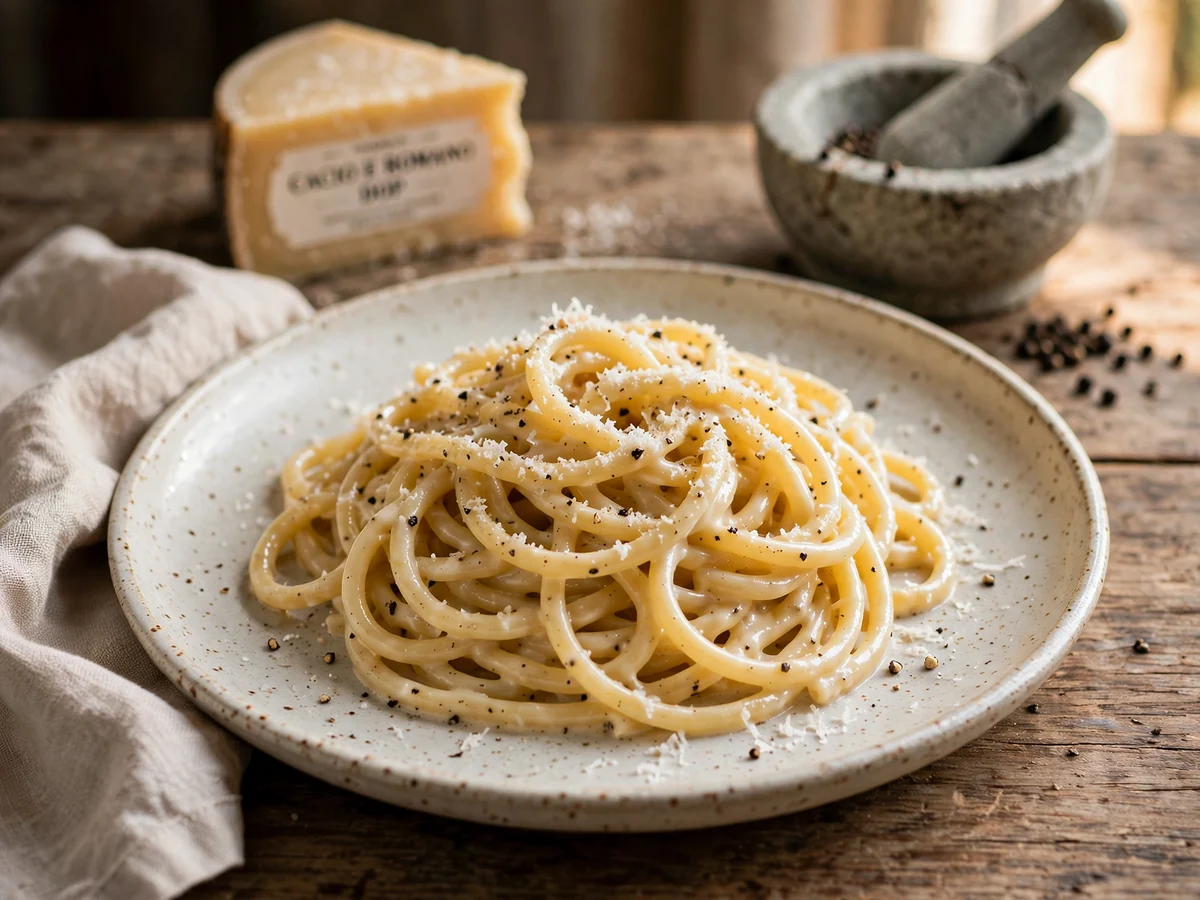
Southeast Asia
Thailand
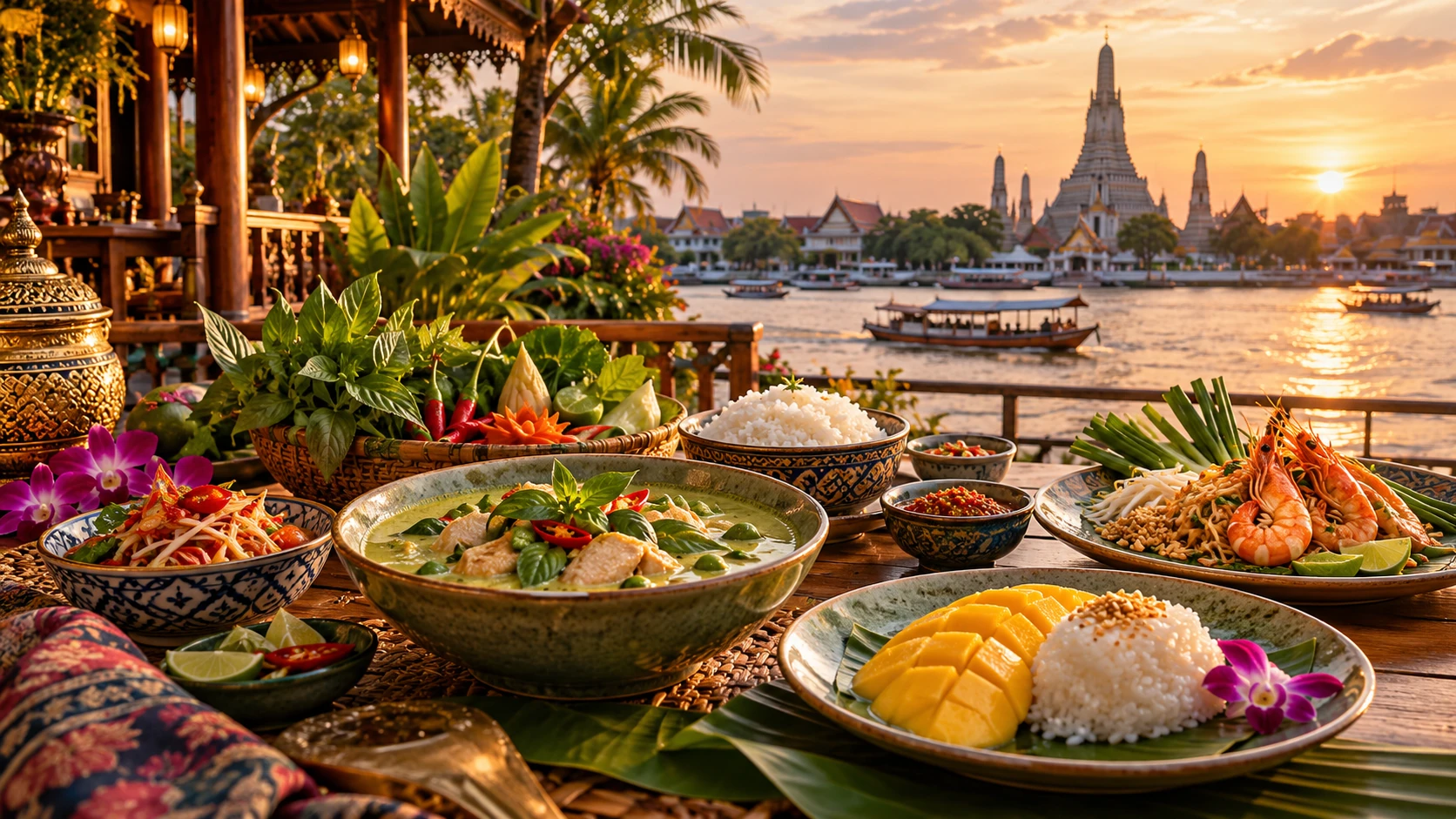
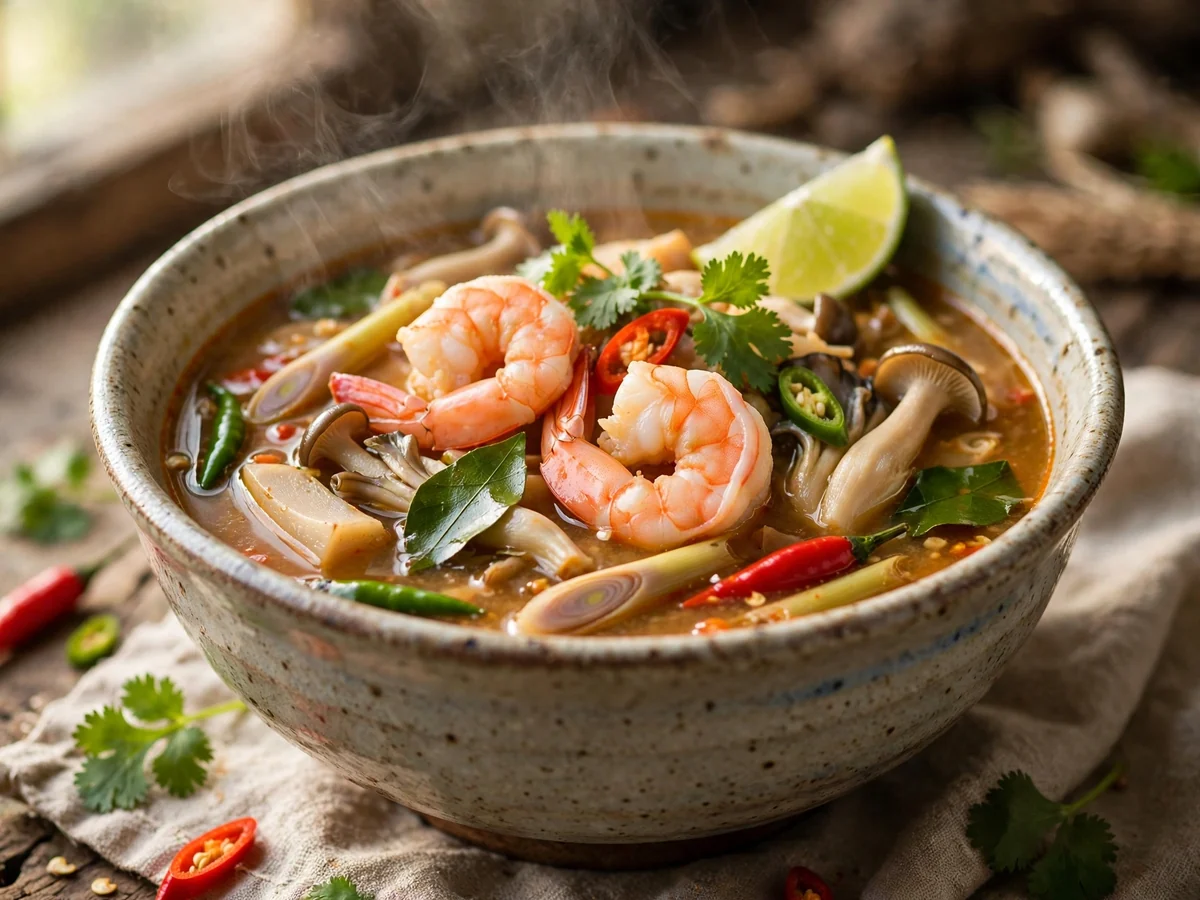
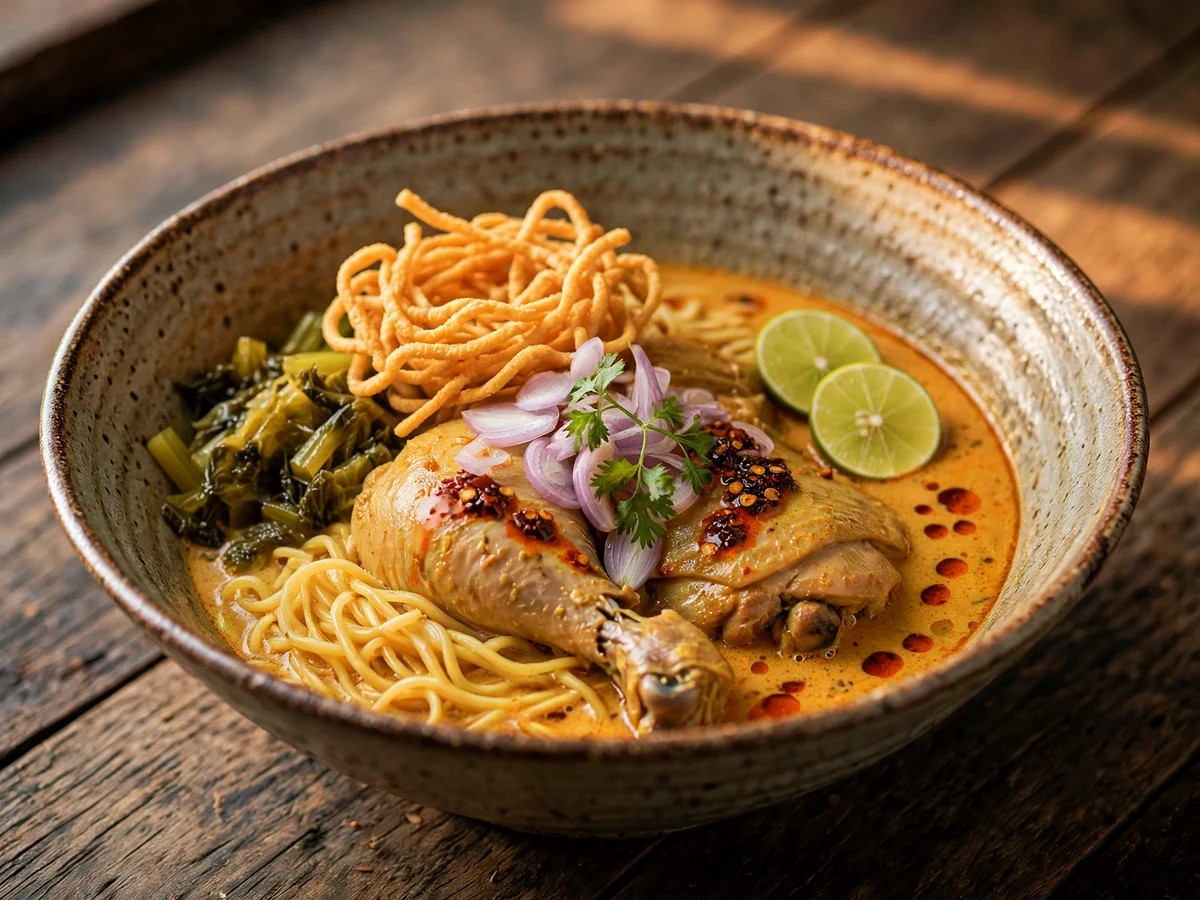
Thai cuisine is a highly regional food tradition shaped by rice cultivation, river and coastal ingredients, fresh herbs, fermented seasonings, curries and fast wok cooking. Across the country, cooks build dishes through contrast—heat, sourness, salt, sweetness, aroma and texture—rather than a single fixed flavour profile.
Explore Thailand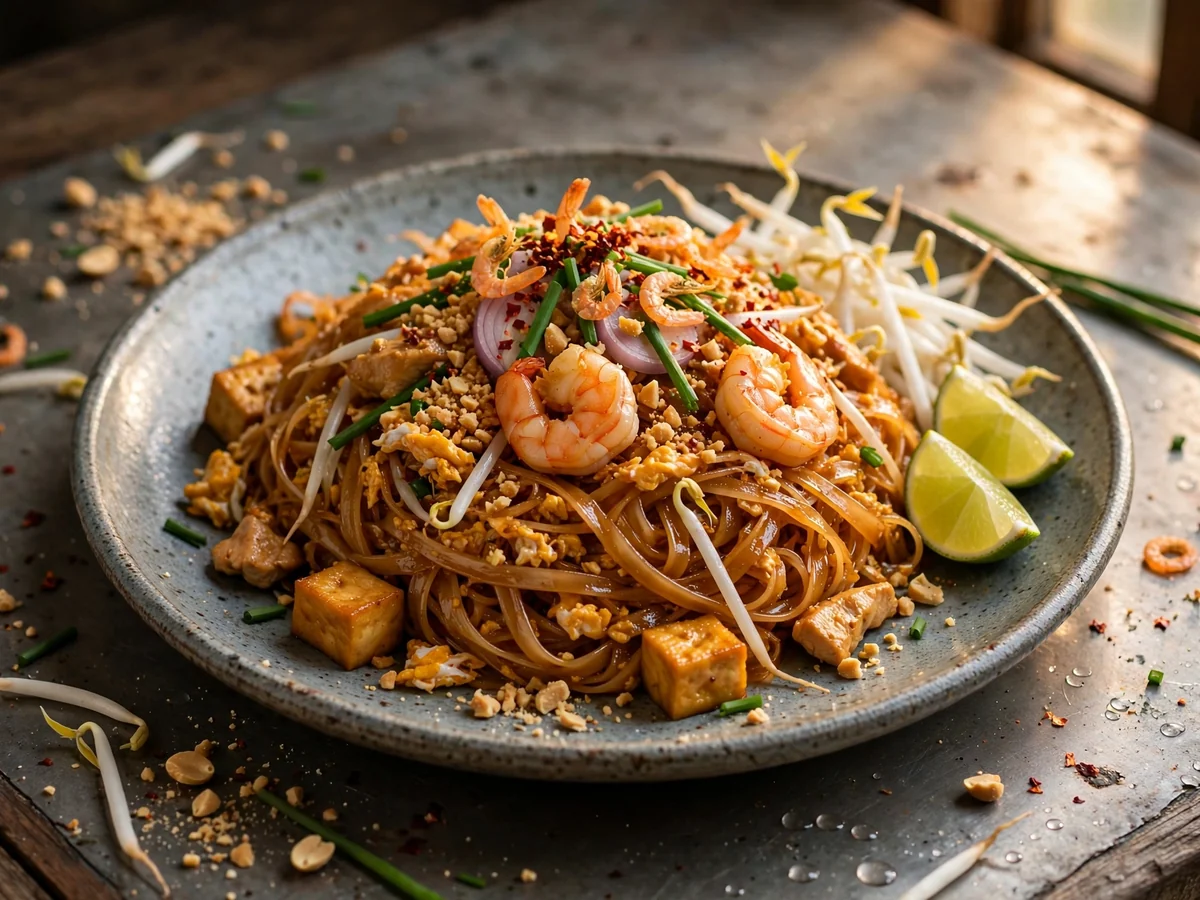
Southeast Asia
Vietnam
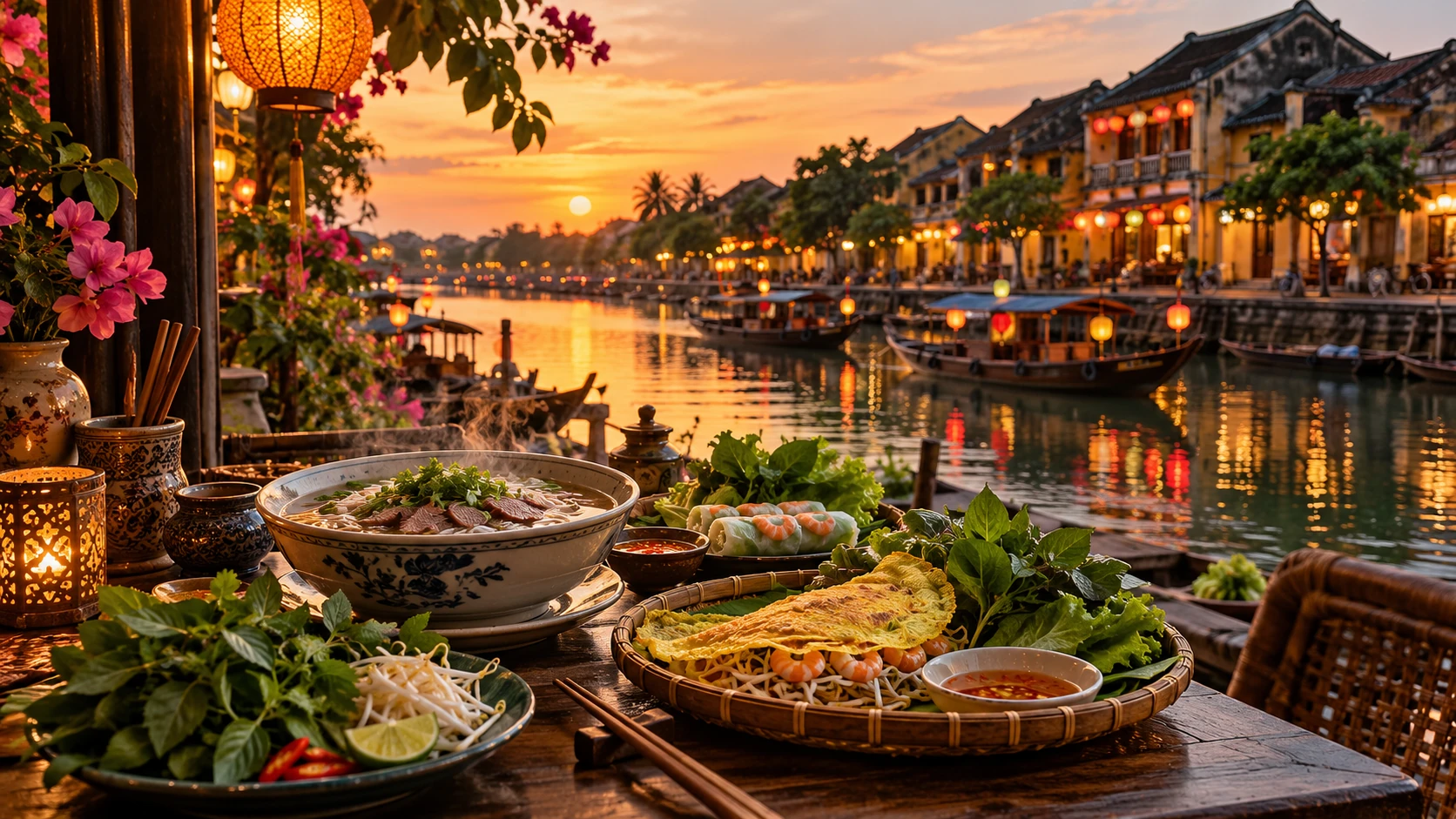
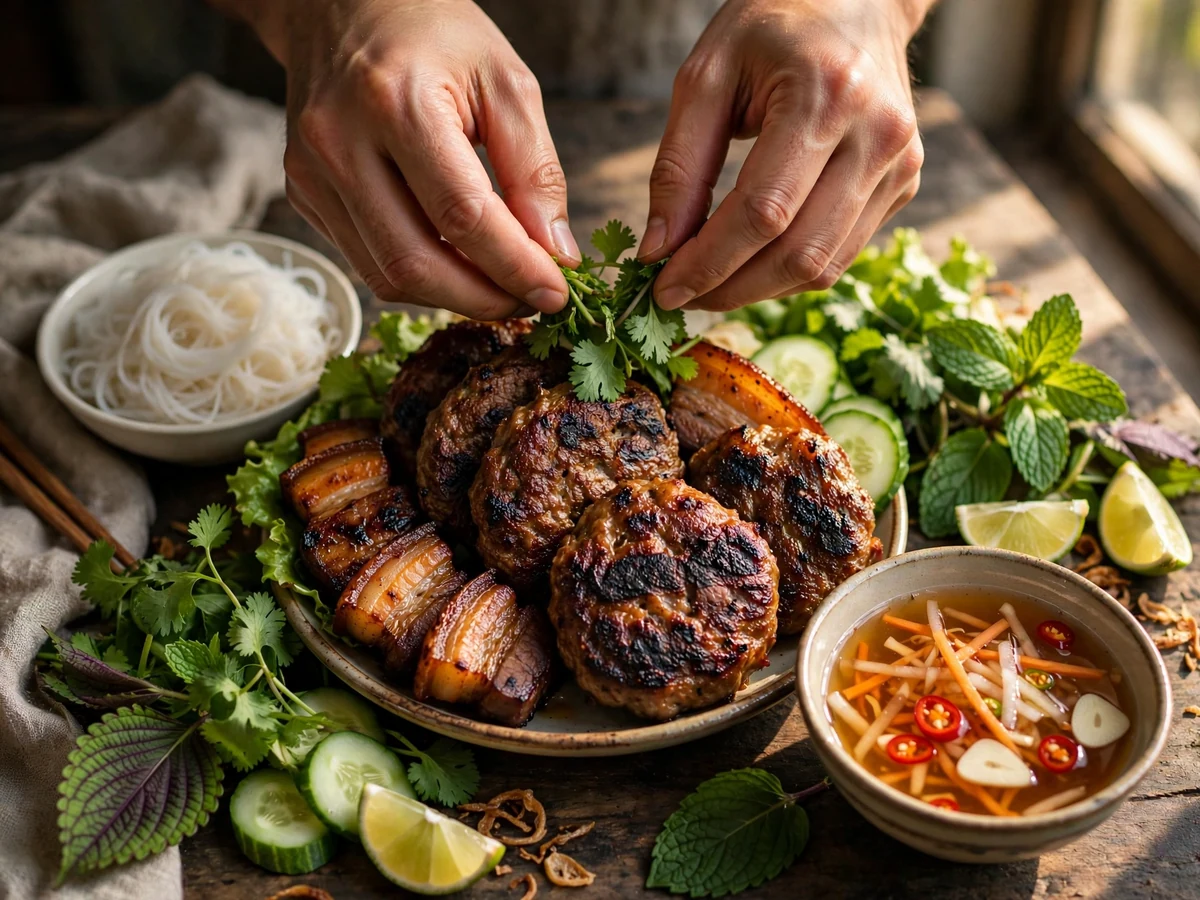
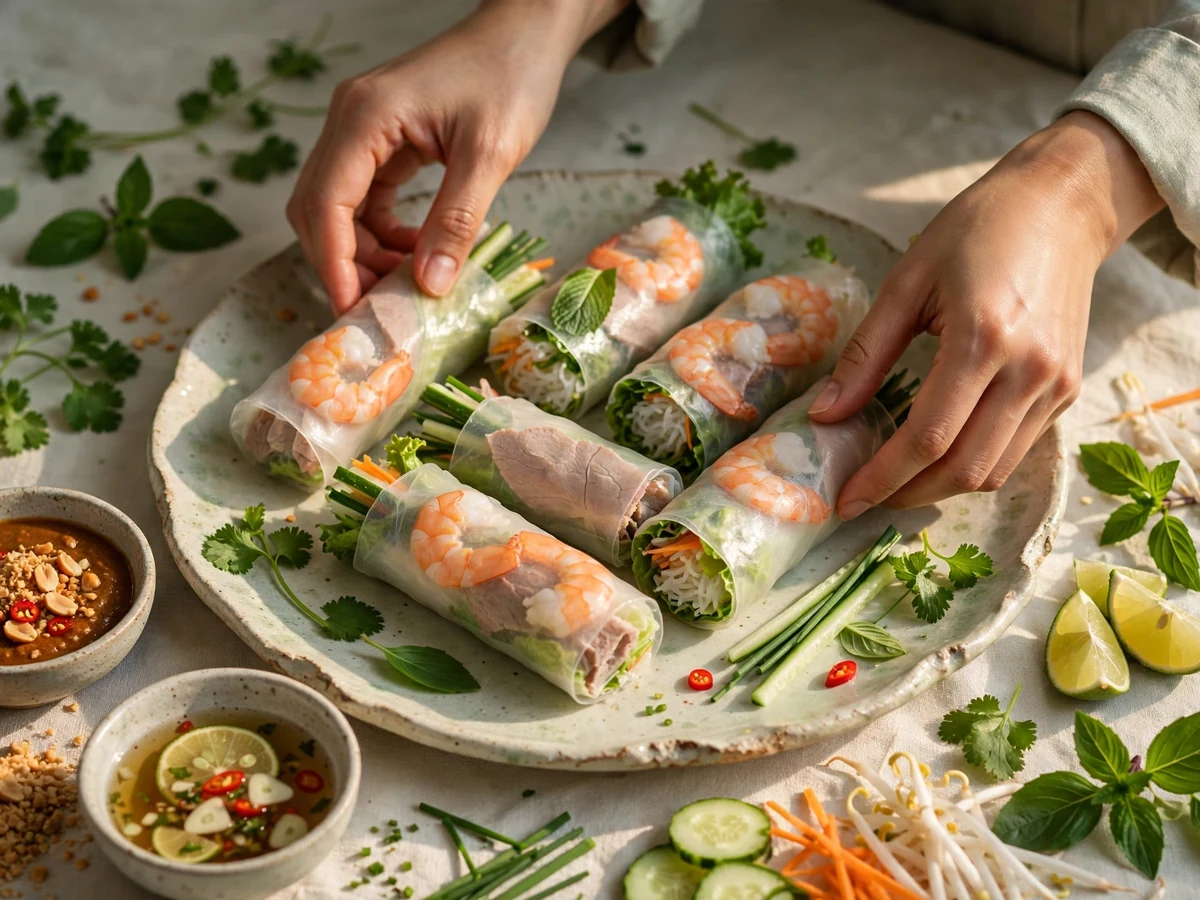
Vietnamese cuisine is built around rice, noodles, herbs, broths, grilling, fresh vegetables and layered dipping sauces, with marked differences from north to central Vietnam and the south. Freshness and contrast are recurring ideas, but each region expresses them differently.
Explore Vietnam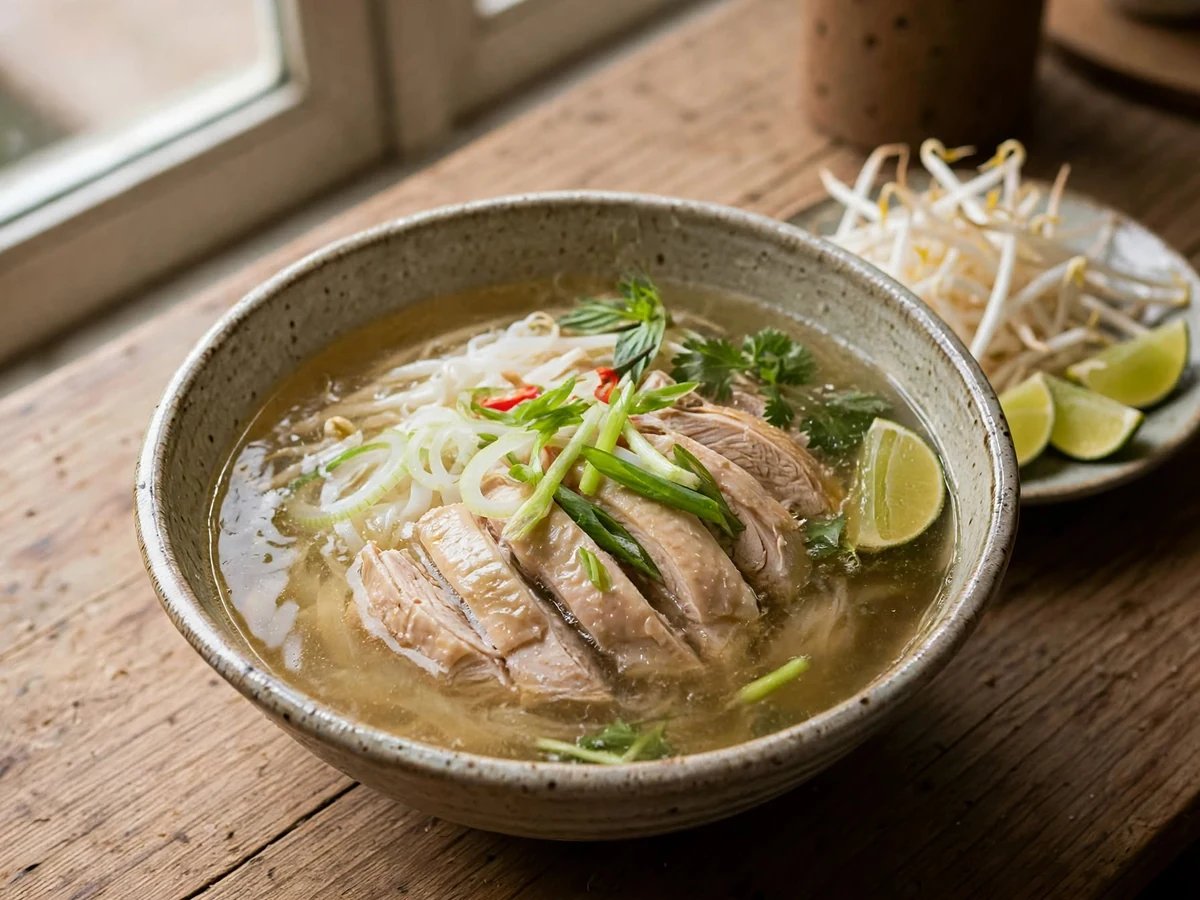
Southern Europe
Greece
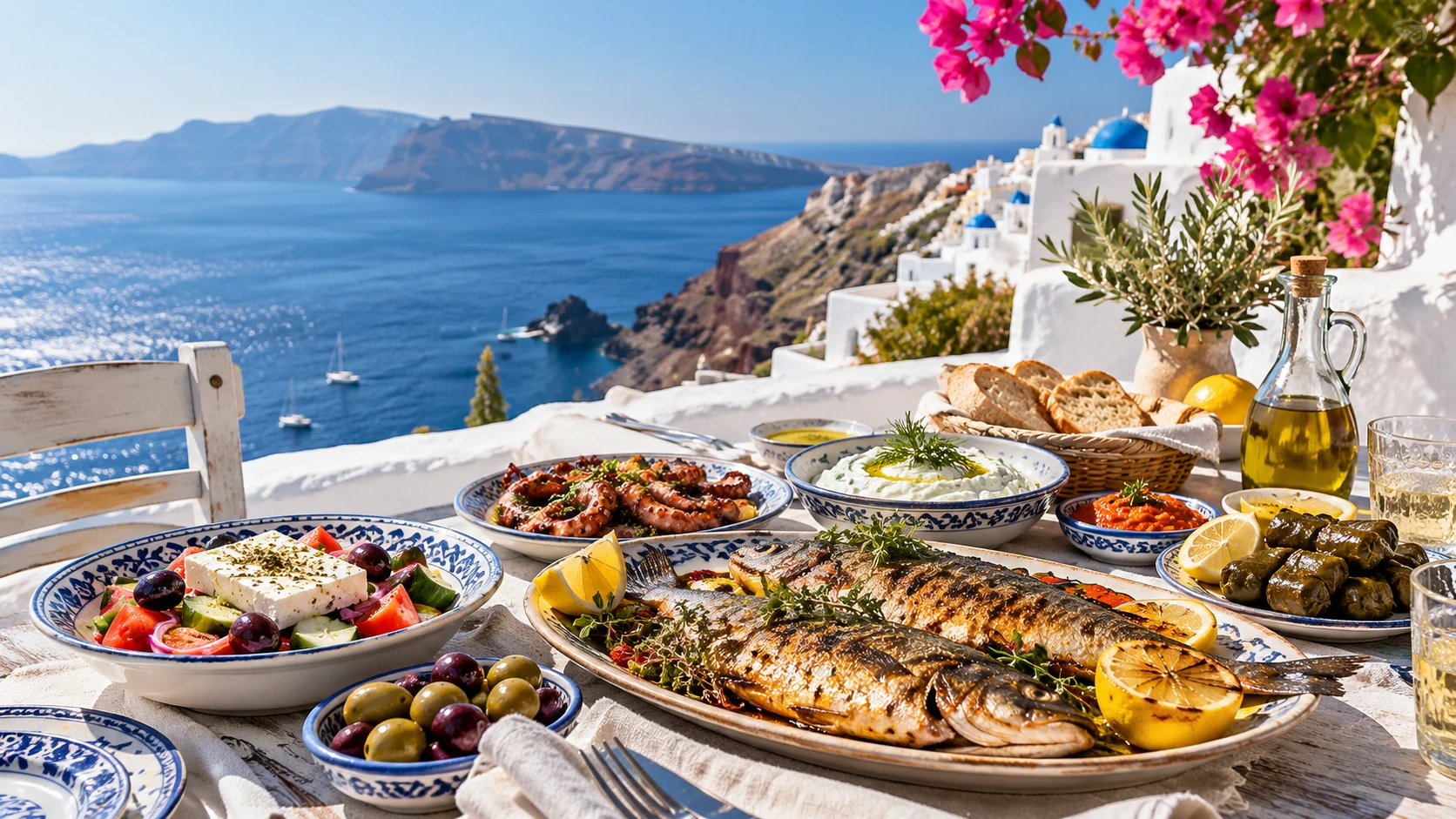
Greek cuisine is an Eastern Mediterranean tradition grounded in olive oil, grains, vegetables, pulses, herbs, dairy, seafood and regional livestock. Mainland, island and mountain communities preserve distinct local identities while sharing a strong culture of hospitality and the communal table.
Explore Greece
Latin America & Caribbean
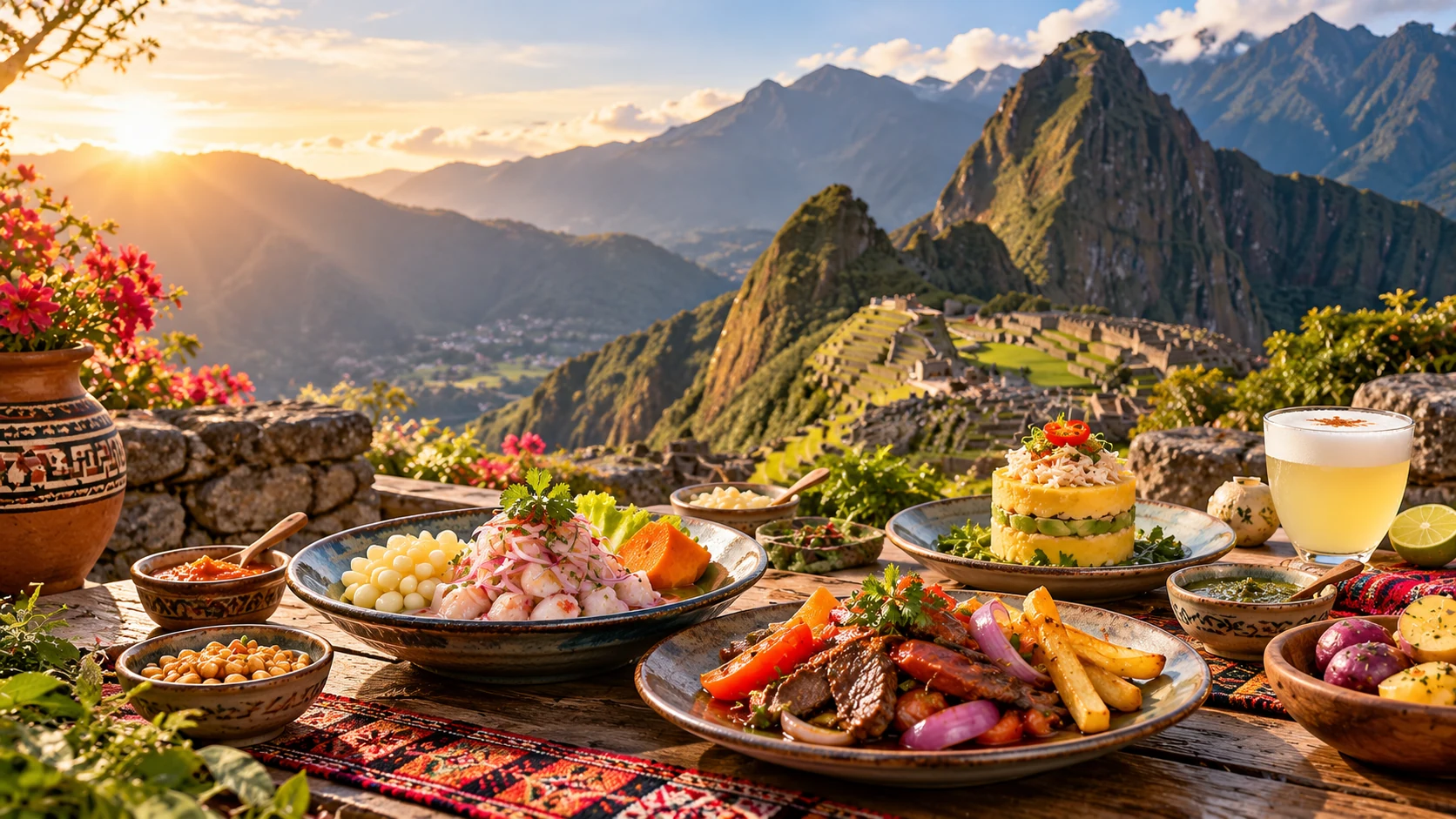
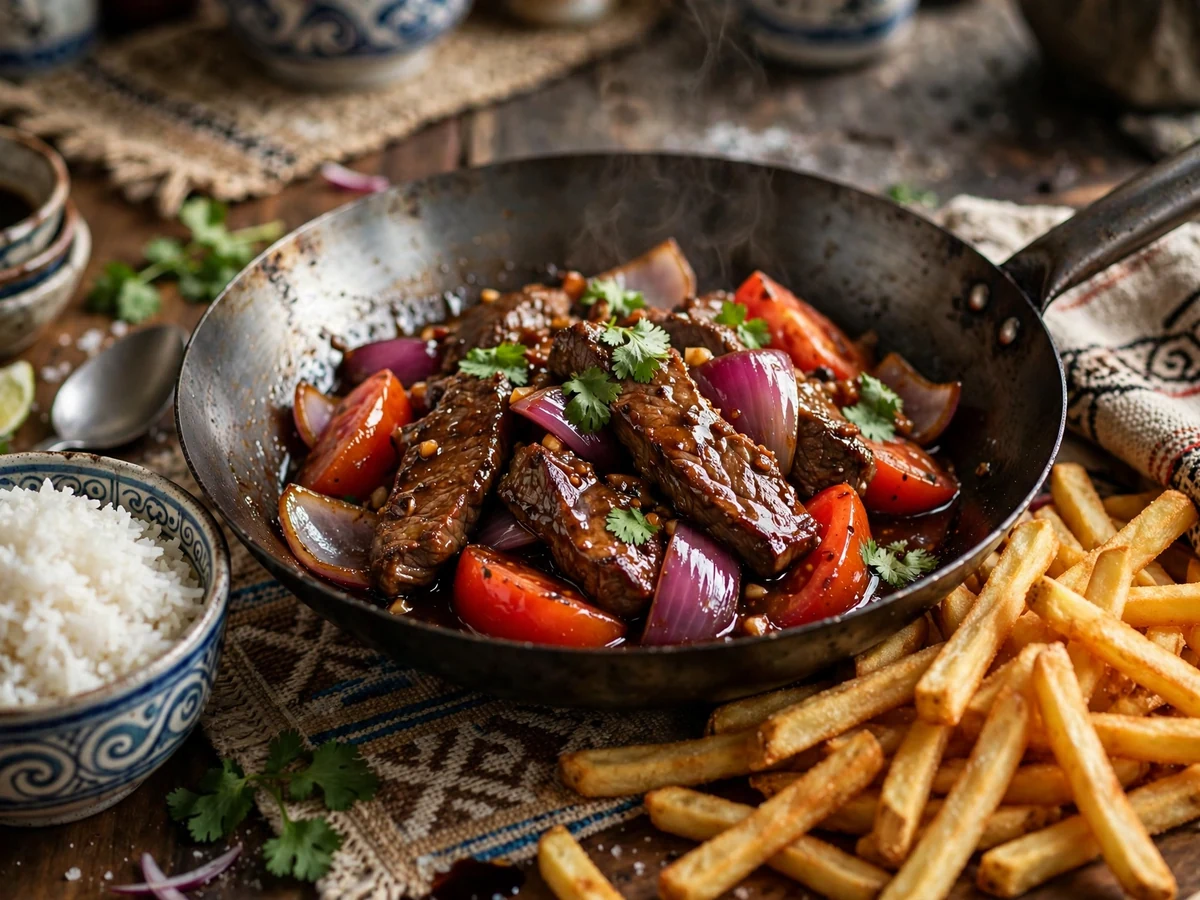
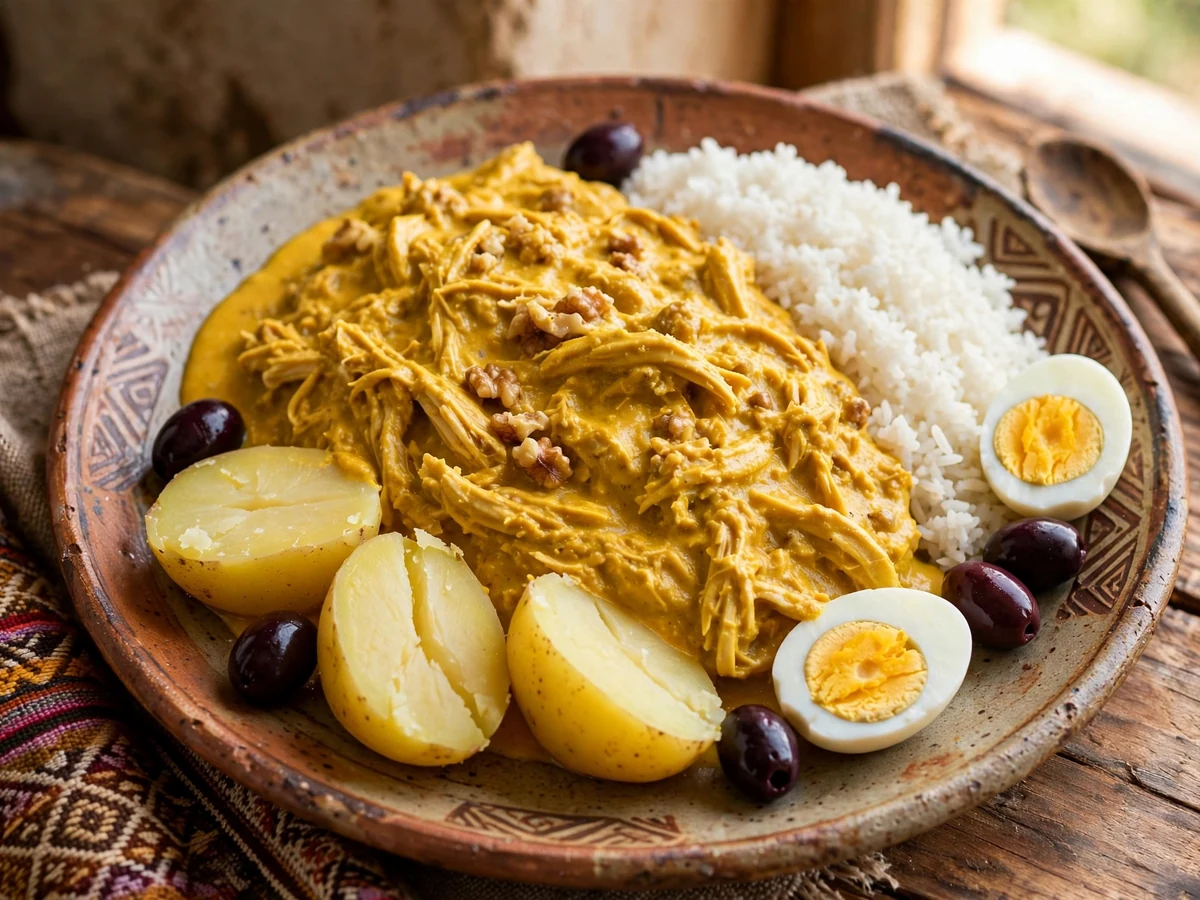
Peru
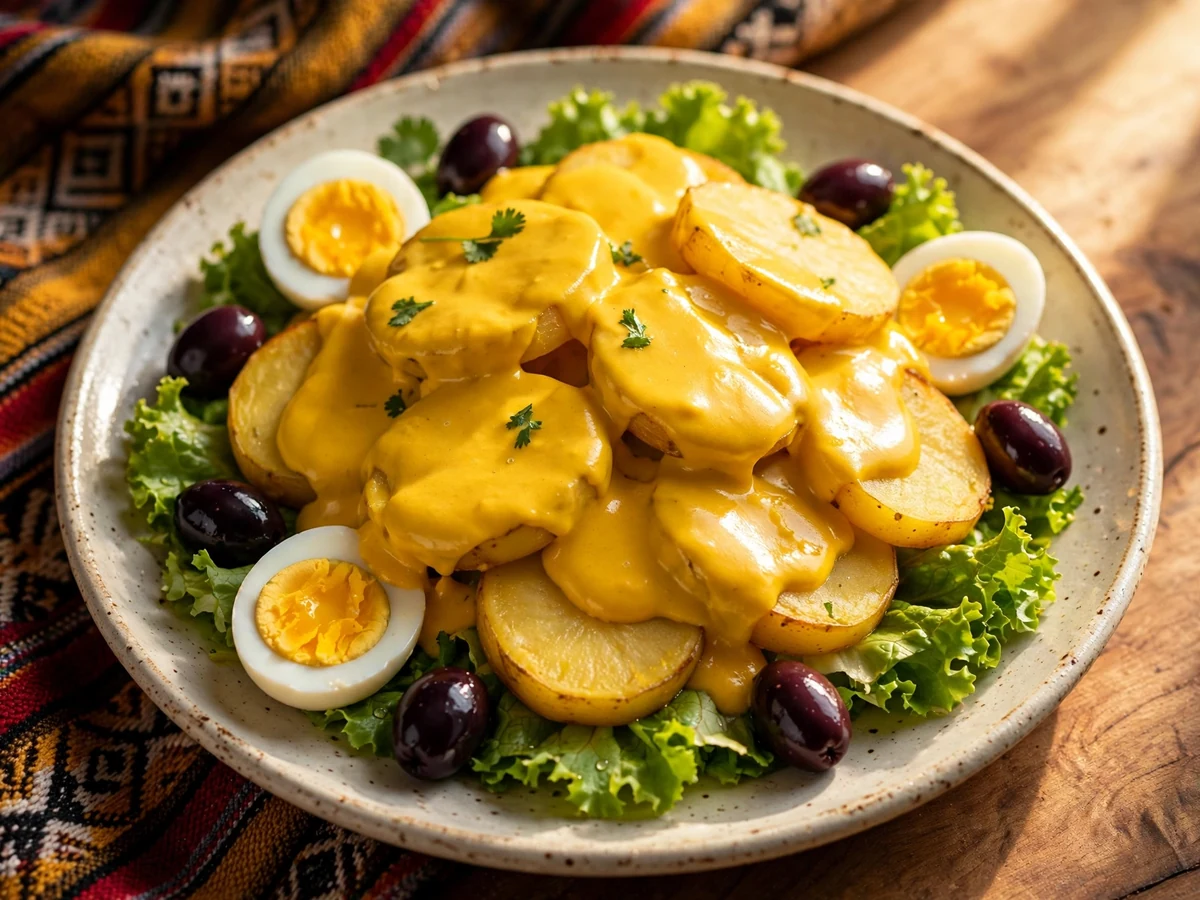
Peruvian cuisine reflects extraordinary ecological diversity across the Pacific coast, Andes and Amazon, together with Indigenous foodways and later African, European and Asian influences. Potatoes, maize, ají peppers, seafood and regional produce connect distinct local traditions rather than forming a single uniform cuisine.
Explore Peru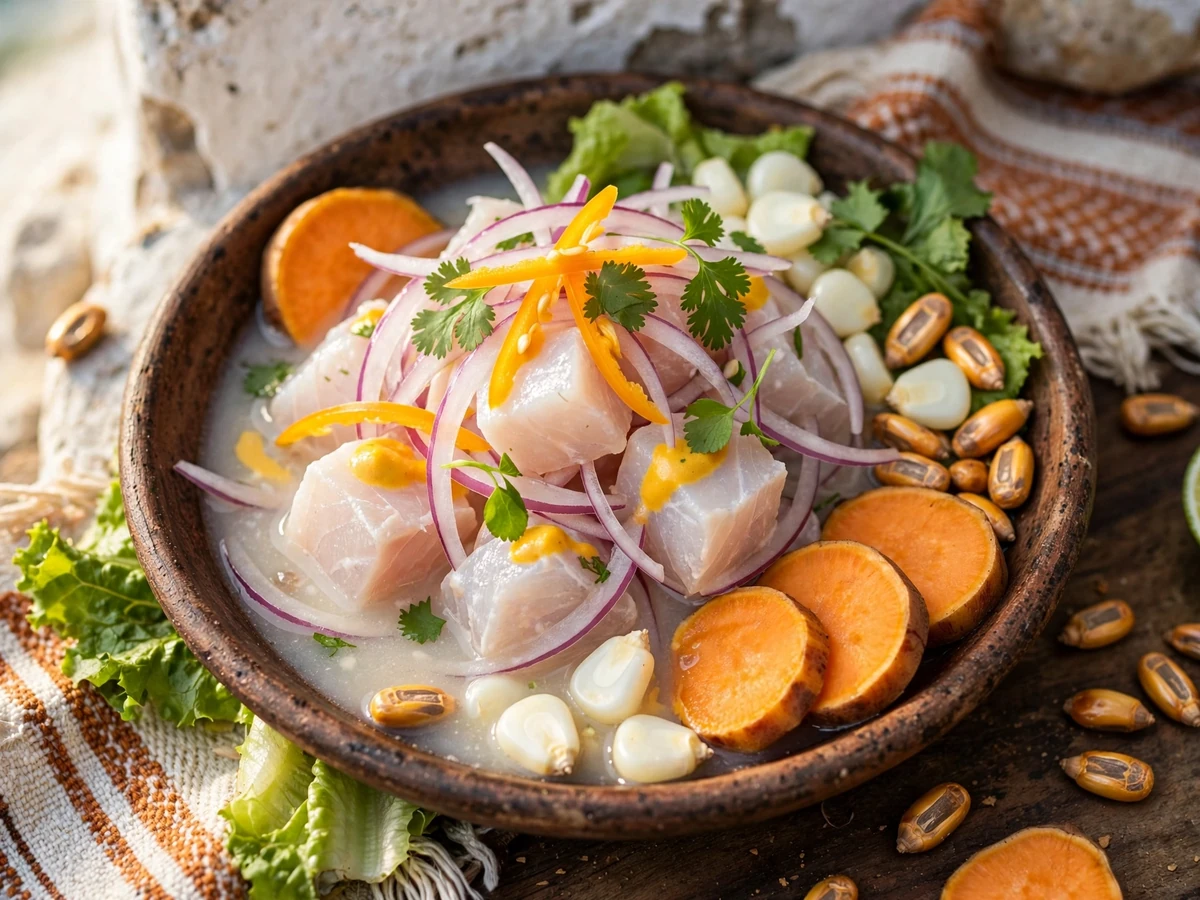
East Asia
South Korea
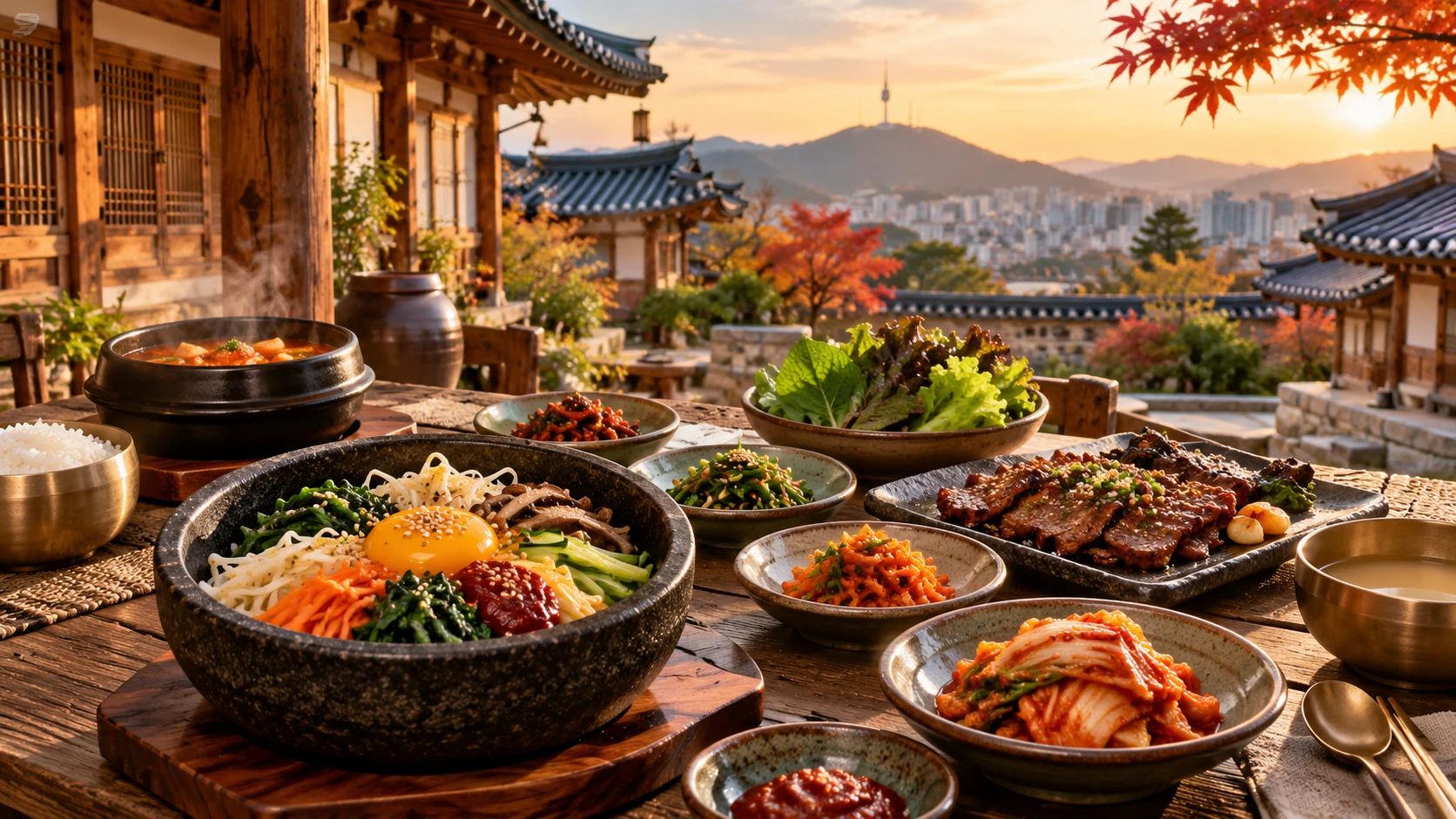
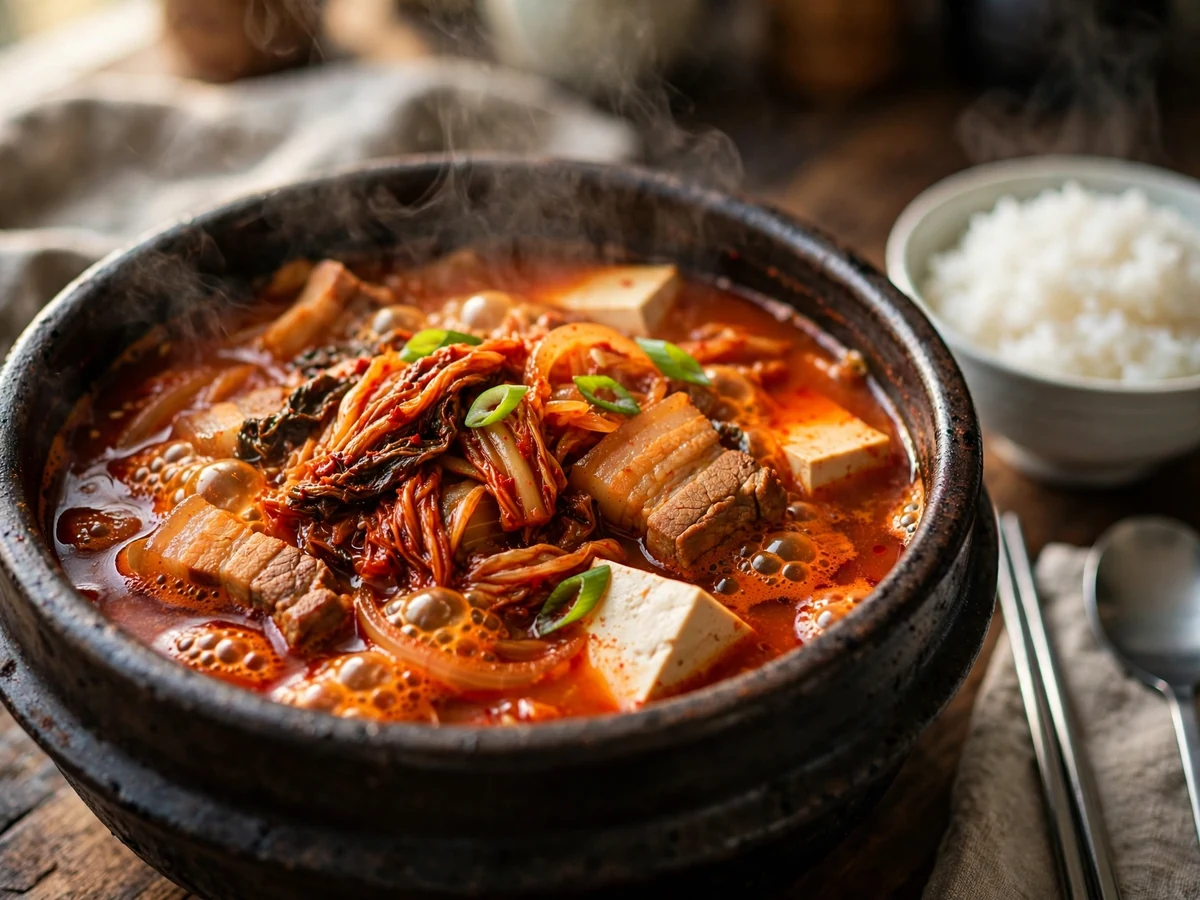
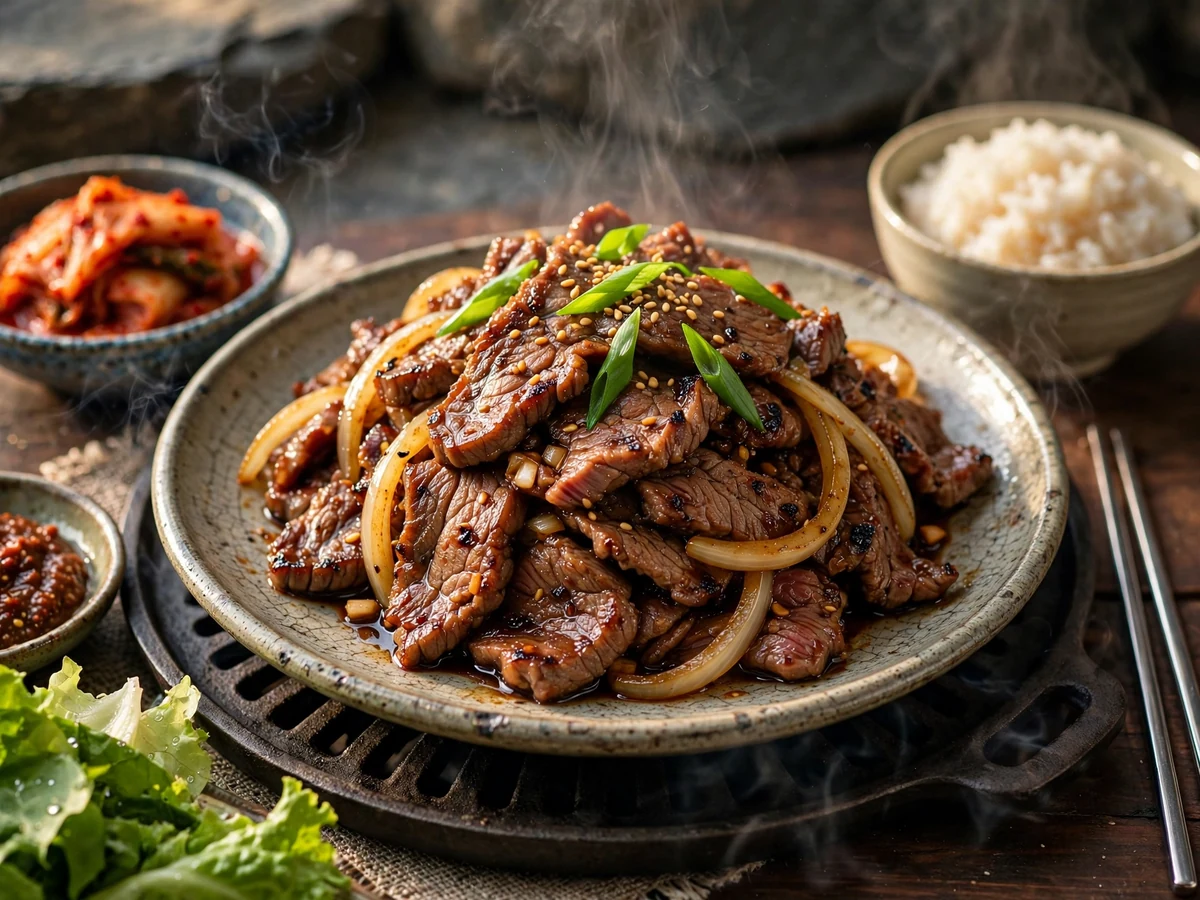
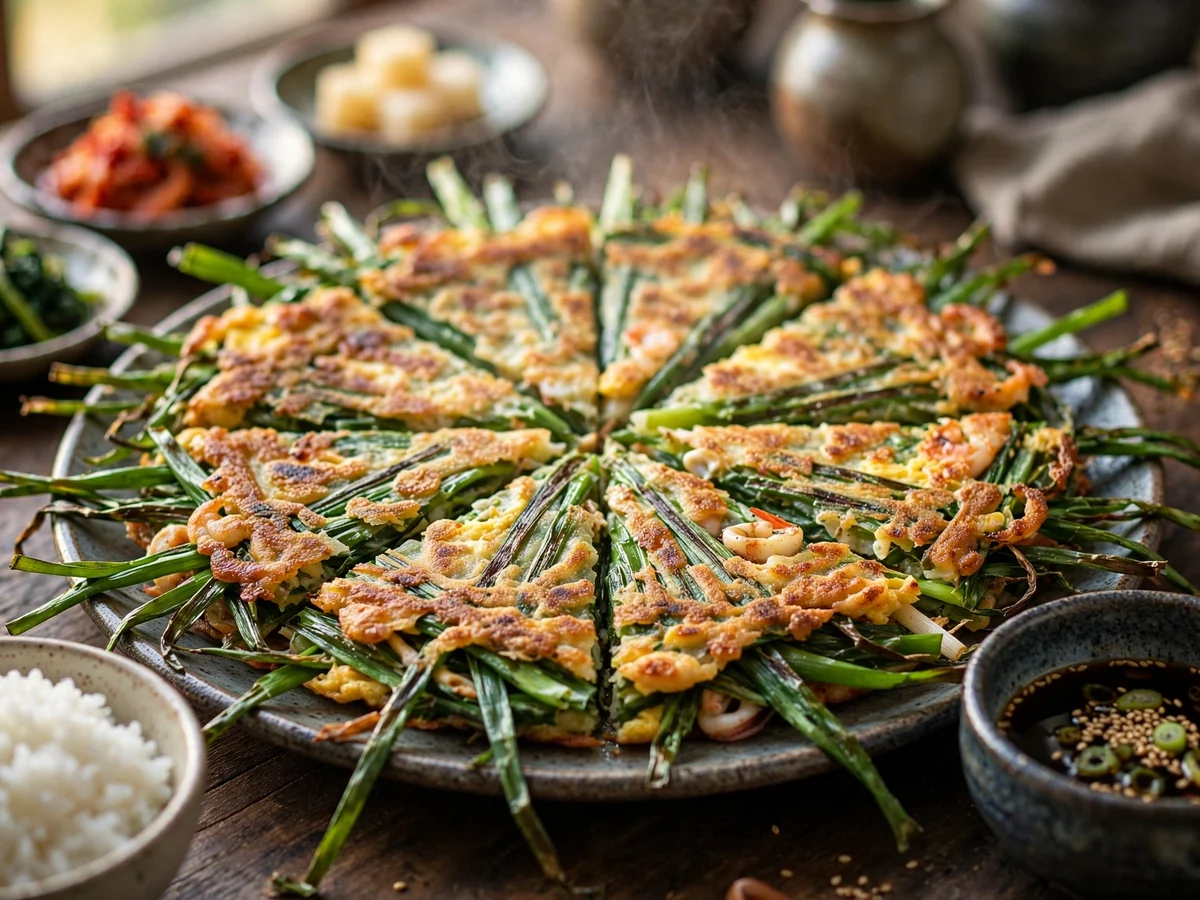
Korean cuisine is built around rice, soups and stews, vegetables, fermented foods, seasoned pastes and shared side dishes. Fermentation traditions such as kimjang and jang-making connect everyday cooking with seasonality, preservation, family knowledge and community practice.
Explore South Korea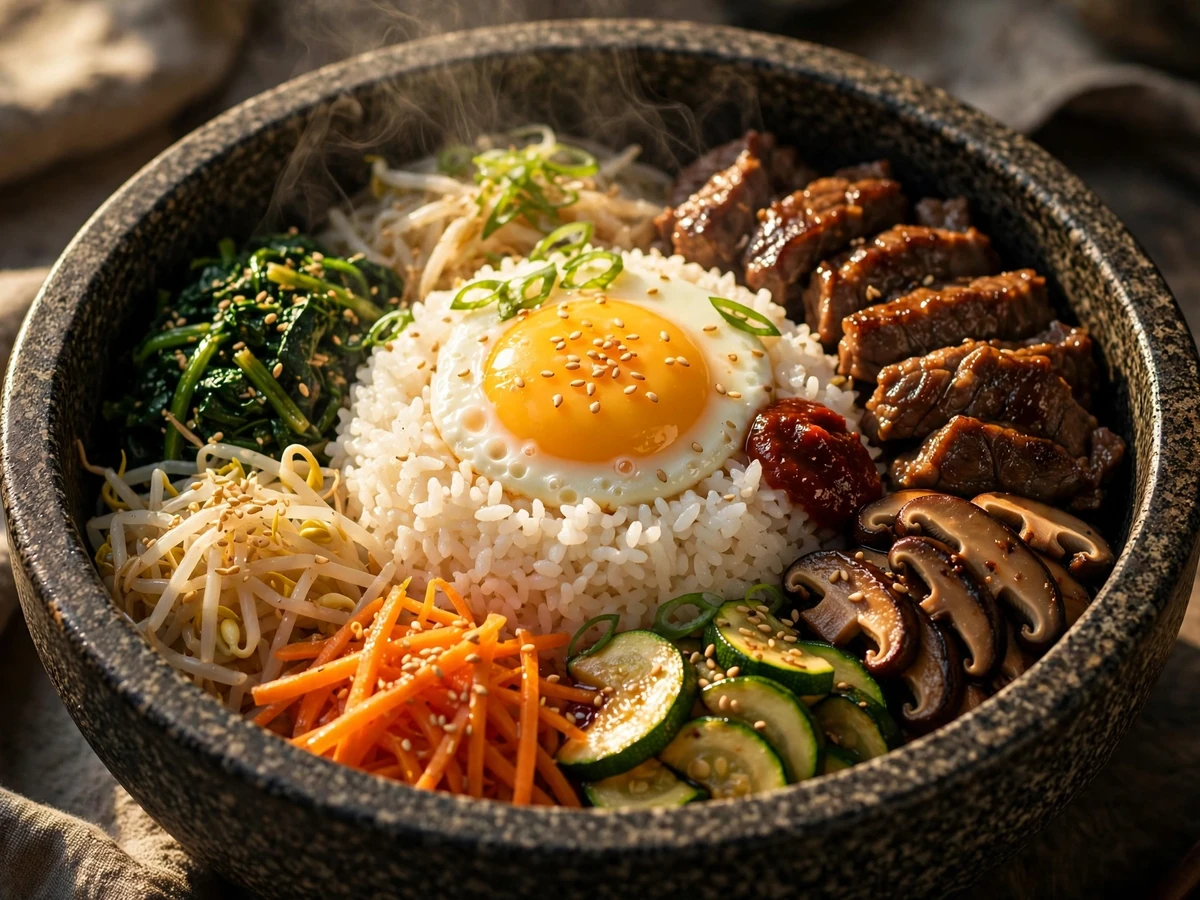
West Asia
Türkiye
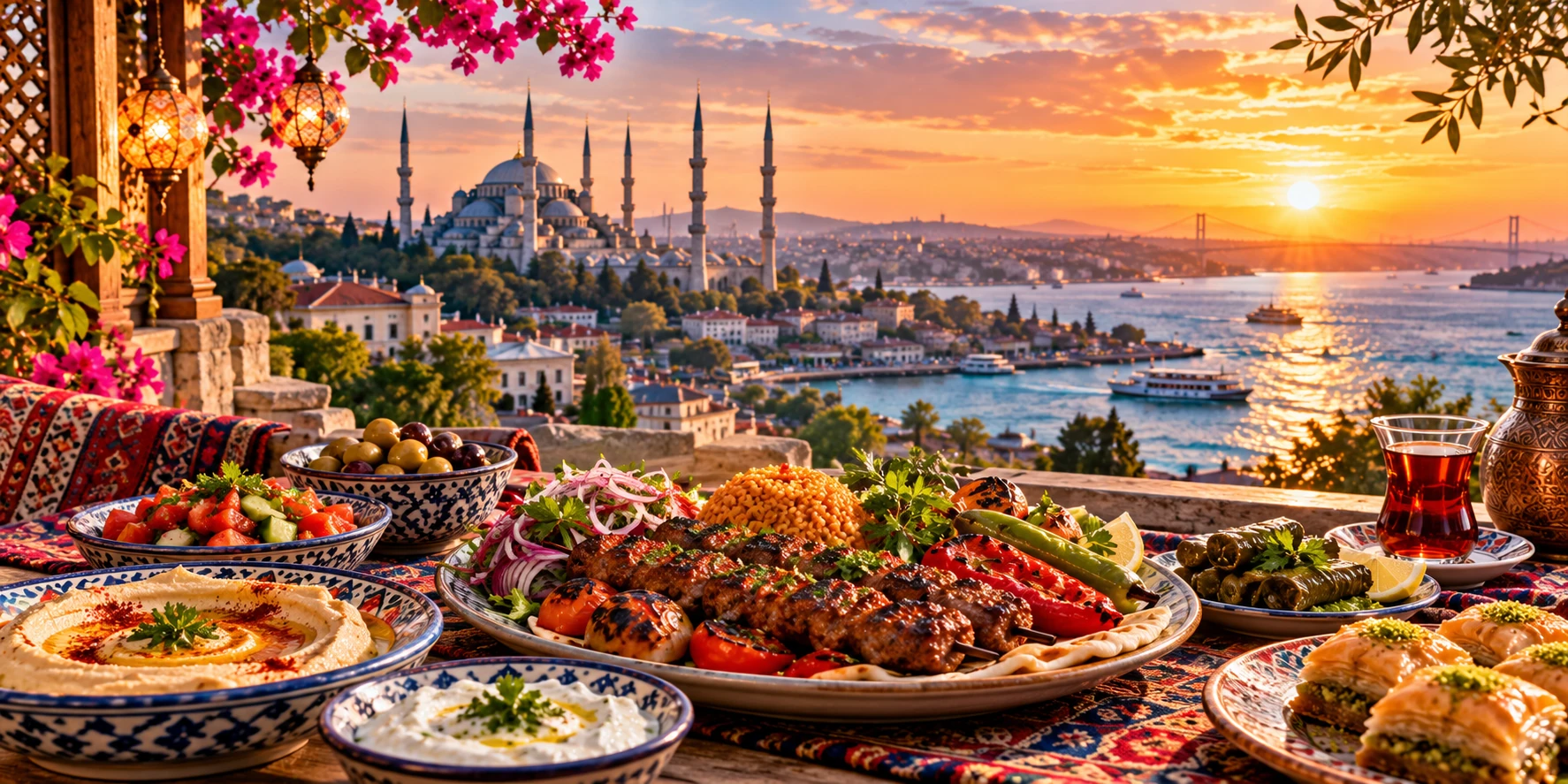
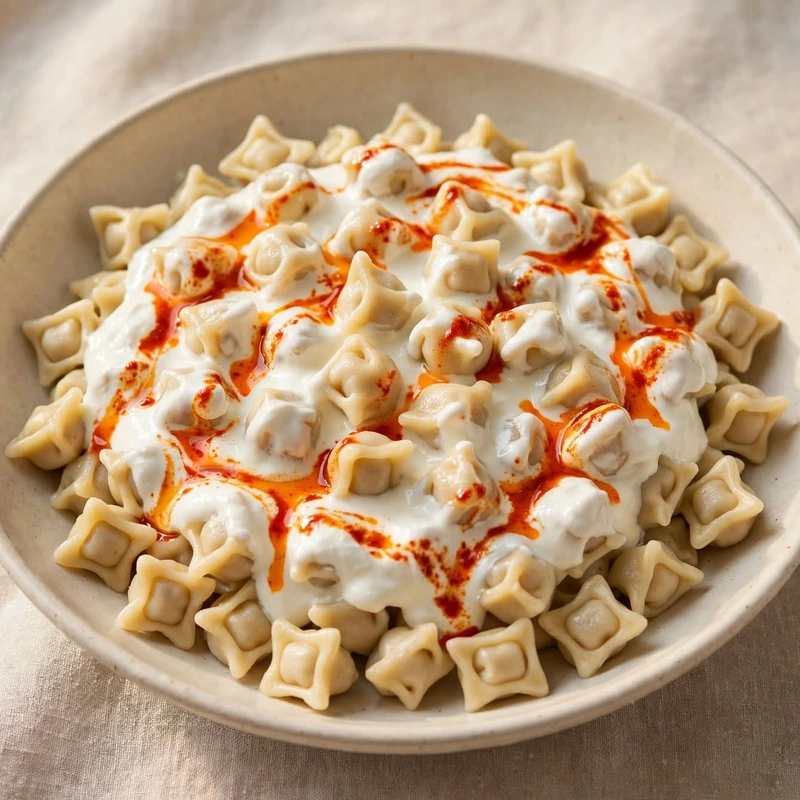
Turkish cuisine spans Anatolia and the Eastern Mediterranean, bringing together grains, yoghurt, olive oil, vegetables, pulses, dumplings, breads, soups and regional meat traditions. Everyday tables are shaped by seasonality, preservation, shared breakfasts and deeply regional cooking.
Explore Türkiye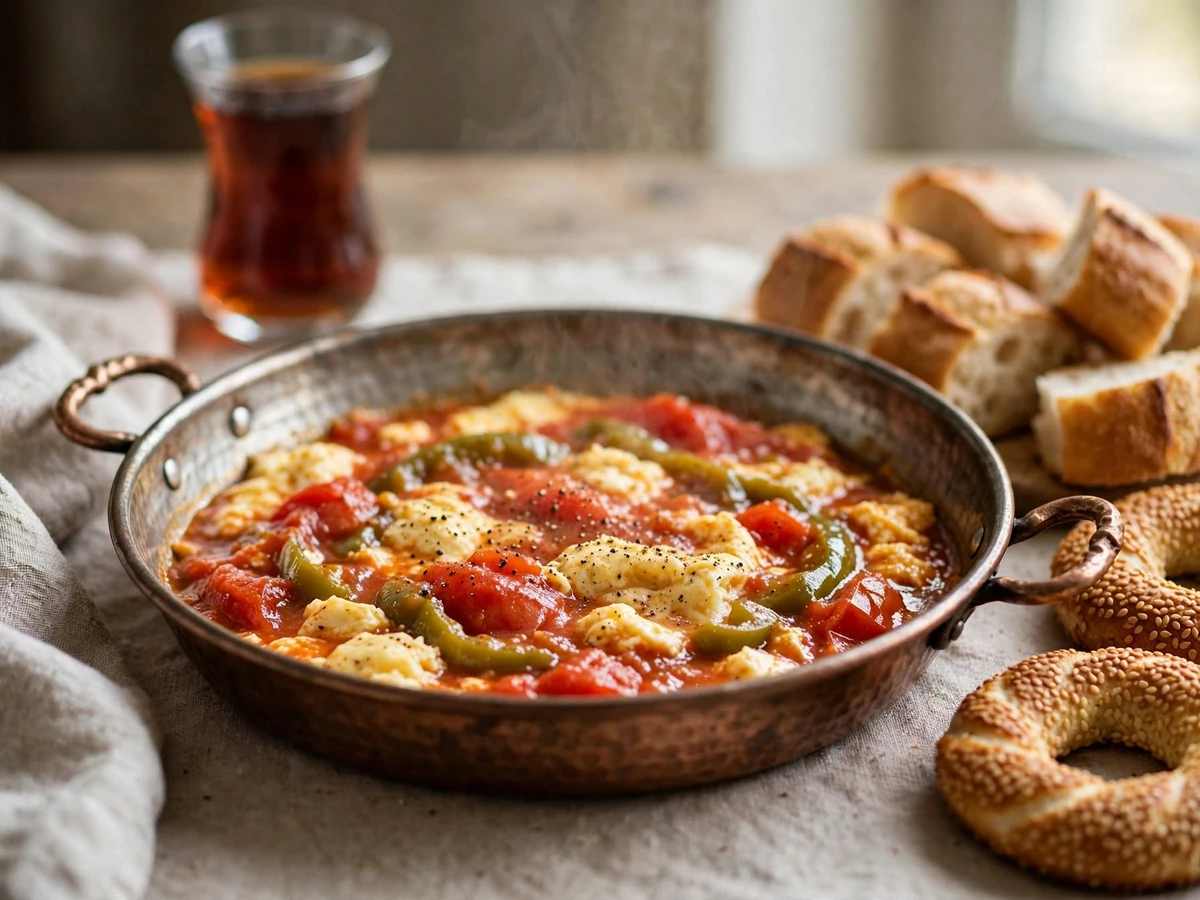
East Africa
Ethiopia
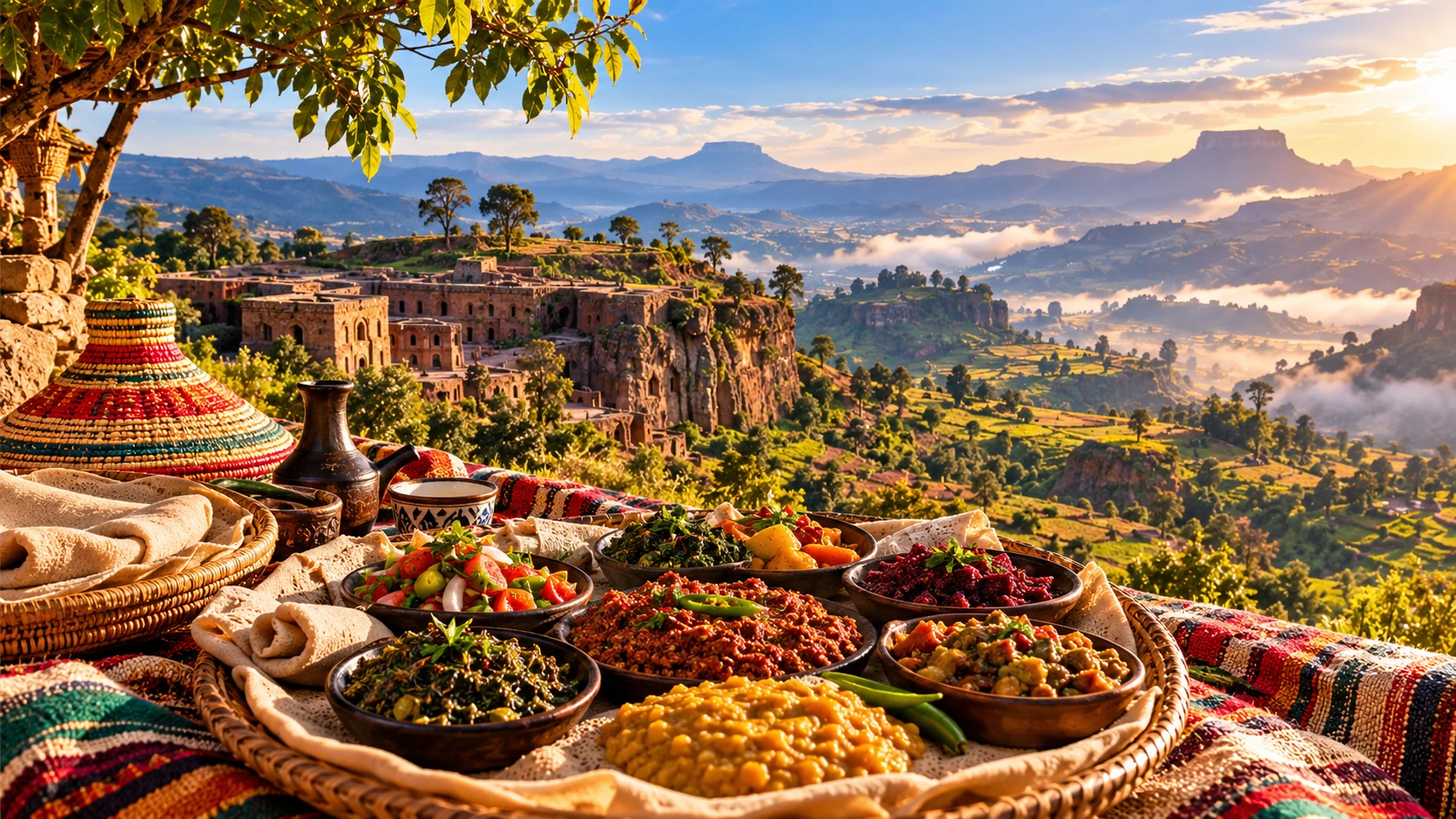
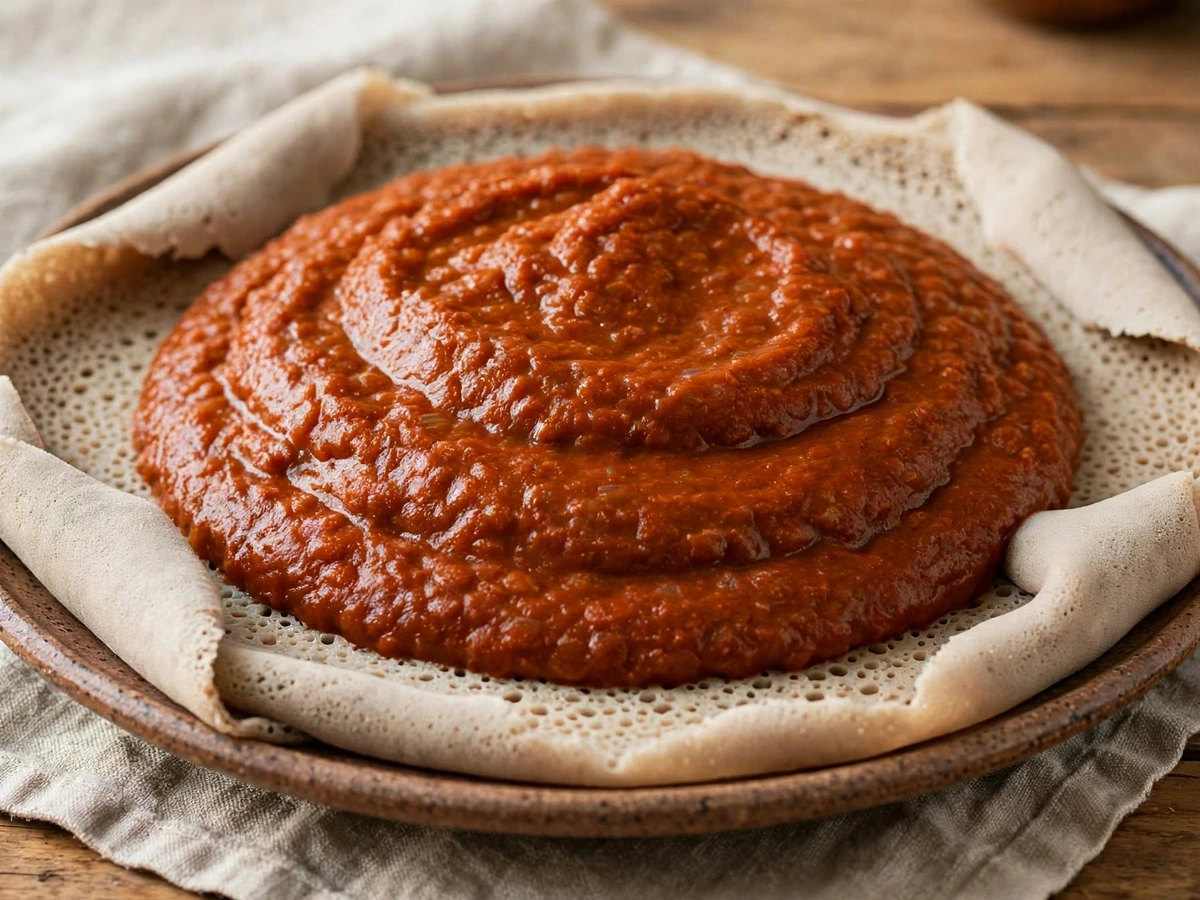
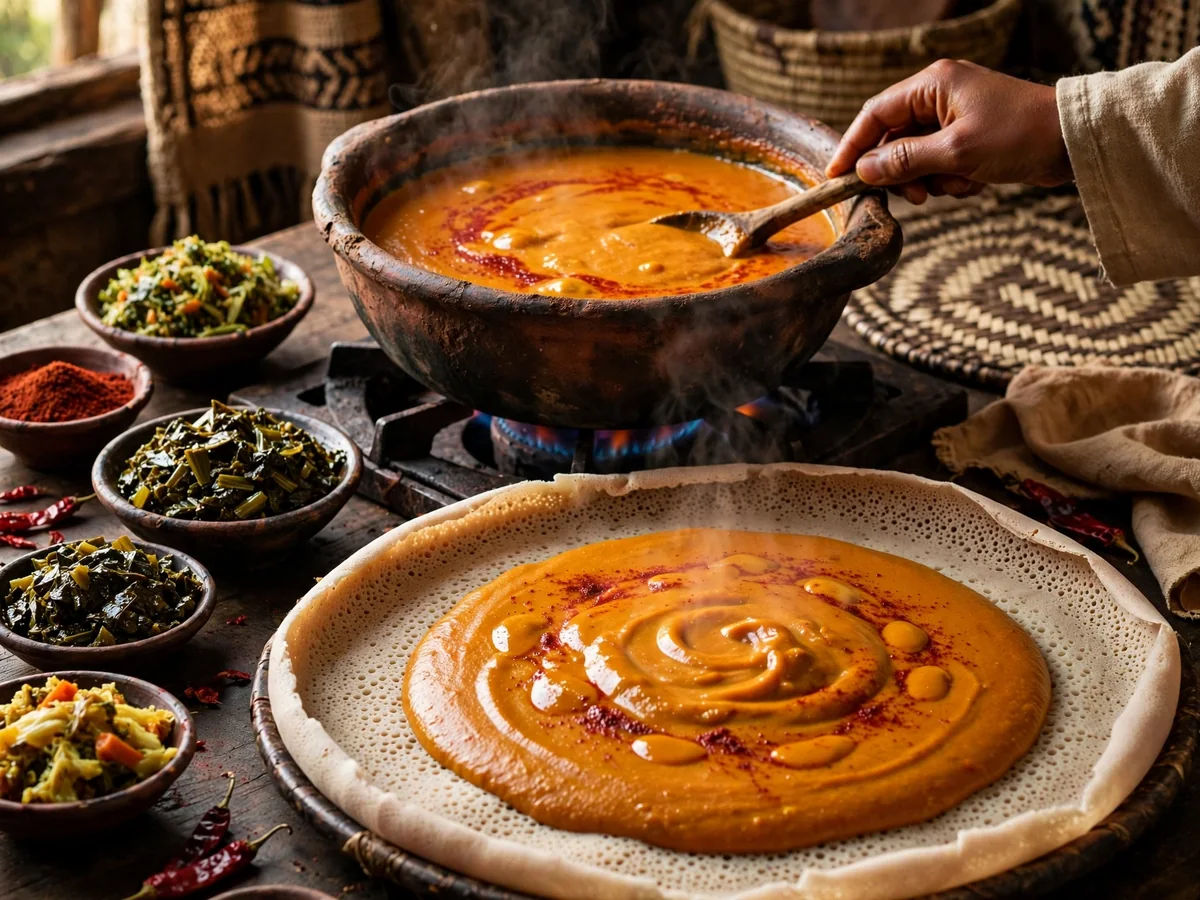
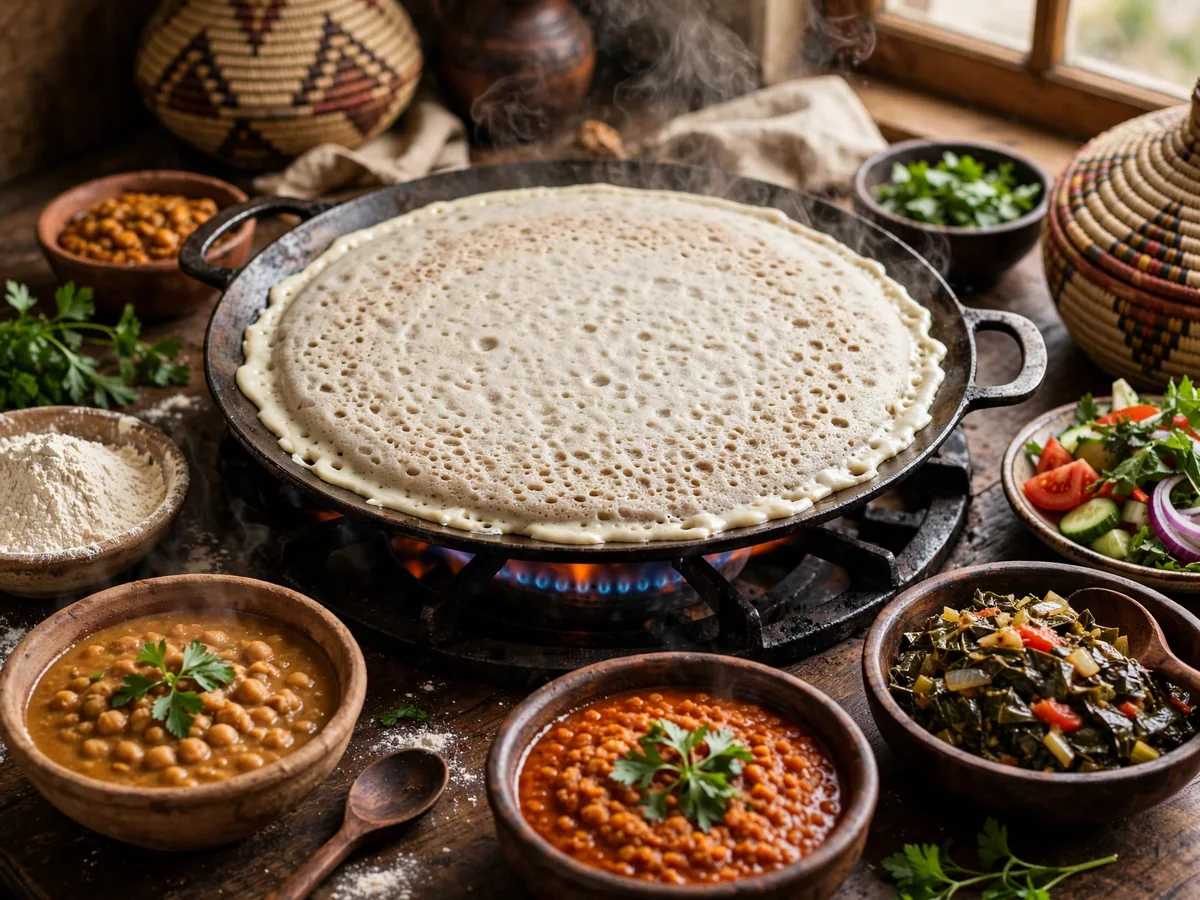
Ethiopian food traditions centre many meals on injera accompanied by richly seasoned wot and pulse dishes. Grain fermentation, legumes, spices and communal serving create a food system in which bread is also the shared surface of the meal.
Explore Ethiopia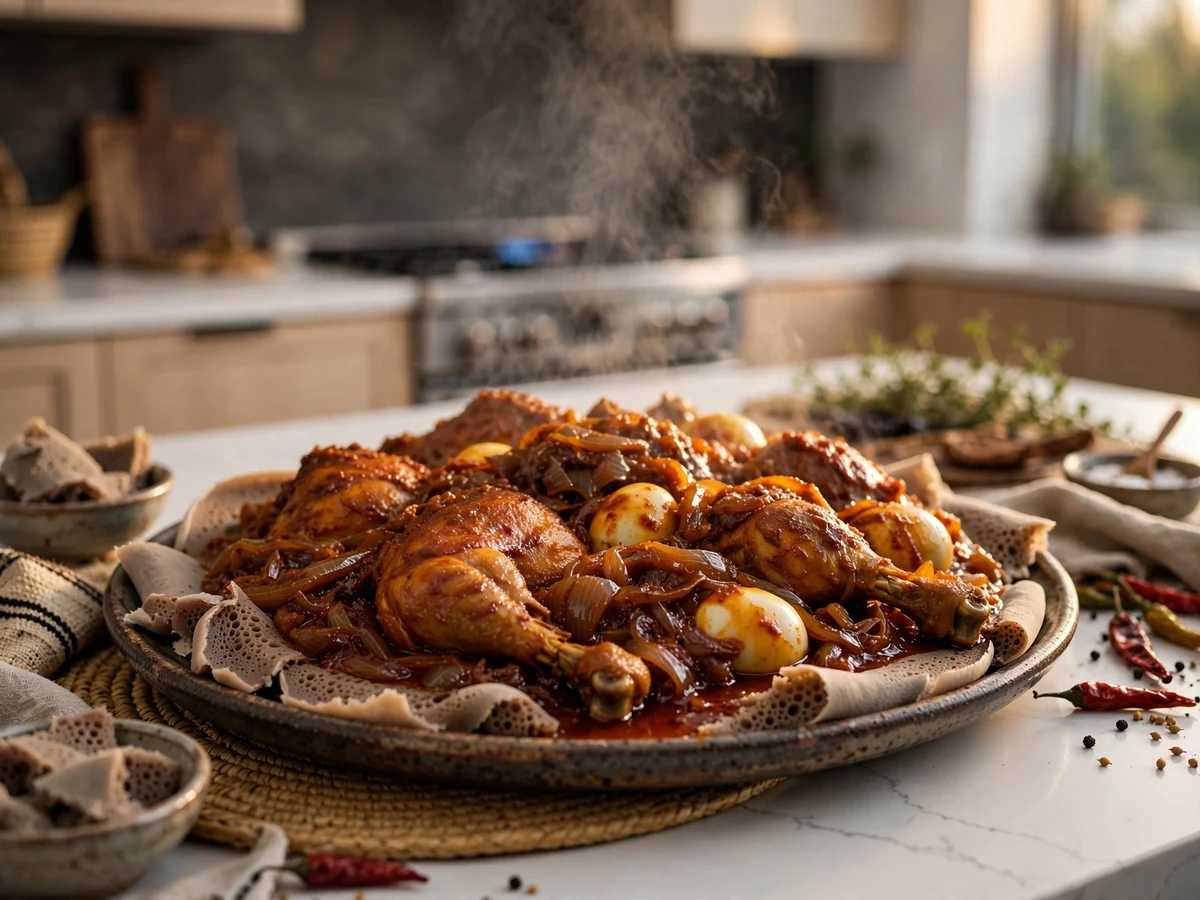
East Asia
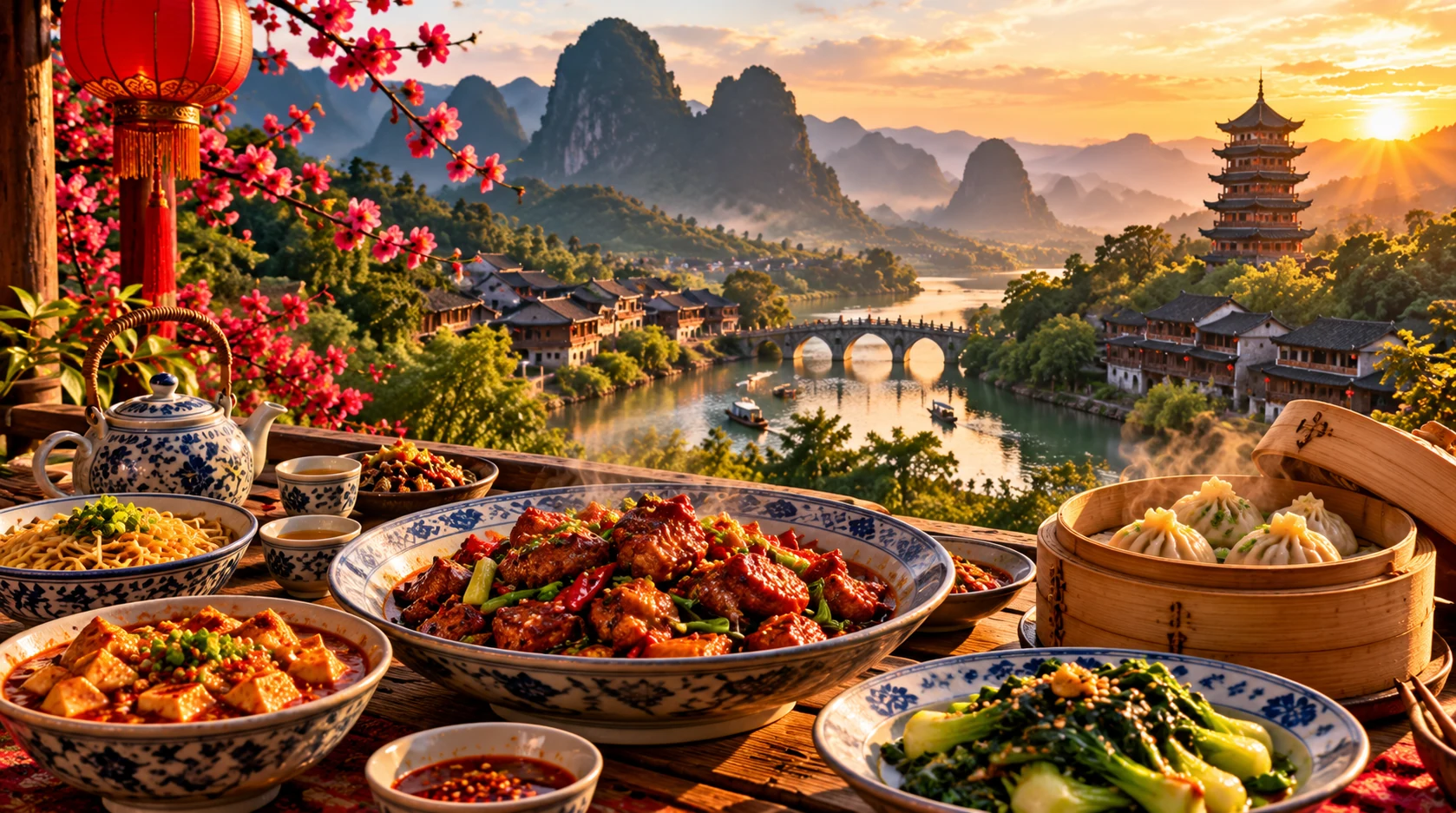
China
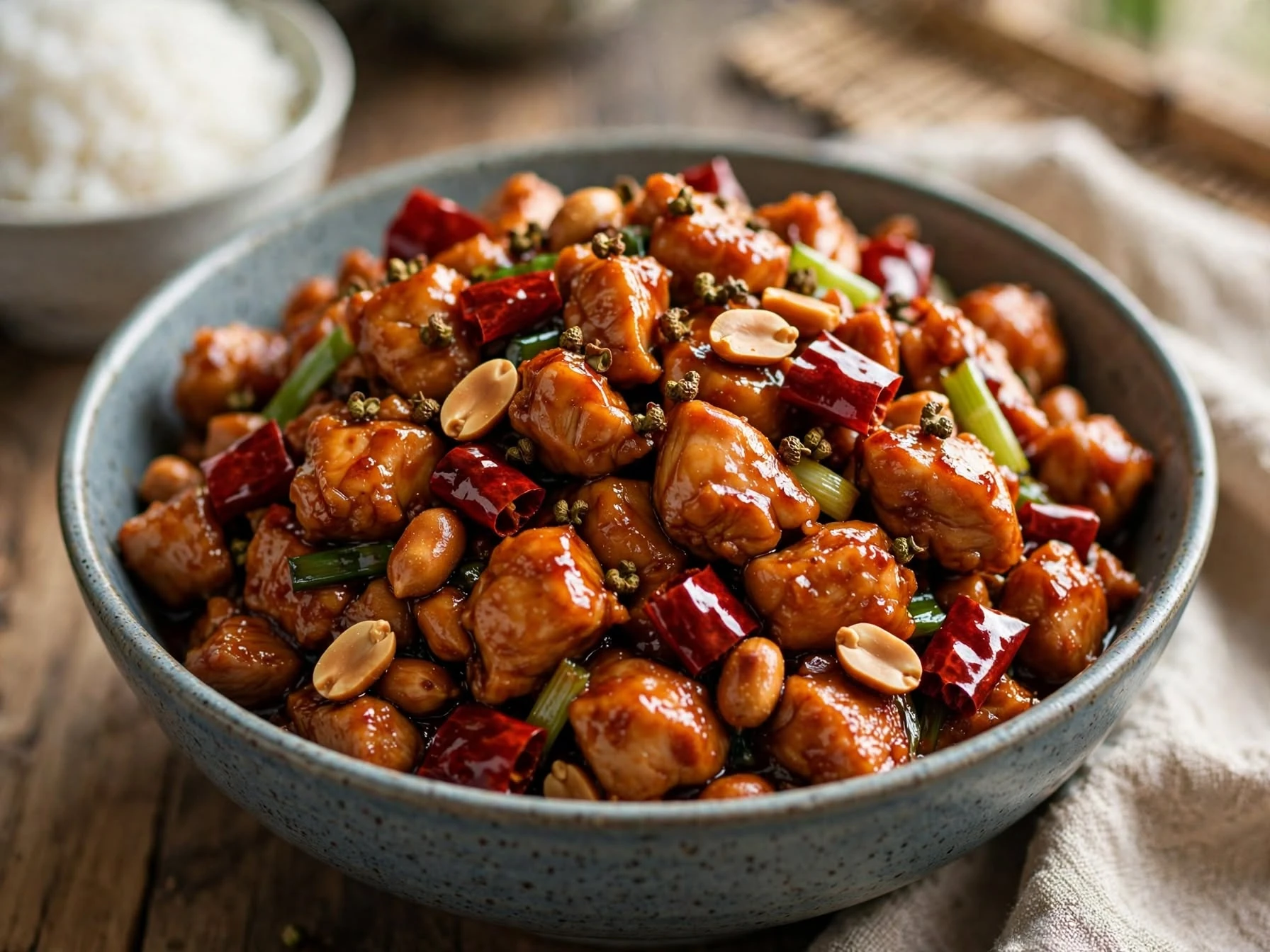
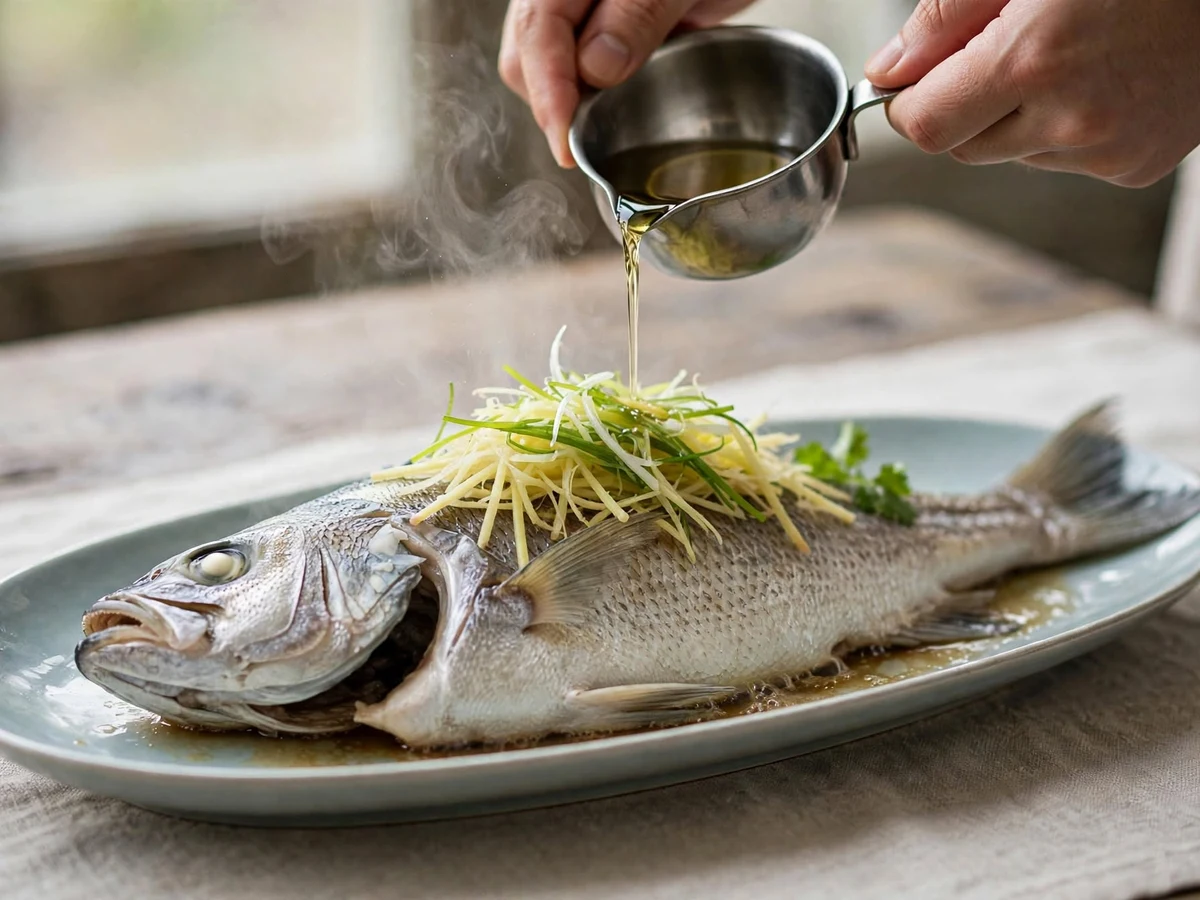
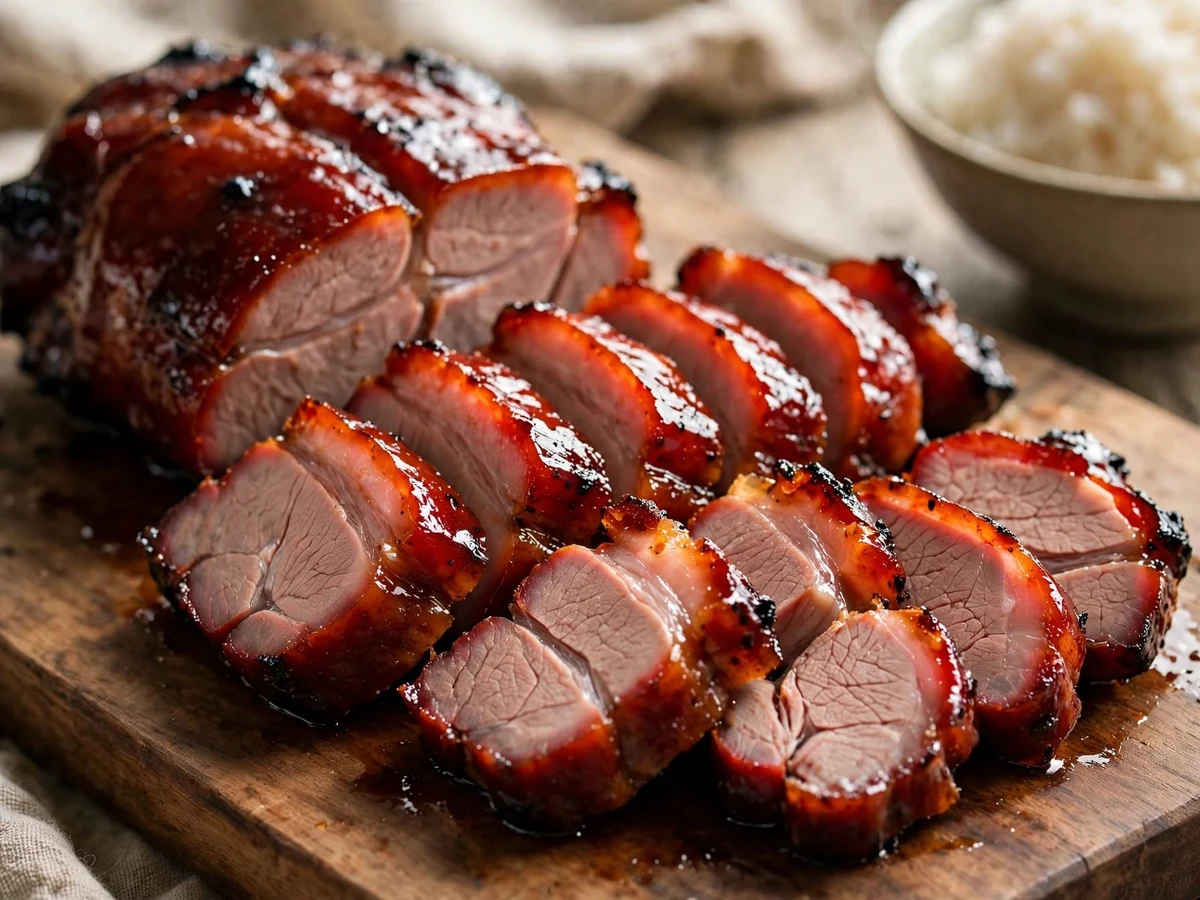
Chinese food traditions are regional rather than singular. Sichuan, Cantonese, Shandong, Jiangsu and other culinary systems developed distinct ingredients, techniques and flavor structures shaped by geography, history and local foodways.
Explore China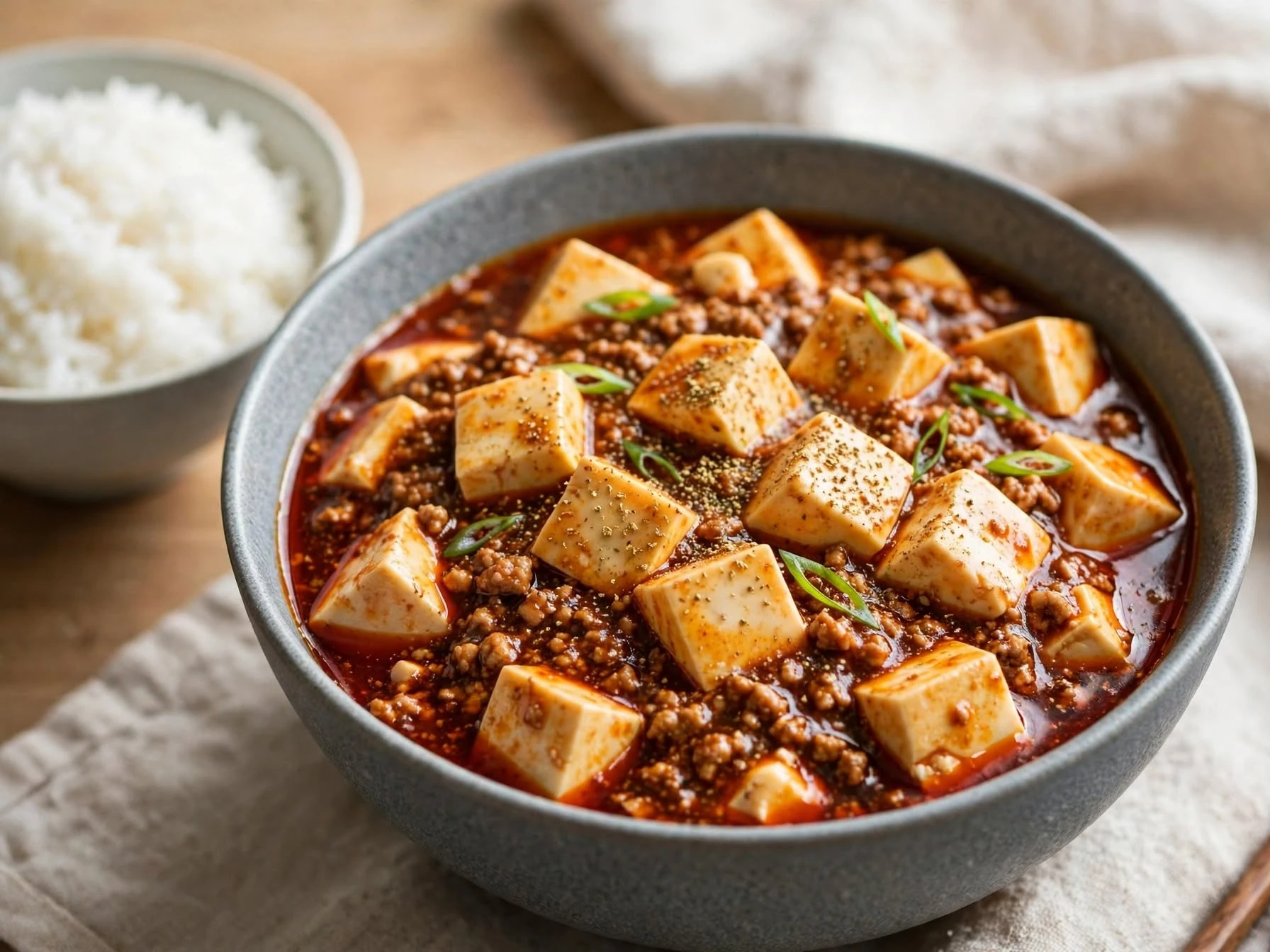
Southeast Asia
Indonesia
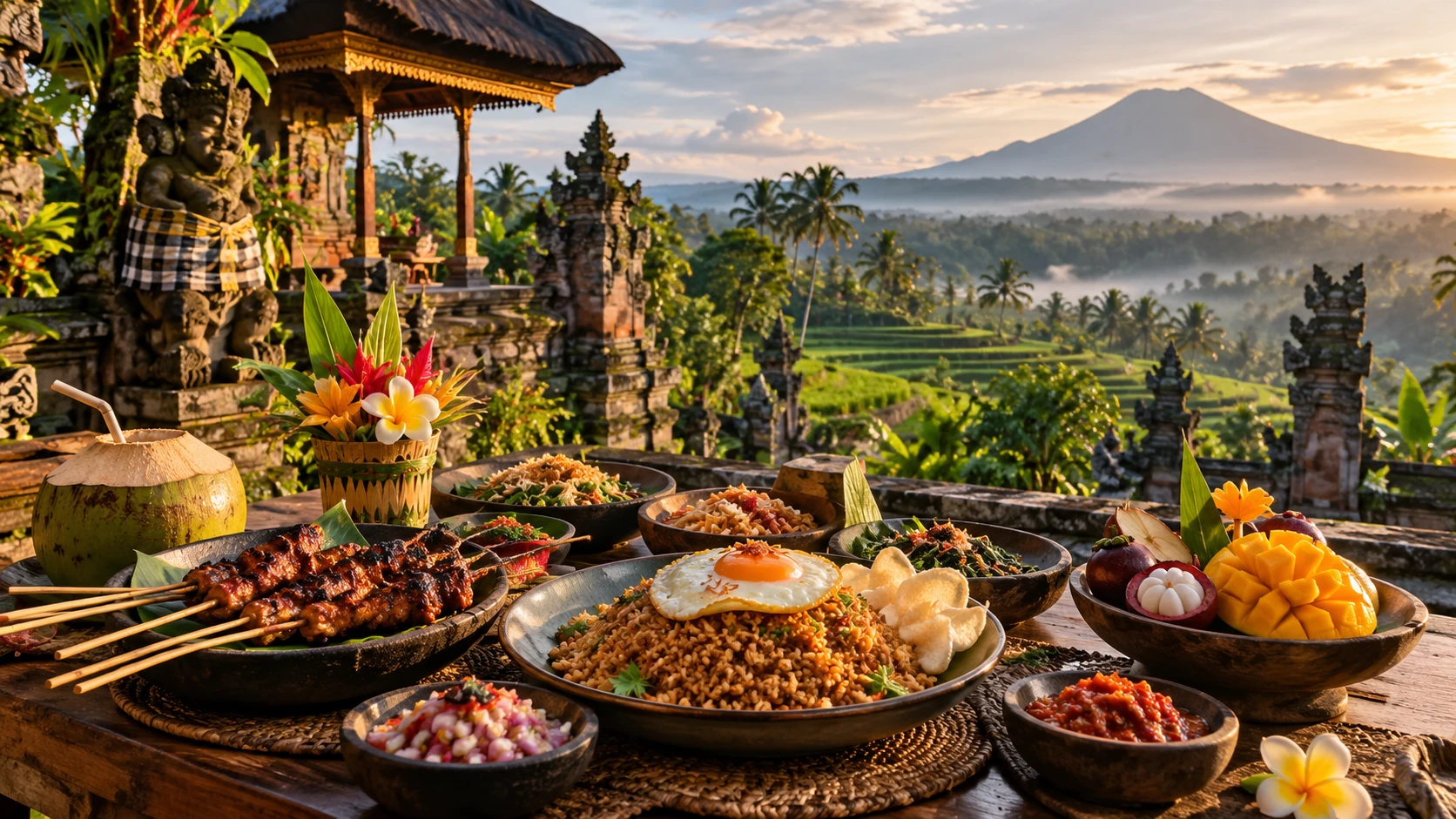
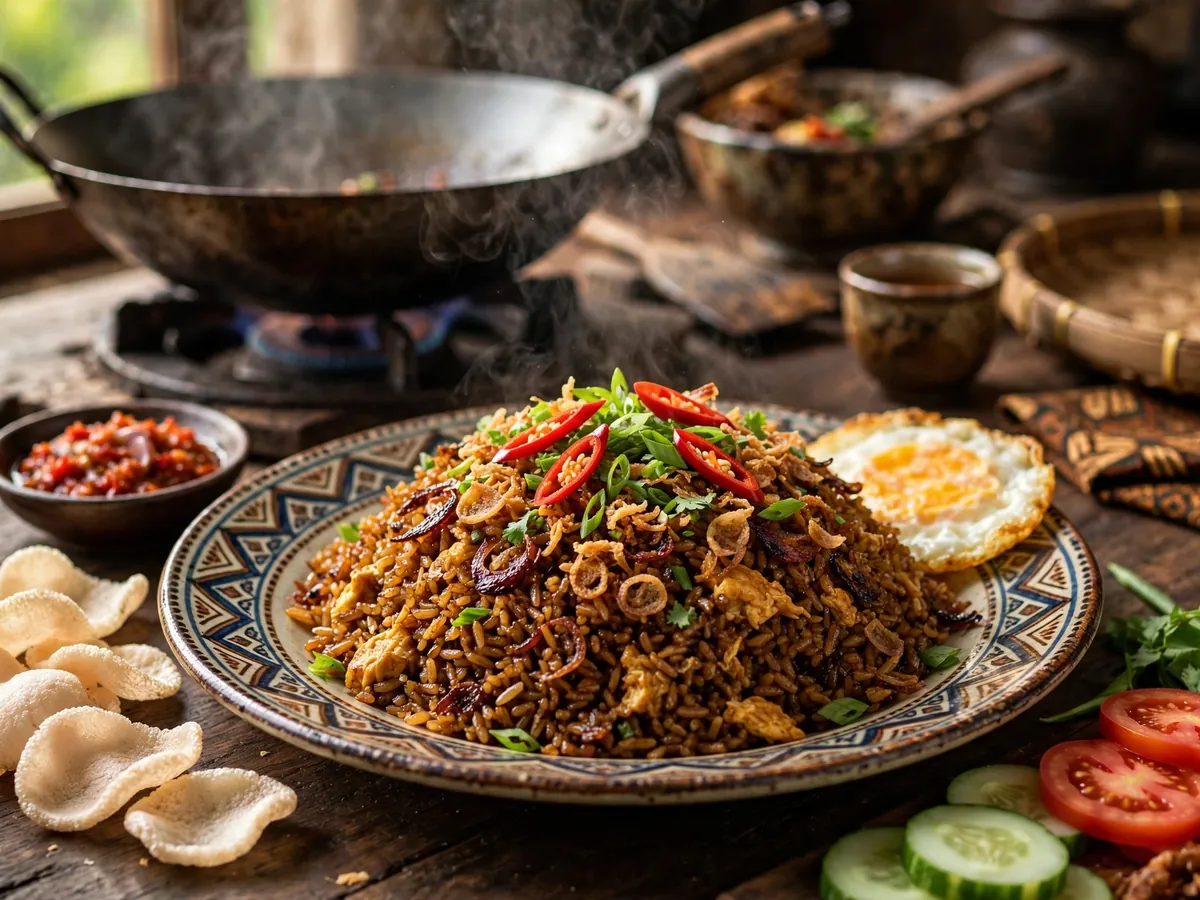
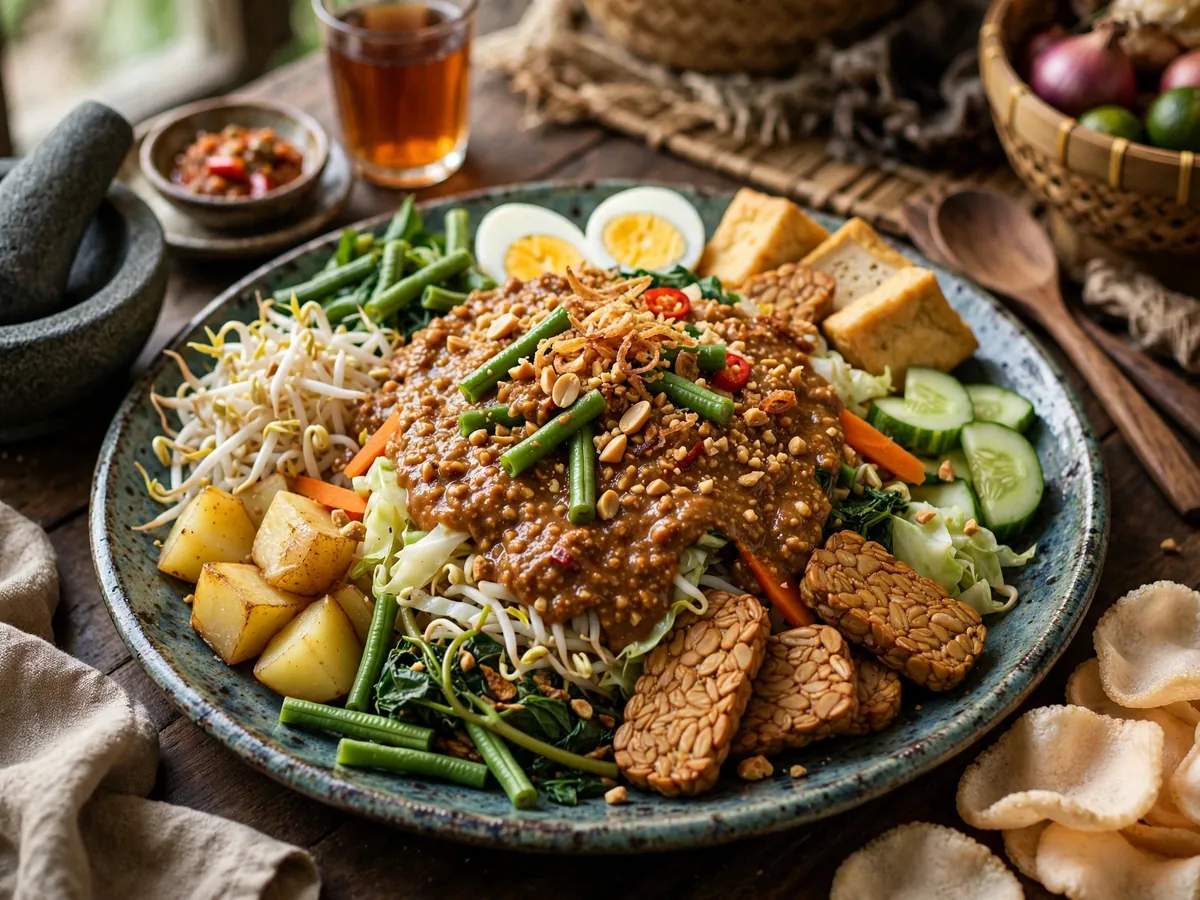
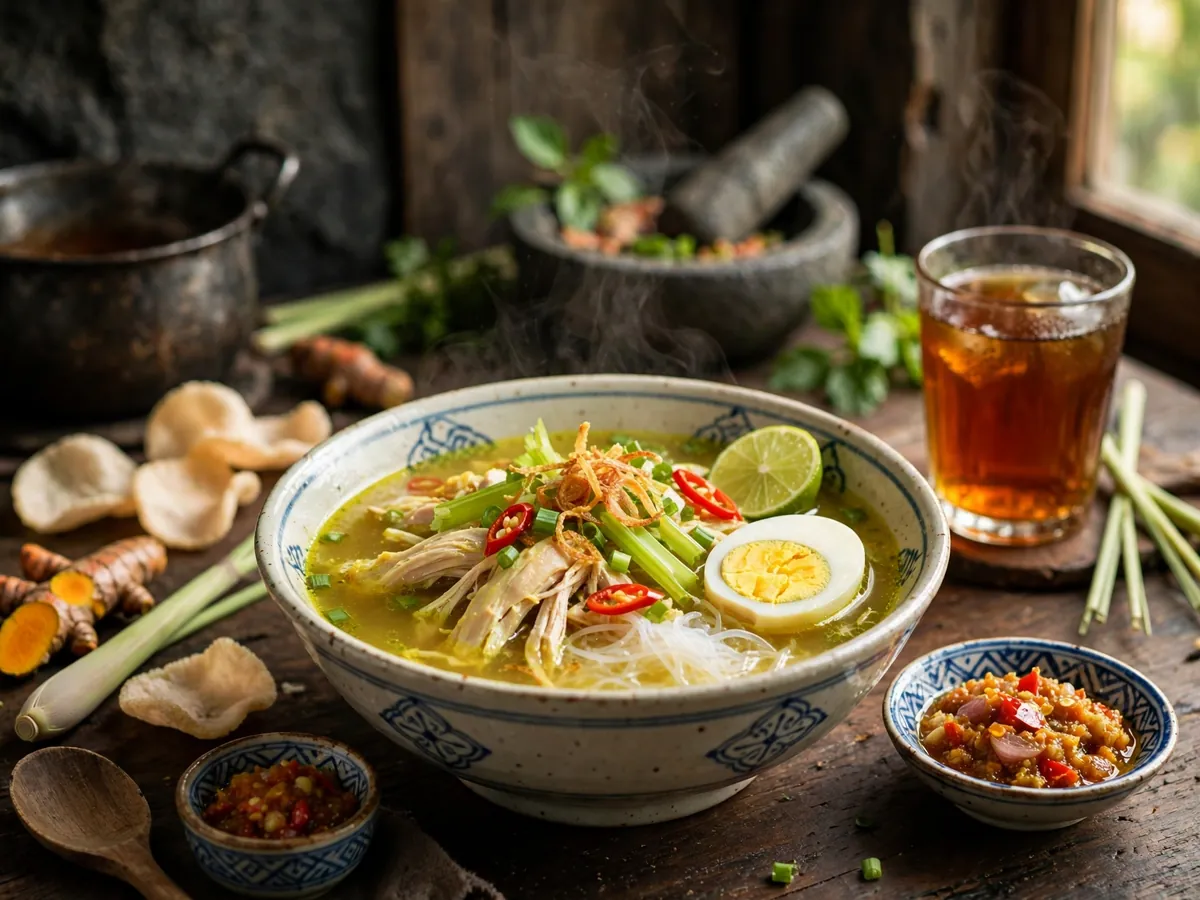
Indonesian food traditions span a vast archipelago, with regional cuisines shaped by local agriculture, trade, migration, religion and distinct spice traditions.
Explore Indonesia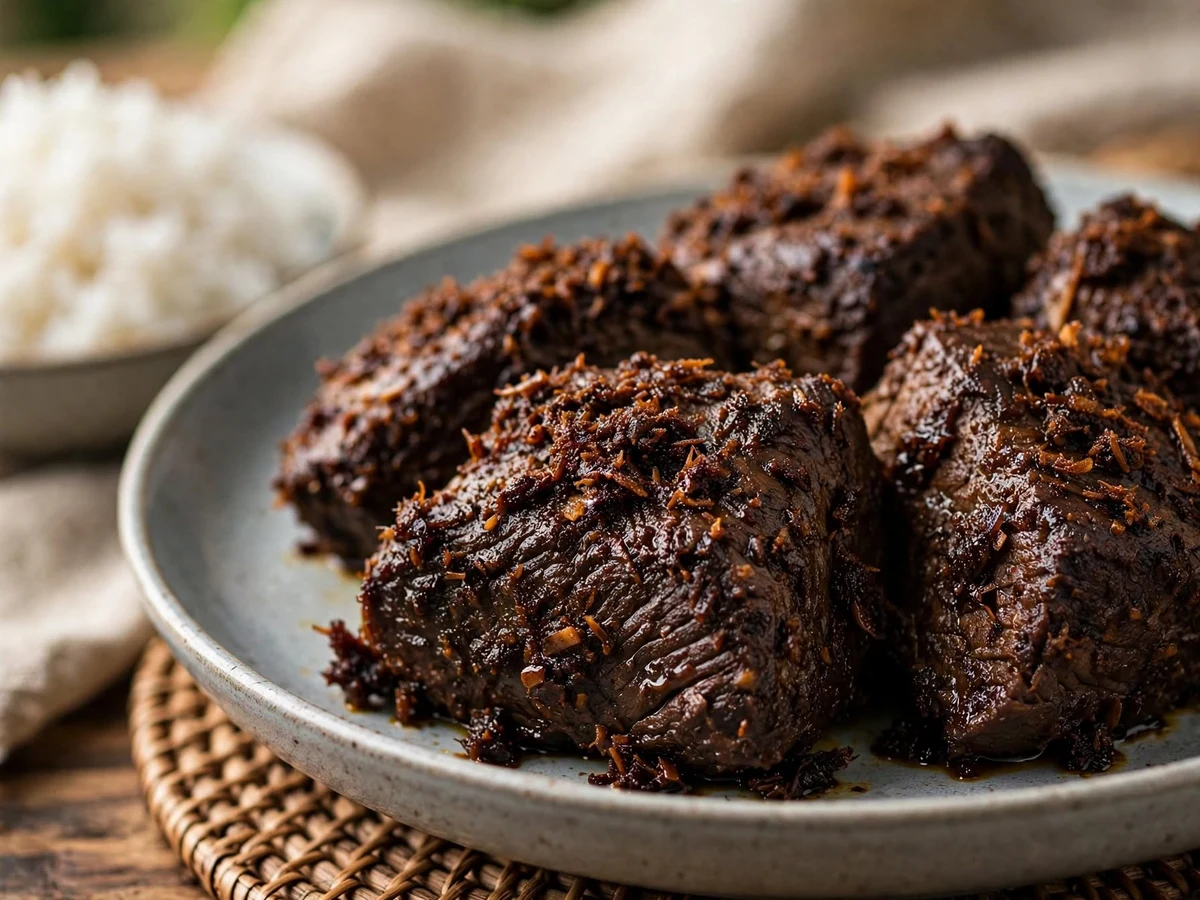
West Asia
Lebanon
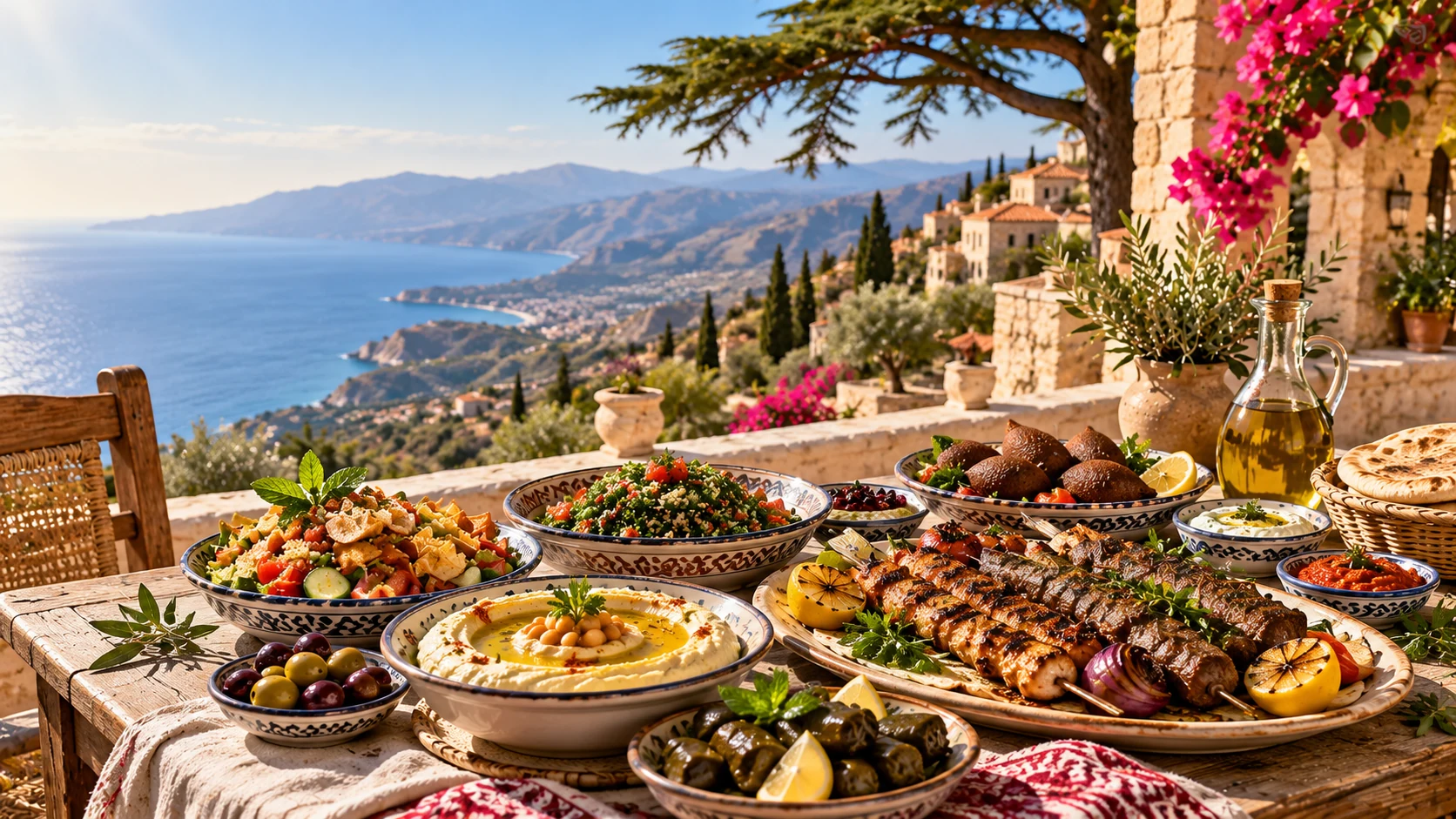
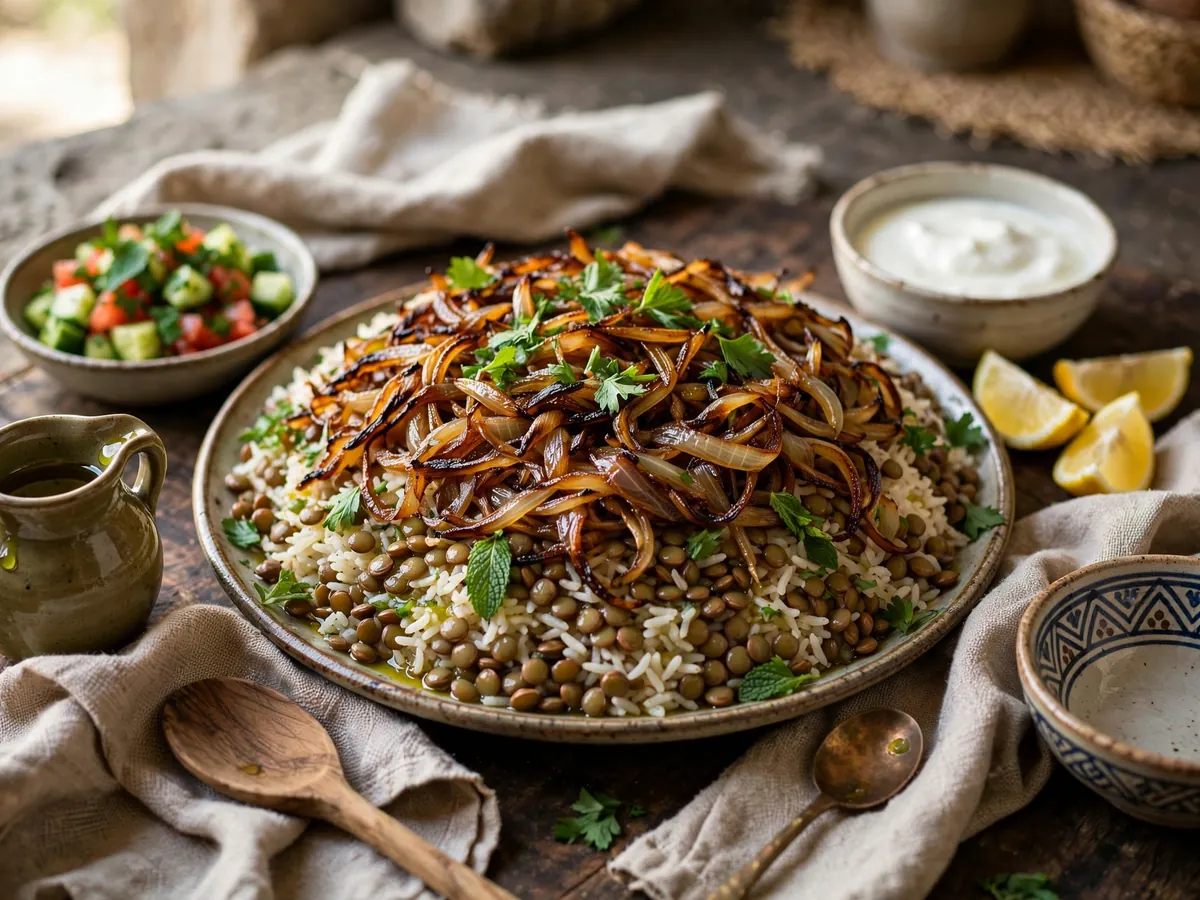
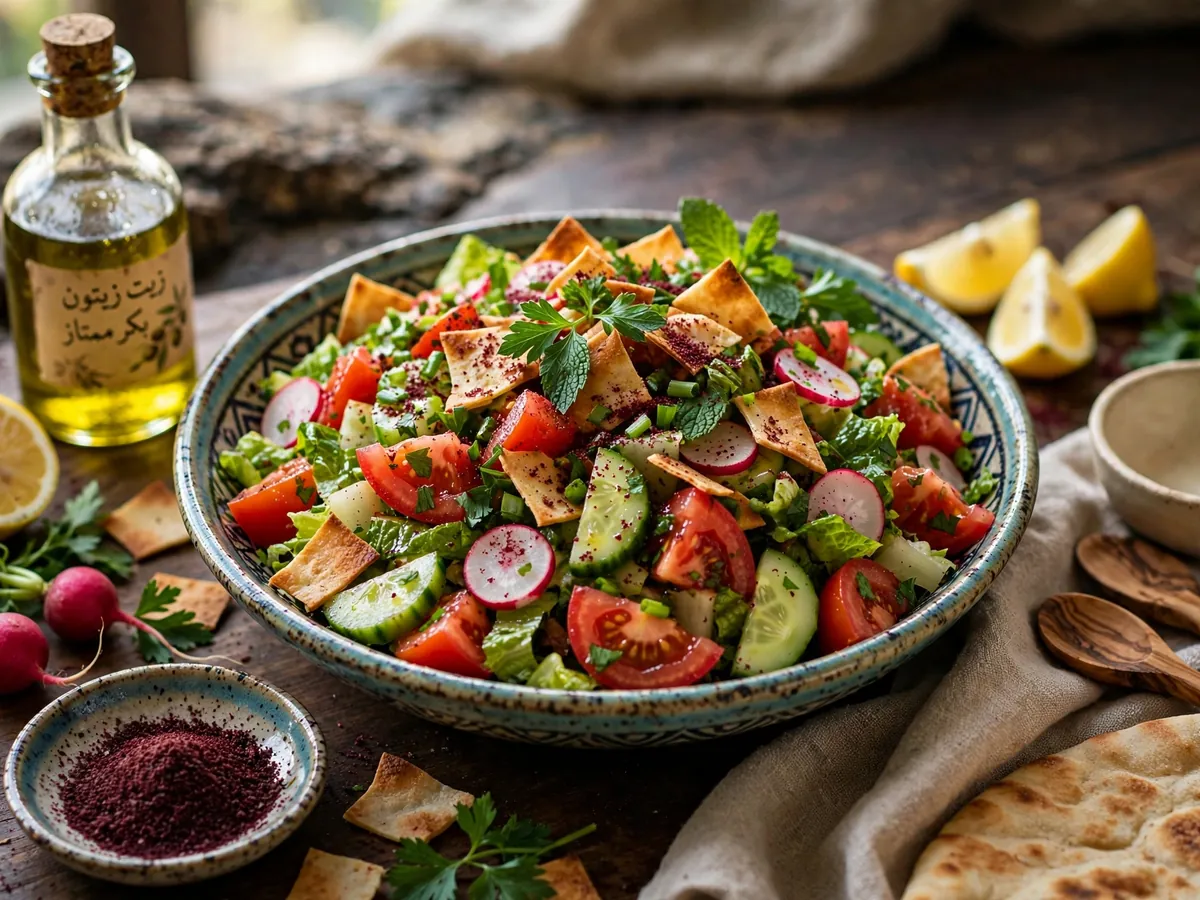
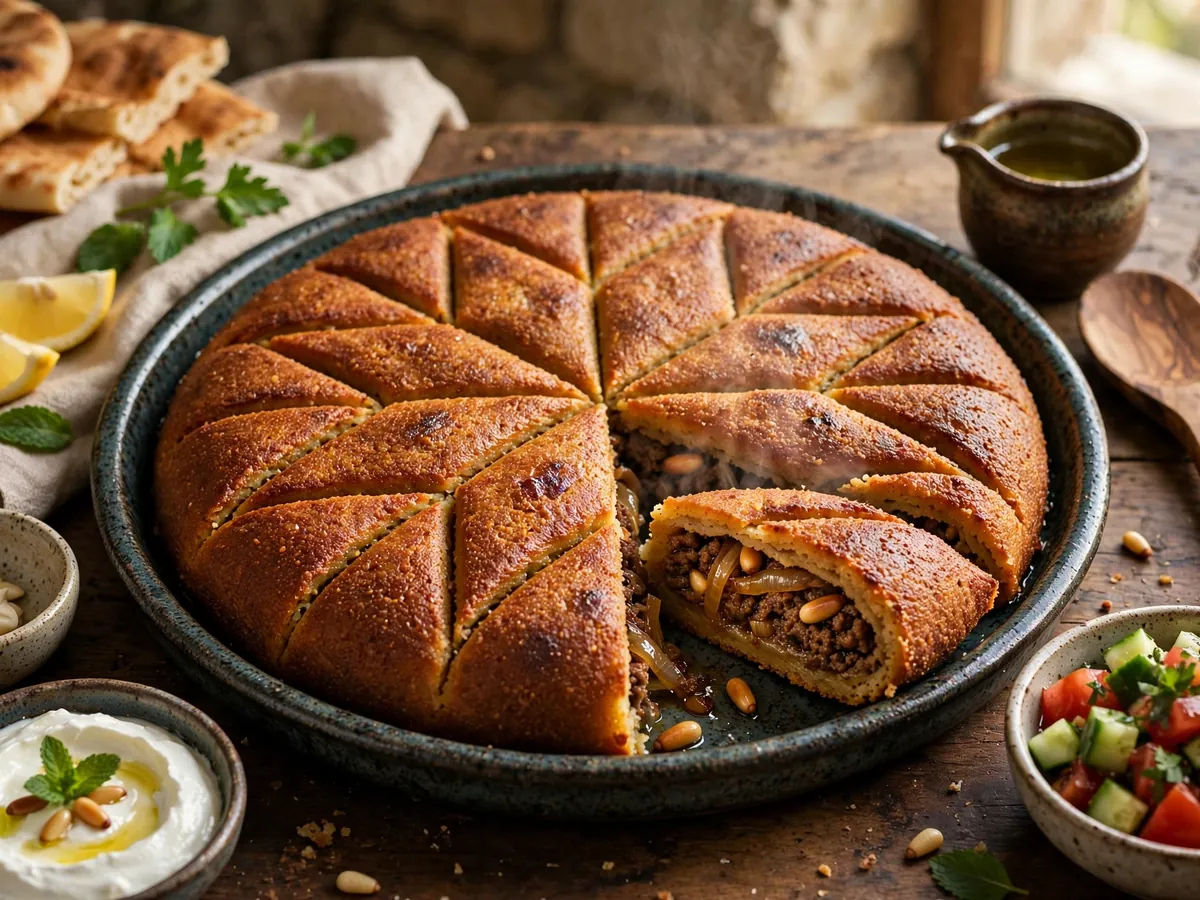
Lebanese foodways connect Levantine grains, pulses, vegetables, herbs, olive oil, breads and shared-table traditions, with strong regional and household variation.
Explore Lebanon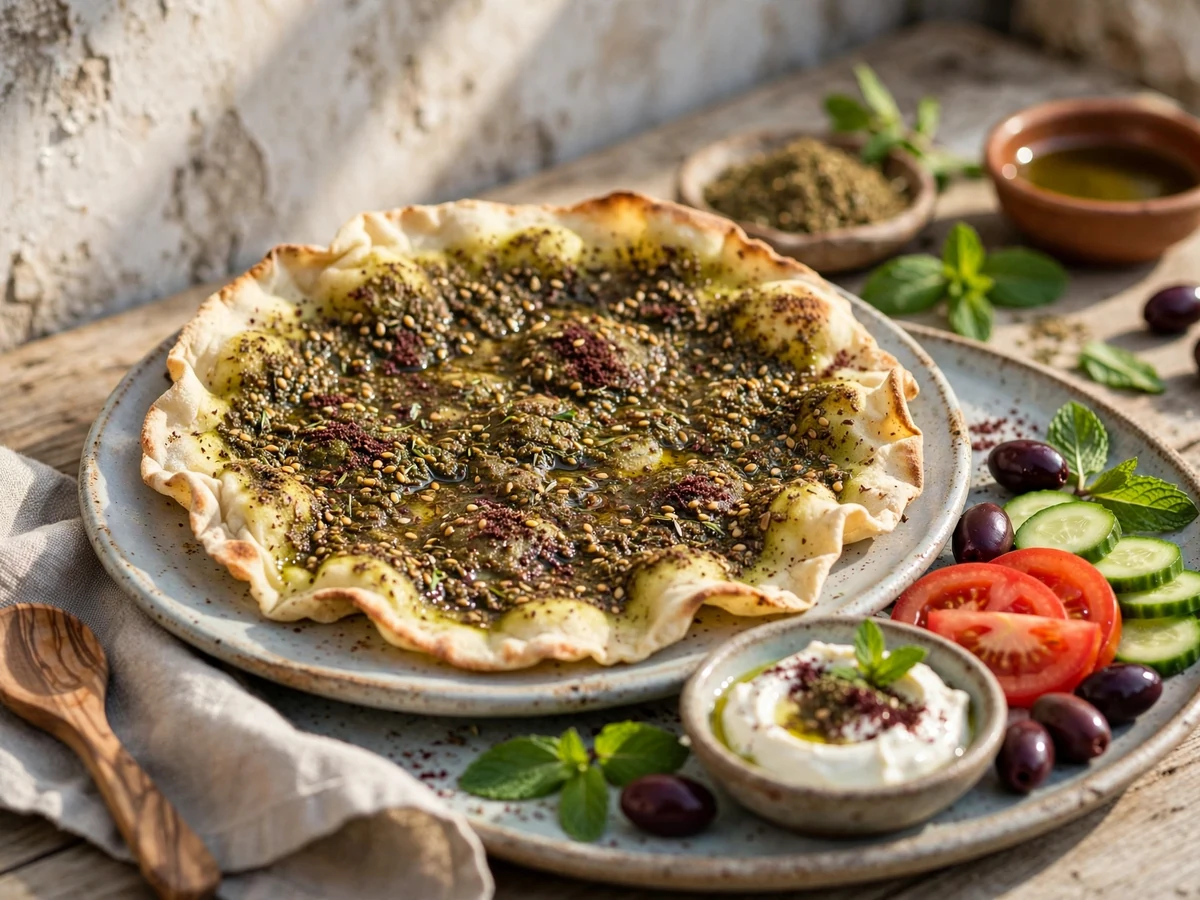
West Africa
Nigeria
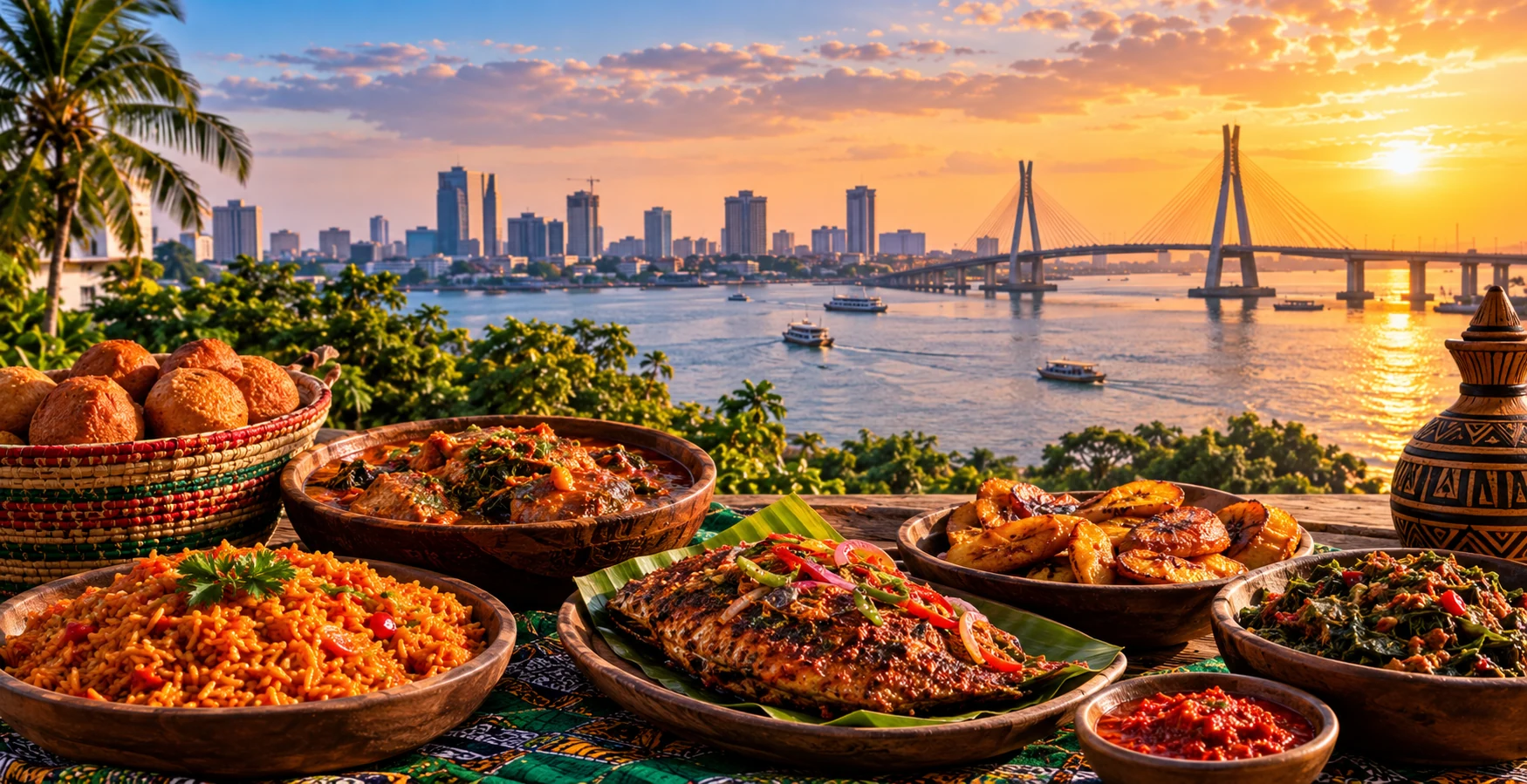
Nigerian cuisines are regionally diverse, reflecting many communities and ecological zones through grains, tubers, legumes, leafy soups, peppers, grilled foods and celebratory rice dishes.
Explore Nigeria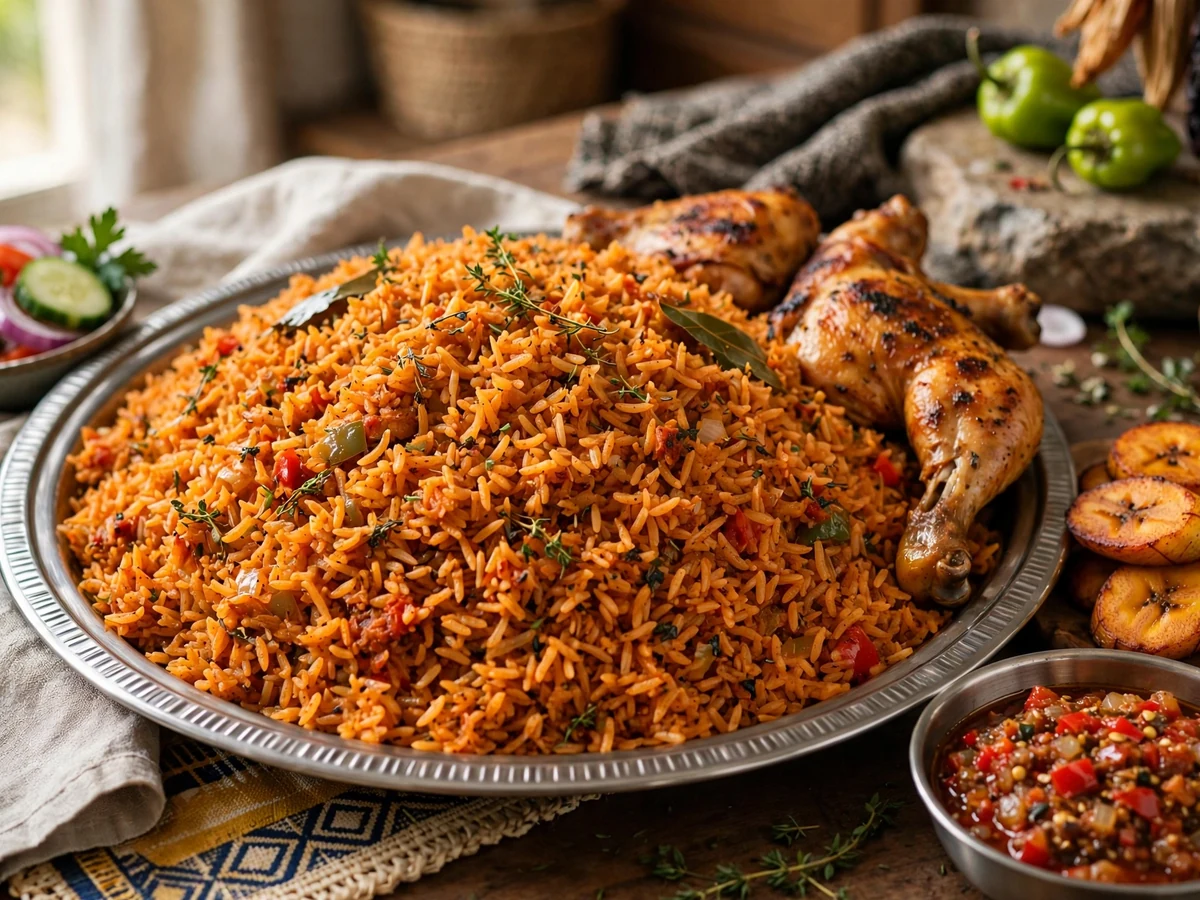
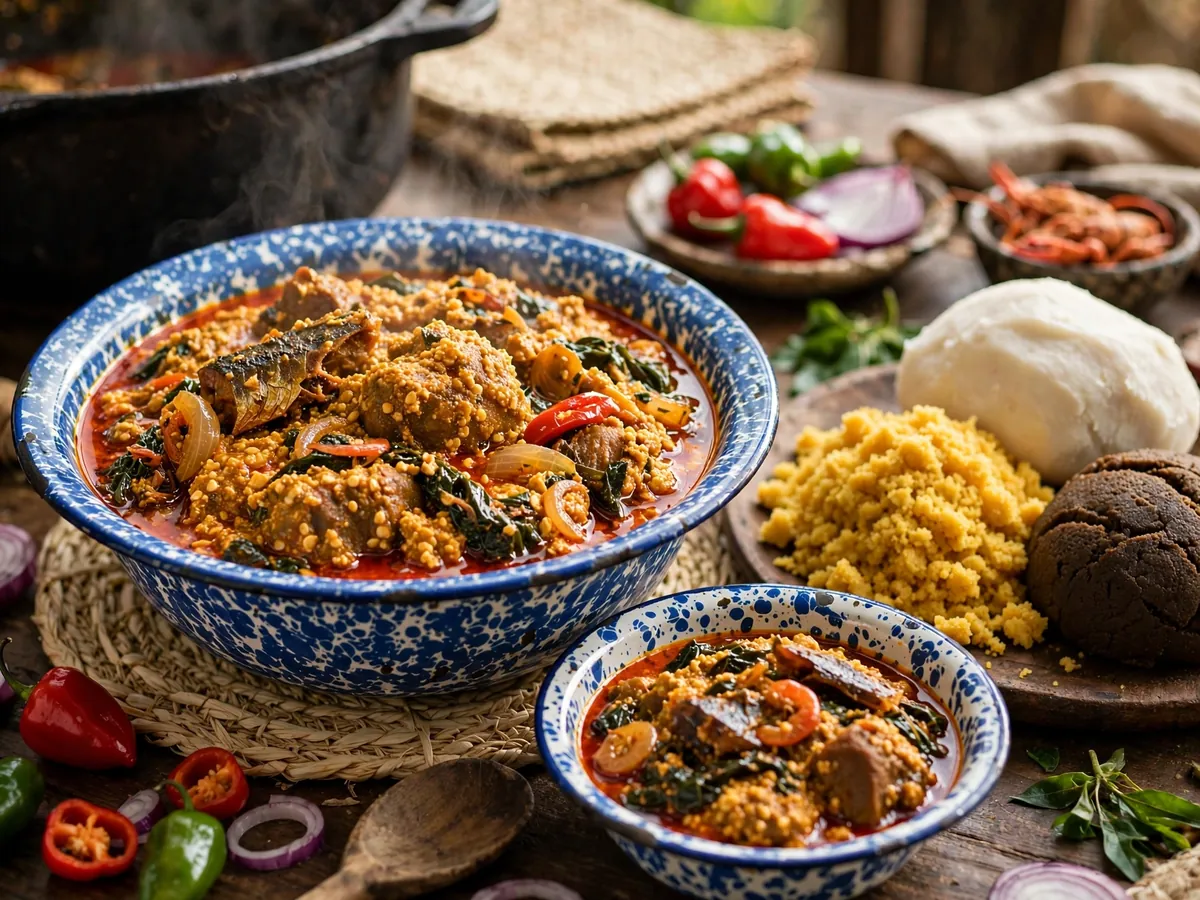
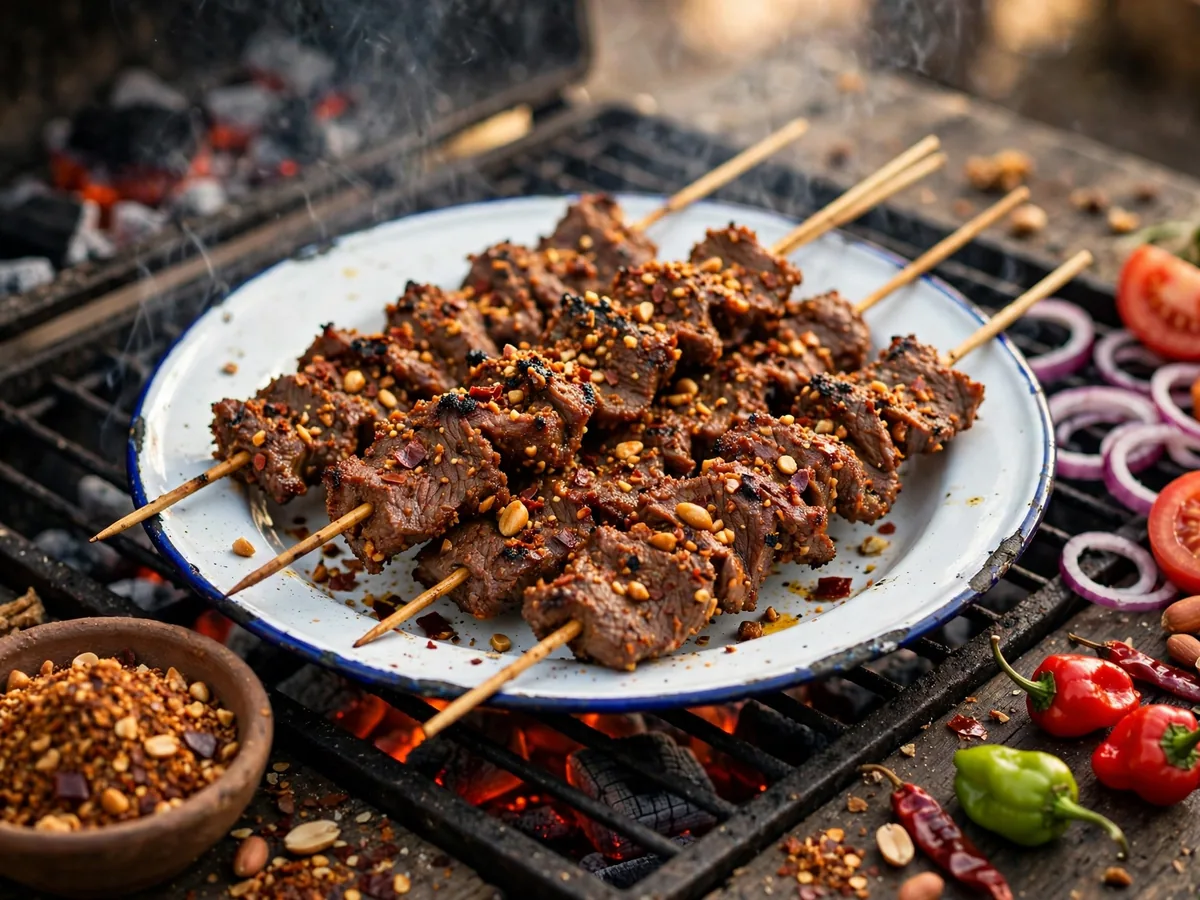
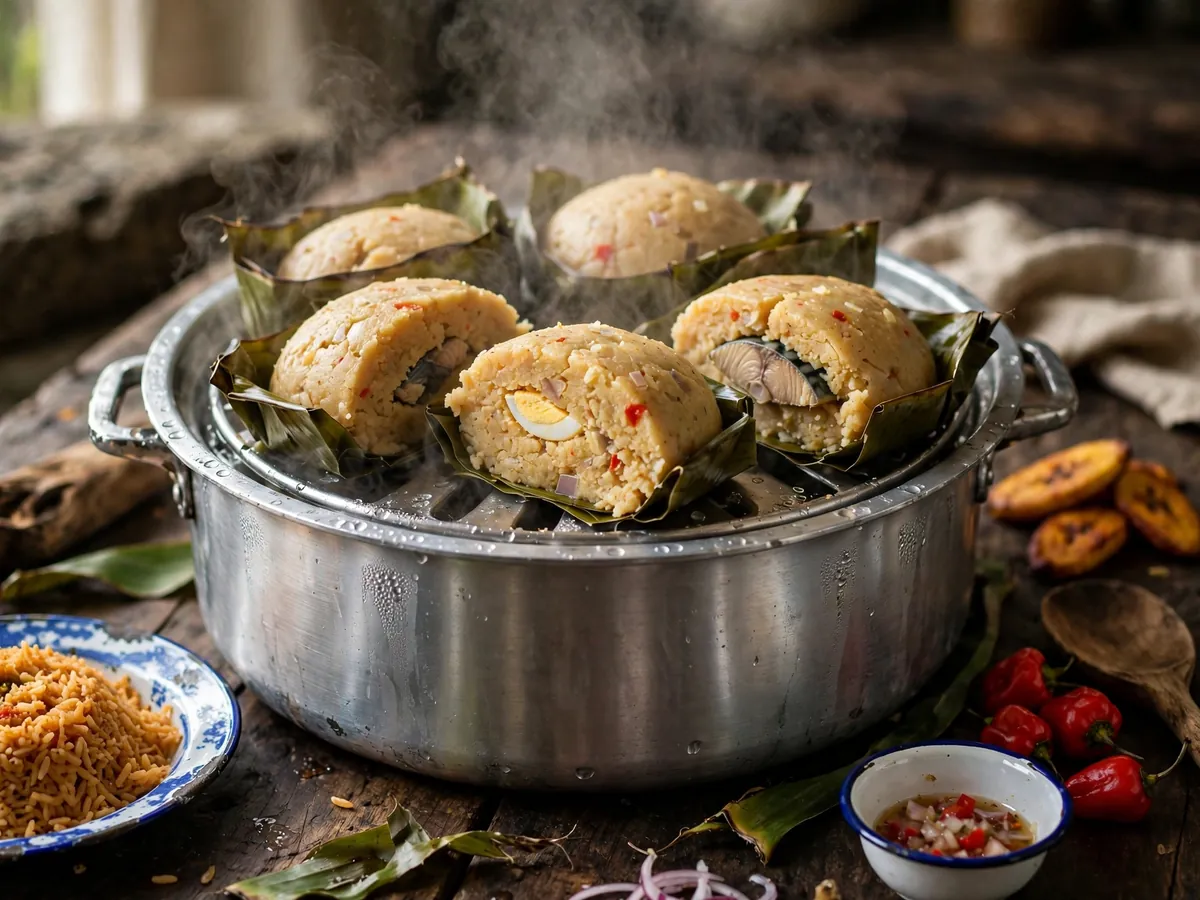
Keep travelling
Where will the food take you next?
Cook something from the place you just visited, wander somewhere unexpected, or look up the ingredient that caught your attention.