
Places · Lebanon
The morning rhythm of Man’ouché
Za’atar, warm flatbread and the everyday rhythm of a food that moves easily between bakery, street and home.
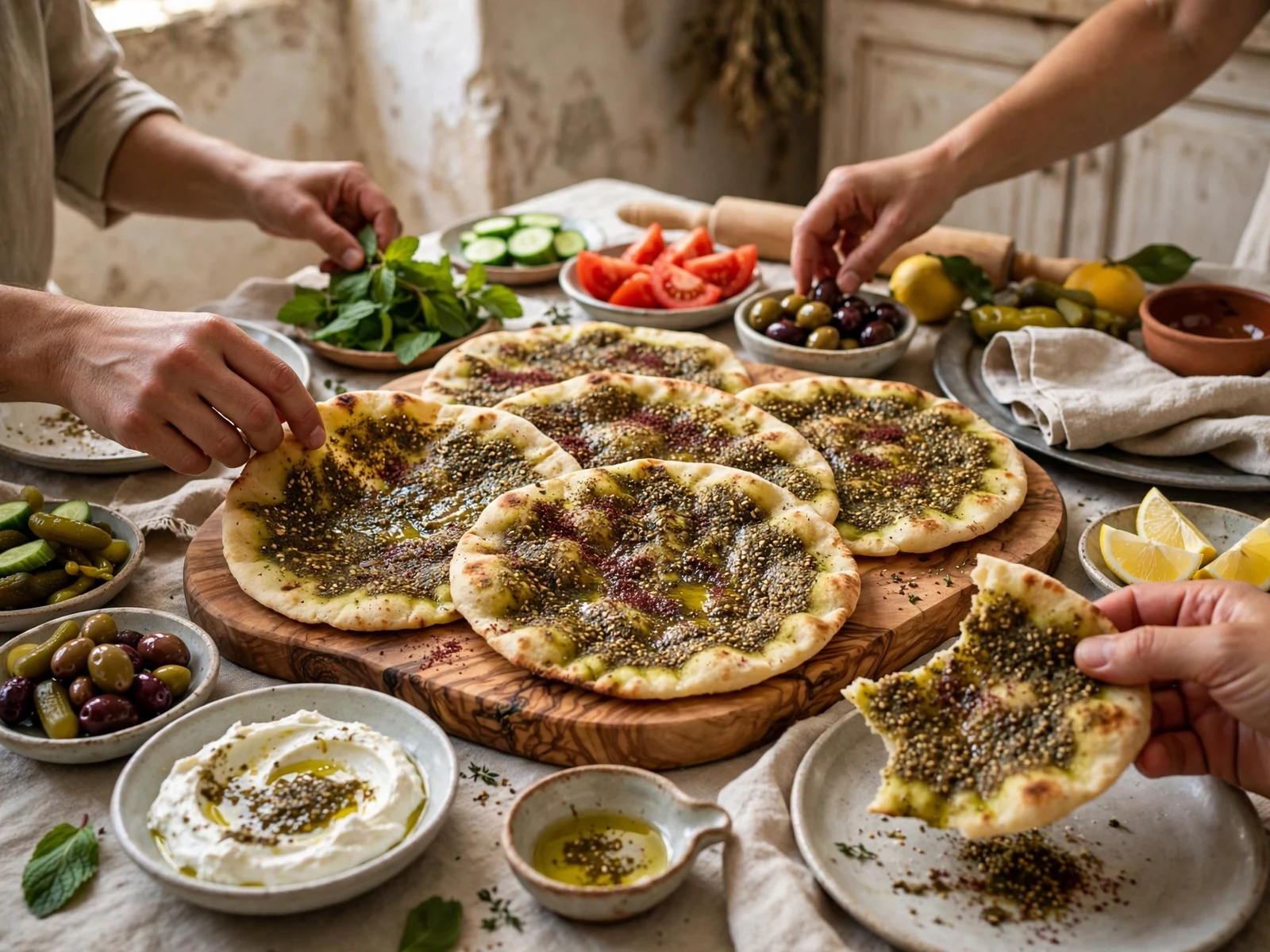
Man’ouché Za’atar · Lebanon. A dish understood through the table around it, not only the recipe.
UNESCO inscribed al-Man’ouché on the Representative List of the Intangible Cultural Heritage of Humanity in 2023, describing it as an emblematic Lebanese culinary practice associated with breakfast, homes, neighbourhood bakeries and morning social gatherings. The practice is broader than a single topping, but za’atar with olive oil is one of its defining everyday forms. Dough thickness, bakery ovens and za’atar blends vary, so the recipe should teach the bread’s living technique rather than claim one household formula is universal.
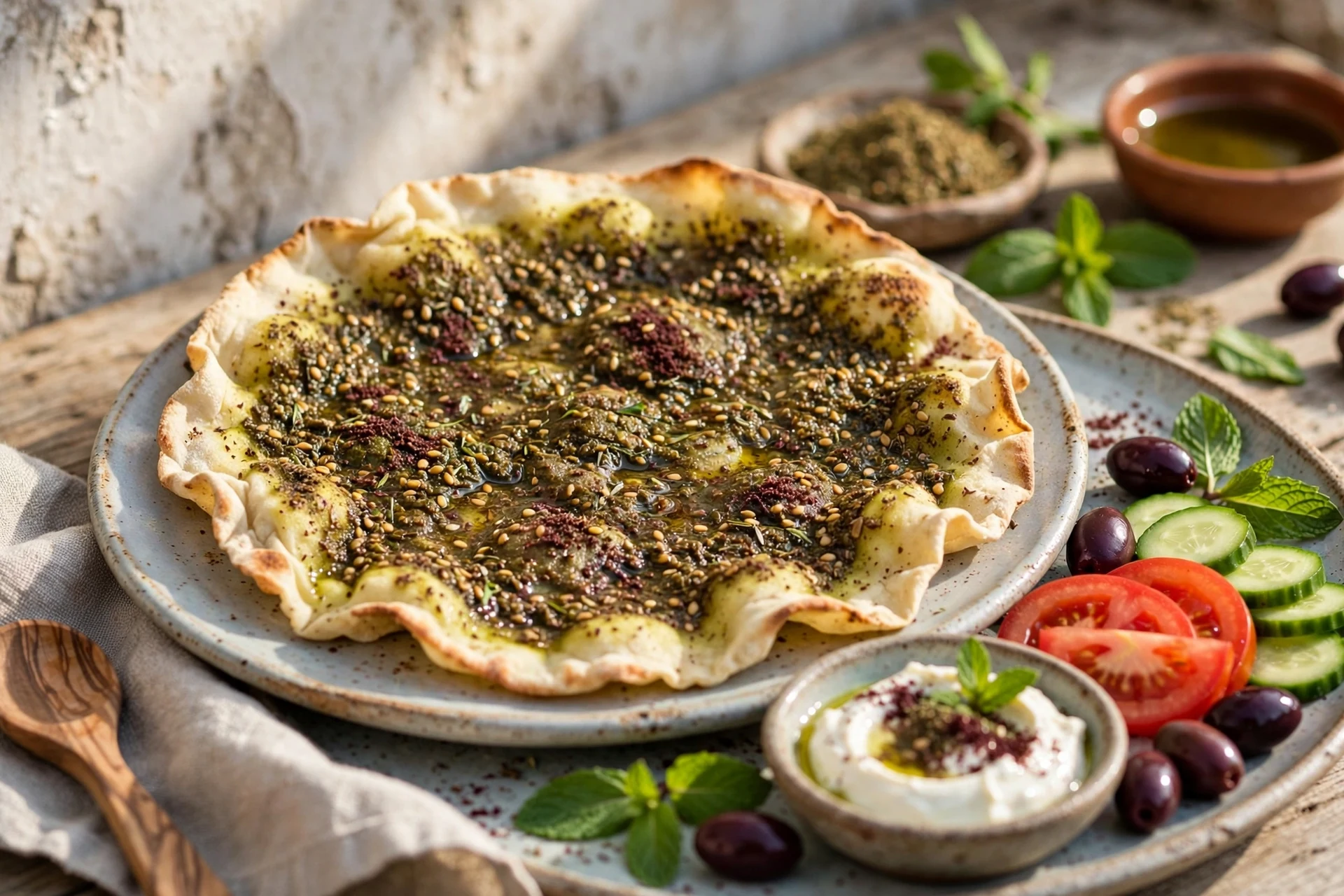
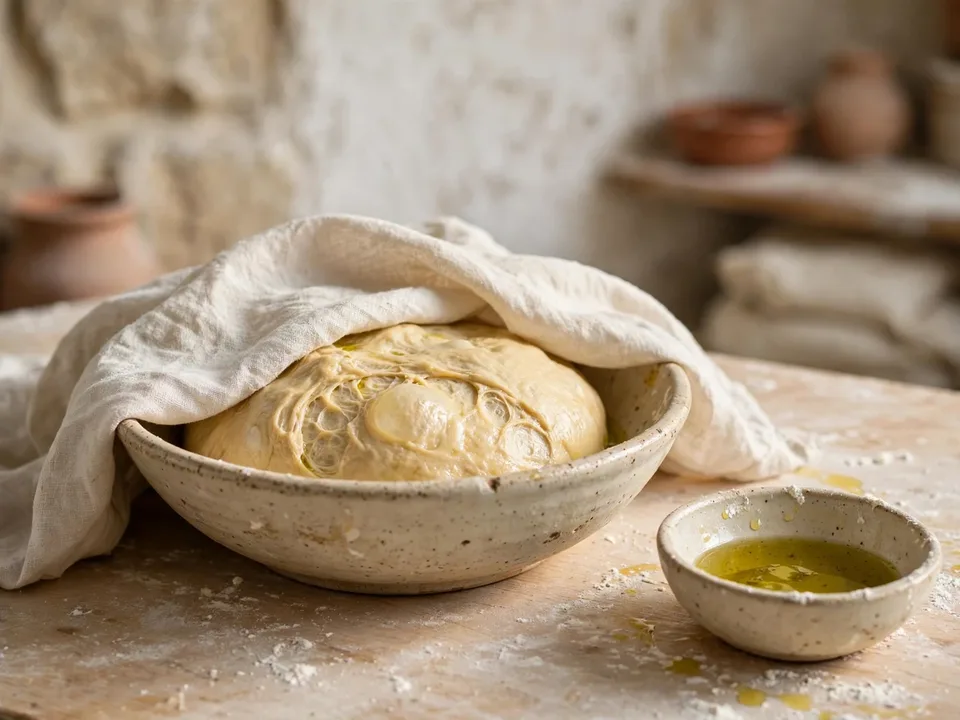
Man’ouché za’atar is a Lebanese breakfast flatbread: soft yeasted dough is pressed into rounds, coated with a loose za’atar-and-olive-oil paste and baked quickly at high heat so the base is tender, the edges spot-brown and the topping stays aromatic. In the Journal, the useful question is not simply what goes into the pot, but what the dish reveals when ingredients, method and the way it is served are read together.
01 · ORIGINS
A tradition bigger than one recipe.
The practice is transmitted through families and bakeries and was inscribed by UNESCO in 2023 on the Representative List of the Intangible Cultural Heritage of Humanity.
A sense of place
Lebanon. The dish reflects the ingredients and cooking patterns associated with Lebanon, while household and regional versions vary.
02 · THE KITCHEN
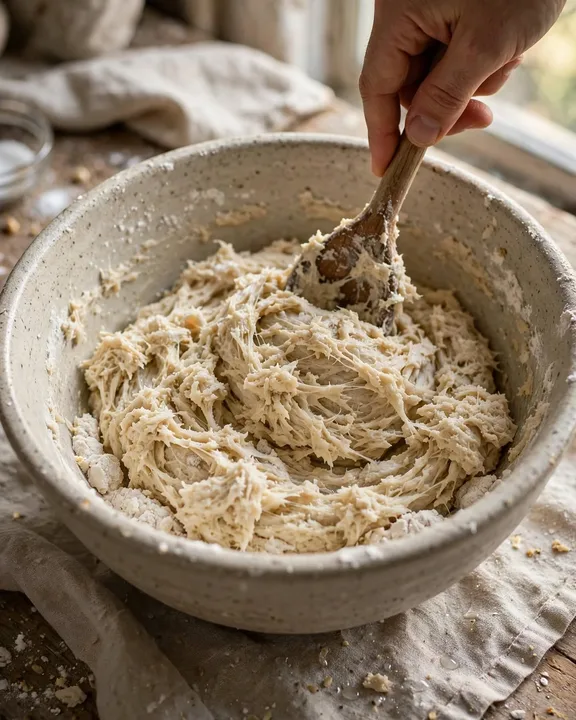
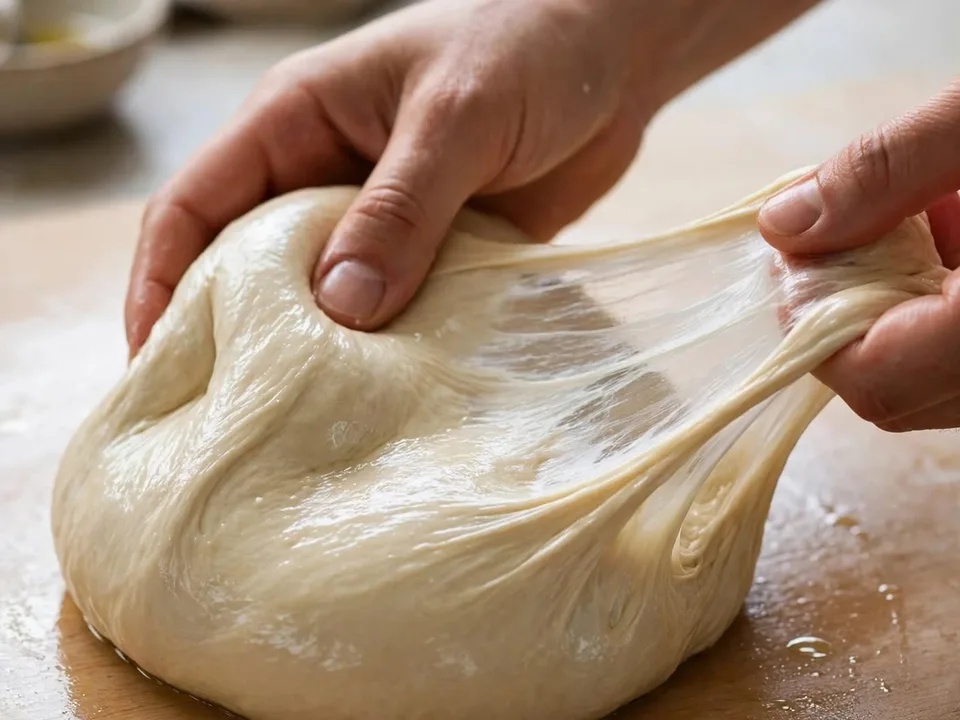
Flavour is built in stages.
Toppings vary, but the za’atar version centers a thyme-sumac-sesame mixture with olive oil spread over indented dough.
The flavour map
What carries the dish.
Part of a wider table: Lebanon home cooking · Market and street-food traditions · Regional pantry and seasonal cooking.
03 · AT THE TABLE
The point is the sharing.
It remains a defining everyday breakfast and bakery food across Lebanon.
The method gives the dish its structure; the table gives it context. That is why Ember & Equator keeps the recipe and the story connected, but lets each do a different job.
Return to the kitchen
Now cook Man’ouché Za’atar.
Take the story with you. The canonical recipe has the measured ingredients, visual cues and step-by-step method.
Keep reading
Another table, another story.
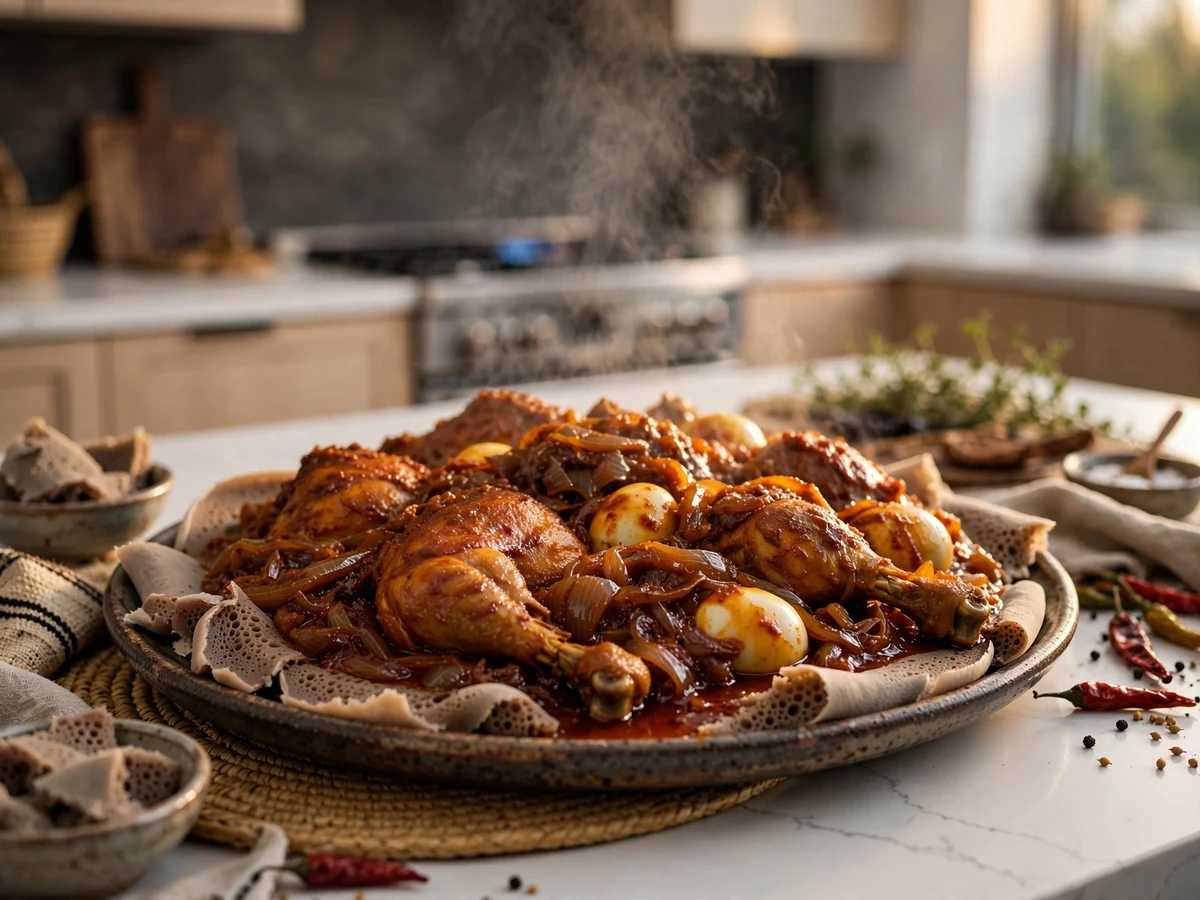
Ethiopia · At the Table
Doro Wat and the patience of a shared table
A slow-built stew, a shared injera table and the rituals that make a dish larger than its recipe.
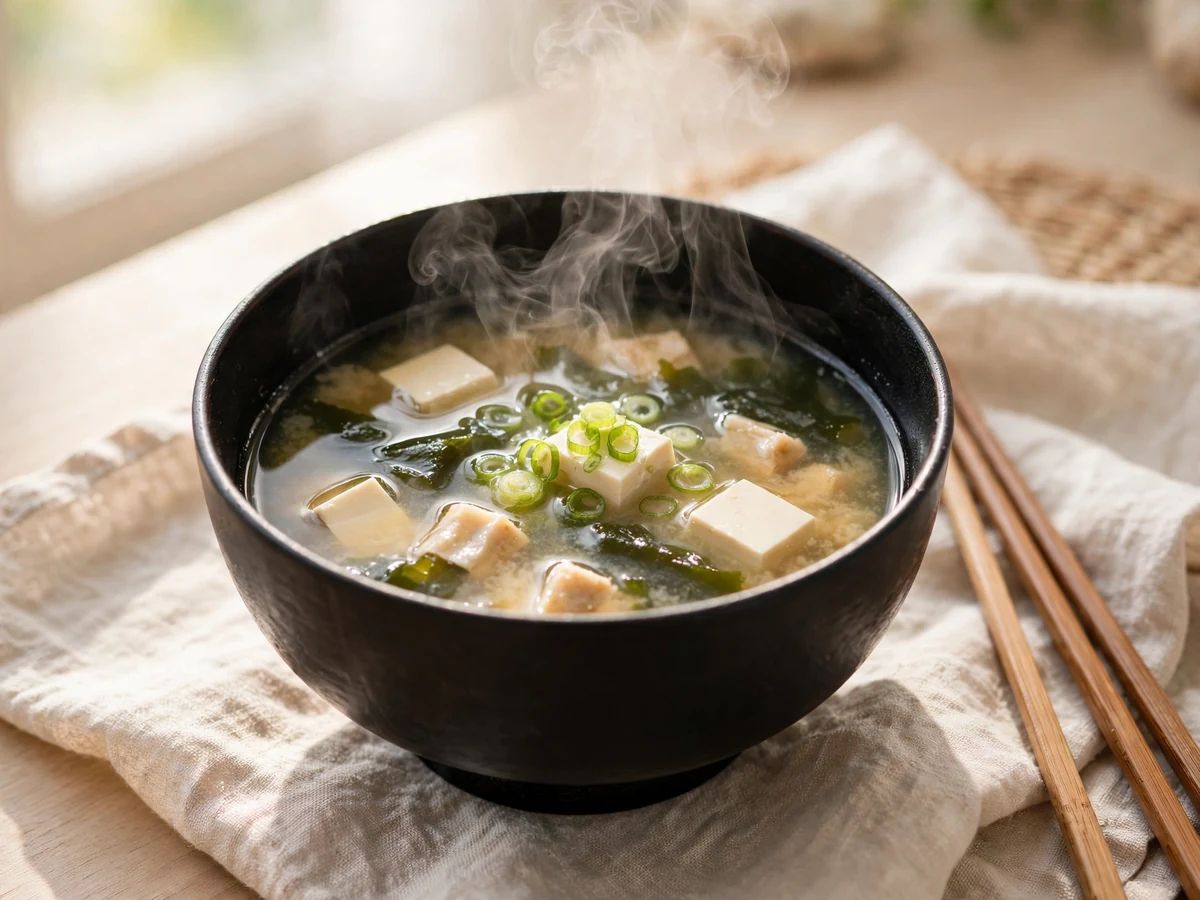
Japan · Origins
A quiet bowl with a long memory
Miso soup looks simple. Its everyday place in Japanese cooking reveals a deeper relationship between dashi, fermentation and season.
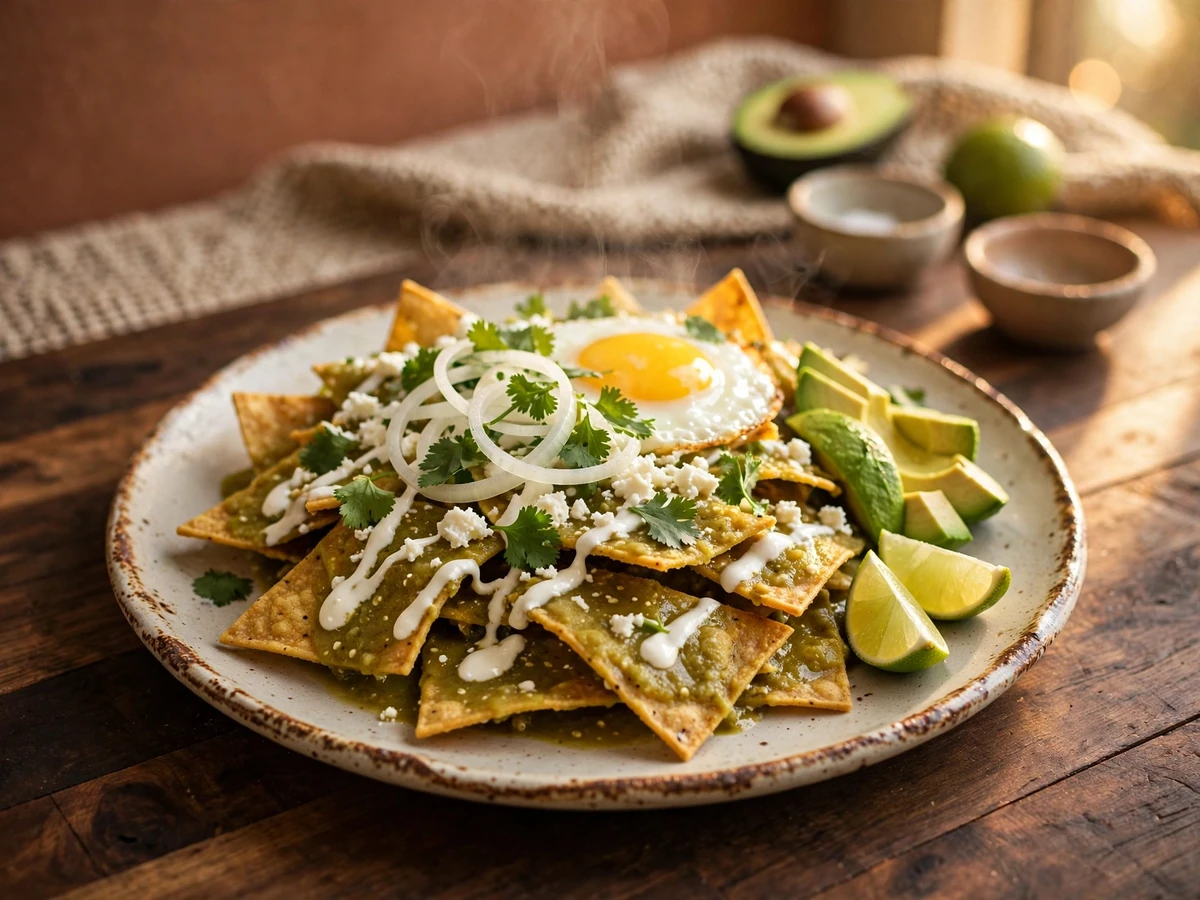
Mexico · At the Table
Morning in green: the logic of chilaquiles
Crisp tortillas, bright salsa and a breakfast built around contrast, immediacy and appetite.