
China · lunch · dinner
Cantonese Steamed Fish
China through one enduring dish.
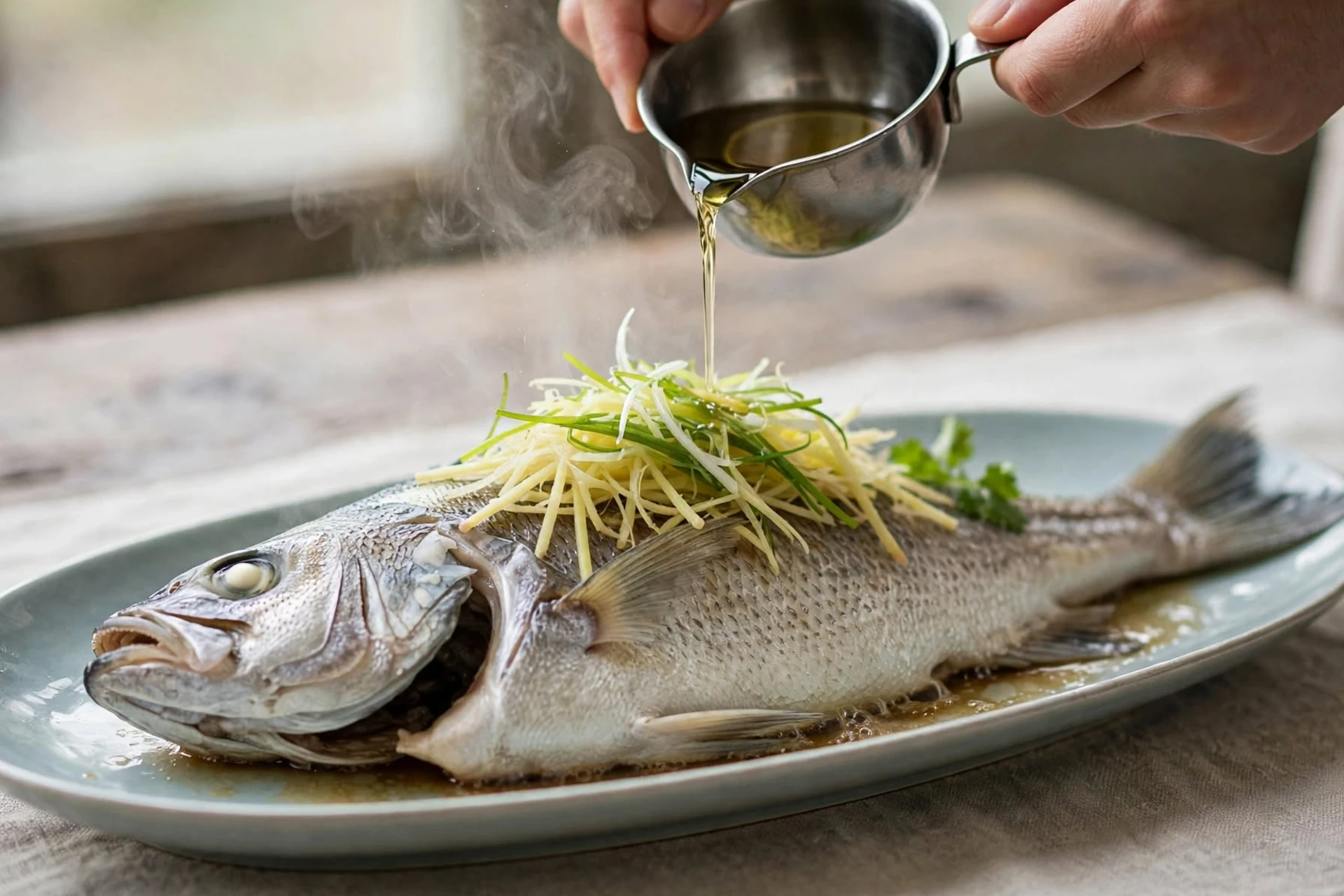
Cantonese steamed whole fish relies on freshness and restraint: the fish is steamed only until silky, the watery steaming juices are removed, then ginger and scallion are awakened with very hot neutral oil and balanced light soy.
- Total
- 27 min
- Difficulty
- Medium
- Serves
- 4
- Steps
- 6
The dish
Place first. Then the plate.
Whole steamed fish is a central Cantonese banquet and family-table preparation and is especially associated with celebrations. The technique is intentionally minimal so the fish remains the focus; freshness, exact doneness and the hot-oil aromatic finish matter more than heavy seasoning.
Explore ChinaAt a glance
Origin
China
Region
Guangdong and Cantonese-speaking southern China
Meal
lunch · dinner
Guided steps
6
Dish
Cantonese Steamed Fish
Cuisine
Chinese cuisines
Food type
Dinner
Technique
Steam
Cook the recipe
In the kitchen
Start with the ingredients, then follow the Method in order. Open cooking tips only when you need extra help; the story and references can wait until you are ready.
- Total
- 27 min
- Serves
- 4
- Level
- Medium
- Visual cues
- 6
Ingredients
Serves 4- 1whole white fish700–900 g, very fresh, scaled, gutted and gills removed
- 35 ggingerhalf sliced for steaming, half finely julienned for finishing
- 4scallions2 cut into lengths, 2 finely julienned
- 2.5 tbsplight soy saucefor the seasoned finishing soy
- 3 tbspneutral oilheat until shimmering for the aromatic scald
- 2 tbspwaterfor the seasoned soy
- 0.5 tspsugarto round the soy, not make the dish sweet
- 0.25 tspsaltfor lightly seasoning the fish
Everything ready? Continue straight into the cooking steps.
Start methodMethod
6 steps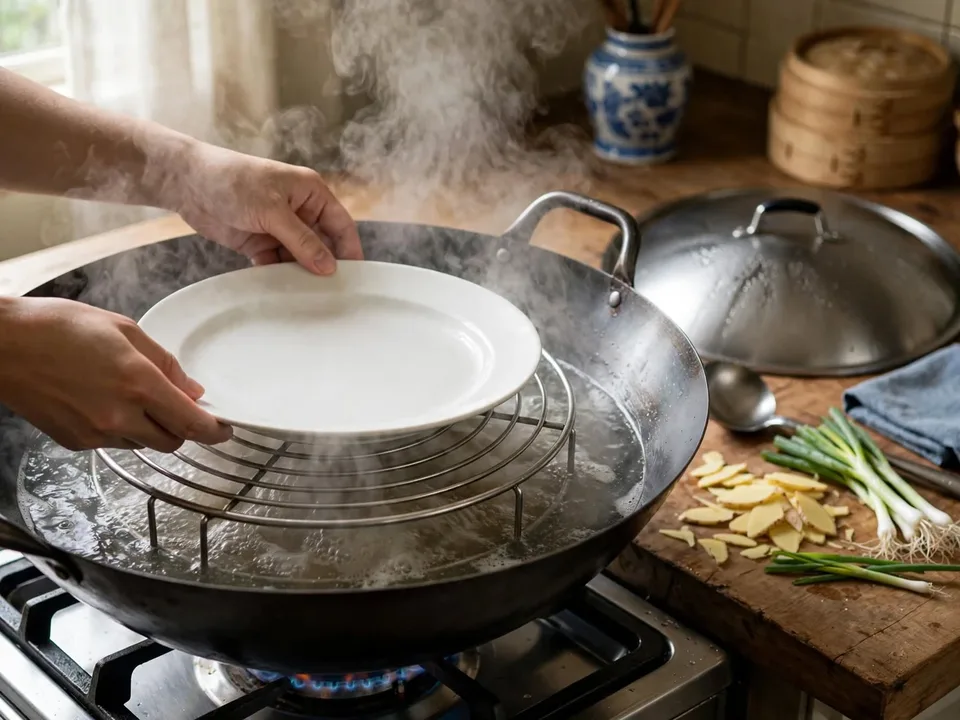 Step 01
Preheat the steamer before the fish goes in
8 min
Set a rack in a wok or large pot and add enough water to steam vigorously without touching the serving plate.
Set a rack in a wok or large pot and add enough water to steam vigorously without touching the serving plate. Cover and bring the water to a strong steady steam before preparing to load the fish. Use a heatproof plate that fits with room around its edge for circulation.
Look for
A dense stream of steam escapes when the lid is lifted and the water remains below the rack.
Kitchen note
Do not start timing a whole fish in a cold steamer. Strong established steam gives much more predictable doneness and protects the fish from slowly warming in trapped condensation.
 Step 02
Prepare and lightly season the whole fish
6 min
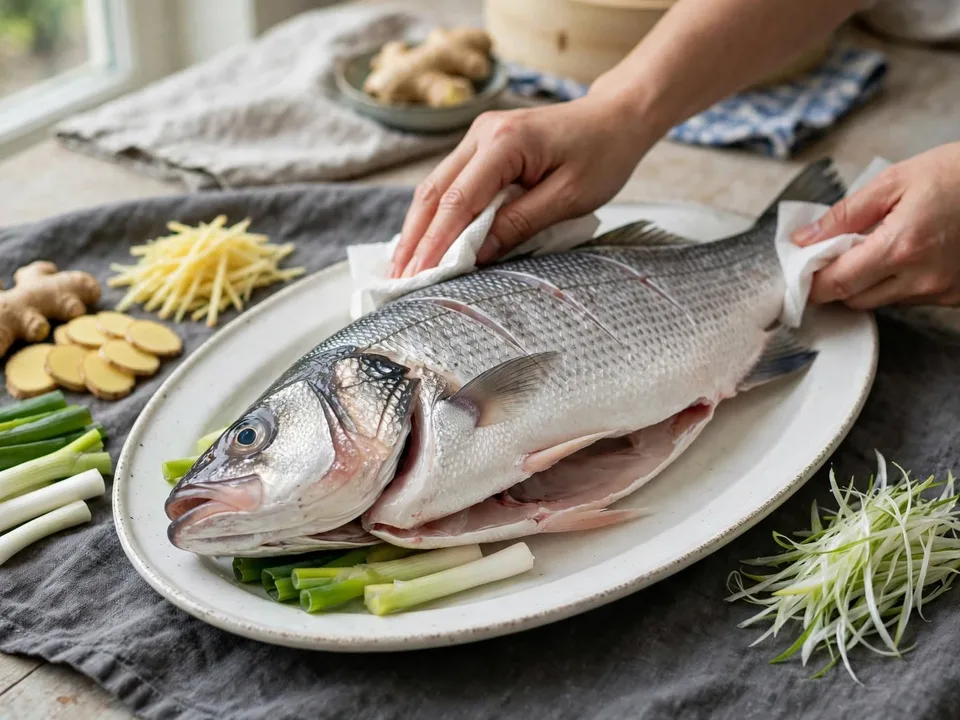
Pat the fish very dry inside and out.
Pat the fish very dry inside and out. Make one or two shallow slashes through the thickest flesh if the fish is especially thick, season lightly with salt and arrange ginger slices and scallion lengths under and inside the cavity so steam can circulate. Place it flat on the heatproof plate.
Look for
The fish lies flat, the skin is dry and the cavity is open enough for steam to circulate around it.
Kitchen note
Keep the plate uncluttered. Aromatics should perfume the fish, not form a thick vegetable bed that blocks steam from the underside.
 Step 03
Steam only until the thickest flesh is just done
10 min
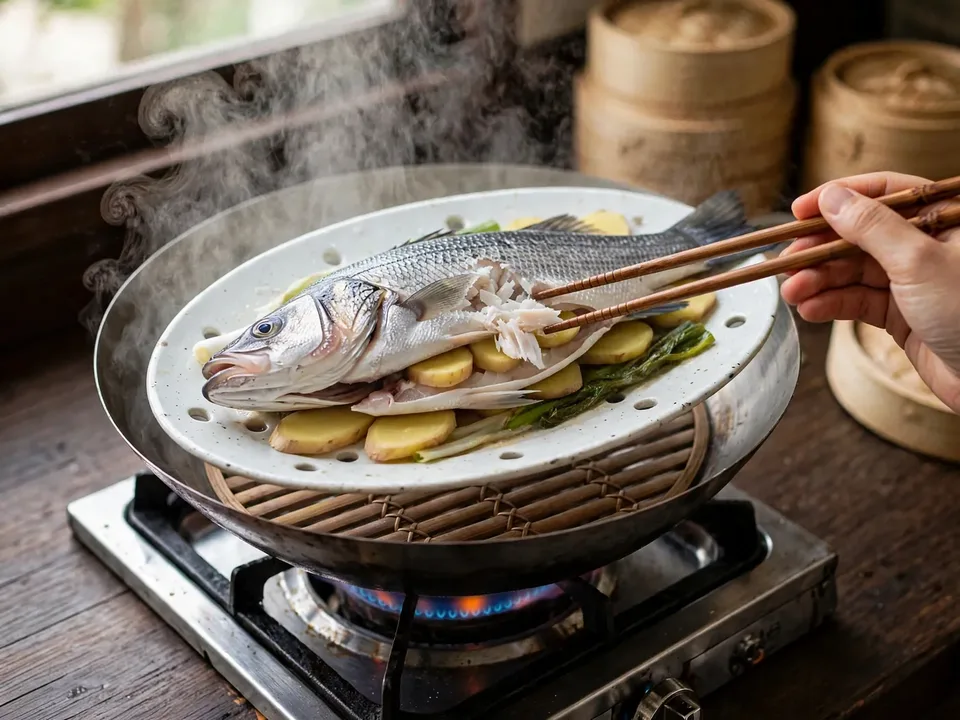
Transfer the plate to the fully steaming wok, cover immediately and steam over high heat.
Transfer the plate to the fully steaming wok, cover immediately and steam over high heat. For a 700–900 g fish begin checking around 8 minutes; thicker fish may need 10–12. Insert a thin knife or chopstick beside the backbone at the thickest point—the flesh should be just opaque and release cleanly without feeling tight or dry.
Look for
The flesh at the thickest point is opaque and moist and separates cleanly from the bone without looking chalky or tightened.
Kitchen note
Fish size and thickness matter more than a universal minute count. Pull it as soon as the thickest section is done because carryover heat continues cooking after the lid comes off.
 Step 04
Discard the steaming juices and set the seasoned soy
3 min
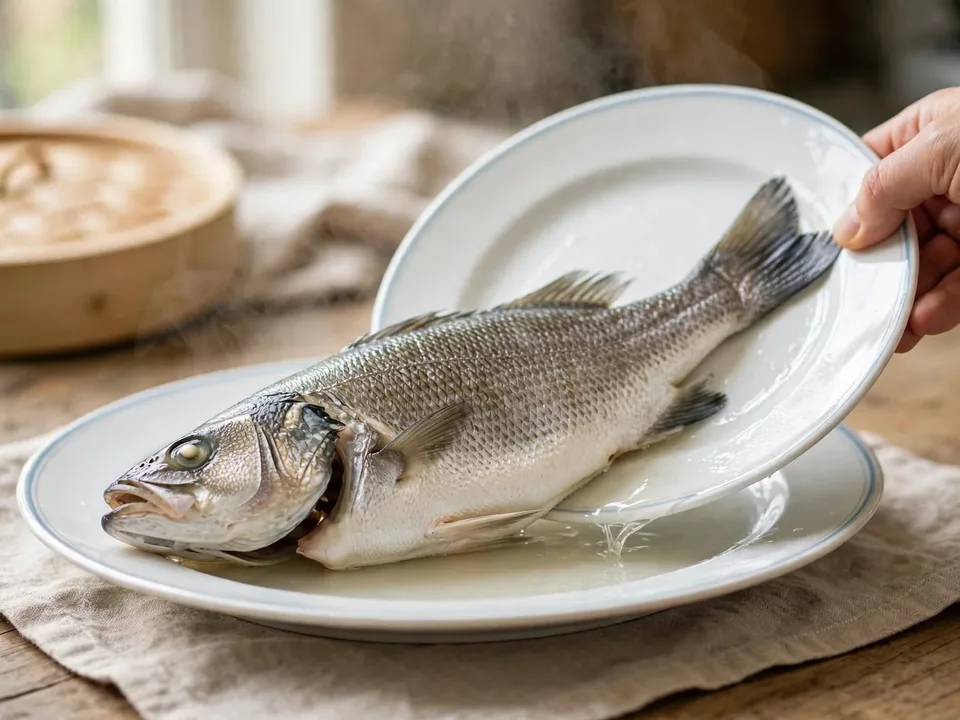
Remove the plate carefully.
Remove the plate carefully. Tip off the thin liquid collected during steaming without breaking the fish. In a small bowl stir the light soy, water and sugar until the sugar dissolves, then spoon the seasoned soy around and lightly over the fish rather than drowning it.
Look for
The fish remains intact with only a light film of moisture on the plate and the seasoned soy tastes savoury but not aggressively salty.
Kitchen note
The steaming liquid is not the finished sauce; keeping a large puddle dilutes the soy and can carry a stronger fishy aroma.
 Step 05
Pile on fresh ginger and scallion
2 min
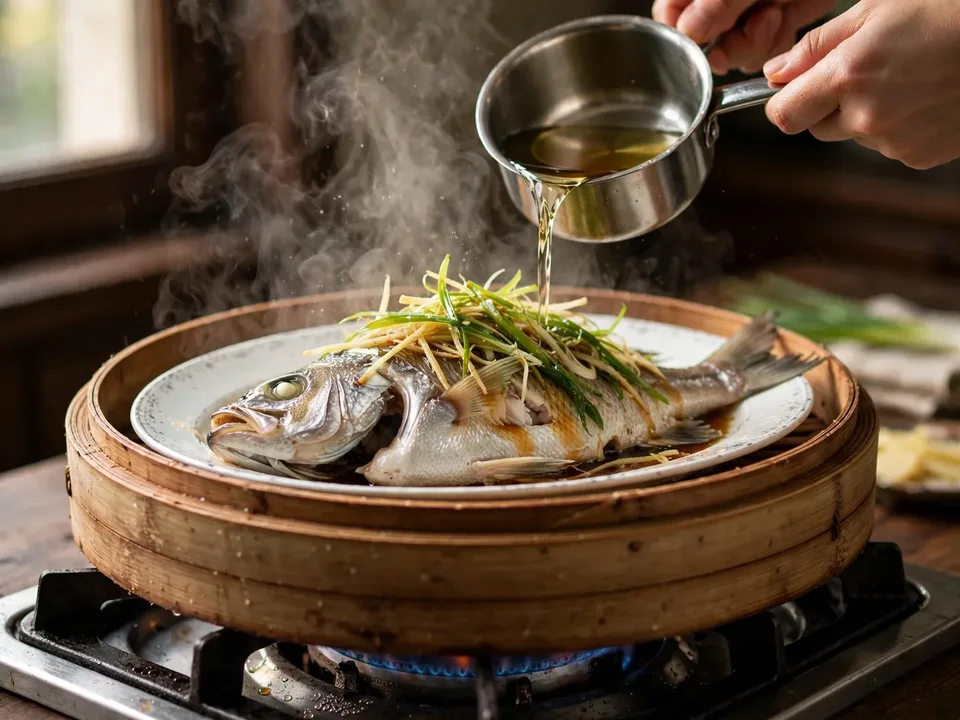
Scatter the finely julienned ginger and scallion over the centreline of the hot fish immediately before heating the finishing oil.
Scatter the finely julienned ginger and scallion over the centreline of the hot fish immediately before heating the finishing oil. Keep the threads loose so the hot oil can contact many cut surfaces.
Look for
The aromatics look fresh, crisp and vivid and sit on top of the fish rather than wilting in sauce.
Kitchen note
Use freshly cut aromatics for this finish. If they sit for a long time they lose the vivid fragrance the hot oil is meant to release.
 Step 06
Scald the aromatics with hot oil and serve immediately
2 min
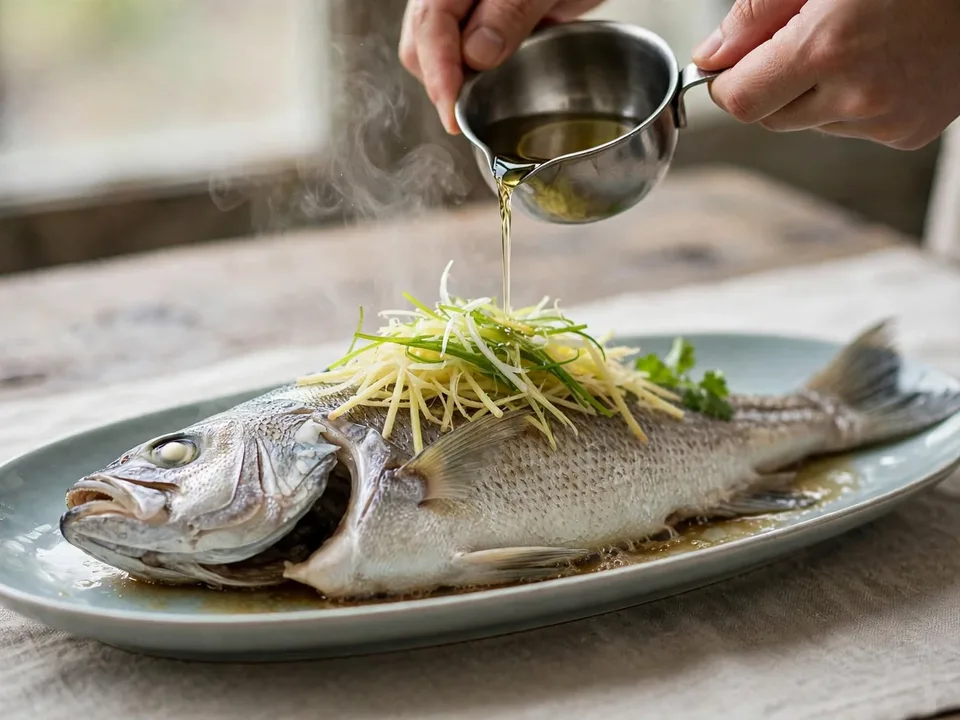
Heat the neutral oil in a small saucepan until strongly shimmering and just beginning to give the first hint of smoke.
Heat the neutral oil in a small saucepan until strongly shimmering and just beginning to give the first hint of smoke. Carefully pour it over the ginger and scallion so they sizzle on contact. Serve the fish immediately with rice and other shared dishes.
Look for
The ginger and scallion audibly sizzle, soften slightly and release a strong fresh aroma while the fish remains moist and intact.
Kitchen note
The oil must be hot enough to release the aroma instantly, but it should not be smoking heavily. Pour in a controlled stream and keep hands clear of splatter from wet aromatics.
After cooking
Explore the dish beyond the method.
Story, place and references are here for discovery, so they stay out of the way while you cook.
Culture & tradition
The story behind the dish
Origins, evolution and everyday life—read together as part of the recipe's culinary record.
Origins
A Cantonese whole-fish steaming tradition within southern Chinese seafood cookery.
How it evolved
Seasoned-soy formulas and garnish details vary by household and restaurant, while ginger, scallion, steaming and a fragrant hot-oil finish are enduring reference points.
Its place today
A home, banquet and festival centrepiece commonly served whole as part of a shared meal.
Visual archive · plate 01
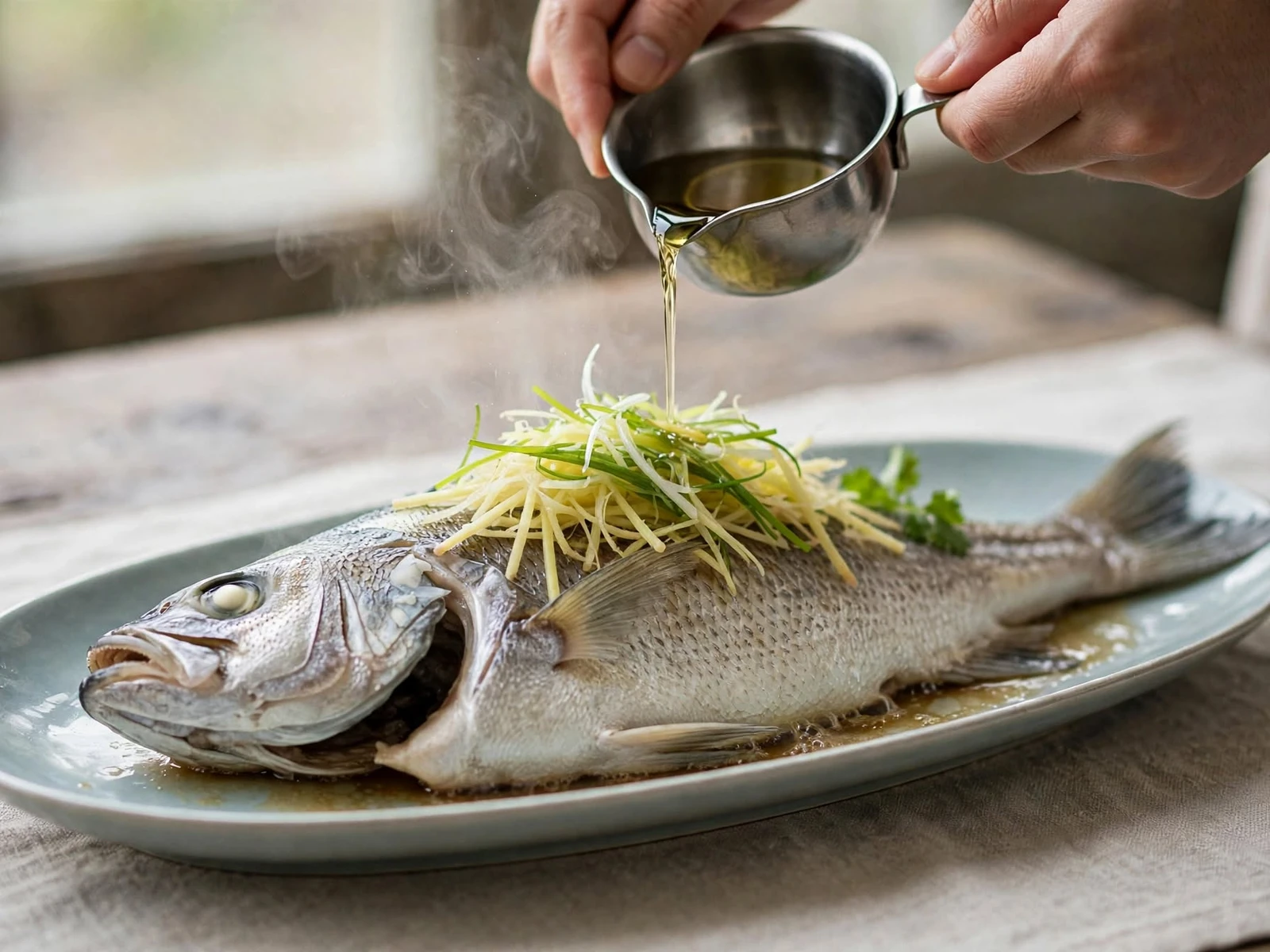
Cantonese Steamed Fish
An editorial view of the finished dish, kept compact so the story continues without an oversized image break.
Primary region
Guangdong and Cantonese-speaking southern China
Country
China
Regional influence
Access to fresh seafood and quick moist-heat cookery support a cuisine that often highlights clean natural flavour rather than prolonged preservation.
Related food systems
- Cantonese seafood cookery
- Banquet whole-fish service
- Ginger-scallion aromatic finishes
Sources & further reading
Follow the reference trail.
Ember & Equator links outward when an institution or primary reference helps support the culinary record.
- 01Eight major cuisines of ChinaExternal ↗
State Council Information Office of China · reference
Supports: regional Chinese cuisines · Sichuan cuisine · Cantonese cuisine · Jiangsu cuisine · culinary diversity
Ember & Equator source review · 2026-09-03
- 02Welcome to China — Chinese CuisineExternal ↗
National Immigration Administration of China · reference
Supports: Eight Major Cuisines · Sichuan cuisine · Cantonese cuisine · Mapo Tofu · Kung Pao Chicken
Ember & Equator source review · 2026-09-03
- 03China’s four major cuisinesExternal ↗
The State Council of the People’s Republic of China / National Tourism Administration · reference
Supports: Sichuan cuisine · Cantonese cuisine · regional Chinese cooking
Ember & Equator source review · 2026-09-03
- 04Steamed Whole Fish, Chinese StyleExternal ↗
The Woks of Life · specialist publication
Supports: whole fish · Cantonese banquet context · ginger and scallion · seasoned soy · hot-oil finish · doneness cues
Ember & Equator source review · 2026-09-17
Ingredient guides
Learn about the ingredients behind the dish.
These are reference guides, not a second ingredient list. Follow an ingredient when you want to understand its role, use and wider culinary context.
Ingredient
whole white fish
Understand what it contributes, how to use it, and the dishes that reveal it best.
Ingredient
ginger
Understand what it contributes, how to use it, and the dishes that reveal it best.
Ingredient
scallions
Understand what it contributes, how to use it, and the dishes that reveal it best.
Ingredient
light soy sauce
Understand what it contributes, how to use it, and the dishes that reveal it best.
Ingredient
neutral oil
Understand what it contributes, how to use it, and the dishes that reveal it best.
Ingredient
water
Understand what it contributes, how to use it, and the dishes that reveal it best.
Keep wandering
Where will this dish take you next?
Stay with the place, follow an ingredient or technique, or cross into another food culture. Each path begins with something already present in this dish.
Stay with the place
01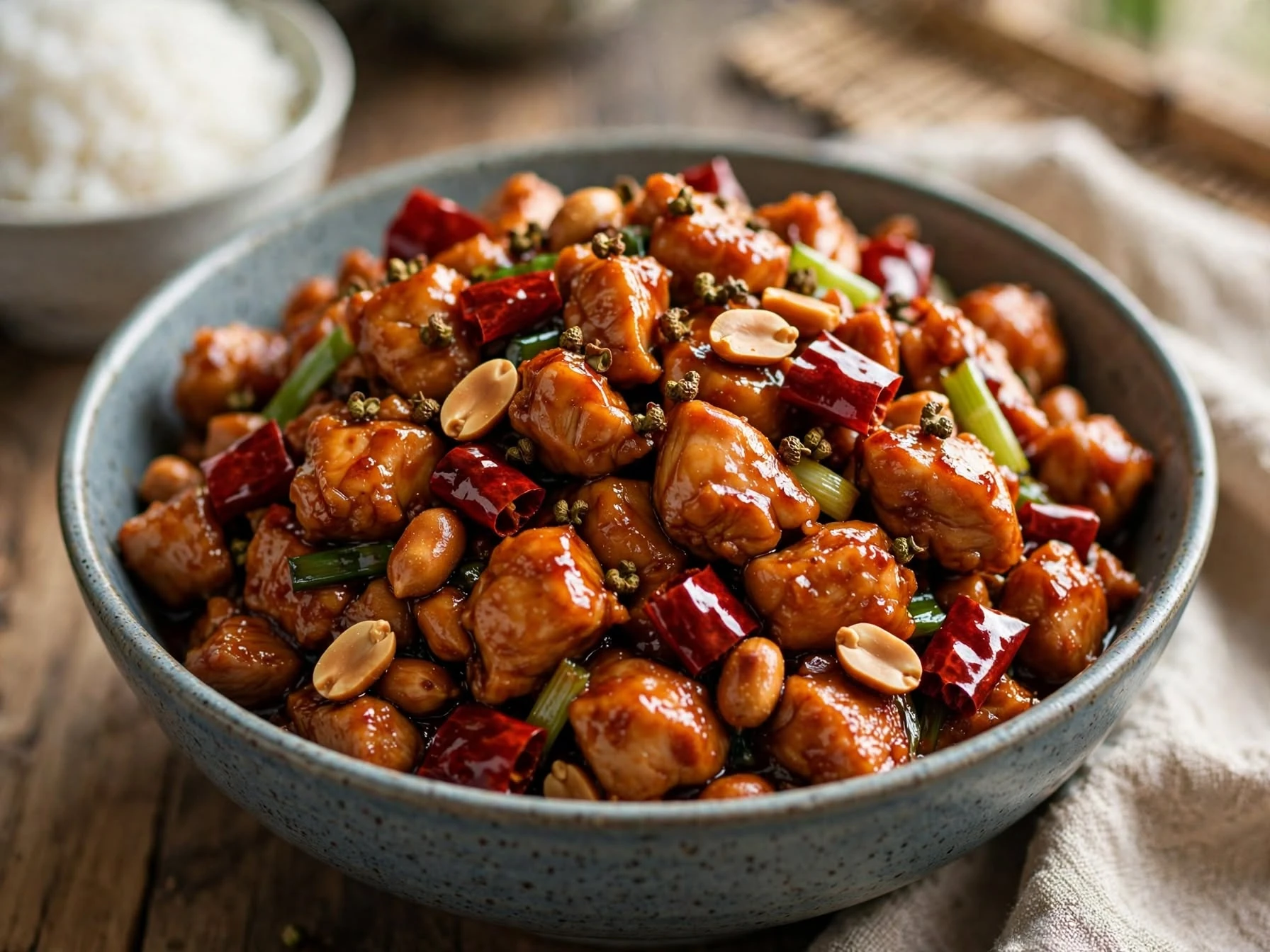
China
Kung Pao Chicken
Stay in the same food culture and follow ginger into another recipe.
Shared thread · ginger · scallions · light soy sauce
Follow the method or pantry
02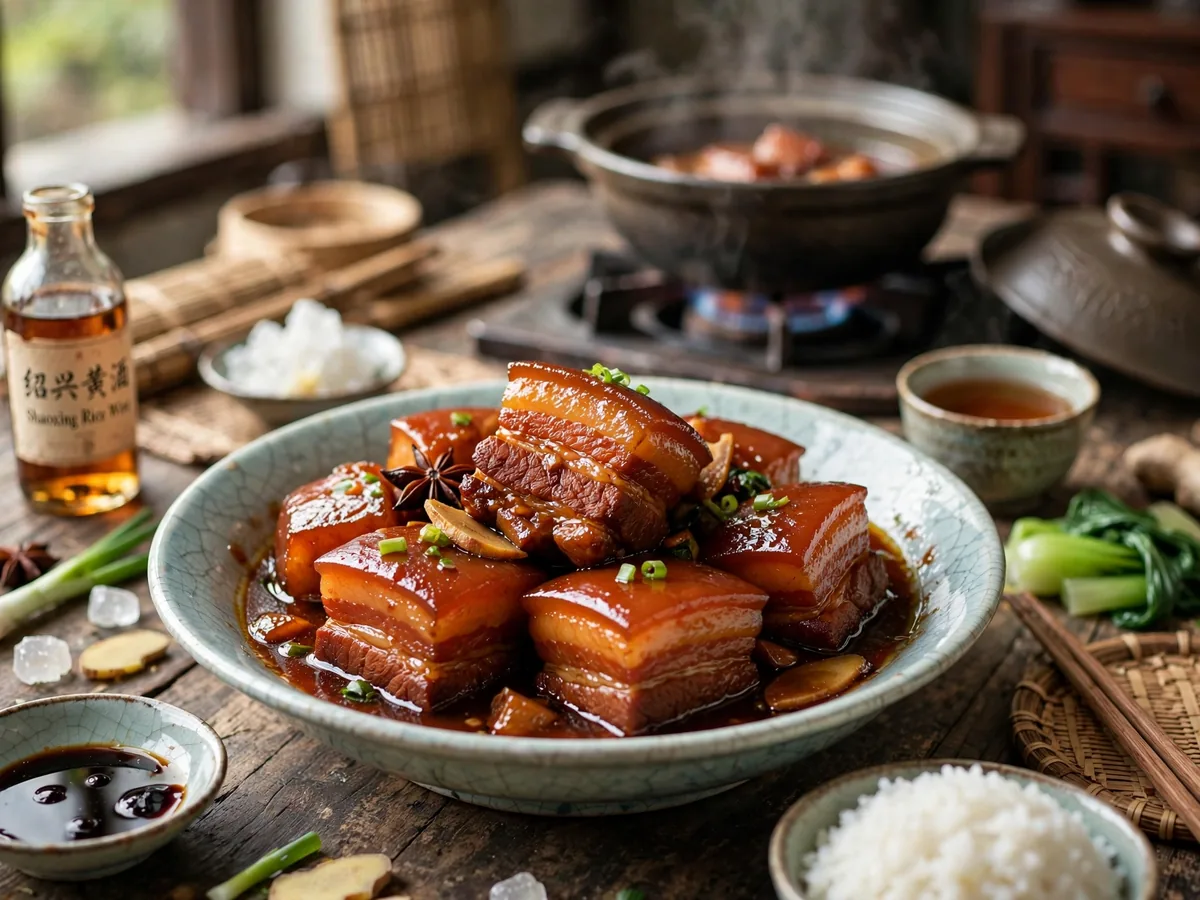
China
Shanghai-Style Red-Braised Pork
Follow the pantry: both dishes connect through ginger.
Shared thread · ginger · scallions · light soy sauce
Cross a culinary border
03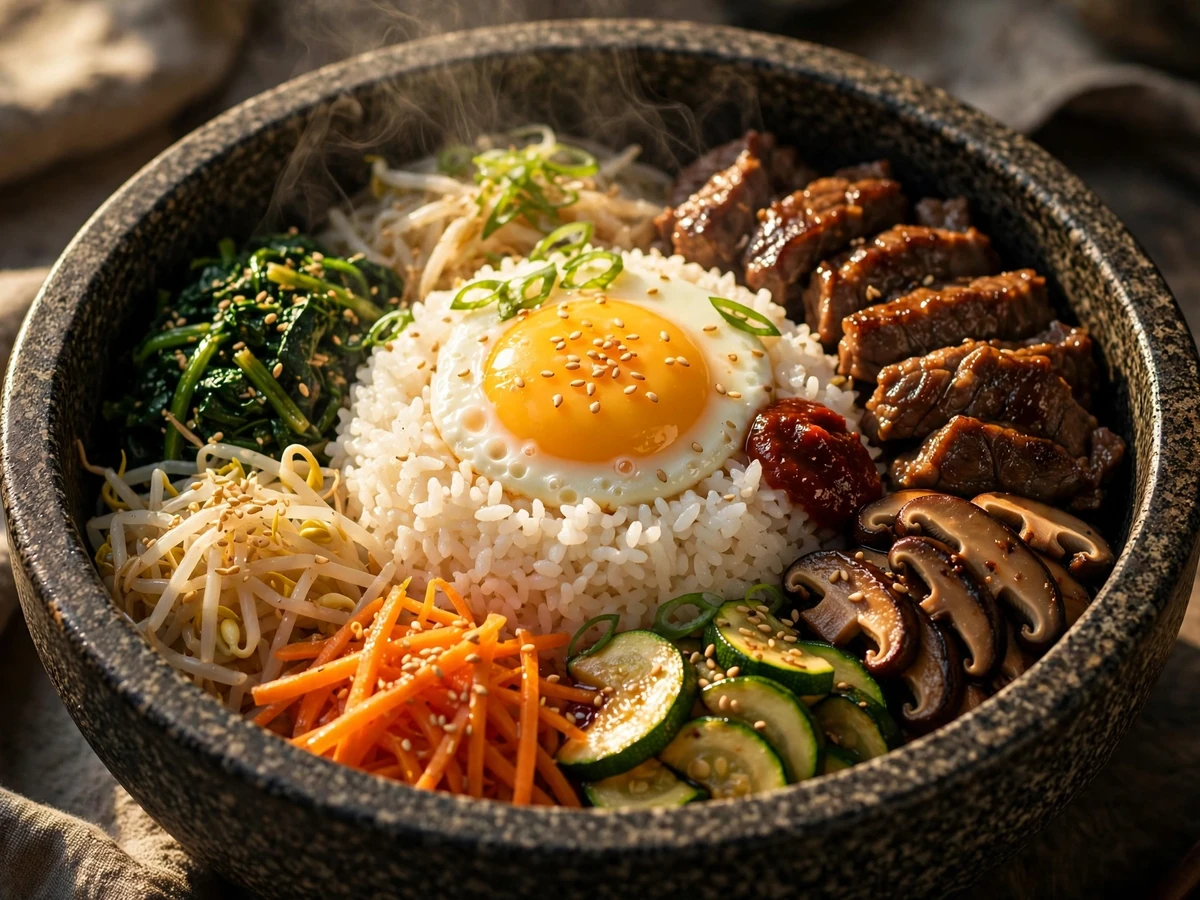
South Korea
Bibimbap
Cross borders while keeping steam as the common thread.
Shared thread · Steam · scallions · neutral oil
Continue in Ember & Equator