
China · lunch · dinner
Scallion Oil Noodles
China through one enduring dish.
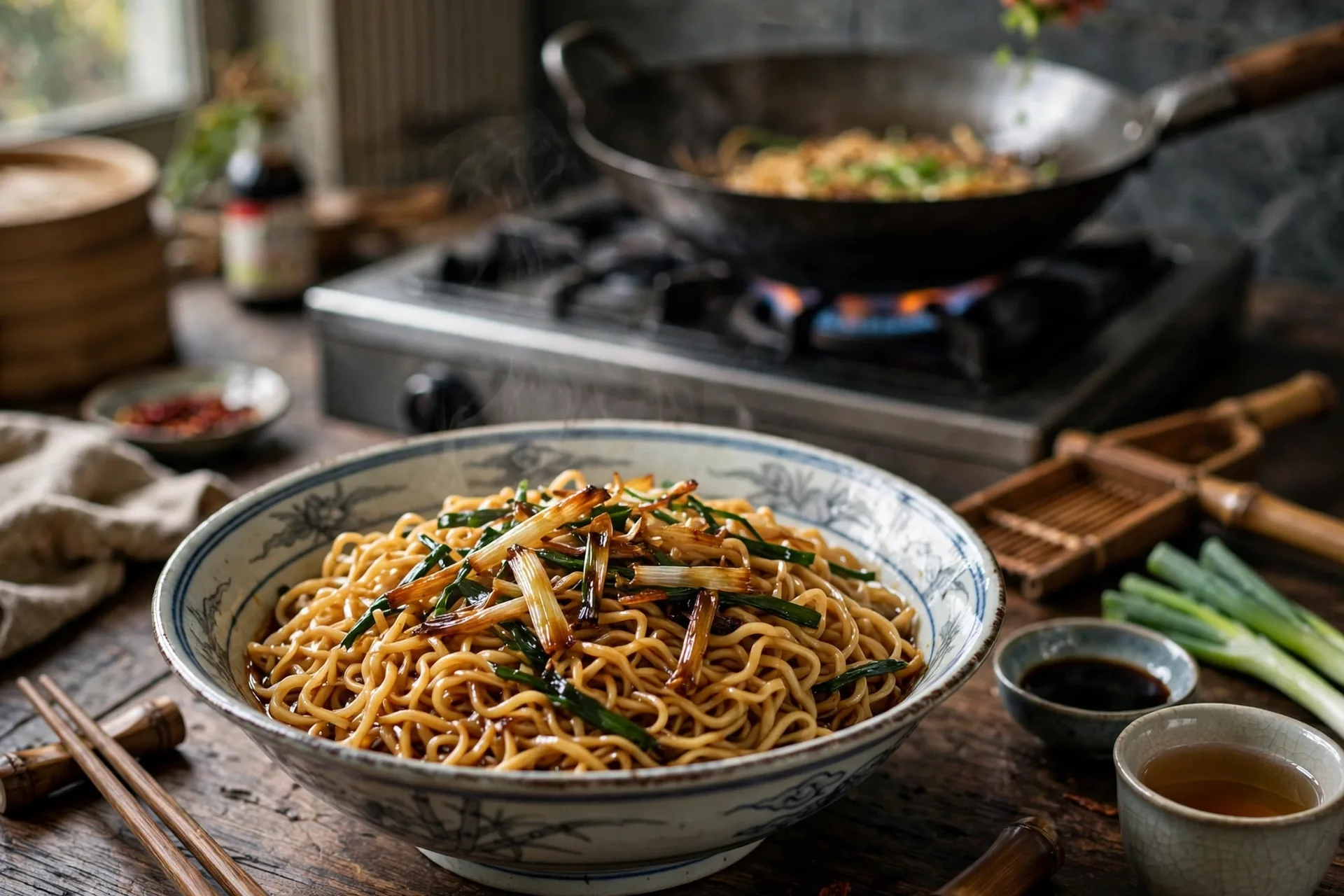
Shanghai scallion oil noodles (cōngyóu bànmiàn) pair chewy noodles with scallion-infused oil and a restrained light/dark soy dressing. The technique is simple but exacting: dry scallions, low heat and properly fried golden scallion pieces are what make the dish aromatic rather than greasy or bitter.
- Total
- 35 min
- Difficulty
- Easy
- Serves
- 4
- Steps
- 6
The dish
Place first. Then the plate.
Scallion oil noodles are a classic Shanghai snack and home-style comfort food. Shanghai’s municipal guide emphasises small fresh scallions, slow frying until dry and golden, and the combination of light and dark soy; optional dried shrimp is a recognised local addition rather than a requirement.
Explore ChinaAt a glance
Origin
China
Region
Shanghai / Jiangnan
Meal
lunch · dinner
Guided steps
6
Dish
Scallion Oil Noodles
Cuisine
Chinese cuisines
Food type
Noodle dish · Comfort food
Technique
Fry · Balance a sweet-sour-salty sauce
Cook the recipe
In the kitchen
Start with the ingredients, then follow the Method in order. Open cooking tips only when you need extra help; the story and references can wait until you are ready.
- Total
- 35 min
- Serves
- 4
- Level
- Easy
- Visual cues
- 6
Ingredients
Serves 4- 400 gfresh noodlesthin or medium wheat noodles with good chew
- 120 gscallionssmall fresh scallions; cut into 4–5 cm lengths
- 120 mlneutral oilenough to slowly fry and perfume with the scallions
- 2 tbsplight soy sauce
- 1 tbspdark soy saucefor colour and depth
Optional
- 1 tspsugaroptional but common in Shanghai-style balancing
- 20 gdried shrimpkaiyang; optional local variation, soaked and drained
Everything ready? Continue straight into the cooking steps.
Start methodMethod
6 steps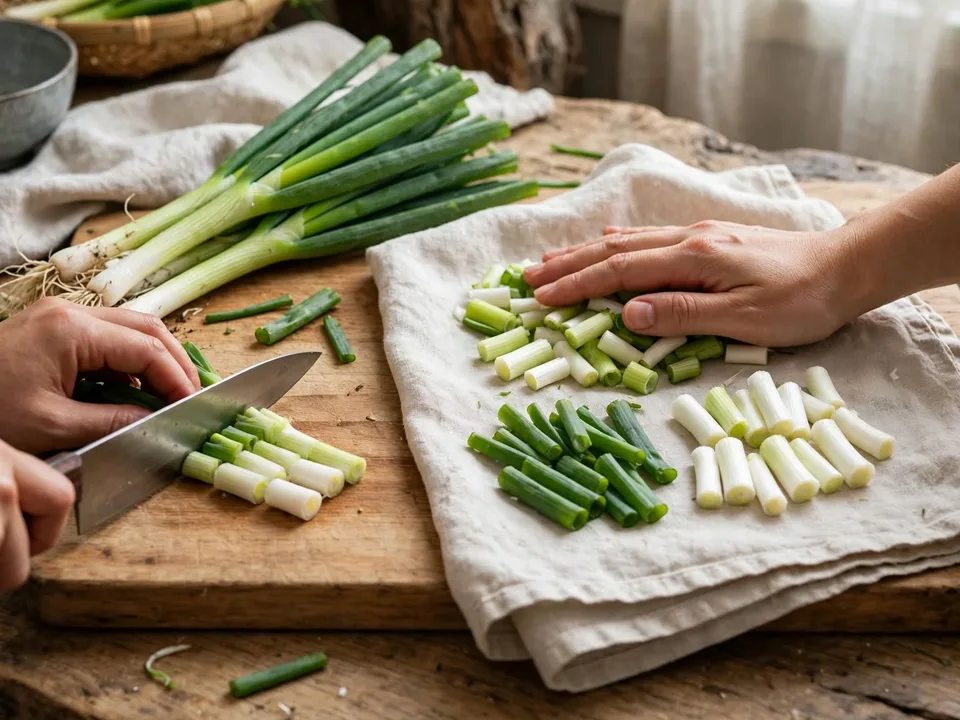 Step 01
Trim, cut and dry the scallions thoroughly
5 min
Wash the scallions, trim away roots and damaged outer layers, then cut into 4–5 cm lengths.
Wash the scallions, trim away roots and damaged outer layers, then cut into 4–5 cm lengths. Pat them very dry with towels; surface water causes dangerous splattering and slows the frying stage. Separate a small fresh-green portion for garnish only if you want that contrast at service.
Look for
The scallion pieces are dry to the touch with no beads of water on the surface.
Kitchen note
Drying is not cosmetic. Water trapped on the scallions prevents controlled oil frying and can make the pan spit aggressively.
 Step 02
Infuse the oil slowly over low heat
10 min
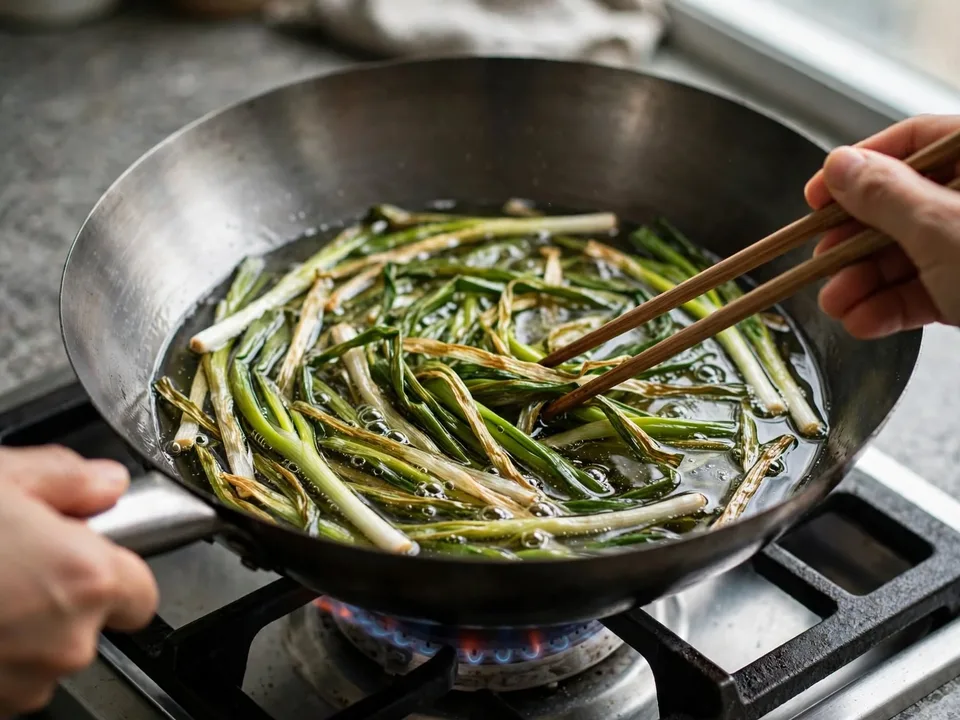
Add the oil and most of the scallions to a wok or saucepan.
Add the oil and most of the scallions to a wok or saucepan. Warm over low heat so the scallions gently sizzle rather than fry violently. Stir occasionally as they soften and release aroma into the oil.
Look for
The scallions are limp and fragrant, the oil bubbles quietly and the pieces remain mostly green to pale gold.
Kitchen note
Low heat extracts scallion flavour before browning. Starting too hot darkens the outside while the centres are still wet and grassy.
 Step 03
Fry the scallions until dry, golden and crisp
10 min
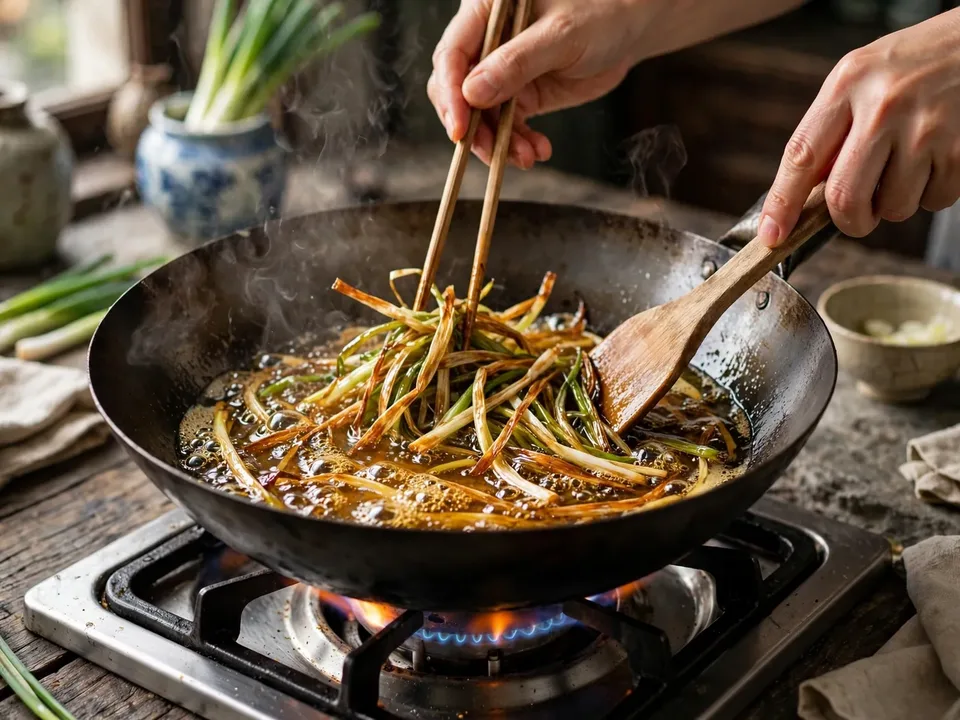
Continue over low to medium-low heat until the scallions become deep golden-brown, dry and crisp.
Continue over low to medium-low heat until the scallions become deep golden-brown, dry and crisp. Remove some of the crisp scallions for topping if desired and take the pan off the heat before they cross into black bitterness.
Look for
The scallions look shrunken, dry and deep golden-brown, and the oil smells sweet and intensely scallion-like rather than burnt.
Kitchen note
The final colour develops quickly. Pull them when deeply golden because residual heat continues browning them in the oil.
 Step 04
Heat the light and dark soy into the scallion oil
1 min
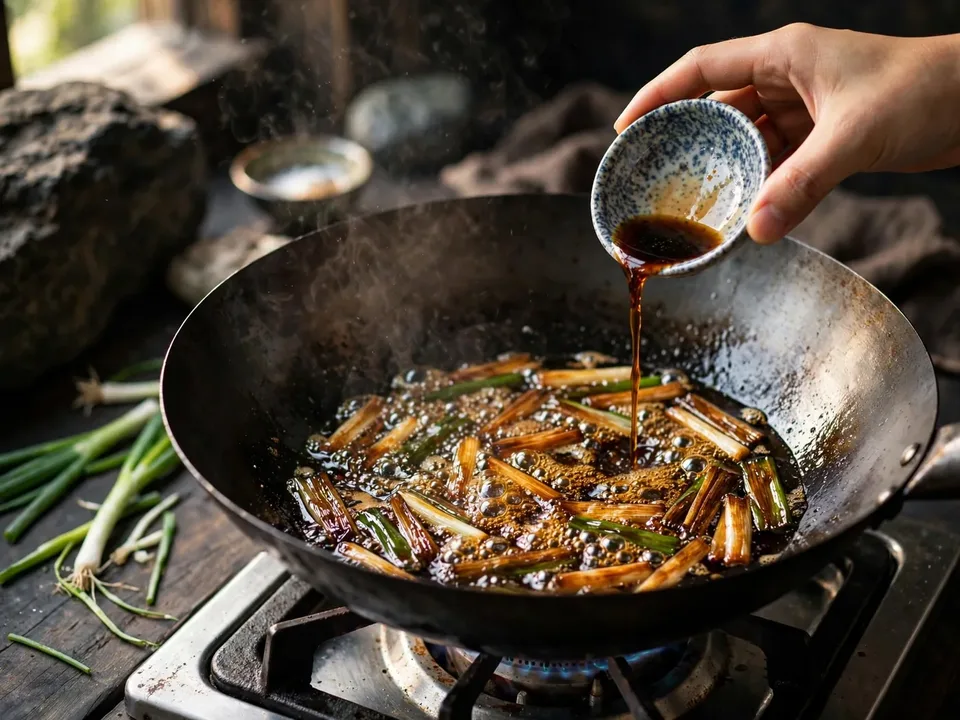
With the heat low, add the light soy, dark soy and sugar if using.
With the heat low, add the light soy, dark soy and sugar if using. If using soaked dried shrimp, add it here as well. Stir carefully for 30–60 seconds, just until the sugar dissolves and the soy loses its raw edge, then remove from the heat.
Look for
The sauce is glossy and dark brown, the sugar is dissolved and there is no harsh raw-soy aroma.
Kitchen note
Soy can spit when it hits hot oil, so lower the heat and pour around the pan rather than directly into one very hot point.
 Step 05
Cook the noodles until chewy and drain very well
4 min
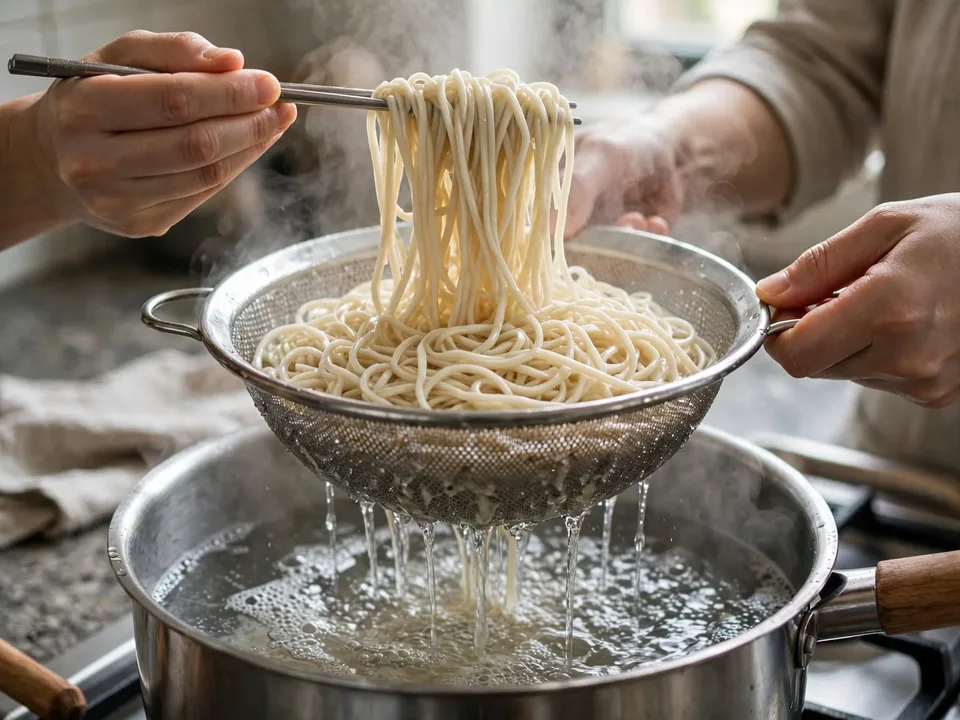
Boil the noodles in abundant water according to their thickness, tasting early so they stay pleasantly chewy.
Boil the noodles in abundant water according to their thickness, tasting early so they stay pleasantly chewy. Drain thoroughly and shake away excess water; do not rinse unless the specific noodle requires it.
Look for
The noodles are tender but still springy, with no hard centre and no visible water pooling in the colander.
Kitchen note
Water clinging to the noodles dilutes the scallion oil and leaves the bowl greasy-watery rather than glossy.
 Step 06
Toss until every strand is glossy and serve hot
2 min
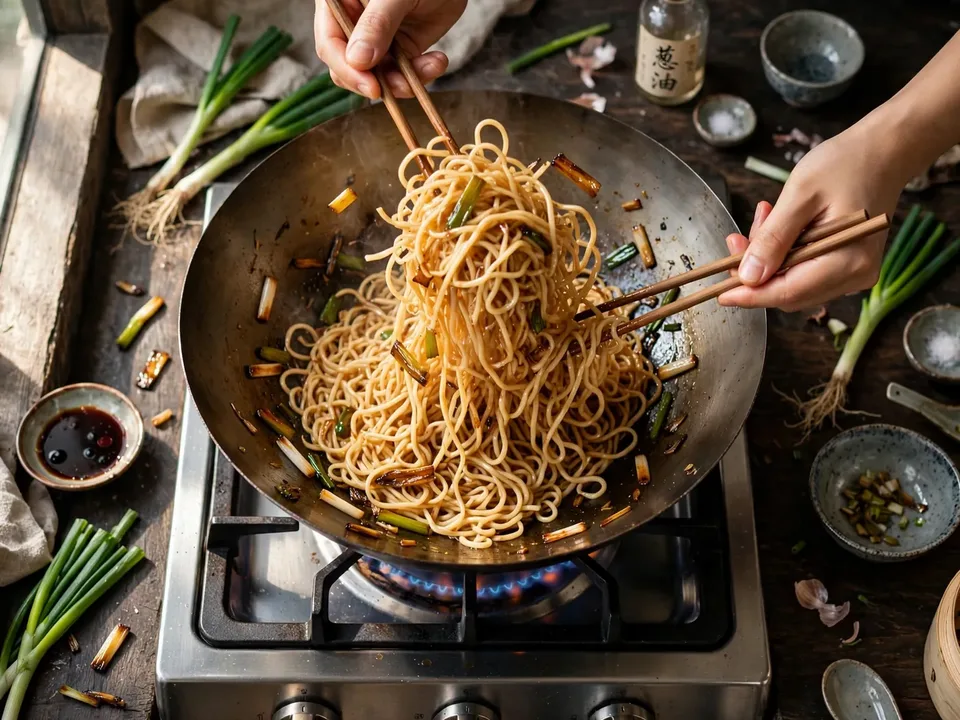
Transfer the hot drained noodles to the pan or a warmed bowl.
Transfer the hot drained noodles to the pan or a warmed bowl. Spoon over enough scallion oil and soy mixture to coat, then lift and toss repeatedly with chopsticks until every strand is evenly seasoned. Finish with the crisp scallions and any optional fresh scallion garnish.
Look for
The noodles are evenly shiny brown, loose rather than clumped and lightly coated with no puddle at the bottom of the bowl.
Kitchen note
Start with less oil-sauce than you think you need, toss, then add more. The noodles should shine without sitting in a pool of oil.
After cooking
Explore the dish beyond the method.
Story, place and references are here for discovery, so they stay out of the way while you cook.
Culture & tradition
The story behind the dish
Origins, evolution and everyday life—read together as part of the recipe's culinary record.
Origins
Shanghai's municipal food guide places the modern dish firmly in the city's local noodle tradition and records a late-19th-century City God Temple origin story for the version now recognized as scallion oil noodles. Ember & Equator treats that account as a documented local narrative rather than proof that scallion-seasoned noodles began at one exact moment.
How it evolved
As the dish moved through Shanghai homes, neighborhood noodle shops and restaurants, the core pattern remained economical: noodles, scallion-infused oil and soy. Versions may vary in sweetness, soy ratio, noodle type and toppings such as dried shrimp, but the aromatic oil remains the defining technique.
Its place today
Today it works as a compact introduction to Shanghainese home-style cooking: pantry-led, technique-sensitive and deeply tied to the city's noodle culture. It is commonly eaten as a quick meal or snack and is often served with additional toppings when a more substantial bowl is wanted.
Visual archive · plate 01
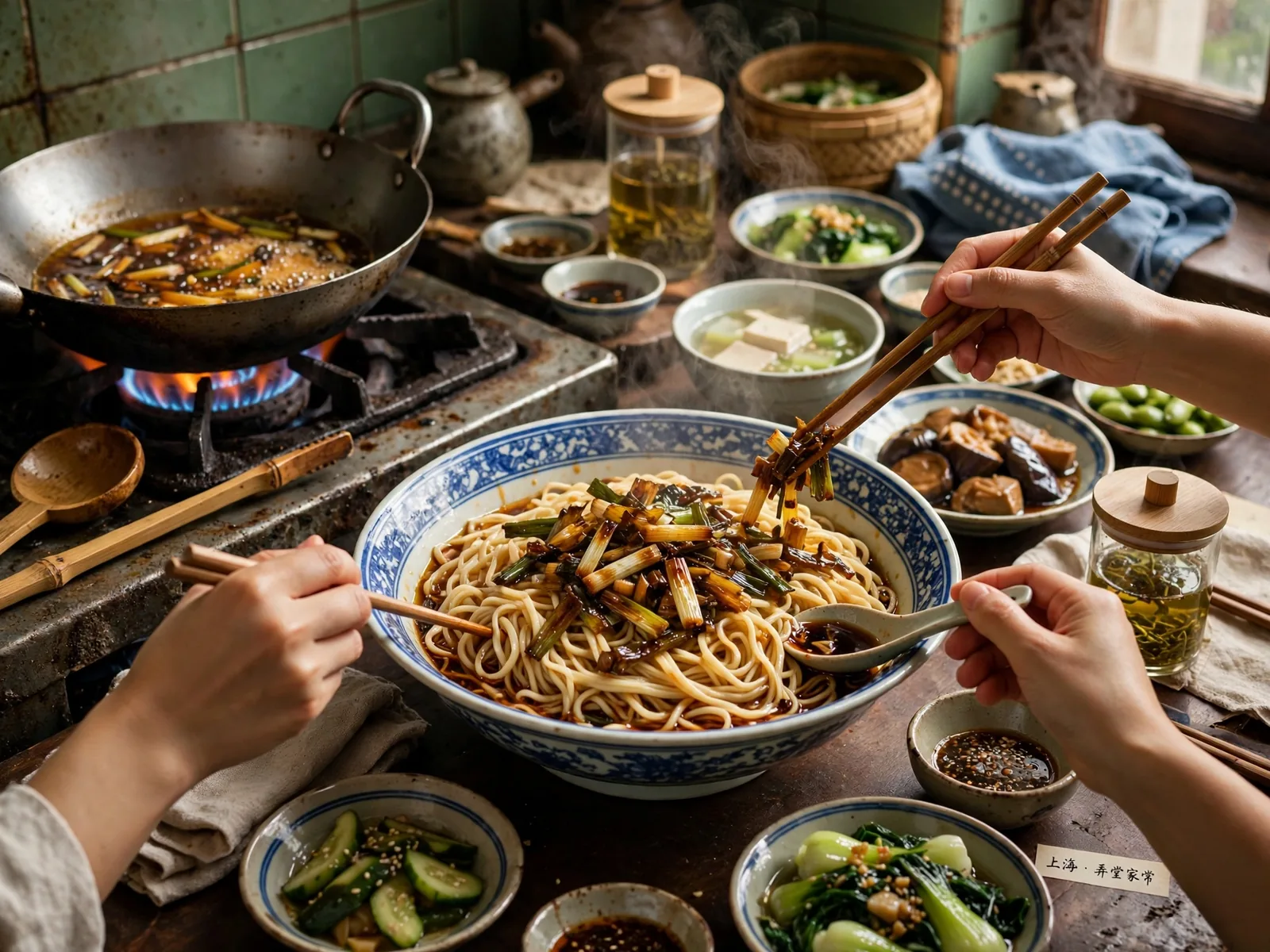
Scallion Oil Noodles
An editorial view of the finished dish, kept compact so the story continues without an oversized image break.
Primary region
Shanghai / Jiangnan
Country
China
Regional influence
The dish reflects the lower-Yangtze pantry more than a direct climate recipe: wheat noodles, soy-based seasonings and scallions combine in an urban food culture that values quick noodle meals and carefully balanced sweet-savory flavor. Its Shanghai identity comes from that pantry-and-technique context rather than from a single protected formula.
Related food systems
- Shanghai noodle-shop culture
- Lower-Yangtze soy-seasoning traditions
- Scallion-infused oils and aromatic frying
Sources & further reading
Follow the reference trail.
Ember & Equator links outward when an institution or primary reference helps support the culinary record.
- 01Scallion oil noodles: A taste of simplicity and flavorExternal ↗
Shanghai Municipal Government · government
Supports: Shanghai identity · small scallions · slow low-heat frying · light and dark soy · optional dried shrimp
Ember & Equator source review · 2026-09-17
- 02Scallion Oil NoodlesExternal ↗
Shanghai Municipal Government · government
Supports: traditional Shanghai snack · dry golden scallions · chewy noodles · scallion oil and soy assembly
Ember & Equator source review · 2026-09-17
Ingredient guides
Learn about the ingredients behind the dish.
These are reference guides, not a second ingredient list. Follow an ingredient when you want to understand its role, use and wider culinary context.
Ingredient
wheat noodles
Understand what it contributes, how to use it, and the dishes that reveal it best.
Ingredient
scallions
Understand what it contributes, how to use it, and the dishes that reveal it best.
Ingredient
neutral oil
Understand what it contributes, how to use it, and the dishes that reveal it best.
Ingredient
light soy sauce
Understand what it contributes, how to use it, and the dishes that reveal it best.
Ingredient
dark soy sauce
Understand what it contributes, how to use it, and the dishes that reveal it best.
Ingredient
sugar
Understand what it contributes, how to use it, and the dishes that reveal it best.
Keep wandering
Where will this dish take you next?
Stay with the place, follow an ingredient or technique, or cross into another food culture. Each path begins with something already present in this dish.
Stay with the place
01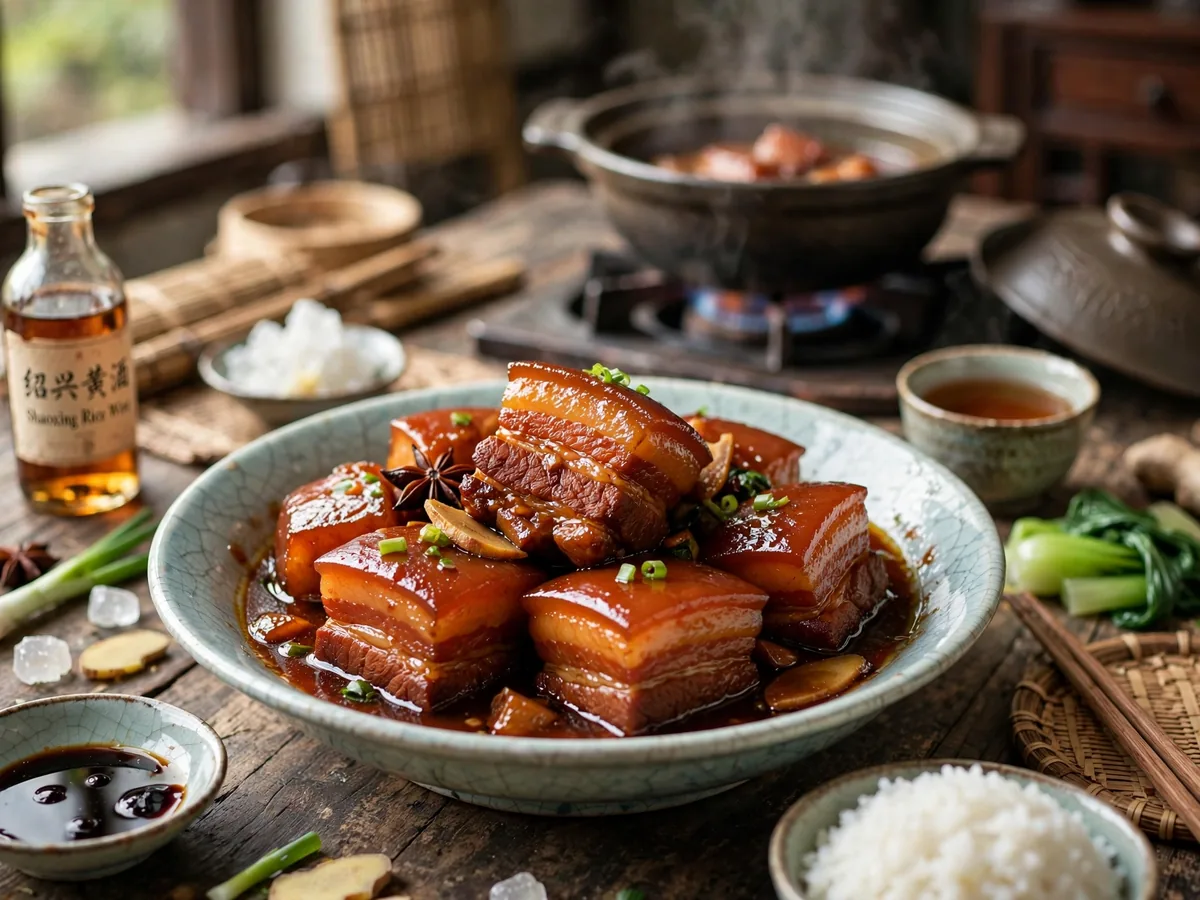
China
Shanghai-Style Red-Braised Pork
Stay in the same food culture and notice how balance a sweet-sour-salty sauce appears in another dish.
Shared thread · Balance a sweet-sour-salty sauce · scallions · neutral oil
Follow the method or pantry
02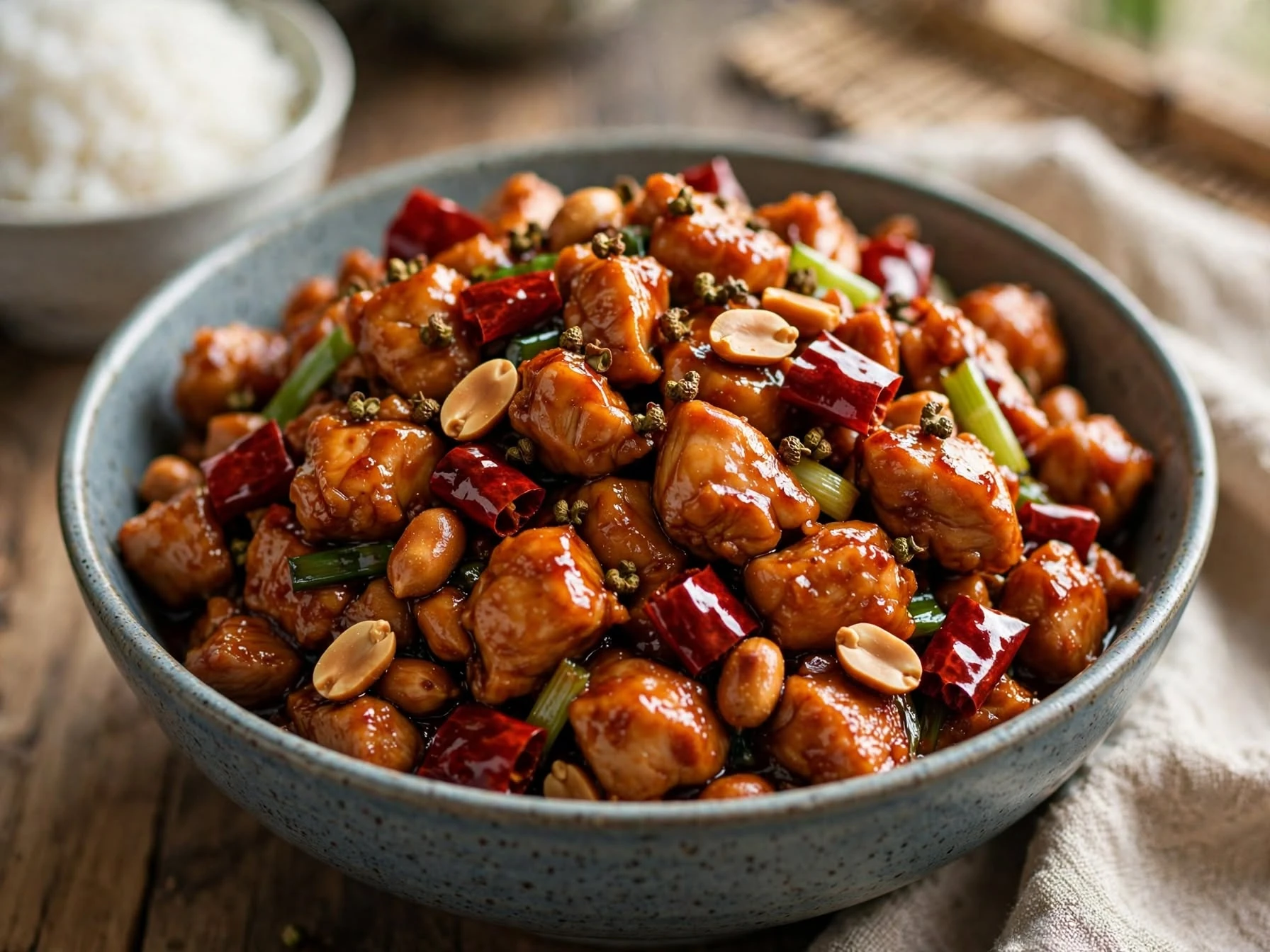
China
Kung Pao Chicken
Follow the cooking method: both dishes connect through balance a sweet-sour-salty sauce.
Shared thread · Balance a sweet-sour-salty sauce · scallions · neutral oil
Cross a culinary border
03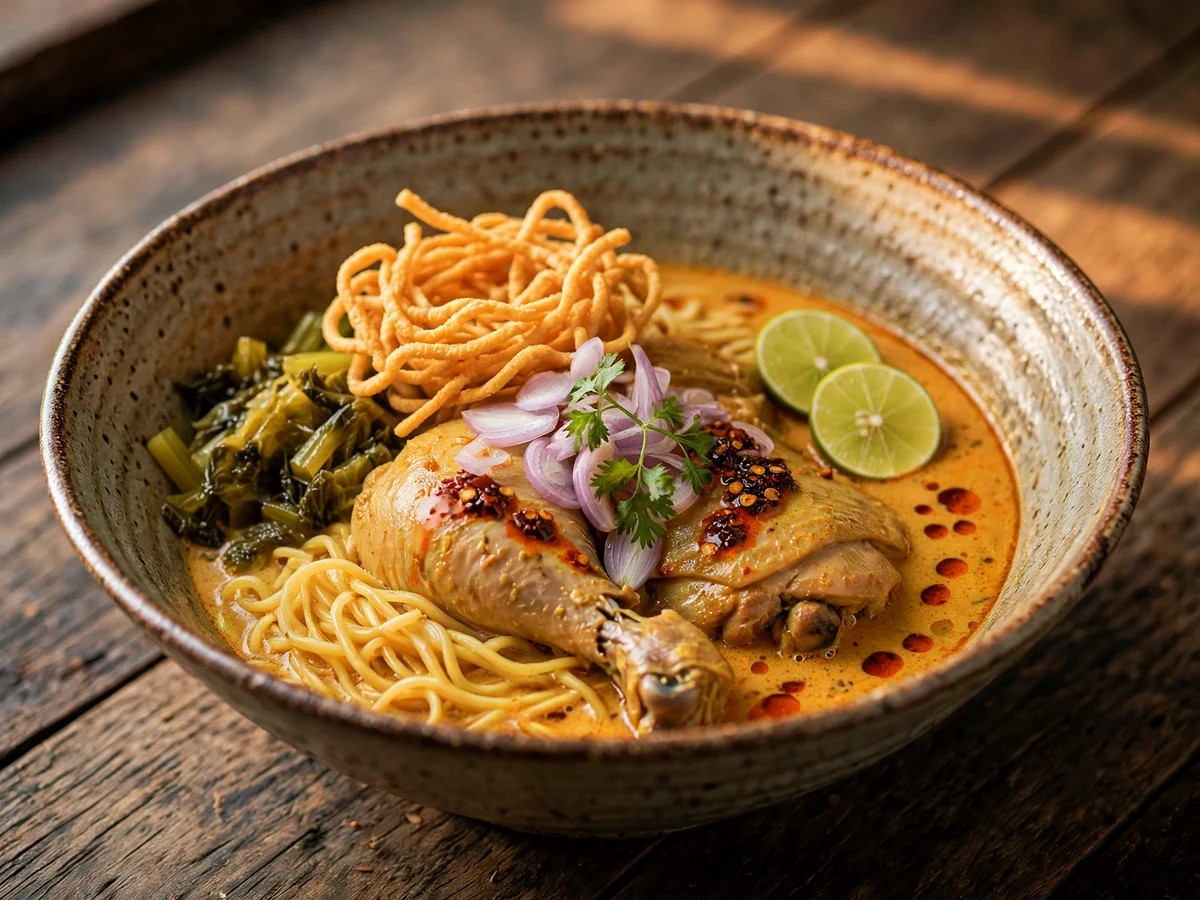
Thailand
Khao Soi
Cross borders while keeping fry as the common thread.
Shared thread · Fry · Balance a sweet-sour-salty sauce · neutral oil
Continue in Ember & Equator