
Morocco · lunch · snack
Zaalouk
Morocco through one enduring dish.
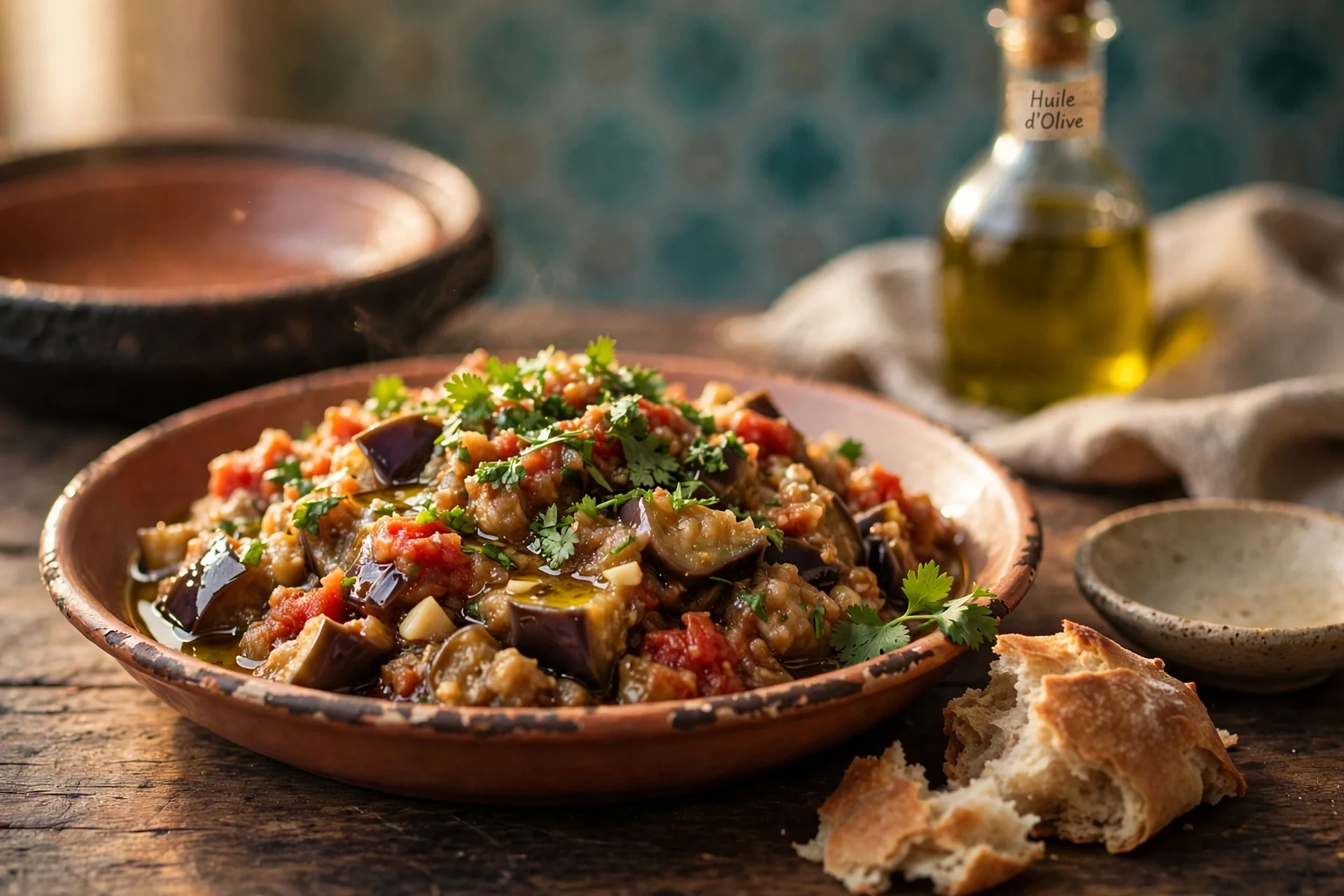
Zaalouk is a Moroccan cooked eggplant-and-tomato salad seasoned with garlic, cumin, paprika, herbs and olive oil. This Ember & Equator version chars the eggplant for smoky depth, reduces the tomatoes until jammy, then combines and gently mashes everything to a spoonable texture that can be served warm or at room temperature with bread.
- Total
- 75 min
- Difficulty
- Easy
- Serves
- 4
- Steps
- 5
The dish
Place first. Then the plate.
Zaalouk is part of Morocco’s broad tradition of cooked vegetable salads served at the table with bread and other starters. The Moroccan National Tourist Office identifies zaâlouk as a well-known eggplant preparation, while Moroccan household versions vary in how the eggplant is treated: it may be roasted, grilled, steamed, boiled or cooked directly with the tomatoes. Ember & Equator uses a charred-eggplant method because it gives a clear smoky note while preserving the familiar tomato, garlic, cumin, paprika, herb and olive-oil profile.
Explore MoroccoAt a glance
Origin
Morocco
Region
Morocco
Meal
lunch · snack
Guided steps
5
Dish
Zaalouk
Cuisine
Moroccan cuisine
Food type
Lunch · Snack · Vegetable dish
Technique
Roast or bake · Simmer · Mash
Cook the recipe
In the kitchen
Start with the ingredients, then follow the Method in order. Open cooking tips only when you need extra help; the story and references can wait until you are ready.
- Total
- 75 min
- Serves
- 4
- Level
- Easy
- Visual cues
- 5
Ingredients
Serves 4- 2 largeeggplantsabout 700 g total; choose firm, glossy eggplants
- 4 mediumripe tomatoesabout 450–500 g; peeled if desired, then grated or finely chopped
- 4 clovesgarlicfinely minced or grated
- 4 tbspextra-virgin olive oilplus a little more for serving if desired
- 1 tspground cumin
- 1 tspsweet paprika
- 1 tspfine saltplus more to taste
- 3 tbspfresh cilantrofinely chopped, divided
- 3 tbspfresh flat-leaf parsleyfinely chopped, divided
Optional
- 1/4 tspcayenne pepperoptional, for gentle heat
- 1–2 tsplemon juiceoptional, add only enough to brighten the finished salad
Everything ready? Continue straight into the cooking steps.
Start methodMethod
5 steps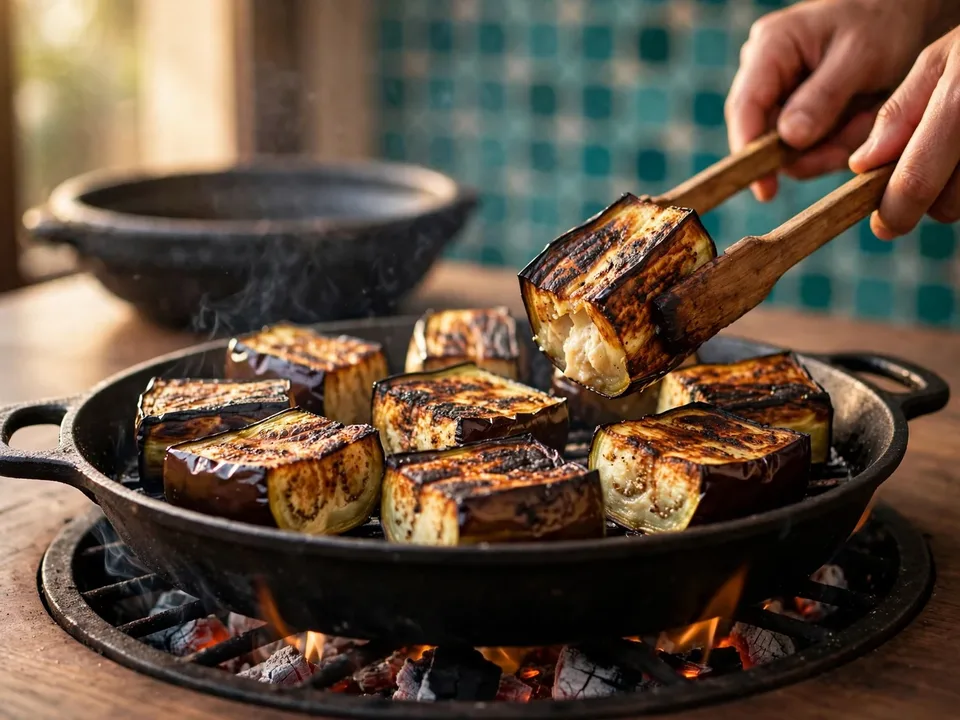 Step 01
Char the eggplant until completely tender
25 min
Trim the eggplants and cut them into thick rounds or lengthwise slabs.
Trim the eggplants and cut them into thick rounds or lengthwise slabs. Cook them on a very hot griddle, heavy skillet or grill, turning as needed, until the surfaces are deeply browned and blistered and the centres are completely soft. Work in batches rather than crowding the pan. Once cool enough to handle, roughly chop or mash the flesh. If the eggplant has released a lot of watery liquid, let it drain briefly before it goes into the tomato base.
Look for
The eggplant should be browned and blistered outside, collapsing-soft inside and easy to mash with almost no resistance.
Kitchen note
Smokiness is useful, but tenderness matters more than colour. If the eggplant is well charred outside but still firm in the centre, lower the heat and keep cooking until a spoon passes through with almost no resistance.
 Step 02
Build a concentrated tomato-spice base
15 min
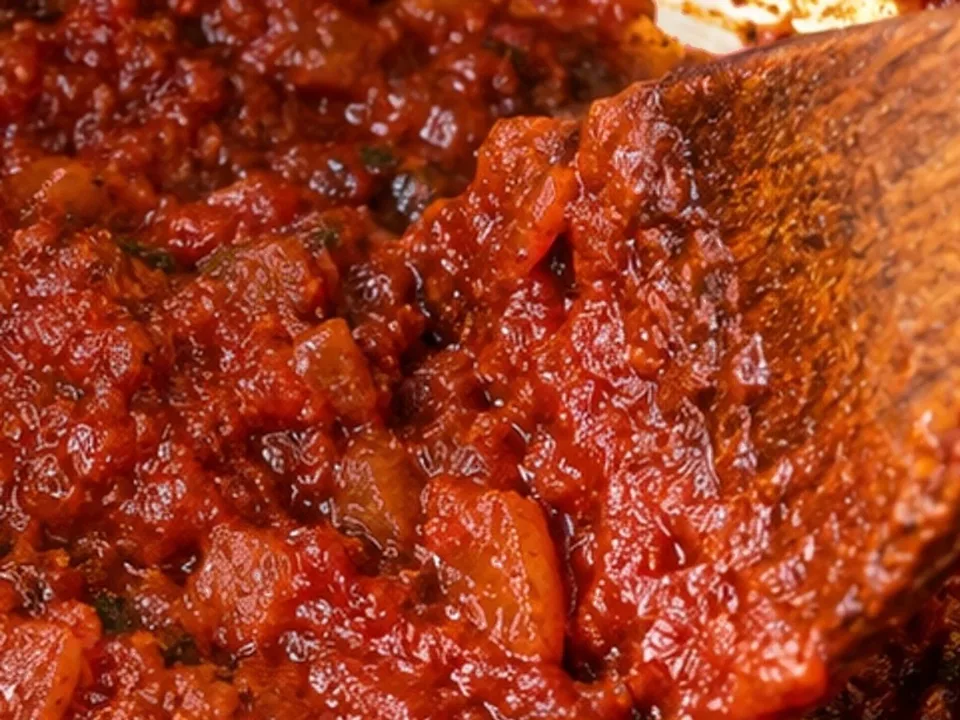
Heat 3 tablespoons of the olive oil in a wide pan over medium heat.
Heat 3 tablespoons of the olive oil in a wide pan over medium heat. Add the garlic and cook only until fragrant, about 20–30 seconds, then immediately add the tomatoes, cumin, paprika, optional cayenne and salt. Stir well and simmer uncovered for 10–15 minutes, stirring frequently, until the tomatoes collapse and the mixture becomes thick, glossy and concentrated rather than watery.
Look for
The tomatoes should look jammy and cohesive, and the oil should begin to glisten lightly around the edges instead of disappearing into a watery sauce.
Kitchen note
Use ripe tomatoes and a wide pan. The tomato base should lose its raw watery character before the eggplant goes in; if it is still soupy, keep reducing it first.
 Step 03
Combine, mash and reduce
10 min
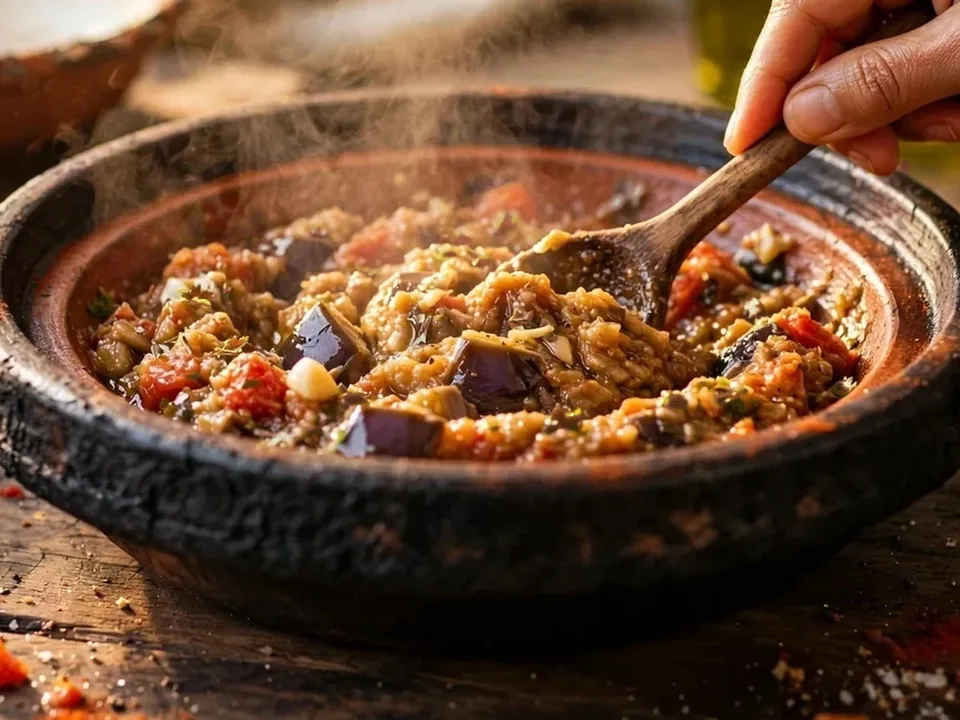
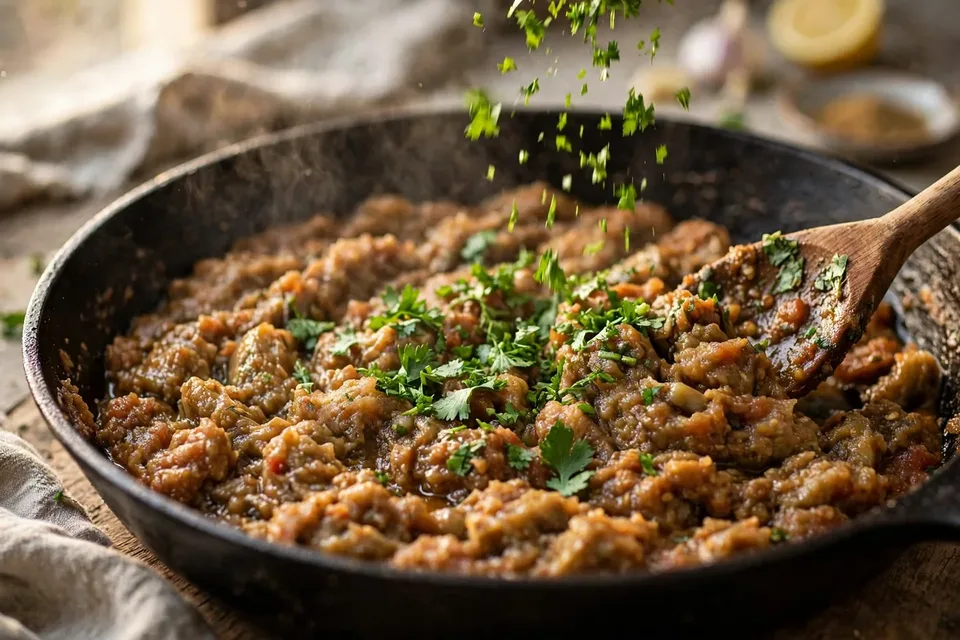
Add the cooked eggplant to the tomato mixture and stir thoroughly.
Add the cooked eggplant to the tomato mixture and stir thoroughly. Use the back of a wooden spoon or a fork to mash the larger pieces while leaving some small pieces intact for texture. Cook uncovered over medium-low heat for 8–12 minutes, scraping the base of the pan regularly, until the flavours have melded and the mixture is thick enough to mound on a spoon without looking dry.
Look for
The mixture should be cohesive and spoonable with visible small pieces of eggplant, and dragging a spoon through the pan should leave a path that fills back slowly.
Kitchen note
Do not chase a perfectly smooth purée unless that is your preference. Zaalouk can range from chunky to mash-like; the important point is that excess water has cooked away and the eggplant and tomato taste integrated.
 Step 04
Finish with herbs, olive oil and lemon
8 min
Lower the heat and stir in most of the cilantro and parsley.
Lower the heat and stir in most of the cilantro and parsley. Cook for another 2–3 minutes so the herbs soften into the zaalouk without losing all their freshness. Turn off the heat, add the remaining tablespoon of olive oil and, if using, 1 teaspoon of lemon juice. Taste before adding more lemon or salt. Let the zaalouk rest for 5–10 minutes so the seasoning settles and the texture firms slightly.
Look for
The salad should look glossy and thick with green herb flecks throughout; it should taste savoury, earthy, gently smoky and bright without being sharply sour.
Kitchen note
Lemon is optional and should brighten rather than dominate. If the zaalouk already tastes lively from ripe tomatoes, you may need very little—or none at all.
 Step 05
Serve warm or at room temperature
2 min
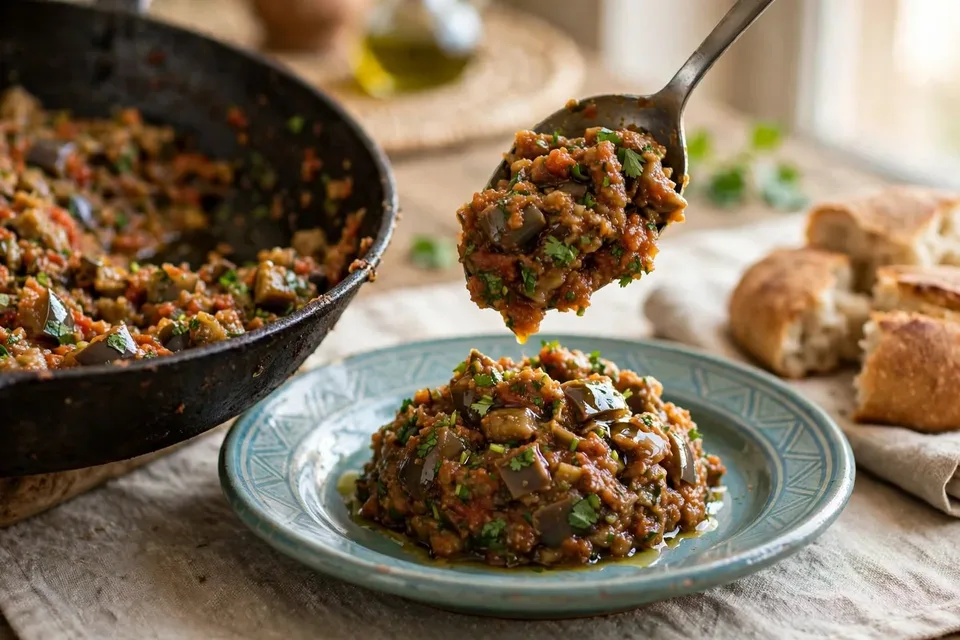
Spoon the zaalouk onto a shallow serving plate and shape it into a soft mound.
Spoon the zaalouk onto a shallow serving plate and shape it into a soft mound. Finish with a small drizzle of olive oil and a little fresh cilantro or parsley if desired. Serve warm, at room temperature or chilled, traditionally with Moroccan bread or another crusty bread for scooping. For leftovers, refrigerate once cool and reheat gently in a pan if you want to serve it warm again; cook off any liquid released during storage before serving.
Look for
The zaalouk should hold a soft mound on the plate, look glossy rather than watery, and be easy to scoop with bread without running across the plate.
Kitchen note
Zaalouk often tastes even more integrated after a short rest. Whatever serving temperature you choose, check the seasoning again before it reaches the table because chilled food can taste less salty and aromatic.
After cooking
Explore the dish beyond the method.
Story, place and references are here for discovery, so they stay out of the way while you cook.
Culture & tradition
The story behind the dish
Origins, evolution and everyday life—read together as part of the recipe's culinary record.
Origins
Cooked vegetable salads are an important part of Moroccan table culture, allowing seasonal produce to be seasoned boldly and served warm or at room temperature.
How it evolved
Zaalouk recipes vary in whether eggplant is boiled, roasted or fried before being cooked with tomato and spices.
Its place today
It remains a versatile starter or side, often eaten with bread and served alongside other salads before or with a main meal.
Visual archive · plate 01
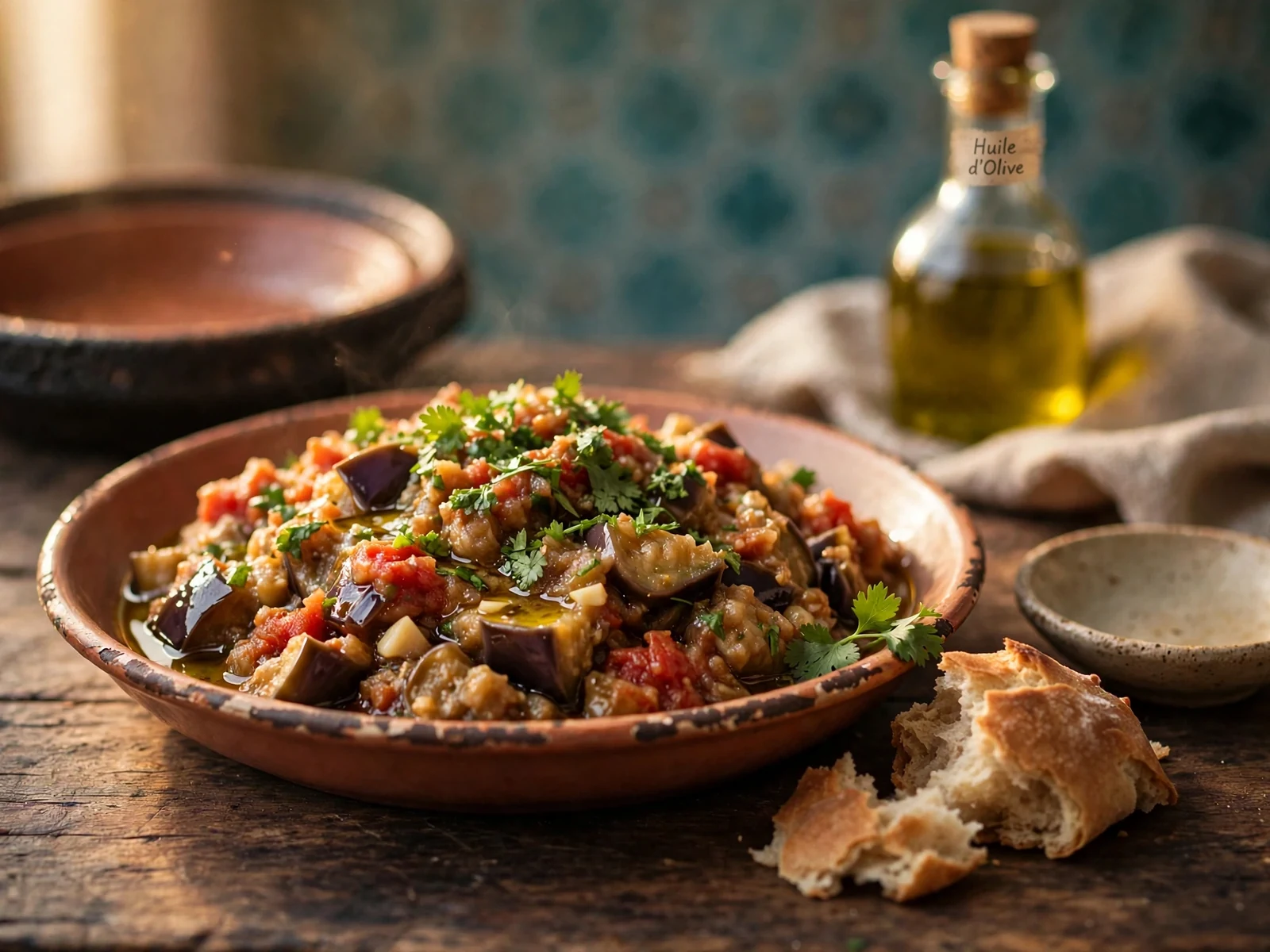
Zaalouk
An editorial view of the finished dish, kept compact so the story continues without an oversized image break.
Primary region
Morocco
Country
Morocco
Regional influence
Eggplant, tomato, olive oil, herbs and warm spices reflect Mediterranean and North African produce and pantry traditions.
Related food systems
- Moroccan cooked salads
- Mediterranean vegetables
- Bread-and-salad table culture
Sources & further reading
Follow the reference trail.
Ember & Equator links outward when an institution or primary reference helps support the culinary record.
- 01Moroccan Food & DrinkExternal ↗
Moroccan National Tourist Office · government
Supports: Moroccan starters · zaâlouk · couscous · Moroccan meal culture
Ember & Equator source review · 2026-09-16
- 02Moroccan Zaalouk Recipe – Eggplant and Tomato Salad or DipExternal ↗
Taste of Maroc · specialist publication
Supports: zaalouk technique variations · roasted eggplant method · tomato reduction · texture · serving and storage
Ember & Equator source review · 2026-09-16
Ingredient guides
Learn about the ingredients behind the dish.
These are reference guides, not a second ingredient list. Follow an ingredient when you want to understand its role, use and wider culinary context.
Ingredient
eggplants
Understand what it contributes, how to use it, and the dishes that reveal it best.
Ingredient
tomatoes
Understand what it contributes, how to use it, and the dishes that reveal it best.
Ingredient
garlic
Understand what it contributes, how to use it, and the dishes that reveal it best.
Ingredient
olive oil
Understand what it contributes, how to use it, and the dishes that reveal it best.
Ingredient
ground cumin
Understand what it contributes, how to use it, and the dishes that reveal it best.
Ingredient
sweet paprika
Understand what it contributes, how to use it, and the dishes that reveal it best.
Keep wandering
Where will this dish take you next?
Stay with the place, follow an ingredient or technique, or cross into another food culture. Each path begins with something already present in this dish.
Stay with the place
01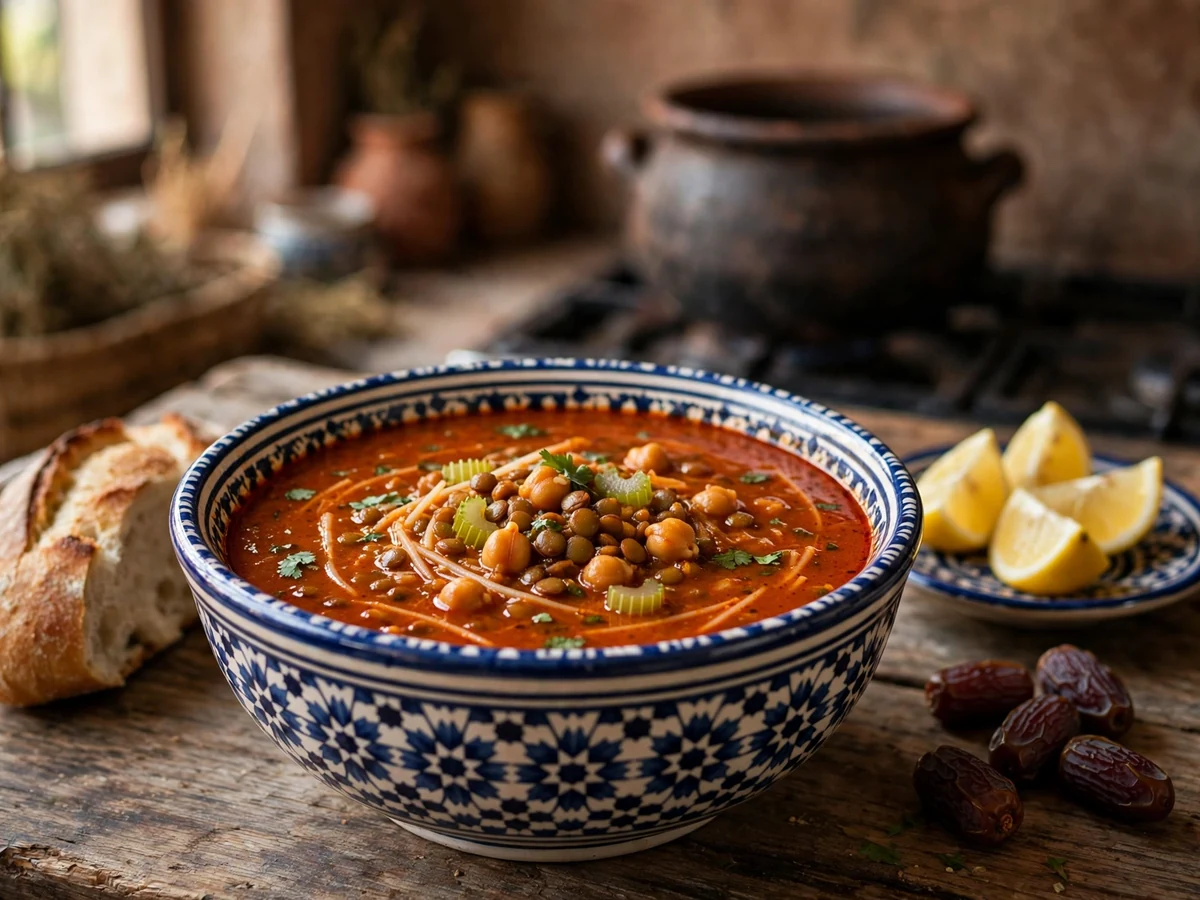
Morocco
Harira
Stay in the same food culture and notice how simmer appears in another dish.
Shared thread · Simmer · garlic · olive oil
Follow the method or pantry
02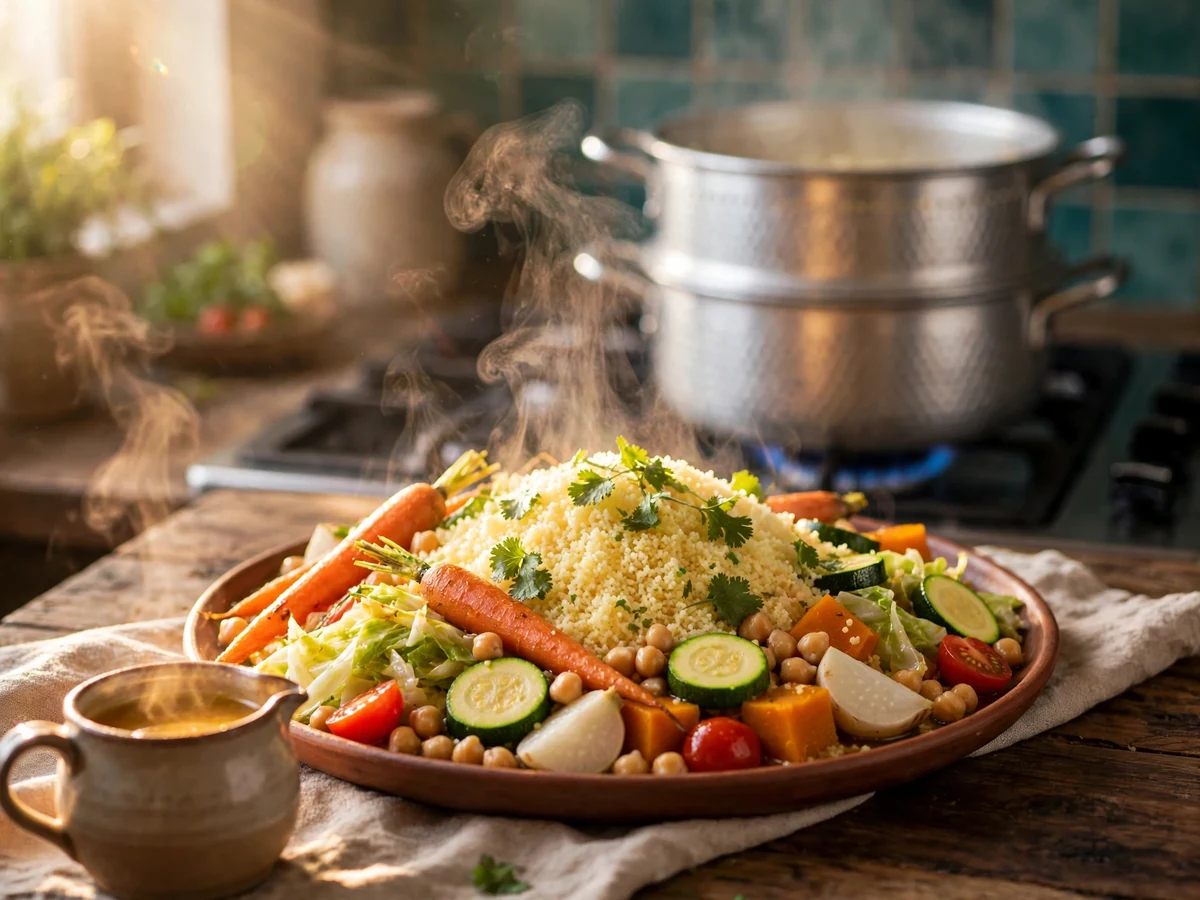
Morocco
Moroccan Couscous with Seven Vegetables
Follow the cooking method: both dishes connect through simmer.
Shared thread · Simmer · tomatoes · olive oil
Cross a culinary border
03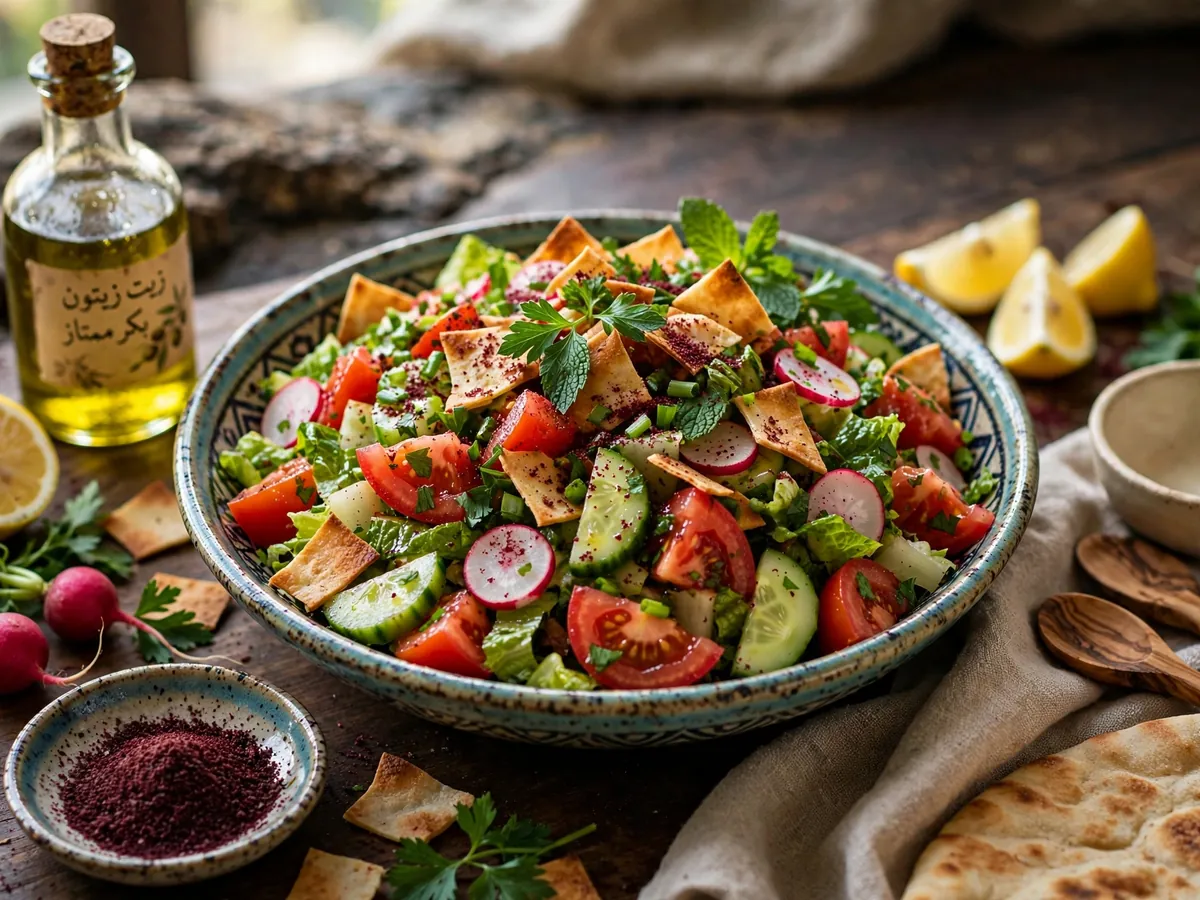
Lebanon
Fattoush
Cross borders while keeping roast or bake as the common thread.
Shared thread · Roast or bake · tomatoes · garlic
Go one layer deeper
One small detail can open an entirely different part of food.
Continue in Ember & Equator