
Peru · lunch · dinner
Peruvian Ceviche
Peru through one enduring dish.
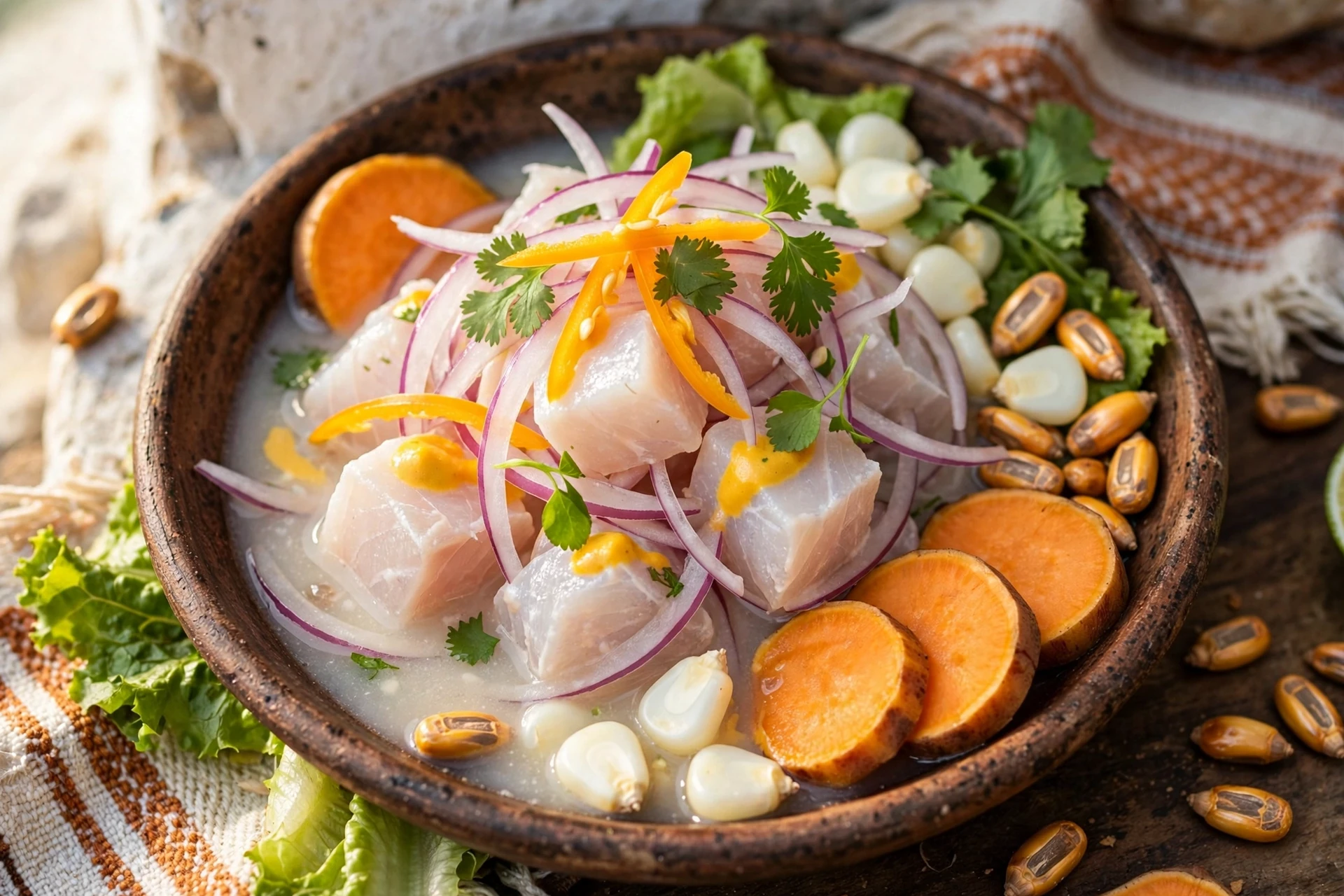
Peruvian ceviche is a coastal preparation of raw fish dressed to order with lime, ají and salt, prized for the brief transformation that firms the fish while preserving its fresh character.
- Total
- 45 min
- Difficulty
- Medium
- Serves
- 4
- Steps
- 7
The dish
Place first. Then the plate.
Ceviche is not simply a citrus-marinated fish recipe: in Peru it is a living social practice with regional expressions tied to coastal fishing, local produce, cevicherías and shared ideas about freshness. UNESCO inscribed the practices and meanings associated with its preparation and consumption in 2023, recognizing knowledge transmitted through families, cooks, fishers and farming communities across the country.
Explore PeruAt a glance
Origin
Peru
Region
Peruvian coast
Meal
lunch · dinner
Guided steps
7
Dish
Peruvian Ceviche
Cuisine
Peruvian cuisine
Food type
Lunch · Dinner
Technique
Marinate
Cook the recipe
In the kitchen
Start with the ingredients, then follow the Method in order. Open cooking tips only when you need extra help; the story and references can wait until you are ready.
- Total
- 45 min
- Serves
- 4
- Level
- Medium
- Visual cues
- 7
Ingredients
Serves 4- 600 gfirm white fishvery fresh, boneless fish from a trusted supplier suitable for raw consumption; keep refrigerated
- 180 mllime juicefreshly squeezed shortly before mixing; do not crush the rinds while juicing
- 1 wholeají limoseeded if a milder heat is wanted; finely sliced
- 1 mediumred onionvery thinly sliced into feather-like strips
- 2 tbspfresh corianderleaves finely chopped
- 1 tspsaltplus more to taste
- 2 smallsweet potatocooked and cooled, to serve
- 1 cupcorncooked choclo or other large-kernel corn, drained, to serve
Optional
- 1 small clovegarlicfinely grated; used lightly in this Ember & Equator version
Everything ready? Continue straight into the cooking steps.
Start methodMethod
7 steps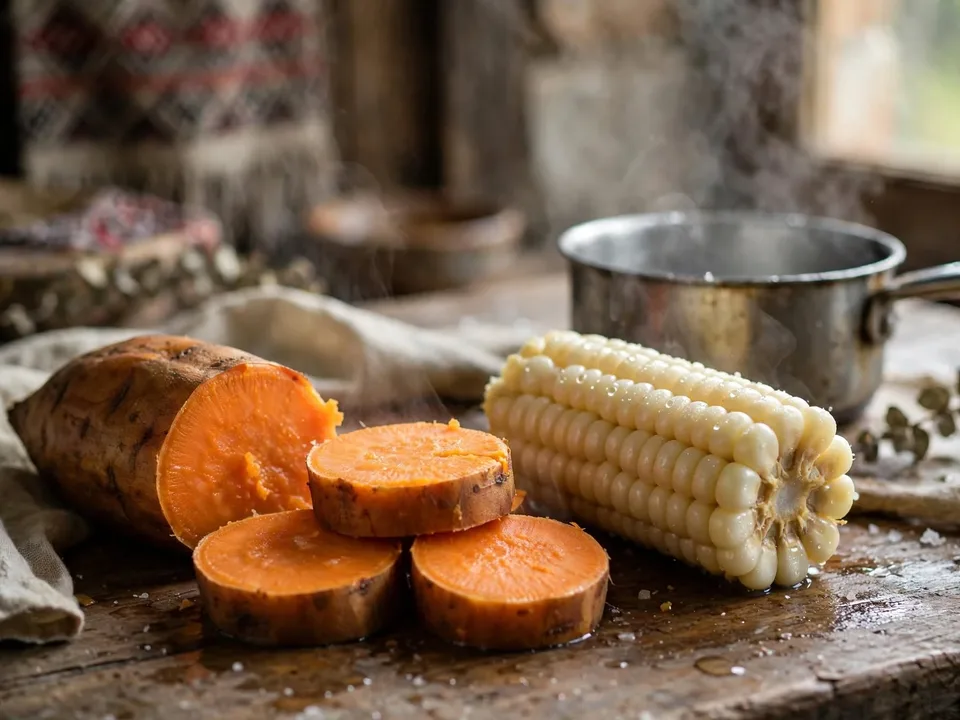 Step 01
Cook and cool the sweet potato and corn first
20 min
Cook the sweet potatoes until just tender, cool them, then peel and cut into serving pieces.
Cook the sweet potatoes until just tender, cool them, then peel and cut into serving pieces. Cook the corn until tender and drain well. Keep both accompaniments ready before the raw fish is seasoned so the finished ceviche never has to wait.
Look for
The sweet potato is tender without collapsing and the corn is cooked, drained and cool enough to plate immediately.
Kitchen note
Ceviche becomes less delicate every minute after citrus contact. Treat the cooked accompaniments as advance mise en place, not something to finish while the fish sits in lime.
 Step 02
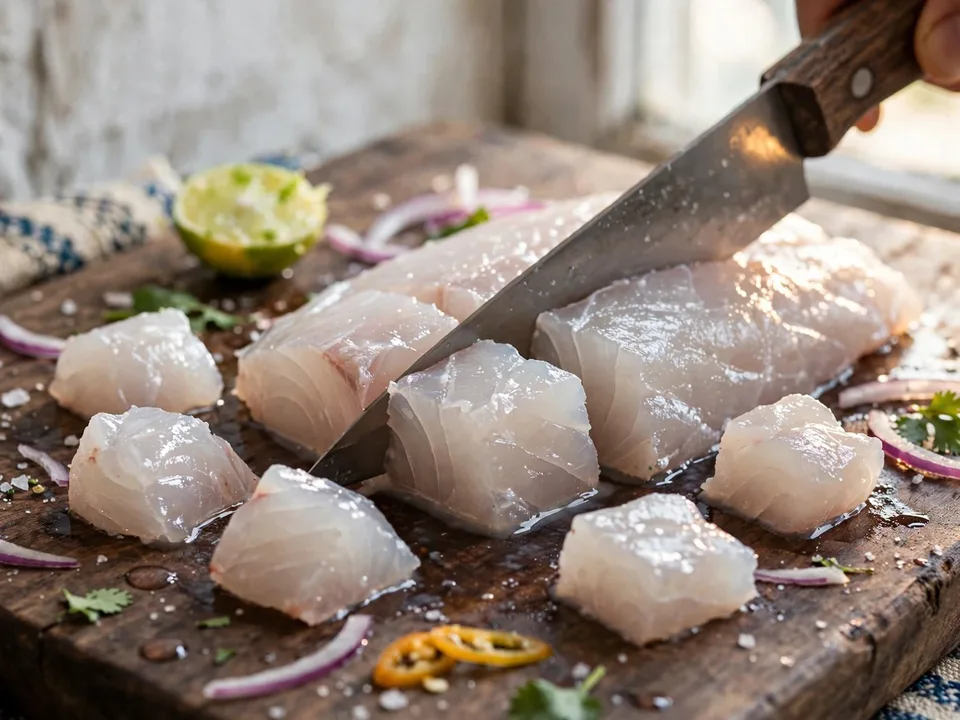
Keep the fish cold, bone it and cut even cubes
8 min
Work with the fish straight from the refrigerator.
Work with the fish straight from the refrigerator. Pat it dry, remove every pin bone and any bloodline you do not want in the finished dish, then cut into even 2 cm cubes with a sharp knife. Return the bowl to the refrigerator while you prepare the seasonings.
Look for
The cubes are cleanly cut, glossy, cold and approximately the same size so they season at a similar rate.
Kitchen note
Cold, dry fish cuts cleanly and holds a firmer texture. Do not leave raw fish at room temperature while the garnishes are prepared. Use fish from a supplier you trust for raw preparation and keep it refrigerated until cutting. Citrus changes colour and texture but is not a substitute for safe sourcing and cold handling.
 Step 03
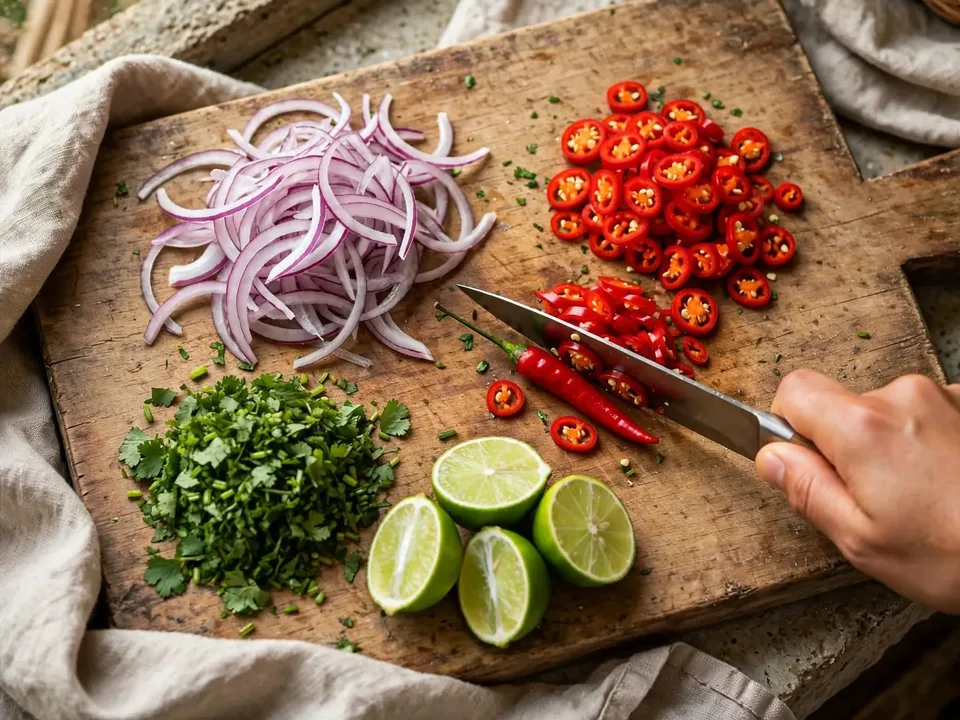
Prepare the onion, ají, coriander and lime
8 min
Slice the red onion very thinly.
Slice the red onion very thinly. If its raw bite is aggressive, rinse it briefly in very cold water and drain thoroughly. Slice the ají limo, chop the coriander leaves and squeeze the limes gently into a non-reactive bowl, stopping before crushing the bitter white pith and rind.
Look for
The onion is crisp and feather-thin, the herbs are fresh, and the lime juice tastes sharp and aromatic without rind bitterness.
Kitchen note
Juice the limes close to service. Aggressive squeezing pulls bitter oils from the rind and can make the leche de tigre harsh rather than bright.
 Step 04
Season the fish before the lime goes in
1 min
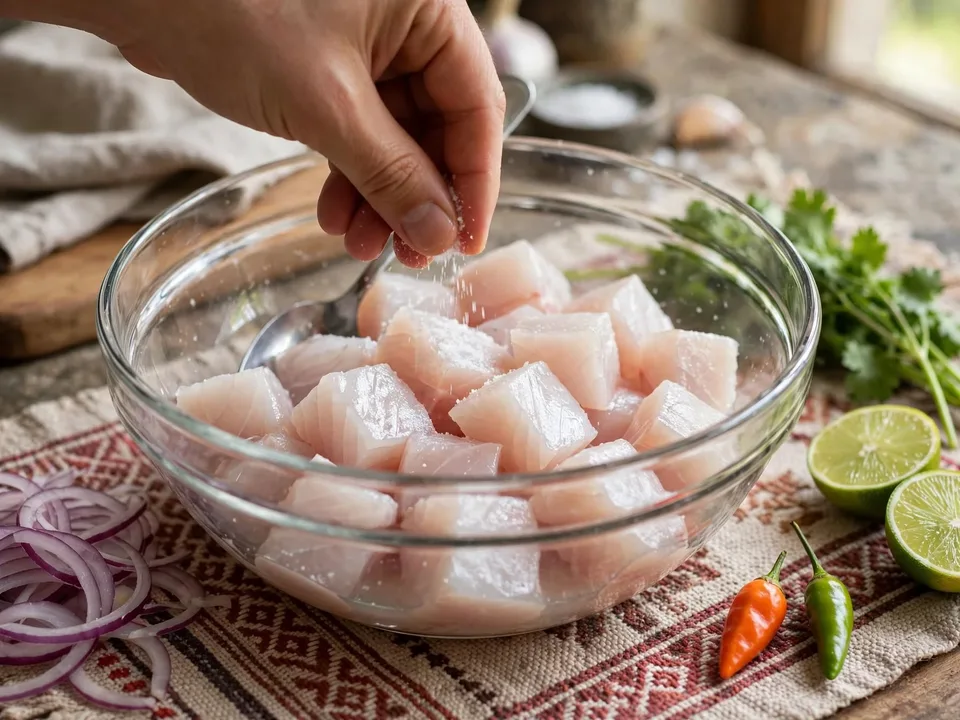
Place the cold fish in a glass, ceramic or stainless-steel bowl.
Place the cold fish in a glass, ceramic or stainless-steel bowl. Add the salt, ají limo and the optional trace of grated garlic. Toss gently for a few seconds so the seasoning reaches the fish surfaces without bruising the cubes.
Look for
The fish is evenly seasoned and still glossy, cold and firm, with no broken or mashed edges.
Kitchen note
Salt and chile should season the fish, not cure it for a long period. Keep this stage short and use a non-reactive bowl.
 Step 05
Add the lime and toss only briefly
2 min
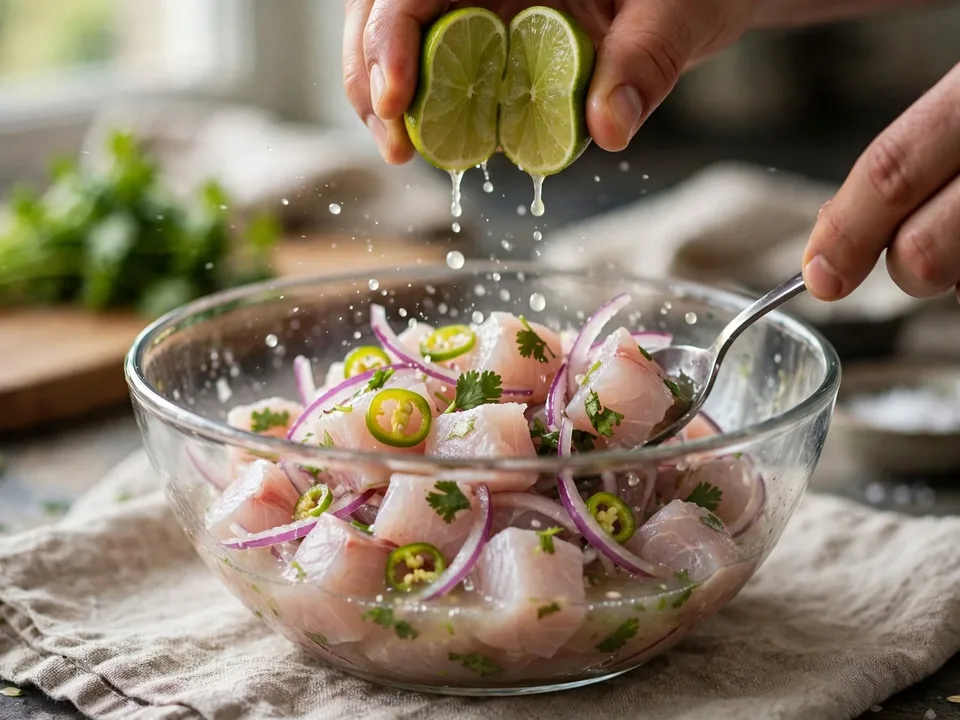
Pour over the fresh lime juice and toss gently so every cube is coated.
Pour over the fresh lime juice and toss gently so every cube is coated. Let the mixture stand only briefly—about 1–2 minutes for this cut size—while watching the fish texture rather than waiting for the centre to turn fully opaque.
Look for
The exterior of the fish becomes slightly opaque while the centre remains moist and tender rather than chalky.
Kitchen note
Lime changes texture but does not make raw fish microbiologically equivalent to cooked fish. Use properly handled fish intended for raw consumption and keep the entire preparation cold.
 Step 06
Fold in the onion and coriander and balance the juices
1 min
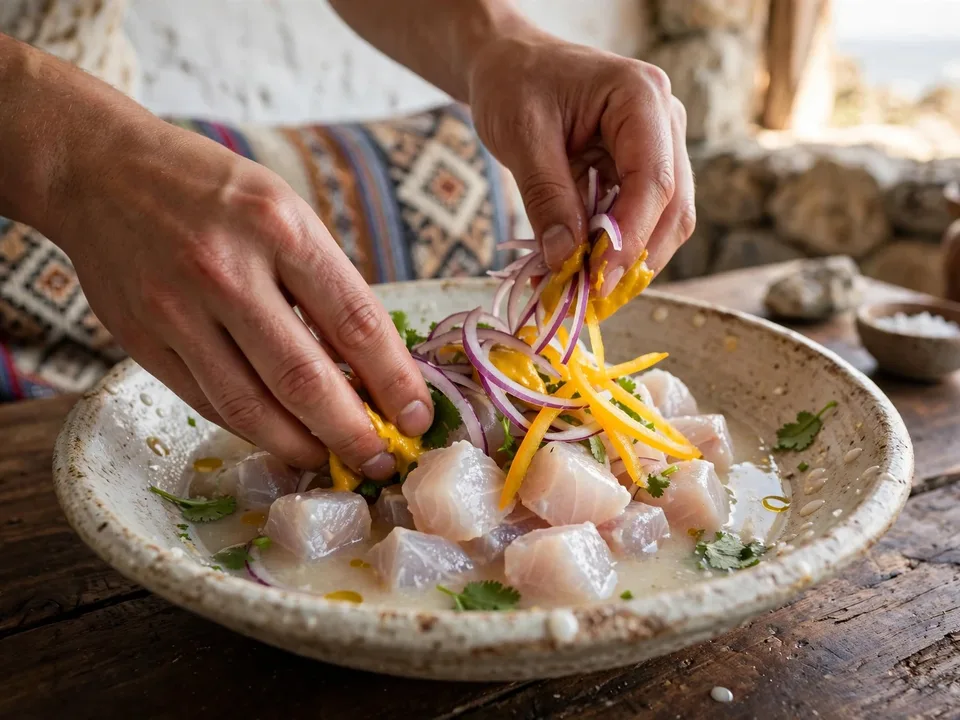
Add the well-drained red onion and coriander and fold only enough to distribute them.
Add the well-drained red onion and coriander and fold only enough to distribute them. Taste a spoonful of the citrus liquid with a small piece of fish and adjust the salt. The liquid should taste lively and savoury, not aggressively salty or rind-bitter.
Look for
The onion remains crisp, the herbs stay green and the fish is moist with a bright, lightly cloudy citrus liquor around it.
Kitchen note
Adding onion at the end protects its crunch. If the bowl tastes too sharp, do not dilute it with a long wait—the fish will only firm further; rebalance with a small pinch of salt or a little more fish juice from the bowl.
 Step 07
Plate with the accompaniments and serve immediately
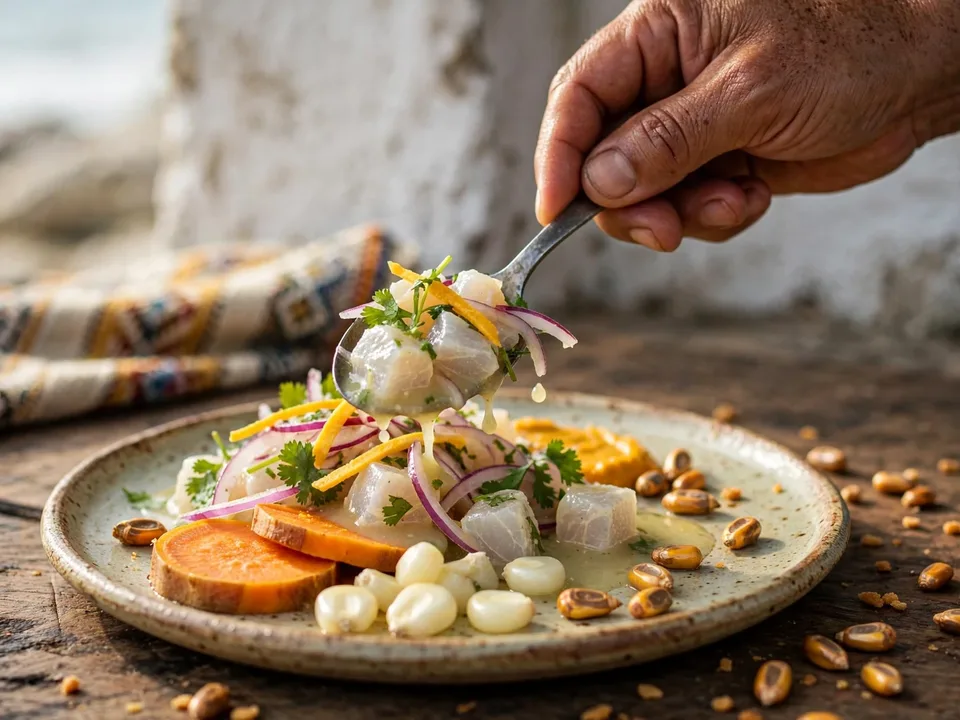
Divide the ceviche and its juices between chilled plates or shallow bowls.
Divide the ceviche and its juices between chilled plates or shallow bowls. Add the sweet potato and corn alongside rather than mixing them through the fish. Serve immediately, while the contrast between cool tender fish, crisp onion, hot ají and sweet accompaniments is still clear.
Look for
The fish looks moist and tender, the onion crisp and fresh, and the sweet potato and corn remain distinct on the plate.
Kitchen note
Do not hold finished ceviche for texture. For food safety, people at higher risk from foodborne illness should avoid raw or undercooked fish dishes.
After cooking
Explore the dish beyond the method.
Story, place and references are here for discovery, so they stay out of the way while you cook.
Culture & tradition
The story behind the dish
Origins, evolution and everyday life—read together as part of the recipe's culinary record.
Origins
Peru, with especially visible traditions along the Pacific coast.
How it evolved
The dish reflects long interaction between Peruvian marine foodways and ingredients and techniques introduced over time. Contemporary forms commonly bring very fresh fish together with lime, ají, onion and salt, while regional versions vary with local catch and produce.
Its place today
Ceviche is both everyday and celebratory food in Peru, served in specialist cevicherías and home kitchens and widely treated as a marker of national and regional culinary identity.
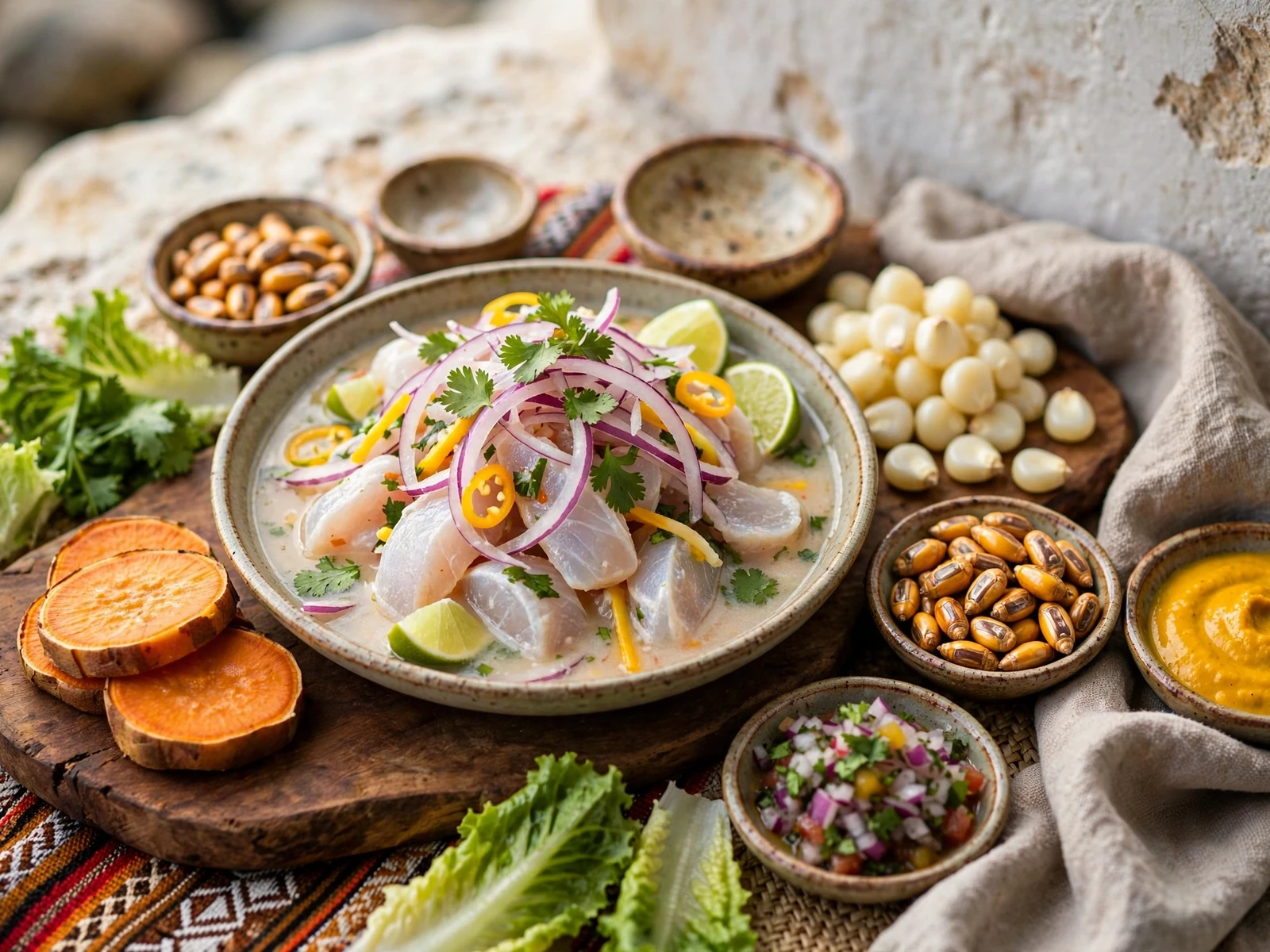
Visual archive · plate 01
Peruvian Ceviche
An editorial view of the finished dish, kept compact so the story continues without an oversized image break.
Primary region
Peruvian coast
Country
Peru
Regional influence
Cold Pacific fisheries meet irrigated coastal agriculture, linking seafood with citrus, ají and local crops.
Related food systems
- Pacific coastal fisheries
- Andean crop systems
- Regional cevichería culture
Sources & further reading
Follow the reference trail.
Ember & Equator links outward when an institution or primary reference helps support the culinary record.
- 01Practices and meanings associated with the preparation and consumption of cevicheExternal ↗
UNESCO Intangible Cultural Heritage · reference
Supports: ceviche · regional culinary identity · traditional knowledge
Ember & Equator source review · 2026-09-03
- 02Peruvian Fish CevicheExternal ↗
Peru Travel / PROMPERÚ · government
Supports: fish ceviche ingredients · ají limo · red onion · sweet potato and corn service · immediate preparation
Ember & Equator source review · 2026-09-17
- 03Selecting and Serving Fresh and Frozen Seafood SafelyExternal ↗
U.S. Food and Drug Administration · reference
Supports: raw-fish safety · parasite-control freezing · higher-risk groups
Ember & Equator source review · 2026-09-17
Ingredient guides
Learn about the ingredients behind the dish.
These are reference guides, not a second ingredient list. Follow an ingredient when you want to understand its role, use and wider culinary context.
Ingredient
firm white fish
Understand what it contributes, how to use it, and the dishes that reveal it best.
Ingredient
lime juice
Understand what it contributes, how to use it, and the dishes that reveal it best.
Ingredient
ají limo
Understand what it contributes, how to use it, and the dishes that reveal it best.
Ingredient
red onion
Understand what it contributes, how to use it, and the dishes that reveal it best.
Ingredient
fresh coriander
Understand what it contributes, how to use it, and the dishes that reveal it best.
Ingredient
garlic
Understand what it contributes, how to use it, and the dishes that reveal it best.
Keep wandering
Where will this dish take you next?
Stay with the place, follow an ingredient or technique, or cross into another food culture. Each path begins with something already present in this dish.
Stay with the place
01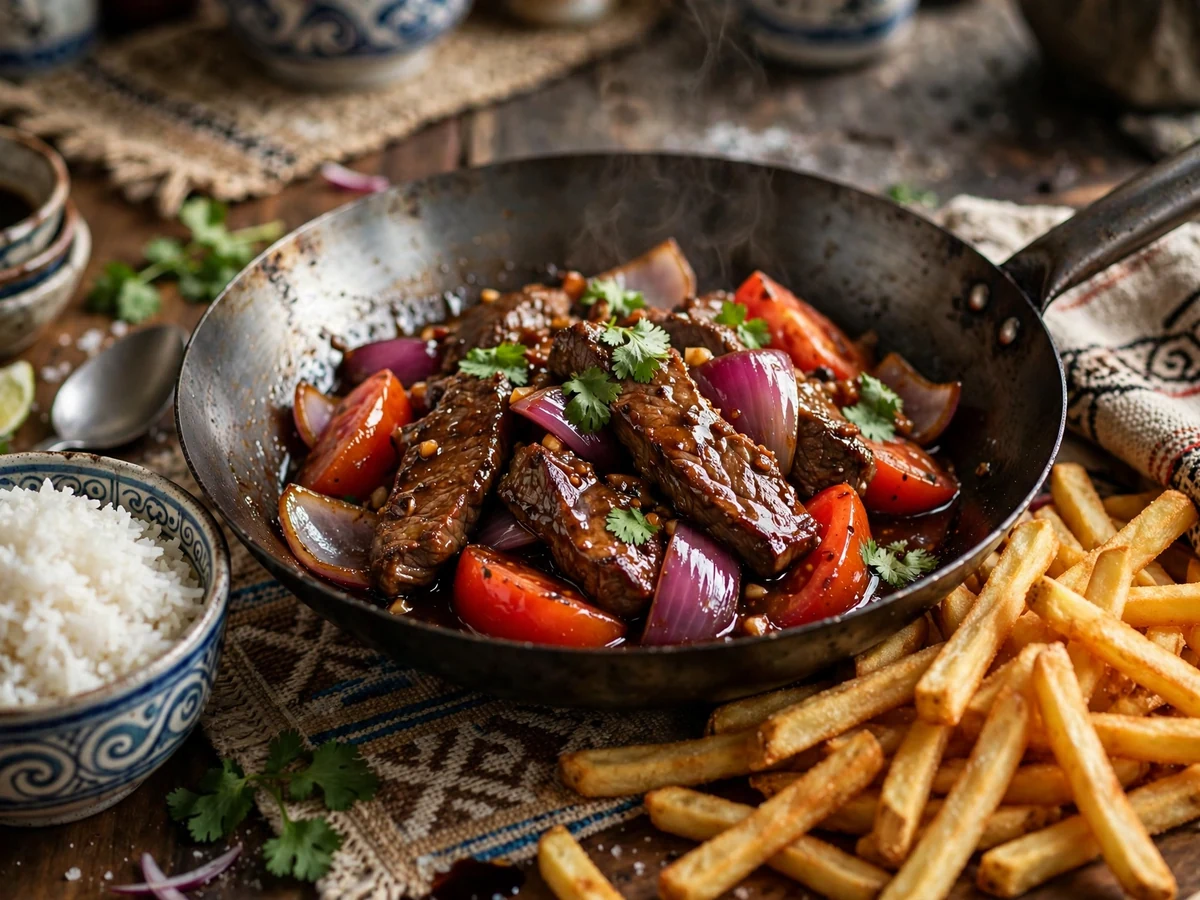
Peru
Lomo Saltado
Stay in the same food culture and follow red onion into another recipe.
Shared thread · red onion · fresh coriander · garlic
Follow the method or pantry
02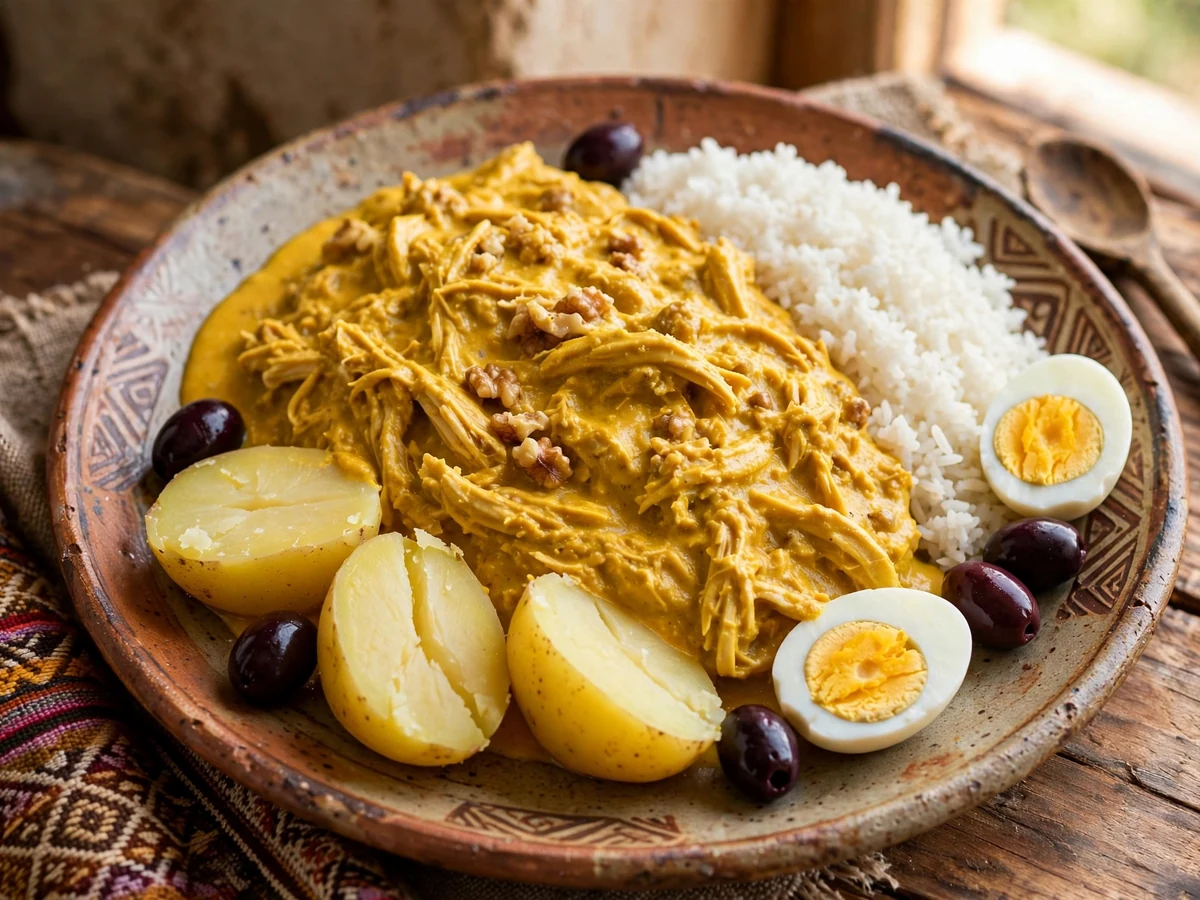
Peru
Ají de Gallina
Follow the pantry: both dishes connect through garlic.
Shared thread · garlic · salt · Lunch
Cross a culinary border
03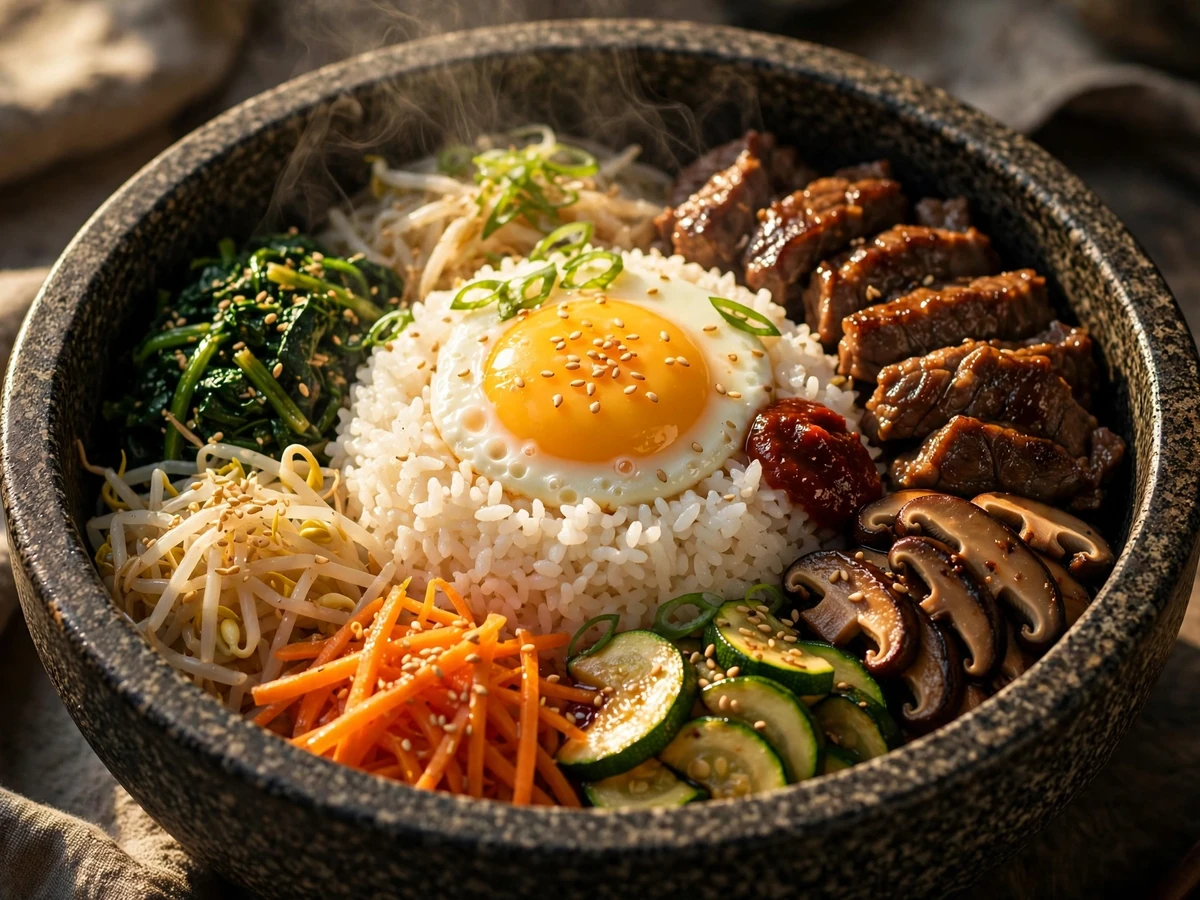
South Korea
Bibimbap
Cross borders while keeping marinate as the common thread.
Shared thread · Marinate · garlic · salt
Go one layer deeper
One small detail can open an entirely different part of food.
Continue in Ember & Equator