
Greece · snack
Tzatziki
Greece through one enduring dish.
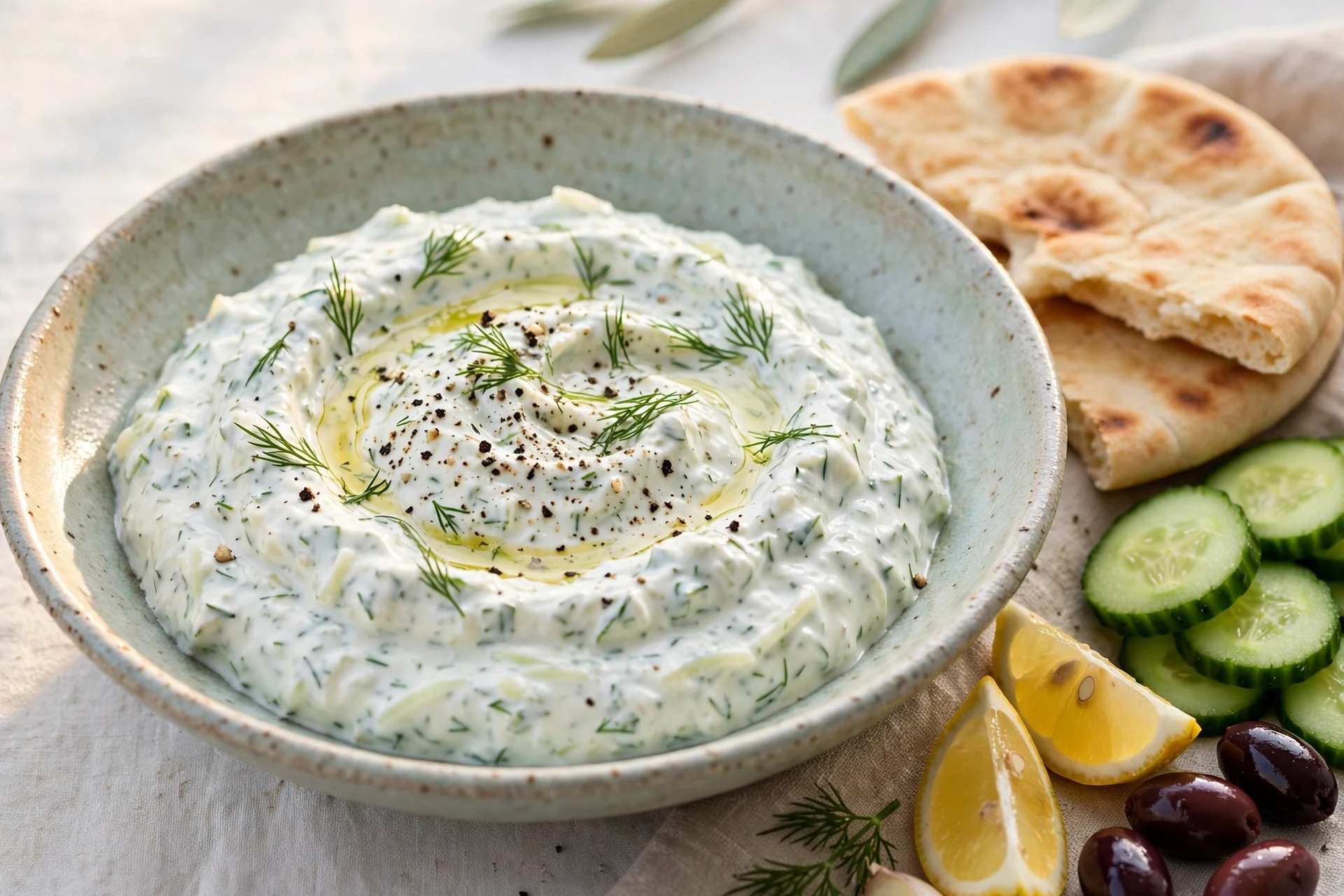
Tzatziki is a cool Greek dip built from thick strained yogurt, cucumber, garlic, olive oil and acidity, with dill included in this Ember & Equator version as a legitimate Greek variation. Its defining technical challenge is moisture control: the cucumber must be salted, drained and squeezed so the finished dip remains thick and clean-tasting.
- Total
- 20 min
- Difficulty
- Easy
- Serves
- 6
- Steps
- 5
The dish
Freshness is part of the method.
Visit Greece describes tzatziki as Greek yogurt mixed with cucumber, garlic and dill. Other respected Greek recipes omit herbs or use different herbs, so Ember & Equator treats dill as a legitimate variation rather than a universal requirement.
Explore GreeceAt a glance
Origin
Greece
Region
Greece, with many regional household variants
Method
raw
Meal
snack
Guided steps
5
Dish
Tzatziki
Cuisine
Greek cuisine
Food type
Dip and spread · Snack
Technique
Drain cucumber · Fold
Cook the recipe
In the kitchen
Start with the ingredients, then follow the Method in order. Open cooking tips only when you need extra help; the story and references can wait until you are ready.
- Total
- 20 min
- Serves
- 6
- Level
- Easy
- Visual cues
- 5
Ingredients
Serves 6- 500 gGreek yogurtthick, strained and well chilled
- 1 largecucumbercoarsely grated
- 0.75 tspsea saltdivide between draining and final seasoning
- 2 clovesgarlicfinely grated or crushed to a paste
- 2 tbspextra virgin olive oilplus a little more for finishing
- 1–2 tbspred wine vinegaradd gradually to taste
Optional
- 1–2 tbspfresh dillfinely chopped; legitimate Greek variation but not universal
- 0.25 tspblack pepperoptional; use lightly
Everything ready? Continue straight into the cooking steps.
Start methodMethod
5 steps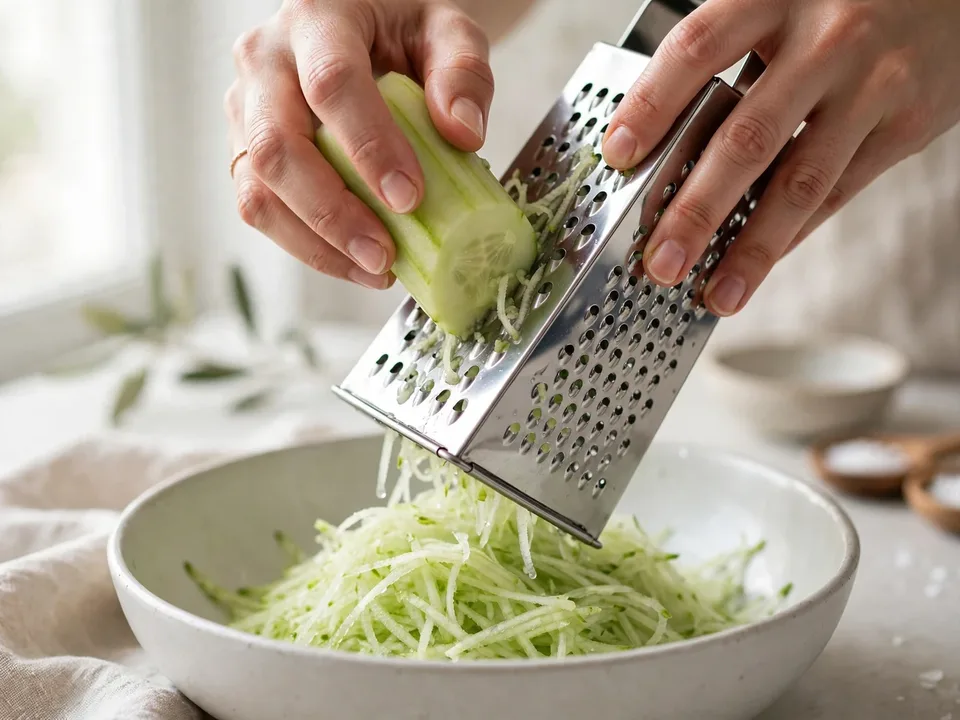 Step 01
Grate the cucumber coarsely
3 min
Grate the cucumber on the coarse side of a box grater into a bowl or directly into a sieve.
Grate the cucumber on the coarse side of a box grater into a bowl or directly into a sieve. If the cucumber has a very watery seed core, remove the softest seeds first; otherwise there is no need to peel away all of the fresh green skin.
Look for
The shreds should remain clearly defined, moist and fresh green rather than crushed into a watery pulp.
Kitchen note
A coarse grate gives tzatziki texture. Blending or finely puréeing the cucumber releases far more water and makes it harder to keep the yogurt thick.
 Step 02
Salt and drain the cucumber
12 min
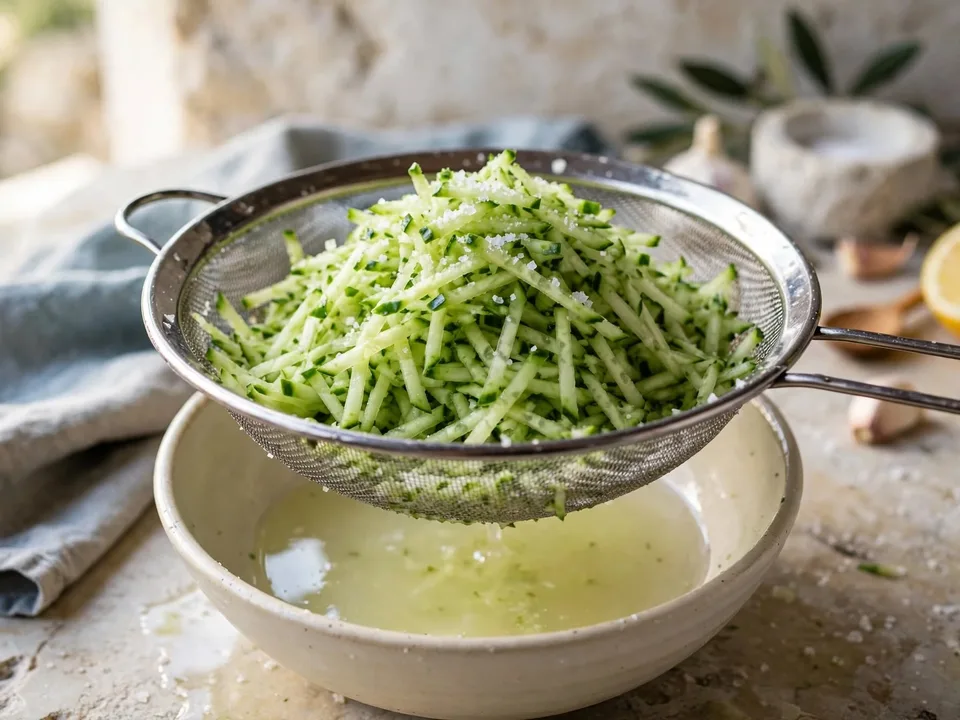
Toss the grated cucumber with about half the salt and place it in a sieve over a bowl.
Toss the grated cucumber with about half the salt and place it in a sieve over a bowl. Leave for 10–15 minutes so the salt draws out free moisture. Stir once midway so the lower shreds are not sitting in the expressed liquid.
Look for
A visible pool of cucumber water should collect beneath the sieve while the shreds remain crisp rather than softened into mush.
Kitchen note
This passive draining stage is worth the time. Skipping directly from grating to squeezing usually leaves more water trapped inside the cucumber and creates a looser dip after chilling.
 Step 03
Squeeze the cucumber very dry
3 min
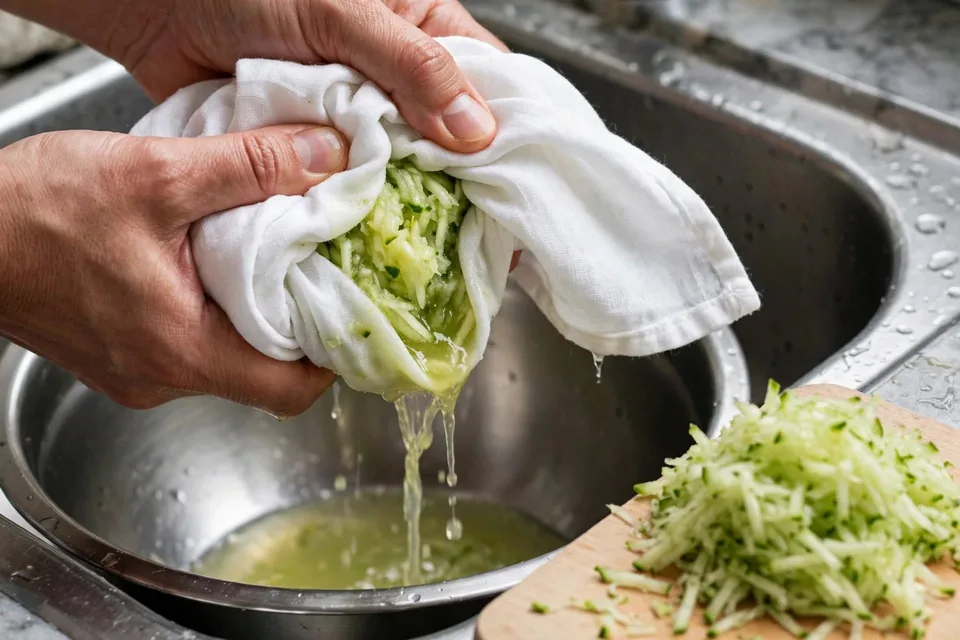
Transfer the drained cucumber to a clean tea towel, muslin or several layers of strong paper towel.
Transfer the drained cucumber to a clean tea towel, muslin or several layers of strong paper towel. Gather tightly and squeeze firmly over the sink until very little more liquid comes out. Loosen the compressed cucumber with your fingers before mixing.
Look for
A squeezed handful should separate into damp shreds rather than drip when pressed; there should be no visible liquid pooling around it.
Kitchen note
Squeeze harder than feels intuitive. Thick strained yogurt cannot compensate for a large amount of cucumber water released later in the bowl.
 Step 04
Fold the tzatziki together
4 min
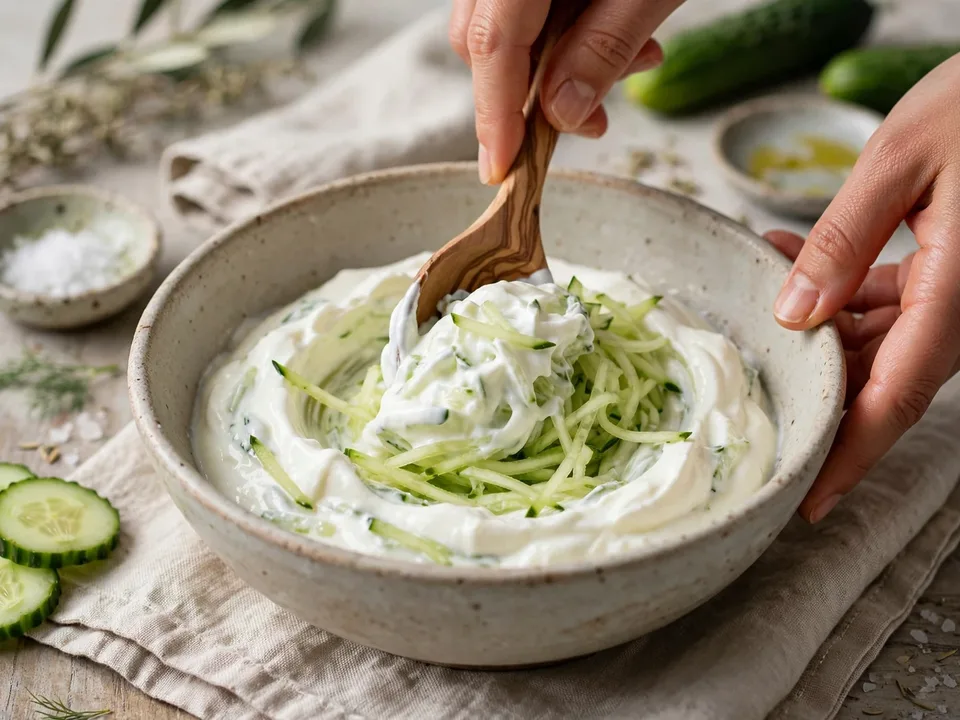
In a chilled bowl combine the strained yogurt, dry cucumber, garlic, olive oil and 1 tablespoon vinegar.
In a chilled bowl combine the strained yogurt, dry cucumber, garlic, olive oil and 1 tablespoon vinegar. Add dill if using and a small amount of black pepper if desired. Fold until evenly distributed rather than beating aggressively. Taste for salt and acidity, remembering that garlic will become more integrated after resting.
Look for
The mixture should hold soft peaks with visible cucumber flecks; olive oil should disappear into the yogurt instead of pooling around a watery base.
Kitchen note
Use cold, genuinely thick yogurt. If the yogurt is already loose, drain it in cheesecloth before starting rather than trying to fix a watery tzatziki with more oil or salt.
 Step 05
Chill, re-season and serve cold
30 min
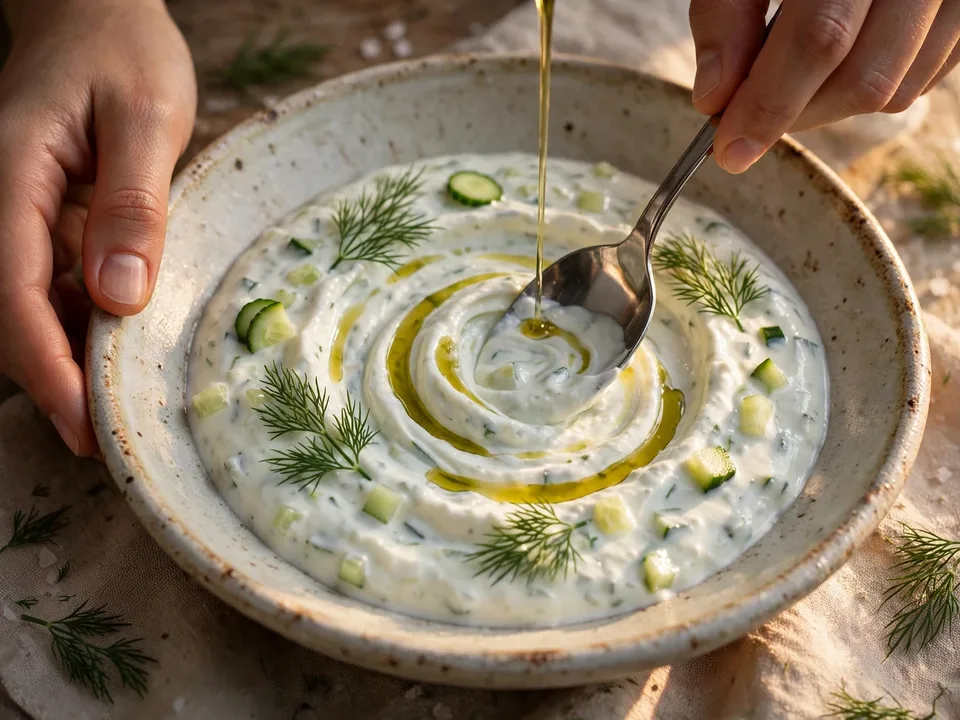
Cover and refrigerate for at least 20–30 minutes so the garlic, cucumber and acidity settle into the yogurt.
Cover and refrigerate for at least 20–30 minutes so the garlic, cucumber and acidity settle into the yogurt. Stir once, then taste again and adjust salt or vinegar in small amounts. Spoon into a serving bowl and finish with a thin drizzle of extra-virgin olive oil and, if using, a few dill fronds. Serve cold with pita, vegetables or grilled foods.
Look for
The dip should remain thick with no watery layer, taste cool and tangy, and have garlic that is present but integrated rather than harsh.
Kitchen note
Always make the final seasoning adjustment after the rest. Garlic can seem sharp immediately after mixing and much rounder 20–30 minutes later.
After cooking
Explore the dish beyond the method.
Story, place and references are here for discovery, so they stay out of the way while you cook.
Culture & tradition
The story behind the dish
Origins, evolution and everyday life—read together as part of the recipe's culinary record.
Origins
Tzatziki is the Greek expression of a wider Eastern Mediterranean and Balkan family of yogurt-and-cucumber preparations.
How it evolved
Greek household versions vary in cucumber preparation, garlic strength, vinegar or lemon, and whether dill or another herb is used. Thick yogurt and careful cucumber draining remain practical anchors.
Its place today
It remains a familiar Greek meze and accompaniment to grilled foods, vegetables and bread, prized for cool acidity and garlic against richer dishes.
Visual archive · plate 01
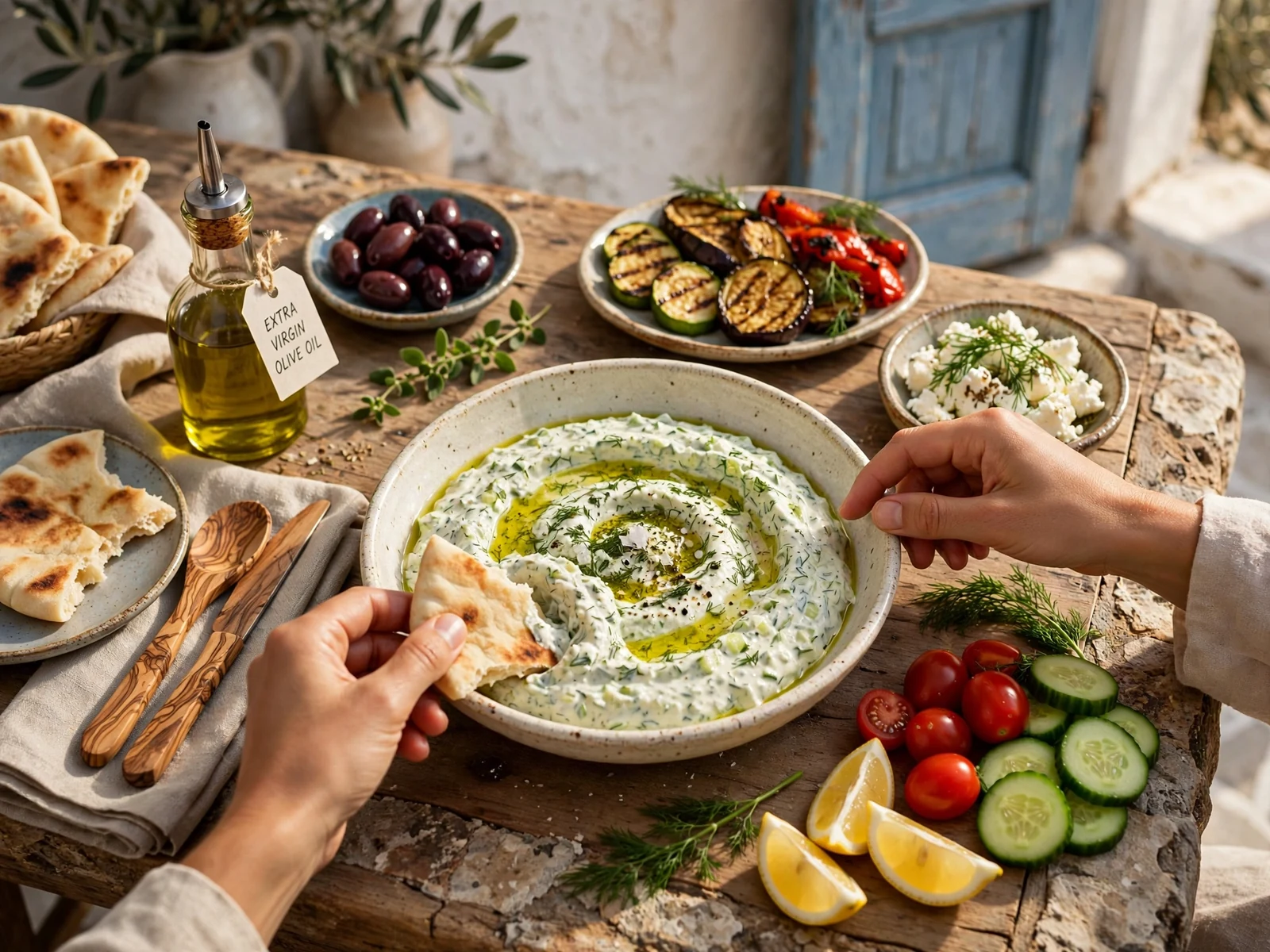
Tzatziki
An editorial view of the finished dish, kept compact so the story continues without an oversized image break.
Primary region
Greece, with many regional household variants
Country
Greece
Regional influence
Dairy traditions, cucumbers, garlic, olive oil and fresh herbs fit the Mediterranean pattern of turning seasonal produce into simple table accompaniments.
Related food systems
- Greek meze culture
- Eastern Mediterranean yogurt traditions
- Mediterranean vegetable and olive-oil foodways
Culinary record
- Origin
- Greece
- Era
- Traditional Greek meze
- Sub-region
- Southern Europe — Eastern Mediterranean
- Climate
- Mediterranean
- Cooking methods
- raw
- Trade-route influence
- Aegean maritime trade · Eastern Mediterranean exchange · Ionian routes
Traditional & modern
Greek versions centre strained yogurt, cucumber and garlic; herb and acidity choices vary by household.
Sources & further reading
Follow the reference trail.
Ember & Equator links outward when an institution or primary reference helps support the culinary record.
- 01A Veggie Adventure Through Greece: Your guide to plant-based Greek flavoursExternal ↗
Visit Greece · government
Supports: tzatziki identity · Greek yogurt · cucumber · garlic · dill
Ember & Equator source review · 2026-09-17
- 02Greek YogurtExternal ↗
Visit Greece · government
Supports: Greek yogurt tradition · yogurt with cucumber and garlic for tzatziki
Ember & Equator source review · 2026-09-17
- 03Authentic Greek Tzatziki sauce recipeExternal ↗
My Greek Dish · specialist publication
Supports: strained yogurt · grated salted squeezed cucumber · garlic · olive oil · red wine vinegar · cold service · herb variation
Ember & Equator source review · 2026-09-17
Ingredient guides
Learn about the ingredients behind the dish.
These are reference guides, not a second ingredient list. Follow an ingredient when you want to understand its role, use and wider culinary context.
Ingredient
Greek yogurt
Understand what it contributes, how to use it, and the dishes that reveal it best.
Ingredient
cucumber
Understand what it contributes, how to use it, and the dishes that reveal it best.
Ingredient
sea salt
Understand what it contributes, how to use it, and the dishes that reveal it best.
Ingredient
garlic
Understand what it contributes, how to use it, and the dishes that reveal it best.
Ingredient
extra virgin olive oil
Understand what it contributes, how to use it, and the dishes that reveal it best.
Explore ingredient →
Ingredient
red wine vinegar
Understand what it contributes, how to use it, and the dishes that reveal it best.
Keep wandering
Where will this dish take you next?
Stay with the place, follow an ingredient or technique, or cross into another food culture. Each path begins with something already present in this dish.
Stay with the place
01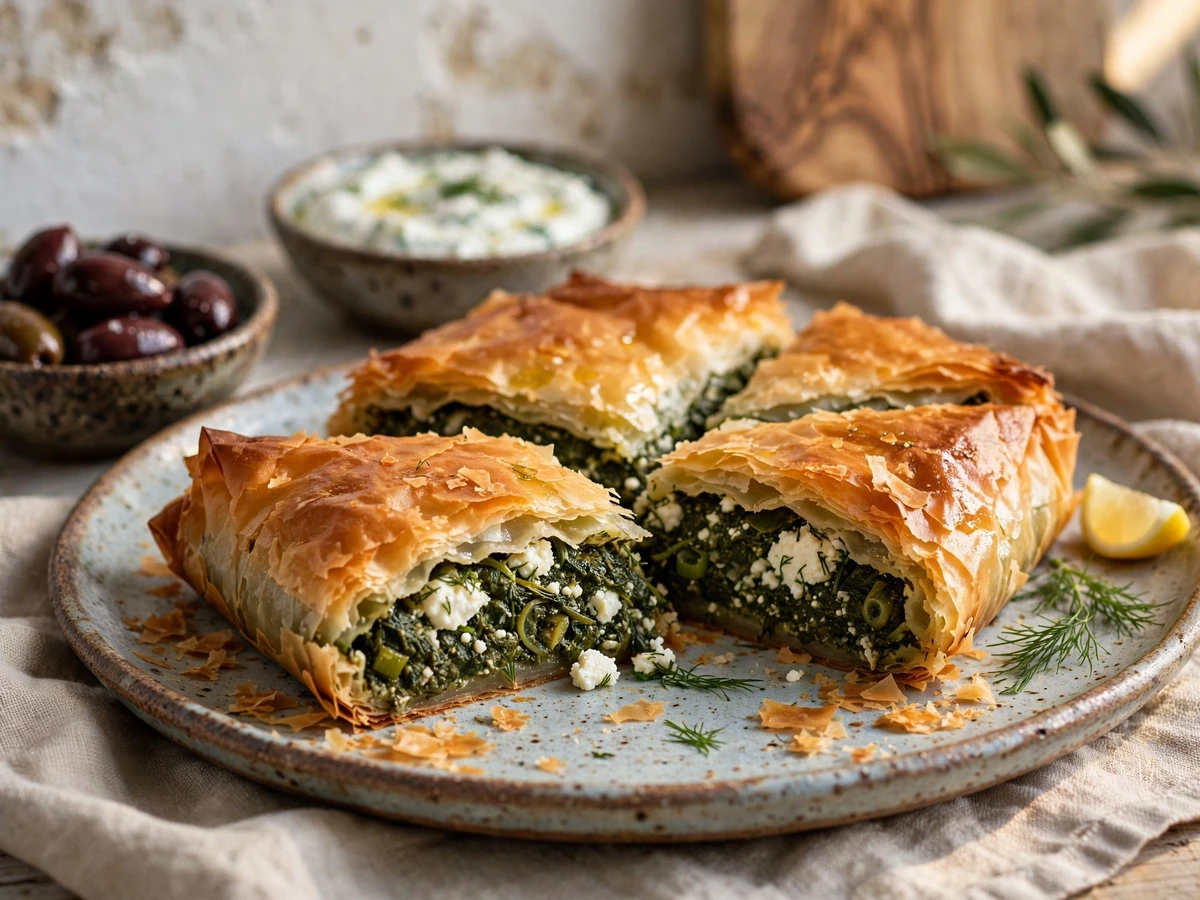
Greece
Spanakopita
Stay in the same food culture and notice how fold appears in another dish.
Shared thread · Fold · extra virgin olive oil · fresh dill
Follow the method or pantry
02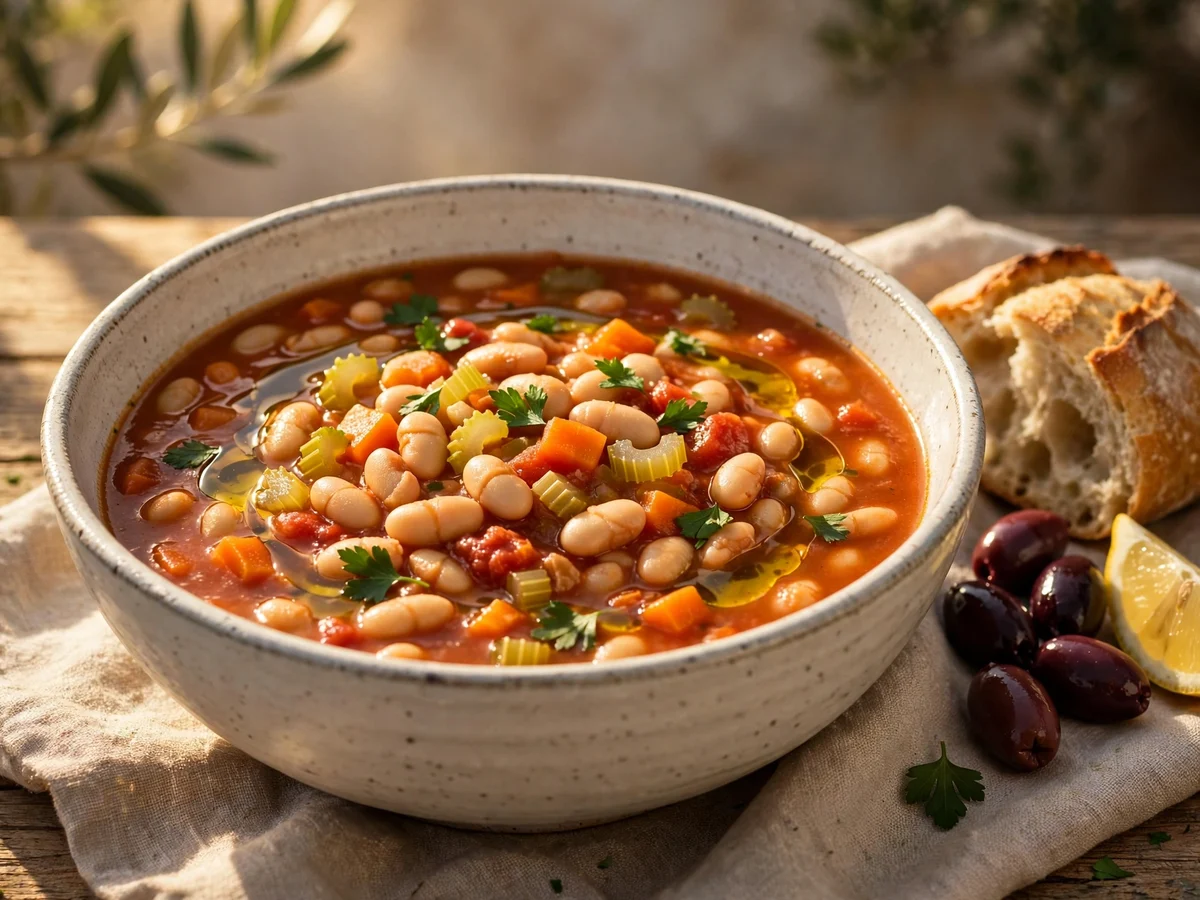
Greece
Fasolada
Follow the pantry: both dishes connect through sea salt.
Shared thread · sea salt · extra virgin olive oil · black pepper
Cross a culinary border
03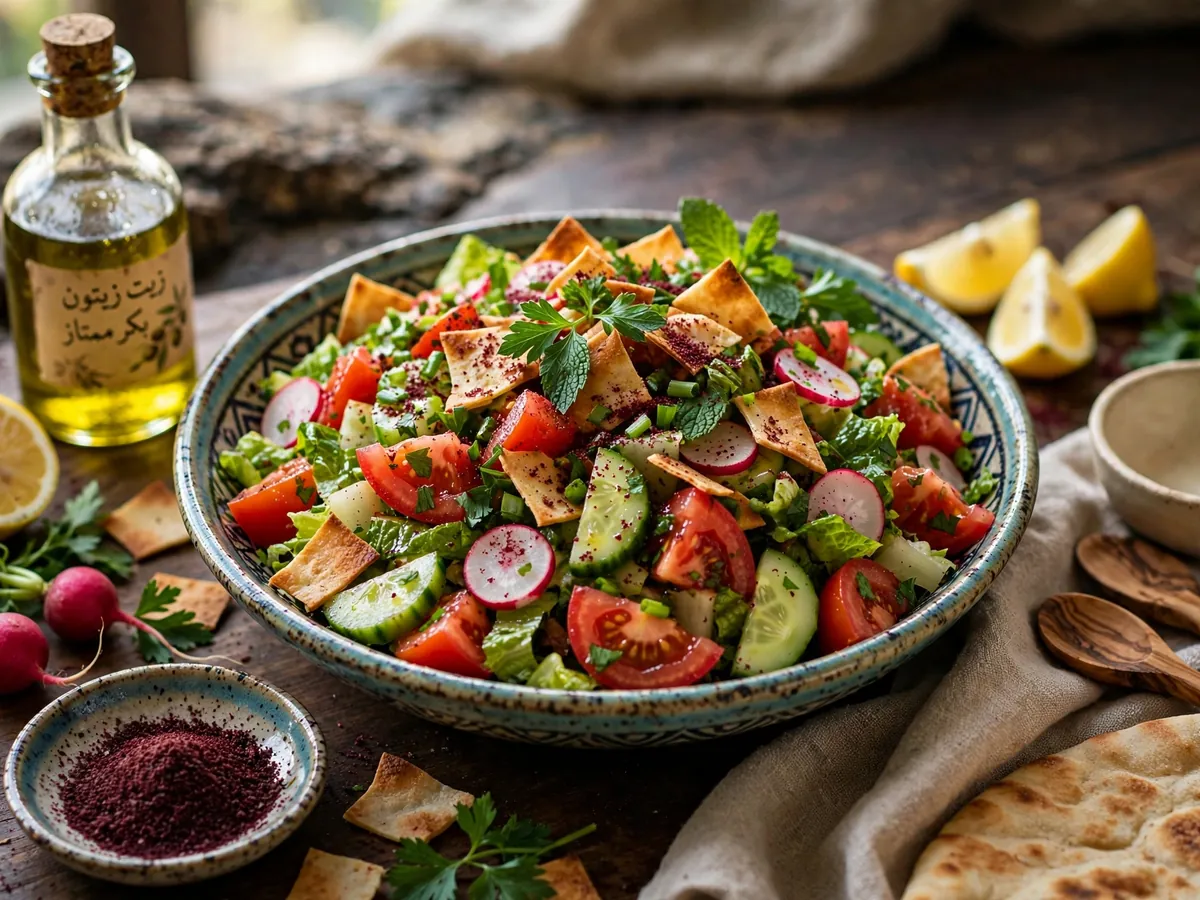
Lebanon
Fattoush
Cross borders and see how another cuisine handles cucumber.
Shared thread · cucumber · garlic · extra virgin olive oil
Go one layer deeper
One small detail can open an entirely different part of food.
Continue in Ember & Equator