
Italy · lunch · dinner · comfort-food · soup
Ribollita
Italy through one enduring dish.
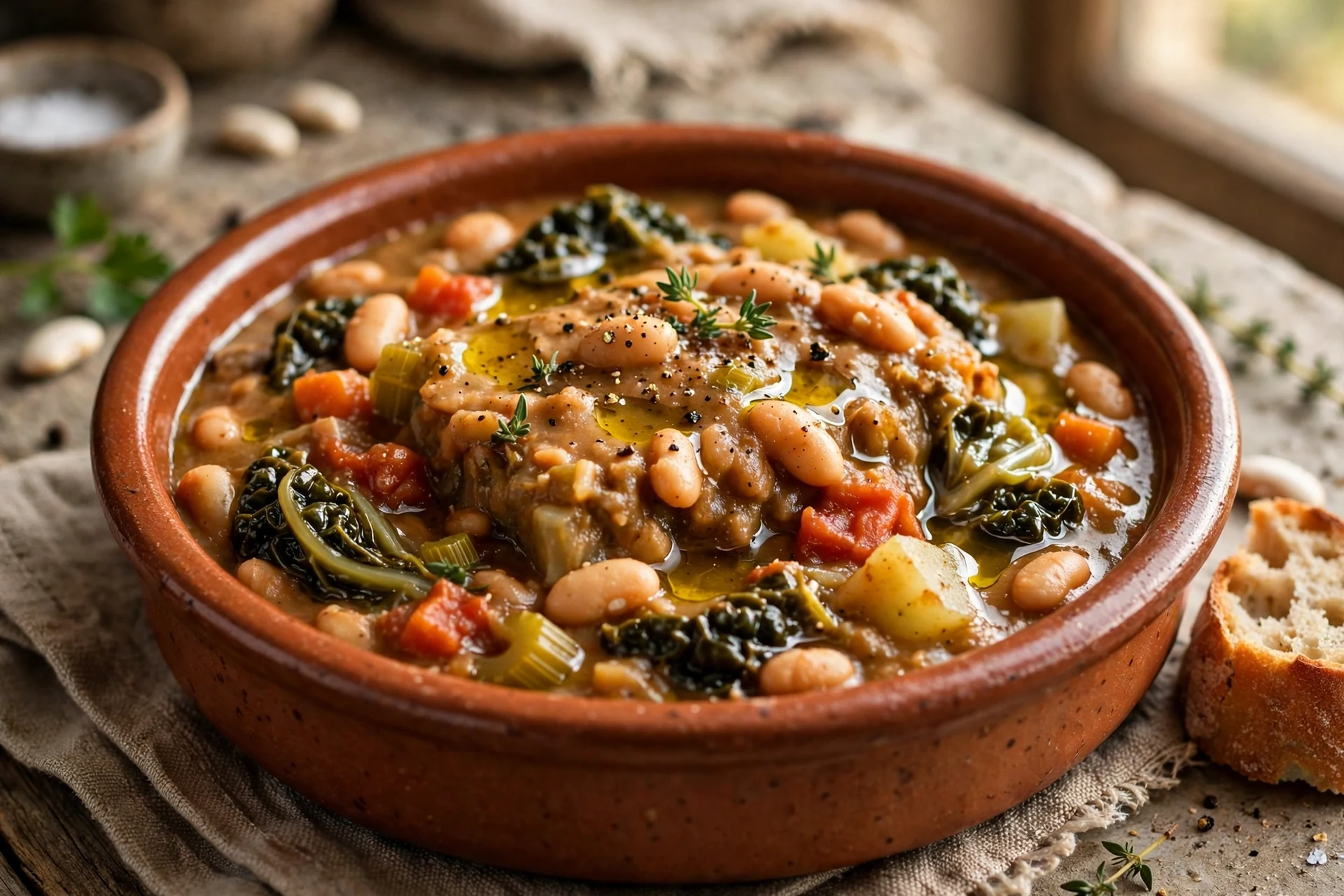
Ribollita is a Tuscan bread-and-bean soup built from cannellini beans, cavolo nero, seasonal vegetables and stale country bread. Its name means “reboiled”: after the bread absorbs the soup, the pot is traditionally rested and reheated until thick, cohesive and deeply savory.
- Total
- 150 min
- Difficulty
- Easy
- Serves
- 6
- Steps
- 6
The dish
Place first. Then the plate.
Ribollita belongs to Tuscany’s cucina povera tradition, where beans, winter greens and stale bread were turned into a sustaining meal with very little waste. The bread is structural rather than a garnish, and the characteristic second heating is part of the dish’s identity. Household versions vary with season, but cannellini beans, cavolo nero, vegetables, bread and extra-virgin olive oil remain recurring anchors.
Explore ItalyAt a glance
Origin
Italy
Region
Tuscany, central Italy
Meal
lunch · dinner · comfort-food · soup
Guided steps
6
Dish
Ribollita
Cuisine
Italian cuisine
Food type
Lunch · Dinner · Comfort food
Technique
Sauté · Simmer · Mash
Cook the recipe
In the kitchen
Start with the ingredients, then follow the Method in order. Open cooking tips only when you need extra help; the story and references can wait until you are ready.
- Total
- 150 min
- Serves
- 6
- Level
- Easy
- Visual cues
- 6
Ingredients
Serves 6- 750 gramscooked cannellini beansabout 4 cups; ideally cooked from dried beans, with 1.5 L / 6 cups cooking liquid reserved
- 1 mediumyellow onionfinely diced
- 1 clovegarlicfinely chopped
- 2 mediumcarrotsdiced
- 2 stalkscelery stalksdiced
- 1 largepotatopeeled and diced
- 150 gramscavolo nerotough central ribs removed, leaves sliced
- 250 gramssavoy cabbageshredded
- 1 tbsptomato pasteconcentrated; enough to deepen the broth without turning it into tomato soup
- 200 gramsstale country breadpreferably unsalted Tuscan-style bread, sliced or torn
- 5 tbspextra virgin olive oilplus a generous drizzle for serving
- 1.5 tspfine saltplus more to taste; adjust depending on the bean liquid
- 1 tspblack pepperfreshly ground, plus more to serve
Everything ready? Continue straight into the cooking steps.
Start methodMethod
6 steps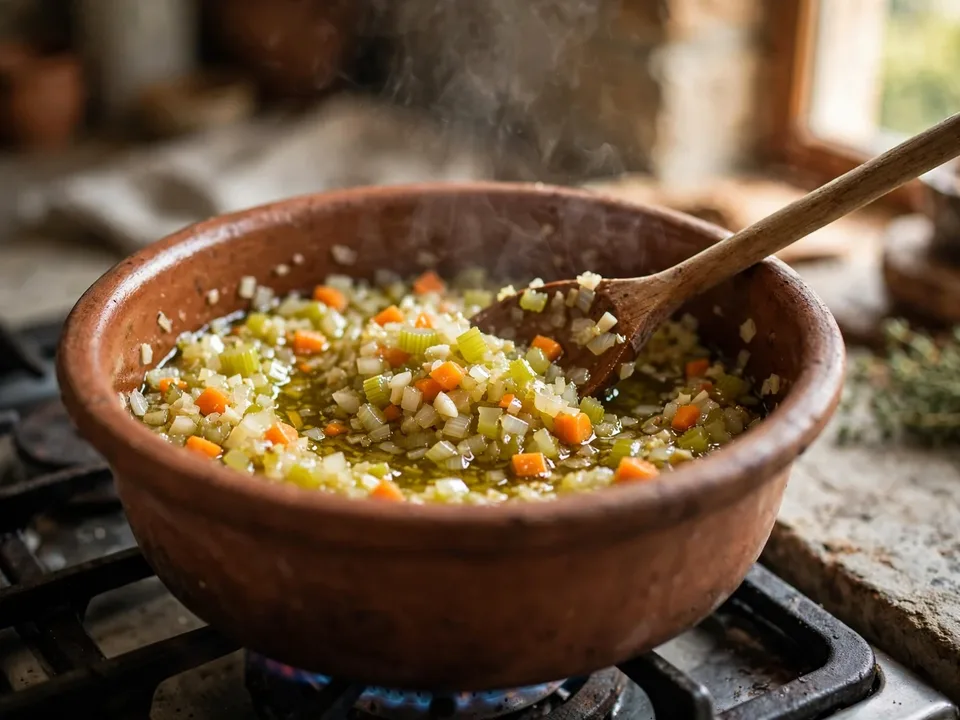 Step 01
Build a pale, sweet vegetable base
12 min
Heat 4 tablespoons of the extra-virgin olive oil in a heavy soup pot over low to medium-low heat.
Heat 4 tablespoons of the extra-virgin olive oil in a heavy soup pot over low to medium-low heat. Add the onion, garlic, carrot and celery with a small pinch of salt. Cook slowly for 10–12 minutes, stirring often, until the vegetables are soft, glossy and sweet-smelling. Do not brown them heavily; ribollita needs a mellow vegetable foundation rather than a roasted soffritto.
Look for
The onion should be translucent, the carrot and celery visibly softened, and the vegetables glossy with no dark brown edges.
Kitchen note
Keep the heat patient. If the onion is coloring before the carrot and celery soften, lower the heat and add a spoonful of water rather than letting the base turn dark.
 Step 02
Build the vegetable-and-bean broth
8 min
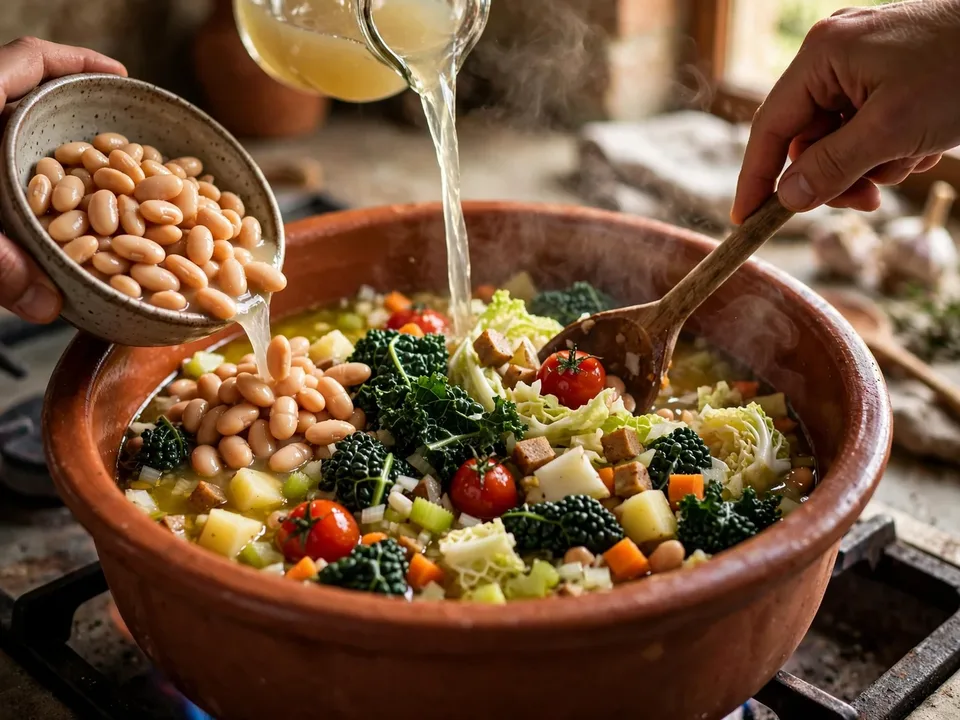
Add the potato, cavolo nero and Savoy cabbage and turn them through the soffritto until the greens begin to wilt.
Add the potato, cavolo nero and Savoy cabbage and turn them through the soffritto until the greens begin to wilt. Stir in the tomato paste for about 1 minute, then add roughly two-thirds of the whole cannellini beans and enough reserved bean cooking liquid, or water, to cover the vegetables generously. Bring just to a boil, then immediately reduce to a steady low simmer.
Look for
The greens should collapse into the broth and the pot should look generously filled but not flooded, with beans and vegetables still clearly visible.
Kitchen note
Bean cooking liquid gives the soup more body and flavor than plain water. Add only enough liquid to let the vegetables simmer freely; you can loosen the pot later, but an overly diluted soup takes a long time to recover.
 Step 03
Simmer until the vegetables are fully tender, then thicken with beans
50 min
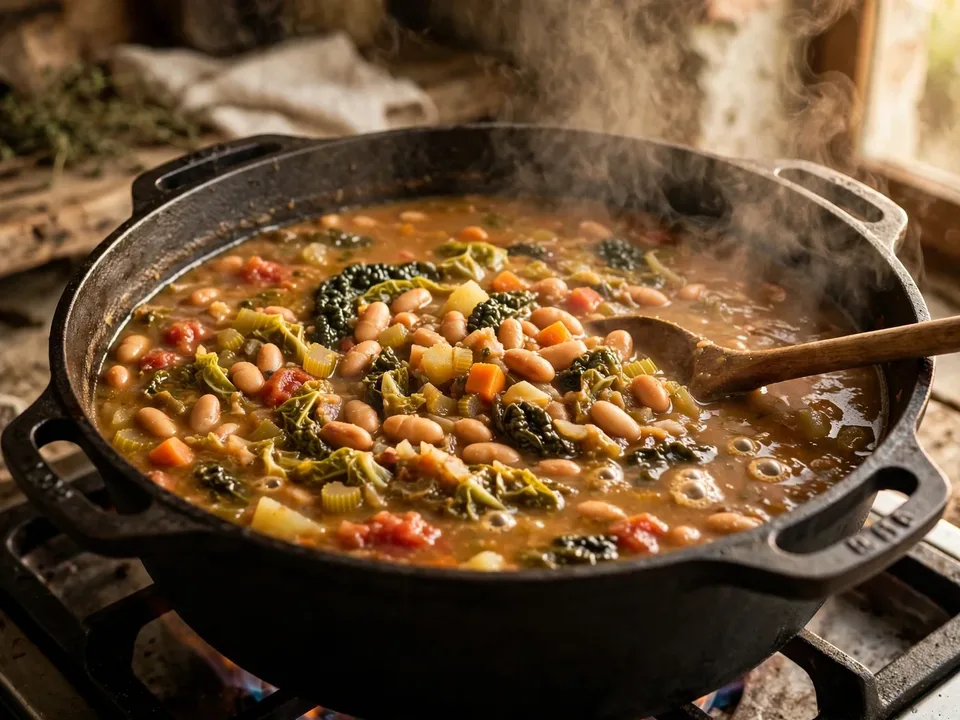
Simmer uncovered or partly covered for about 35–40 minutes, stirring occasionally, until the potato, cabbage and cavolo nero are completely tender.
Simmer uncovered or partly covered for about 35–40 minutes, stirring occasionally, until the potato, cabbage and cavolo nero are completely tender. Meanwhile, blend or mash the remaining cannellini beans with a ladleful of broth until roughly creamy. Stir this bean puree back into the pot and simmer for another 10–15 minutes. Taste and adjust salt and black pepper.
Look for
The cavolo nero should be silky-tender, the potato should yield easily to a spoon, and the broth should be lightly creamy while still showing distinct beans and vegetables.
Kitchen note
Only part of the beans should be pureed. The puree gives the broth body while the whole beans preserve the rustic texture and make the soup feel substantial rather than smooth.
 Step 04
Add the stale bread and let it absorb the soup
40 min
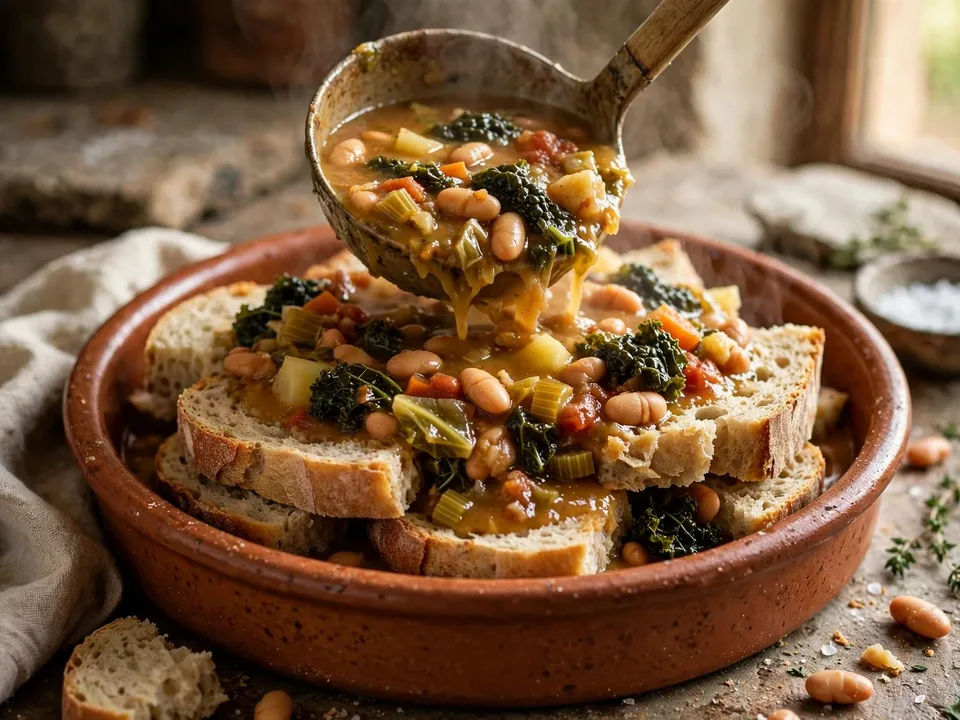
Lay the stale bread over the surface of the hot soup, or alternate bread and soup in a casserole or clean pot.
Lay the stale bread over the surface of the hot soup, or alternate bread and soup in a casserole or clean pot. Press gently so every piece touches liquid. Cook very gently for about 8–10 minutes, then turn off the heat and rest for at least 30 minutes. For the most characteristic ribollita, cool the pot and refrigerate it overnight before the final reheating.
Look for
There should be no dry bread centers; the slices should be completely saturated and beginning to break into the soup without disappearing into a perfectly smooth paste.
Kitchen note
The bread is not a crouton. It should soften completely and become part of the body of the soup. Stale, sturdy country bread works much better than soft packaged sandwich bread.
 Step 05
Reboil gently — the step that makes it ribollita
10 min
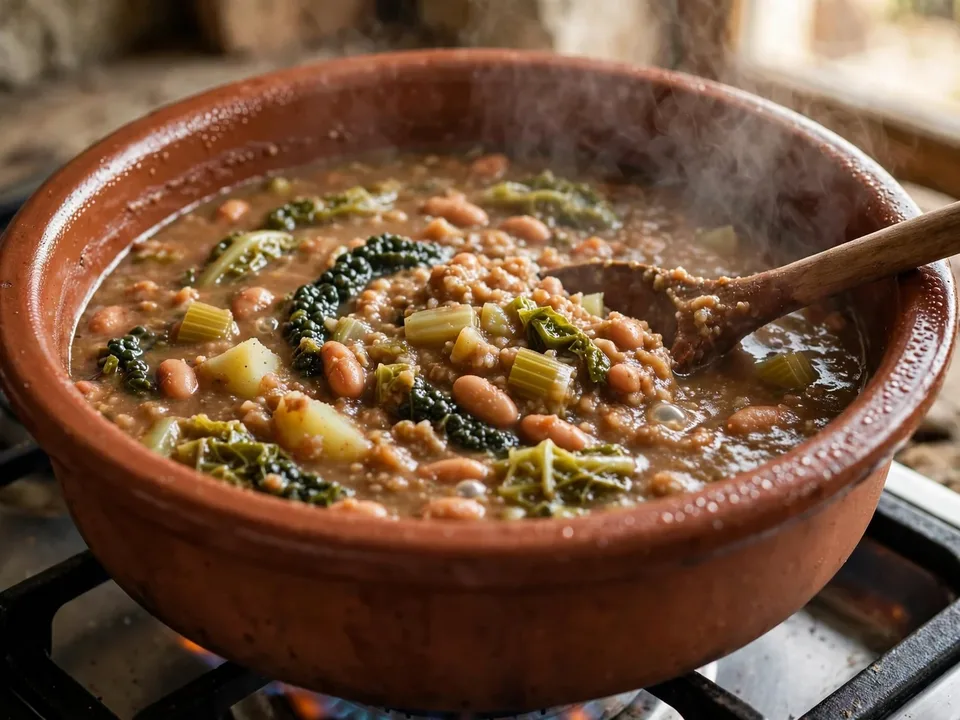
Return the rested soup to a heavy pot and reheat it slowly over medium-low heat, stirring from the bottom so the bread-thickened mixture does not catch.
Return the rested soup to a heavy pot and reheat it slowly over medium-low heat, stirring from the bottom so the bread-thickened mixture does not catch. Once hot, let it bubble gently for 8–10 minutes. Add a splash of bean liquid or water only if it has become too stiff. The reheating should bring the bread, beans and vegetables together into a cohesive, spoonable stew-like soup.
Look for
The mixture should mound softly on the spoon and settle back into the pot; it should be much thicker than minestrone but still moist rather than dry or pasty.
Kitchen note
“Ribollita” means reboiled or recooked. The second heating is not merely a leftover instruction: it is what gives the dish its characteristic integrated texture and deeper flavor.
 Step 06
Finish with Tuscan olive oil and serve
3 min
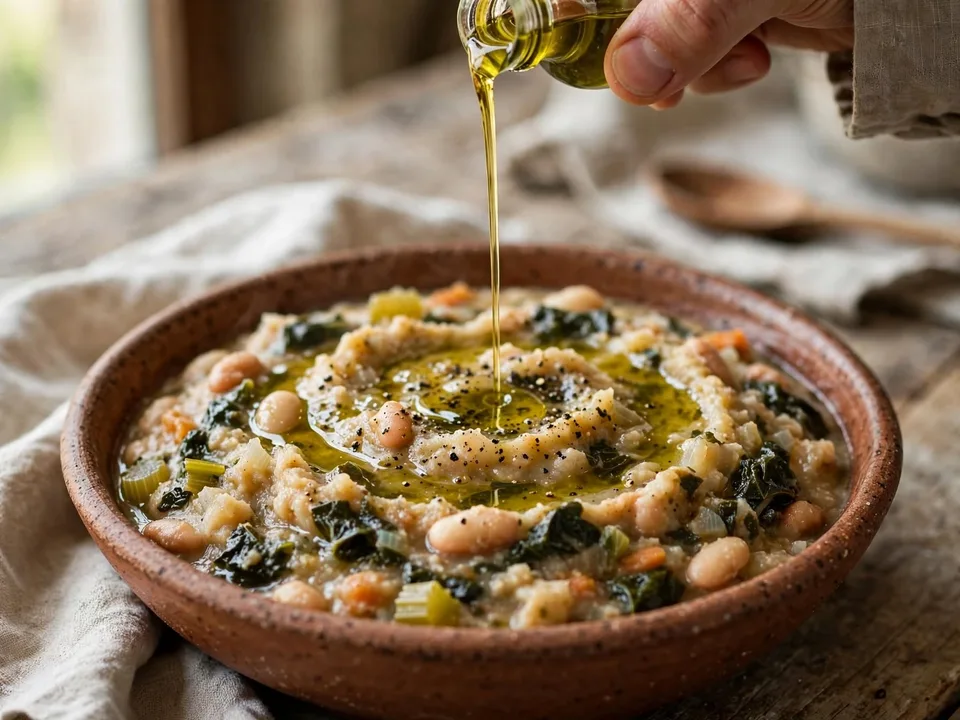
Spoon the ribollita into warm bowls and finish each serving generously with good extra-virgin olive oil and freshly ground black pepper.
Spoon the ribollita into warm bowls and finish each serving generously with good extra-virgin olive oil and freshly ground black pepper. Serve hot or very warm. The dish should taste of beans, greens, bread and olive oil rather than cheese or cream. If making it ahead, cool it promptly, refrigerate, and reheat gently with a splash of water or bean liquid as needed.
Look for
The bowl should look thick, rustic and spoonable, with visible beans and greens, softened bread integrated through the base and fresh olive oil glistening on top.
Kitchen note
The final olive oil is part of the flavor structure, not decoration. A peppery Tuscan-style oil brightens the dense soup and makes the humble ingredients taste complete.
After cooking
Explore the dish beyond the method.
Story, place and references are here for discovery, so they stay out of the way while you cook.
Culture & tradition
The story behind the dish
Origins, evolution and everyday life—read together as part of the recipe's culinary record.
Origins
Ribollita grew from Tuscan rural cooking in which vegetable-and-bean soup and leftover bread were reused rather than discarded.
How it evolved
The name literally points to reheating. Traditionally the bread-enriched soup is rested, then brought back to the heat so the bread, beans and vegetables become one thick, spoonable preparation.
Its place today
It remains one of Tuscany’s best-known examples of cucina povera: economical, seasonal cooking in which technique and good olive oil create richness without cream or meat.
Visual archive · plate 01
Ribollita
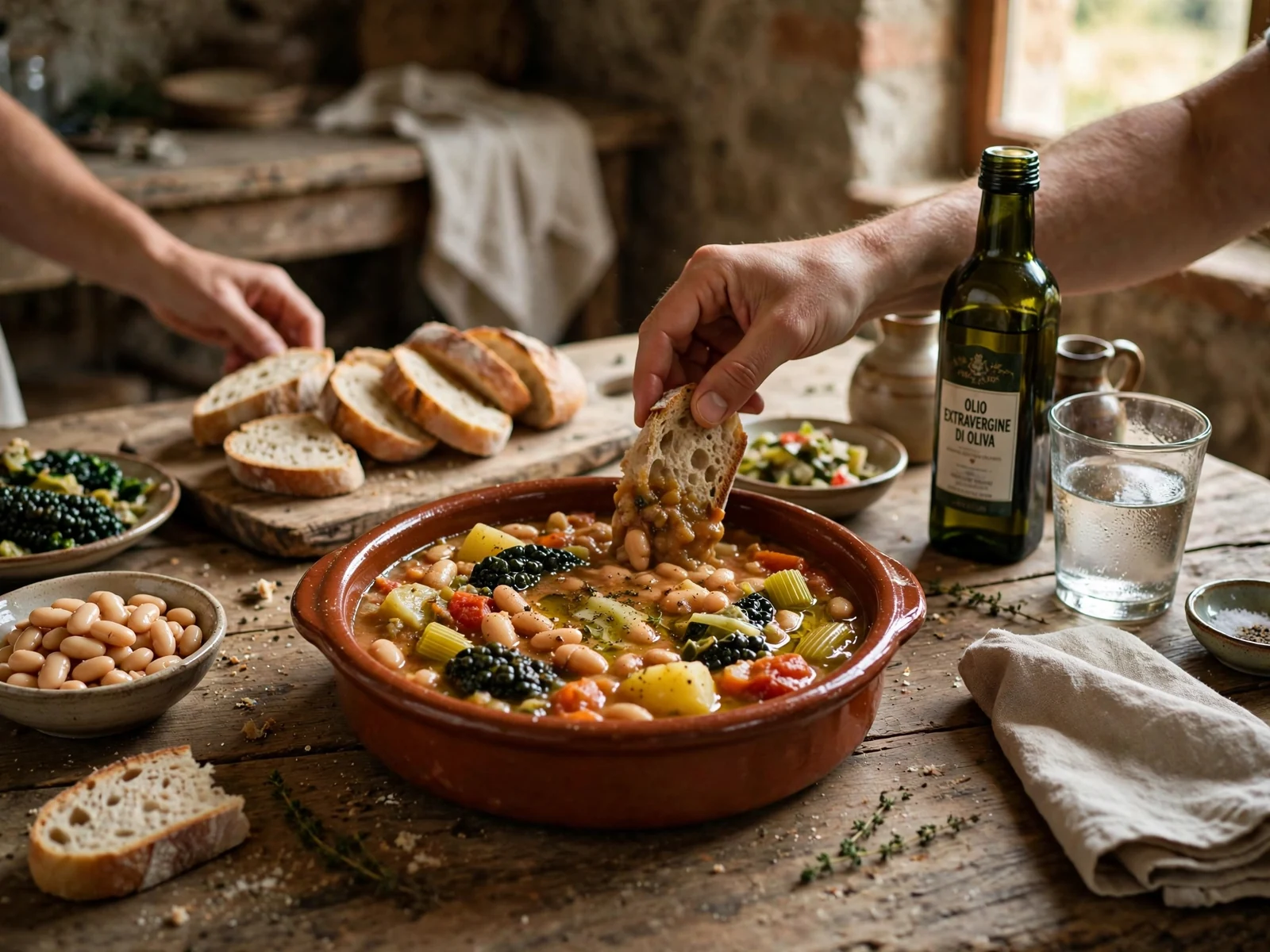
An editorial view of the finished dish, kept compact so the story continues without an oversized image break.
Primary region
Tuscany, central Italy
Country
Italy
Regional influence
Cool-season cavolo nero, cabbage, beans, olive oil and bread reflect Tuscan winter cooking and agricultural thrift.
Related food systems
- Tuscan cucina povera
- Cannellini bean cookery
- Stale bread reuse
- Winter vegetable soups
Culinary record
- Sub-region
- Southern Europe — Mediterranean
- Climate
- Mediterranean
- Trade-route influence
- Roman trade routes · Venetian spice trade · Columbian Exchange
Sources & further reading
Follow the reference trail.
Ember & Equator links outward when an institution or primary reference helps support the culinary record.
- 01Ribollita recipeExternal ↗
Visit Tuscany — Official Tourism Website of Tuscany · government
Supports: ribollita meaning reboiled · cannellini beans · cavolo nero and Savoy cabbage · stale bread · bean puree · reheating · extra virgin olive oil
Ember & Equator source review · 2026-09-16
- 025 Tuscan soups for winter eveningsExternal ↗
Visit Tuscany — Official Tourism Website of Tuscany · government
Supports: Tuscan cucina povera · stale bread · black cabbage · carrots · onions · potatoes · cannellini beans · reheated identity
Ember & Equator source review · 2026-09-16
Ingredient guides
Learn about the ingredients behind the dish.
These are reference guides, not a second ingredient list. Follow an ingredient when you want to understand its role, use and wider culinary context.
Ingredient
cooked cannellini beans
Understand what it contributes, how to use it, and the dishes that reveal it best.
Ingredient
yellow onion
Understand what it contributes, how to use it, and the dishes that reveal it best.
Ingredient
garlic
Understand what it contributes, how to use it, and the dishes that reveal it best.
Ingredient
carrots
Understand what it contributes, how to use it, and the dishes that reveal it best.
Ingredient
celery stalks
Understand what it contributes, how to use it, and the dishes that reveal it best.
Ingredient
potatoes
Understand what it contributes, how to use it, and the dishes that reveal it best.
Keep wandering
Where will this dish take you next?
Stay with the place, follow an ingredient or technique, or cross into another food culture. Each path begins with something already present in this dish.
Stay with the place
01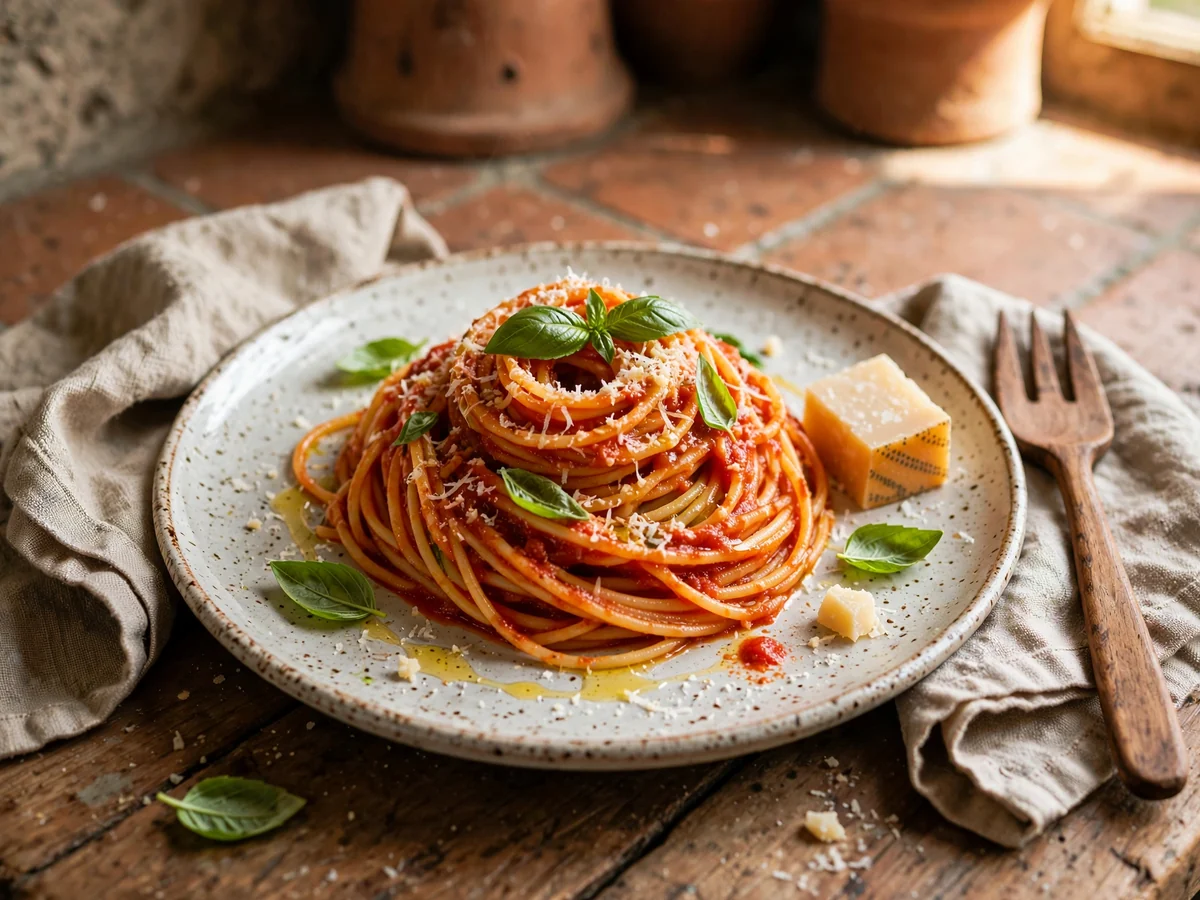
Italy
Spaghetti al Pomodoro
Stay in the same food culture and notice how sauté appears in another dish.
Shared thread · Sauté · Simmer · garlic
Follow the method or pantry
02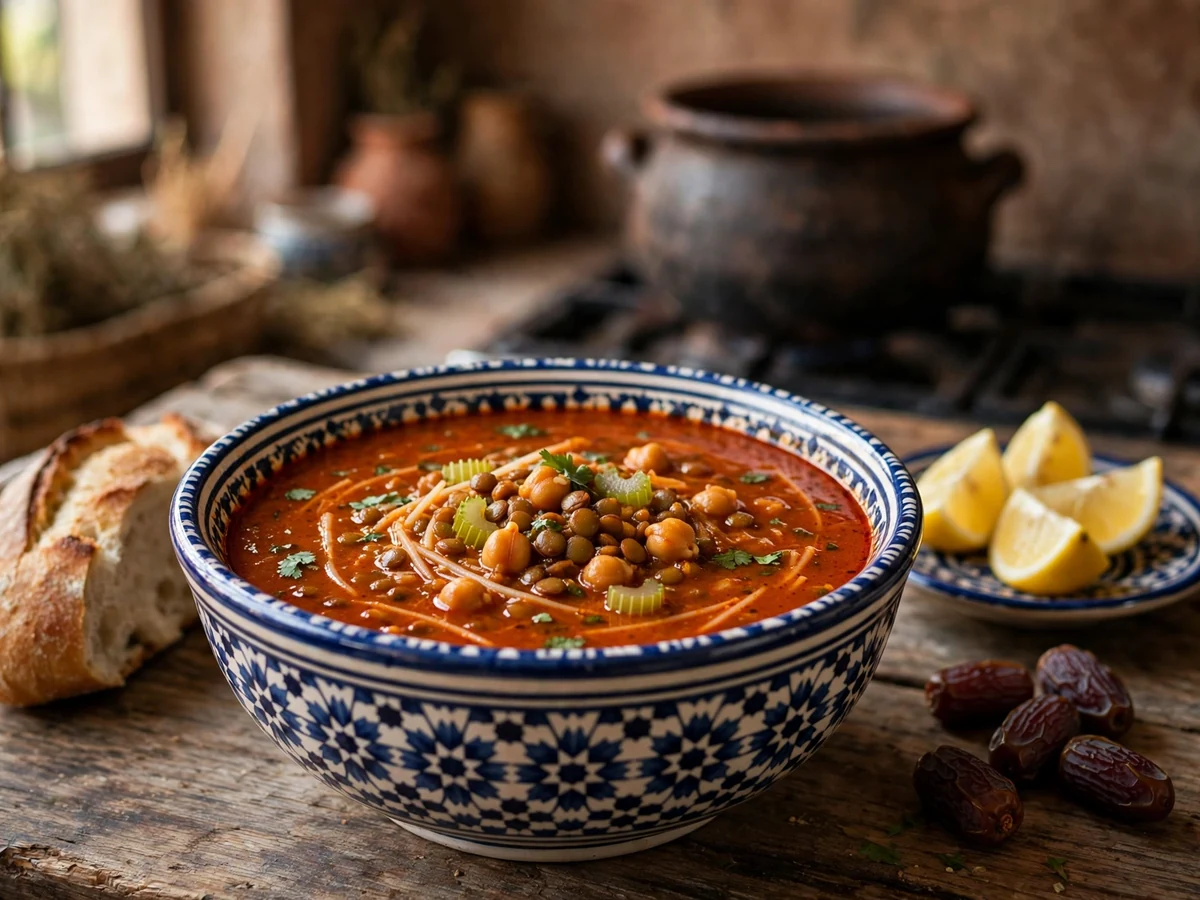
Morocco
Harira
Follow the cooking method: both dishes connect through sauté.
Shared thread · Sauté · Simmer · yellow onion
Cross a culinary border
03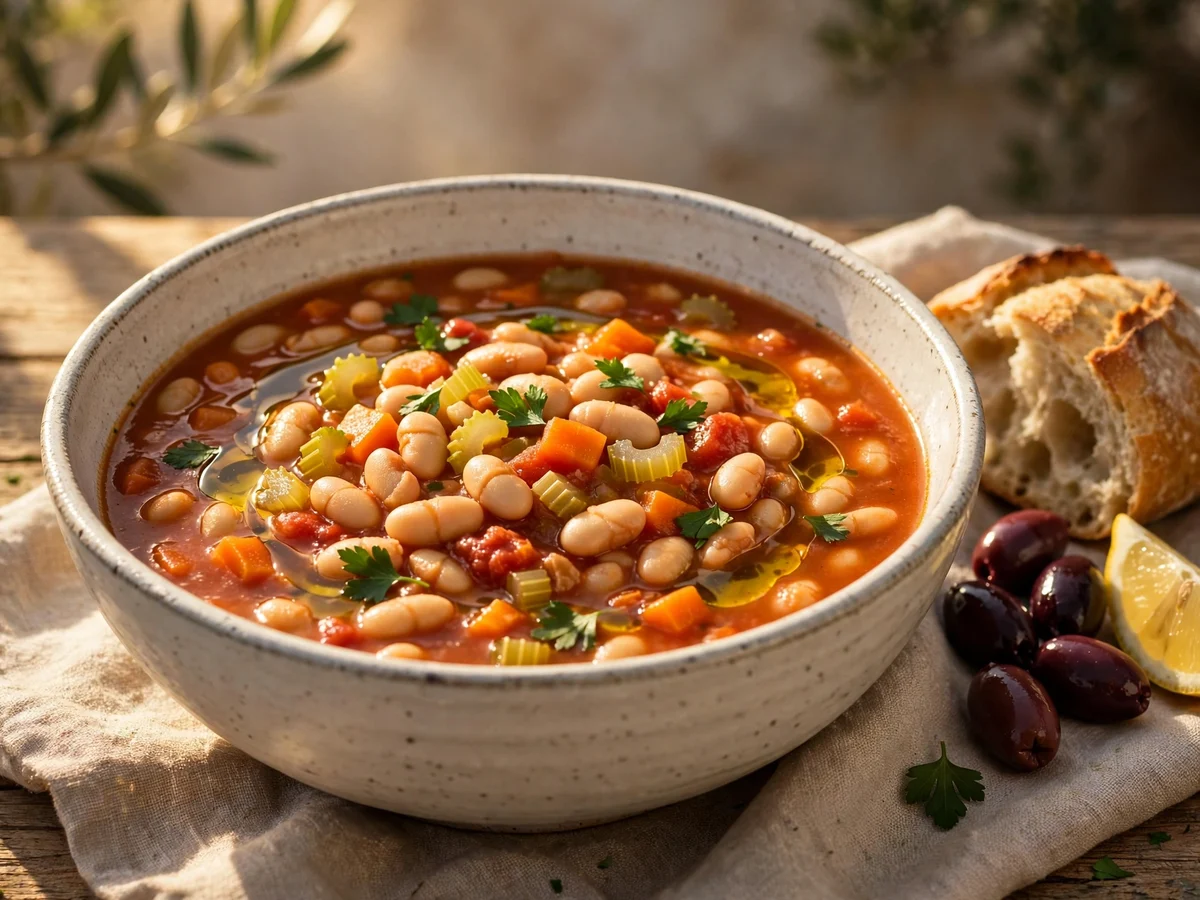
Greece
Fasolada
Cross borders while keeping simmer as the common thread.
Shared thread · Simmer · yellow onion · carrots
Go one layer deeper
One small detail can open an entirely different part of food.
Continue in Ember & Equator