
Italy · lunch · dinner · comfort-food
Spaghetti al Pomodoro
Italy through one enduring dish.
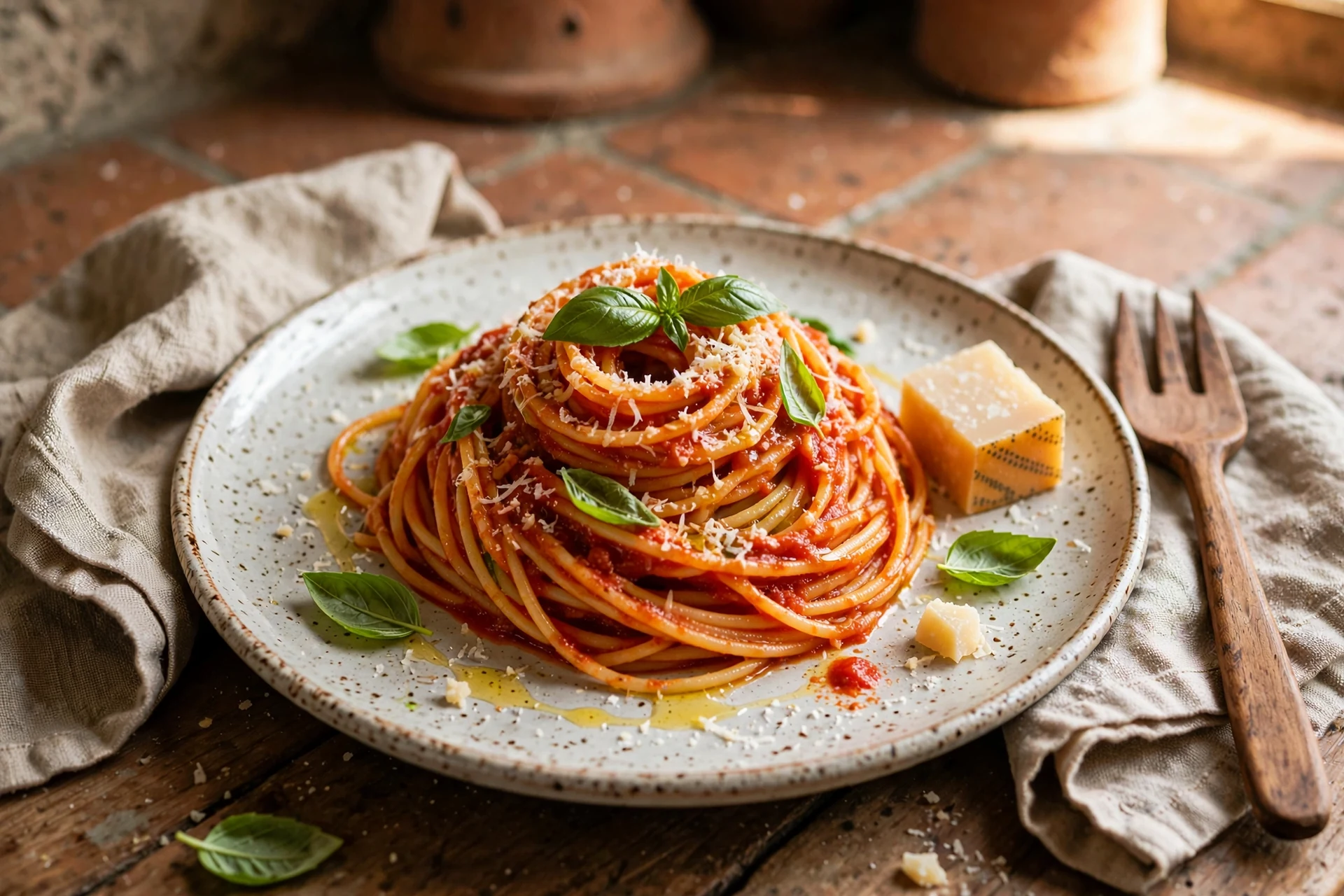
Spaghetti al pomodoro is a restrained Italian pasta built from excellent tomatoes, extra-virgin olive oil, garlic, basil and properly cooked spaghetti. The defining technique is finishing the pasta in the sauce with just enough starchy water for the tomato to cling glossily to every strand without pooling underneath.
- Total
- 40 min
- Difficulty
- Easy
- Serves
- 4
- Steps
- 9
The dish
Place first. Then the plate.
Spaghetti al pomodoro is strongly associated with southern Italian and Campanian pasta culture, while versions are cooked throughout Italy. Garlic or onion, fresh or canned tomatoes, basil timing and finishing cheese can vary by household. Ember & Equator presents a restrained tomato-garlic-basil version and keeps the garlic gently cooked rather than deeply browned, without treating one formula as the only authentic expression.
Explore ItalyAt a glance
Origin
Italy
Region
Campania and southern Italy, with widespread Italian use
Meal
lunch · dinner · comfort-food
Guided steps
9
Dish
Spaghetti al Pomodoro
Cuisine
Italian cuisine
Food type
Lunch · Dinner · Comfort food
Technique
Sauté · Simmer · Emulsify
Cook the recipe
In the kitchen
Start with the ingredients, then follow the Method in order. Open cooking tips only when you need extra help; the story and references can wait until you are ready.
- Total
- 40 min
- Serves
- 4
- Level
- Easy
- Visual cues
- 9
Ingredients
Serves 4- 400 gramsspaghettigood-quality dried durum-wheat spaghetti
- 700–800 gramsripe tomatoes or whole peeled tomatoesuse excellent ripe tomatoes; if they are watery or out of season, use good canned whole peeled Italian tomatoes such as San Marzano DOP
- 3 tbspextra virgin olive oilplus a small drizzle for finishing
- 1–2 clovesgarliclightly crushed; keep the pieces large enough to remove later if desired
- 6–8 leavesfresh basilplus a few extra small leaves for serving if desired
- to tastefine sea saltfor the sauce and pasta water
Optional
- to tastefreshly ground black pepperoptional
- 30–50 gramsParmigiano Reggianofinely grated; optional for serving
Everything ready? Continue straight into the cooking steps.
Start methodMethod
9 steps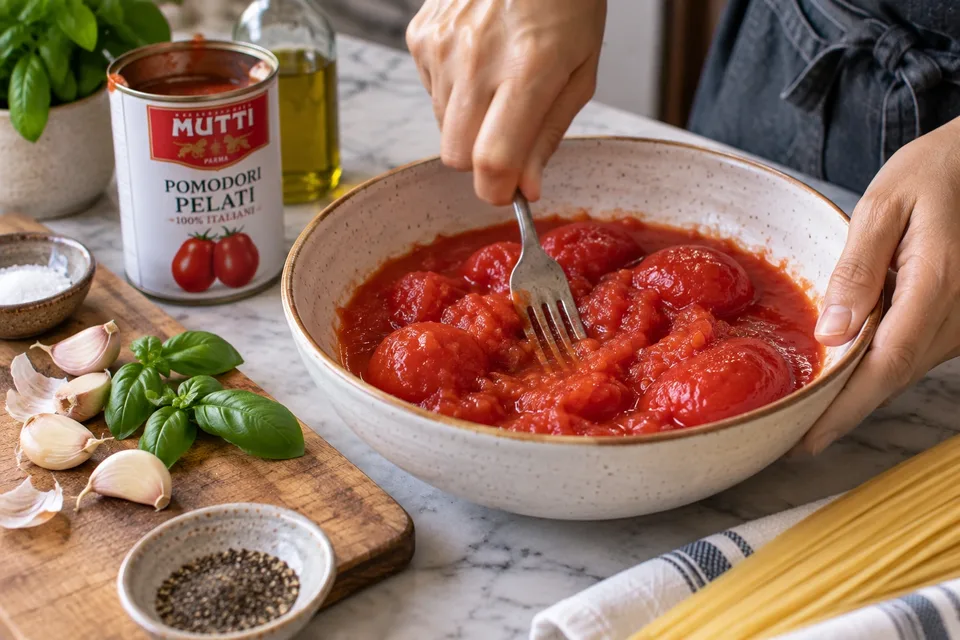 Step 01
Prepare the tomatoes
5 min
If using canned whole tomatoes, crush them by hand or with a wooden spoon, leaving some natural texture rather than puréeing them smooth.
If using canned whole tomatoes, crush them by hand or with a wooden spoon, leaving some natural texture rather than puréeing them smooth. If using fresh tomatoes, core and crush or chop them into a coarse pulp. Ready the garlic and divide the basil so some can be used late in the sauce and the rest at the finish.
Look for
The tomatoes should look juicy and irregularly crushed, with small pieces still visible rather than a completely smooth purée.
Kitchen note
Do not over-process the tomatoes. A little texture gives the finished sauce body and a more natural character.
 Step 02
Build the base gently
2 min
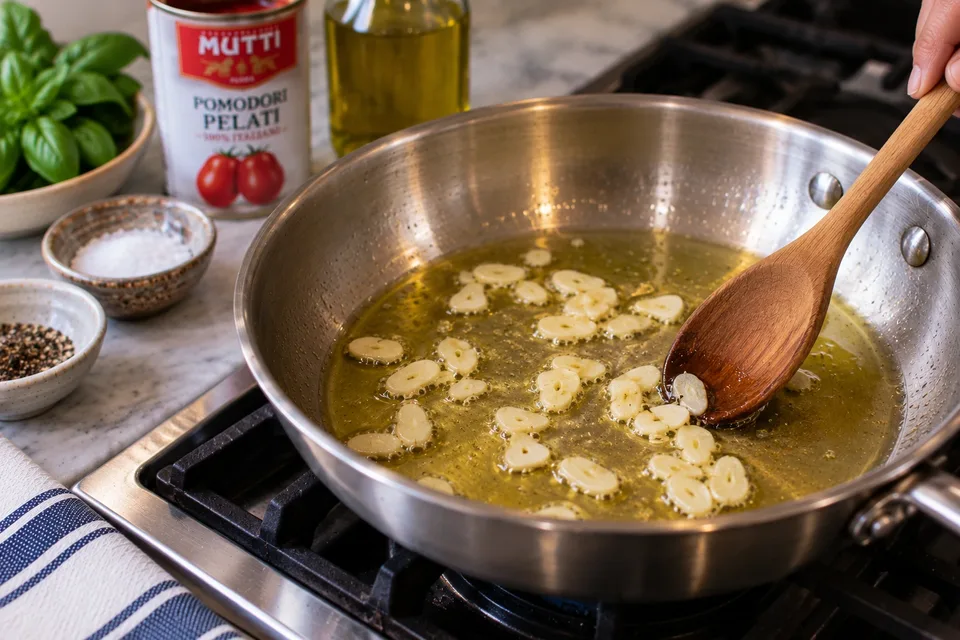
Heat the extra-virgin olive oil in a wide sauté pan over medium-low heat.
Heat the extra-virgin olive oil in a wide sauté pan over medium-low heat. Add the lightly crushed garlic and let it gently perfume the oil for about 1–2 minutes, turning it once or twice. It should become fragrant but not develop any dark bitter colour.
Look for
The garlic should smell sweet and aromatic and remain pale gold at most, with no dark brown edges.
Kitchen note
Never brown the garlic. If it turns dark, the oil will taste bitter and it is better to restart than try to cover the flavour later.
 Step 03
Add the tomatoes
3 min
Add the crushed tomatoes to the pan with a good pinch of salt.
Add the crushed tomatoes to the pan with a good pinch of salt. Stir well and bring the sauce up to a gentle simmer. Once it is bubbling softly, settle the heat so the tomatoes cook steadily rather than boiling violently.
Look for
The sauce should begin to simmer in small active bubbles while still looking fresh, bright and loose.
Kitchen note
This is a tomato sauce, not a garlic sauce. As soon as the garlic is fragrant, move on and let the tomatoes take over.
 Step 04
Simmer the sauce
25 min
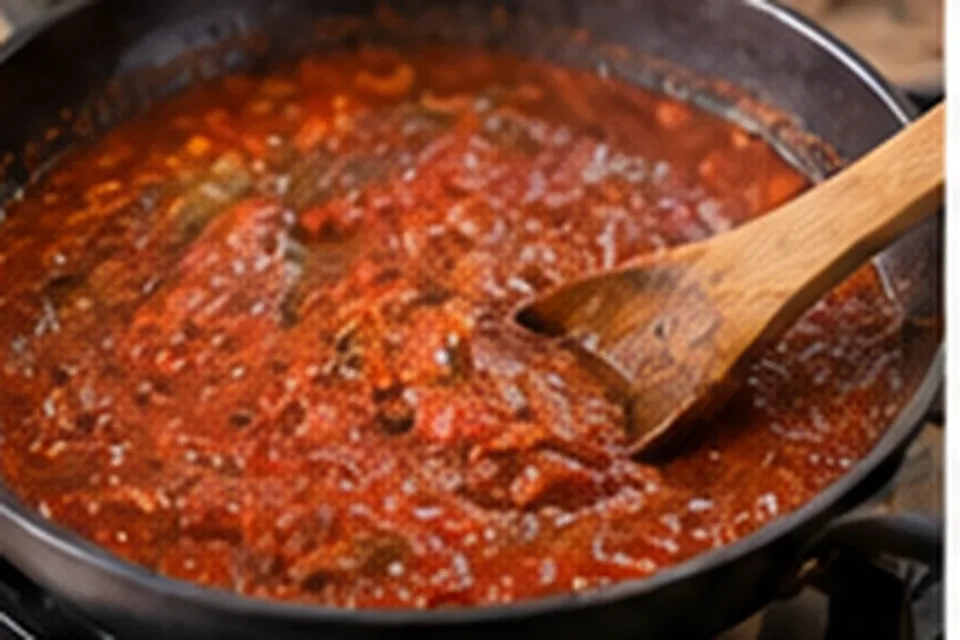
Cook the tomatoes uncovered for about 20–30 minutes, stirring occasionally and crushing any larger pieces with a spoon.
Cook the tomatoes uncovered for about 20–30 minutes, stirring occasionally and crushing any larger pieces with a spoon. During the last 5 minutes, add a few torn basil leaves. Reduce the sauce until it becomes glossy and cohesive while still retaining enough moisture to finish the pasta properly.
Look for
A spoon dragged through the sauce should leave a path that slowly fills back in; the sauce should look glossy, not watery or pasty.
Kitchen note
Keep the sauce relatively loose. The spaghetti will absorb liquid during the final toss, so a sauce that looks slightly fluid in the pan can be perfect on the plate.
 Step 05
Cook the spaghetti
8 min
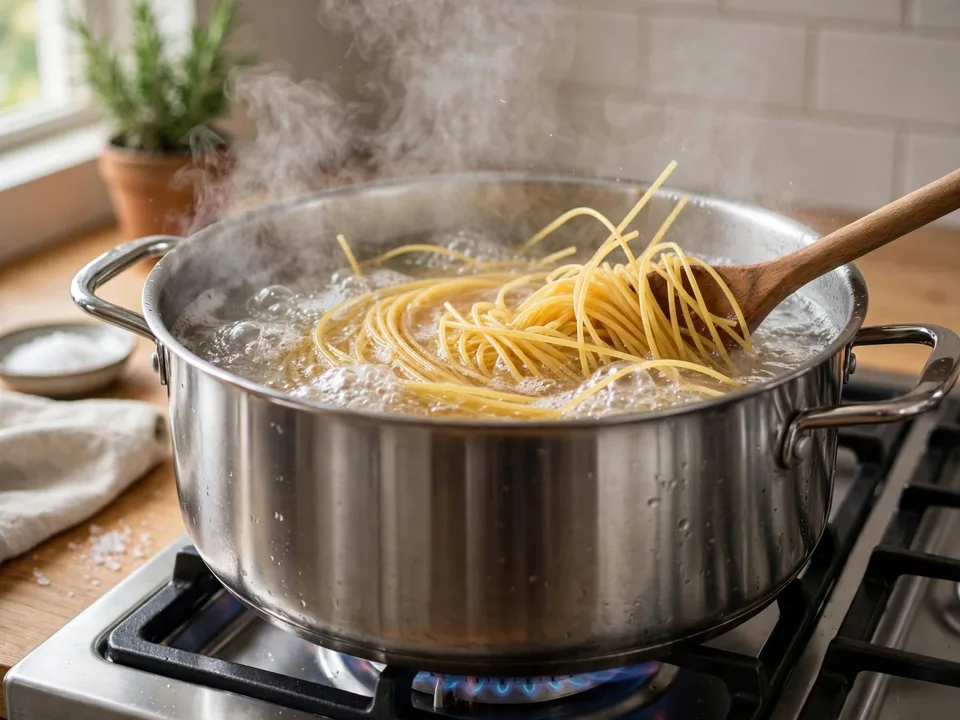
Bring a large pot of water to a vigorous boil and salt it generously.
Bring a large pot of water to a vigorous boil and salt it generously. Add the spaghetti and cook until al dente, beginning to taste it 1–2 minutes before the package timing suggests. The pasta should still have a clear bite because it will finish in the sauce.
Look for
The spaghetti should bend freely and taste mostly cooked while still retaining a firm center.
Kitchen note
Do not use too little water, but do avoid rinsing the pasta. The surface starch is part of what helps the sauce cling properly.
 Step 06
Reserve the starchy pasta water
1 min
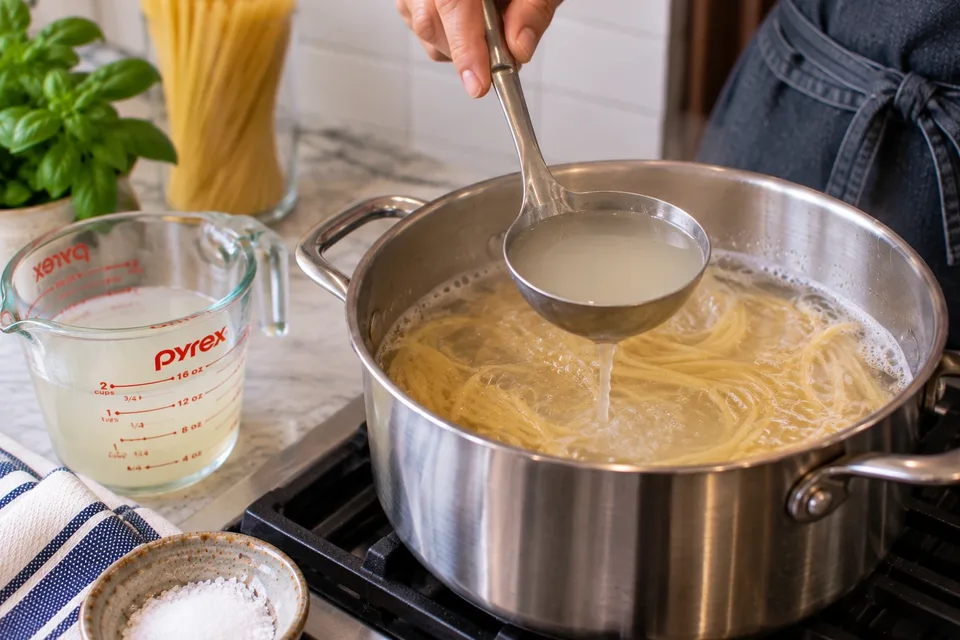
Before draining or transferring the spaghetti, reserve at least 1 cup (240 ml) of the cloudy cooking water.
Before draining or transferring the spaghetti, reserve at least 1 cup (240 ml) of the cloudy cooking water. This starch-rich water gives you control over the final emulsion and helps the sauce coat the pasta smoothly.
Look for
The reserved water should look slightly cloudy with starch, not perfectly clear.
Kitchen note
Reserve more than you think you need. It is far easier to thin and emulsify a sauce with a few splashes than to rescue dry pasta later.
 Step 07
Finish the pasta in the sauce
2 min
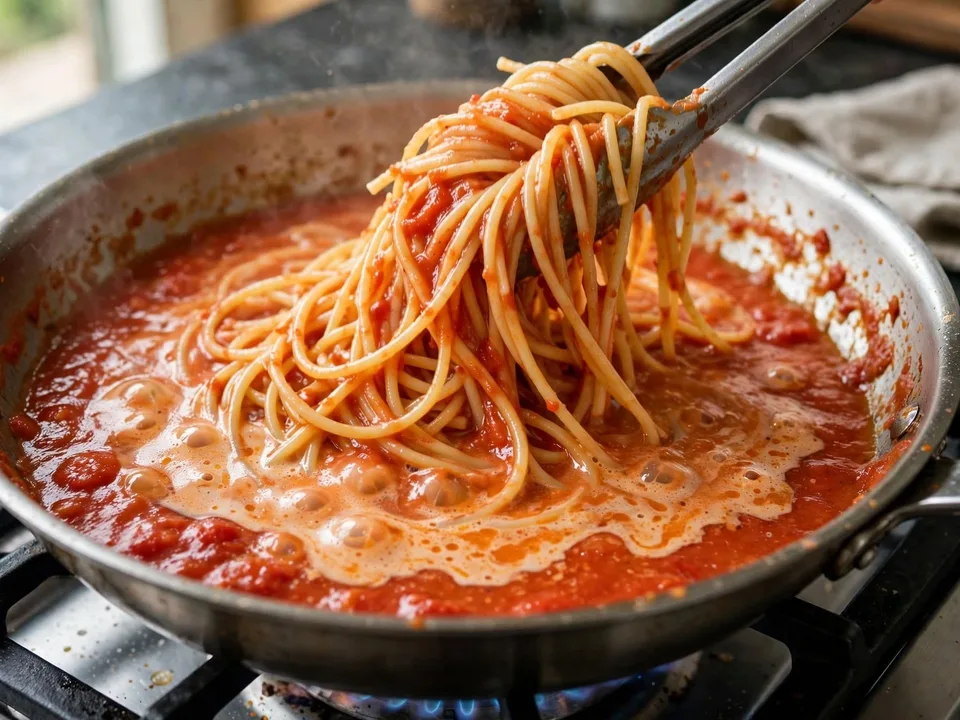
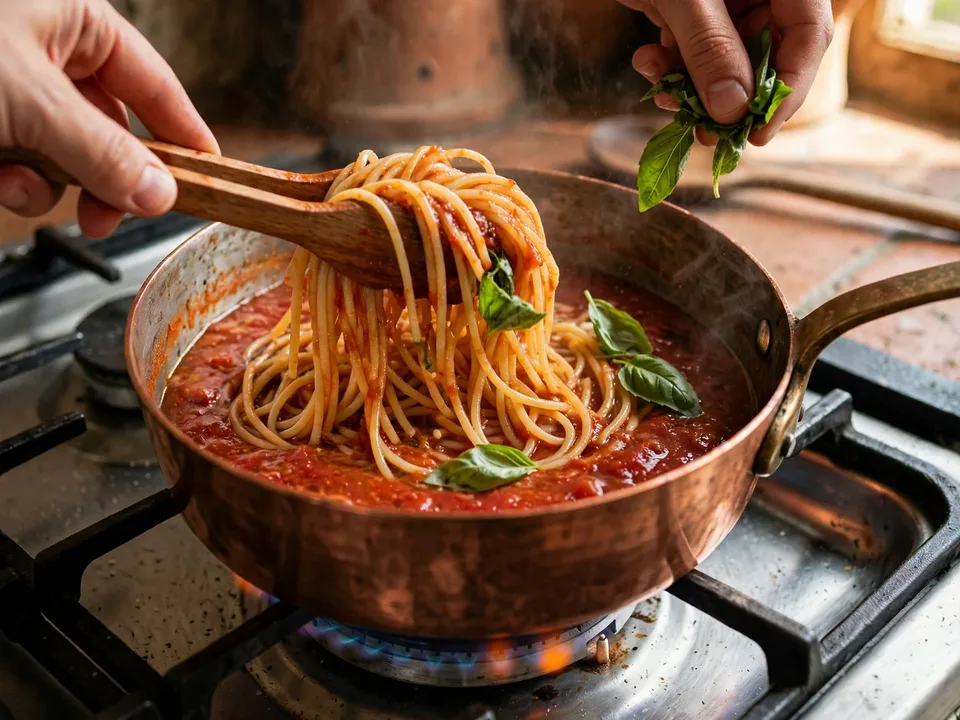
Transfer the drained spaghetti directly into the tomato sauce and toss vigorously over medium heat for 1–2 minutes.
Transfer the drained spaghetti directly into the tomato sauce and toss vigorously over medium heat for 1–2 minutes. Add small splashes of reserved pasta water as needed. The goal is not a watery pan of sauce, but a glossy emulsion that clings to every strand.
Look for
The sauce should coat every strand and almost no liquid should pool at the bottom of the pan.
Kitchen note
Finishing in the pan is one of the biggest differences between simply putting sauce on pasta and properly dressing the spaghetti with its sauce.
 Step 08
Finish with basil and olive oil
1 min
Turn off the heat and tear in the remaining basil.
Turn off the heat and tear in the remaining basil. Add a small drizzle of excellent extra-virgin olive oil and toss once more so the basil stays fresh and aromatic instead of stewing in the sauce.
Look for
The basil should remain bright green and the pasta should still look glossy and mobile, not dry or sticky.
Kitchen note
Basil goes in late. Long cooking destroys much of its fragrance, so use it as a finishing note as well as a subtle late-simmer accent.
 Step 09
Serve immediately
2 min
Twirl the spaghetti into warm bowls and serve at once.
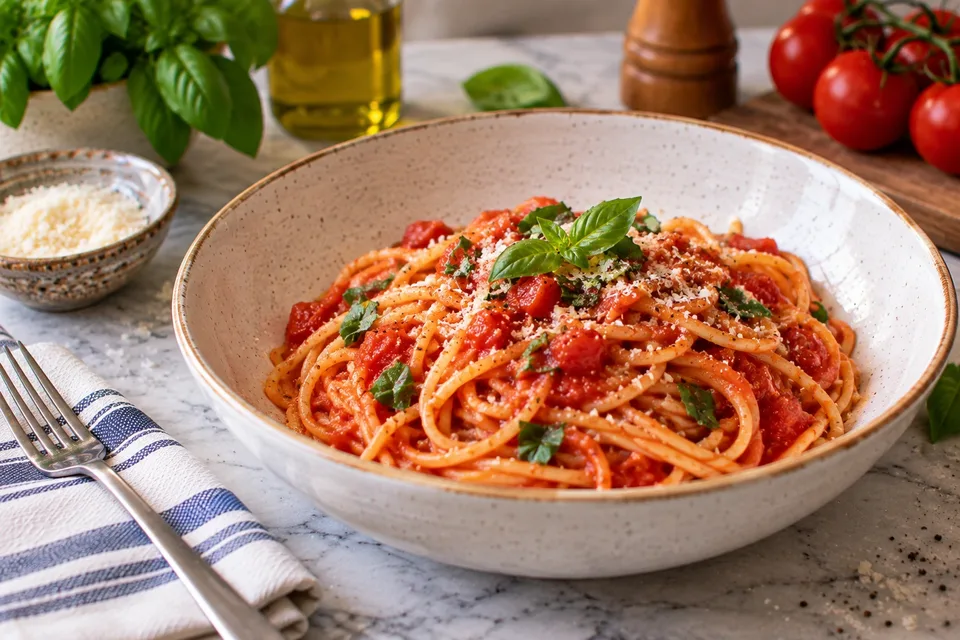
Twirl the spaghetti into warm bowls and serve at once. Add freshly grated Parmigiano-Reggiano if desired. The Italian visual test is simple: the sauce should coat every strand with enough juiciness to look luscious, but not so much that it pools underneath like soup.
Look for
The plated pasta should look juicy and evenly coated, with little or no sauce pooling at the base of the bowl.
Kitchen note
Spaghetti al pomodoro is at its best straight from the pan. The glossy tomato-starch emulsion does not wait around.
After cooking
Explore the dish beyond the method.
Story, place and references are here for discovery, so they stay out of the way while you cook.
Culture & tradition
The story behind the dish
Origins, evolution and everyday life—read together as part of the recipe's culinary record.
Origins
Tomato sauces entered Italian pasta cookery after tomatoes became established as a food in Europe. Naples and Campania became especially important to the development of dried pasta with tomato, although precise claims about one inventor or one single first recipe are difficult to support.
How it evolved
Fresh summer tomatoes and preserved whole peeled tomatoes both became foundations for simple pasta sauces. Home cooks vary the aromatics and finishing touches, but the enduring technique is to cook the pasta al dente and unite it with the tomato sauce before serving.
Its place today
Today spaghetti al pomodoro is everyday Italian comfort food and a useful test of fundamentals: tomato quality, controlled garlic, proper sauce concentration, al-dente pasta and a final toss that makes sauce and spaghetti behave as one dish.
Visual archive · plate 01
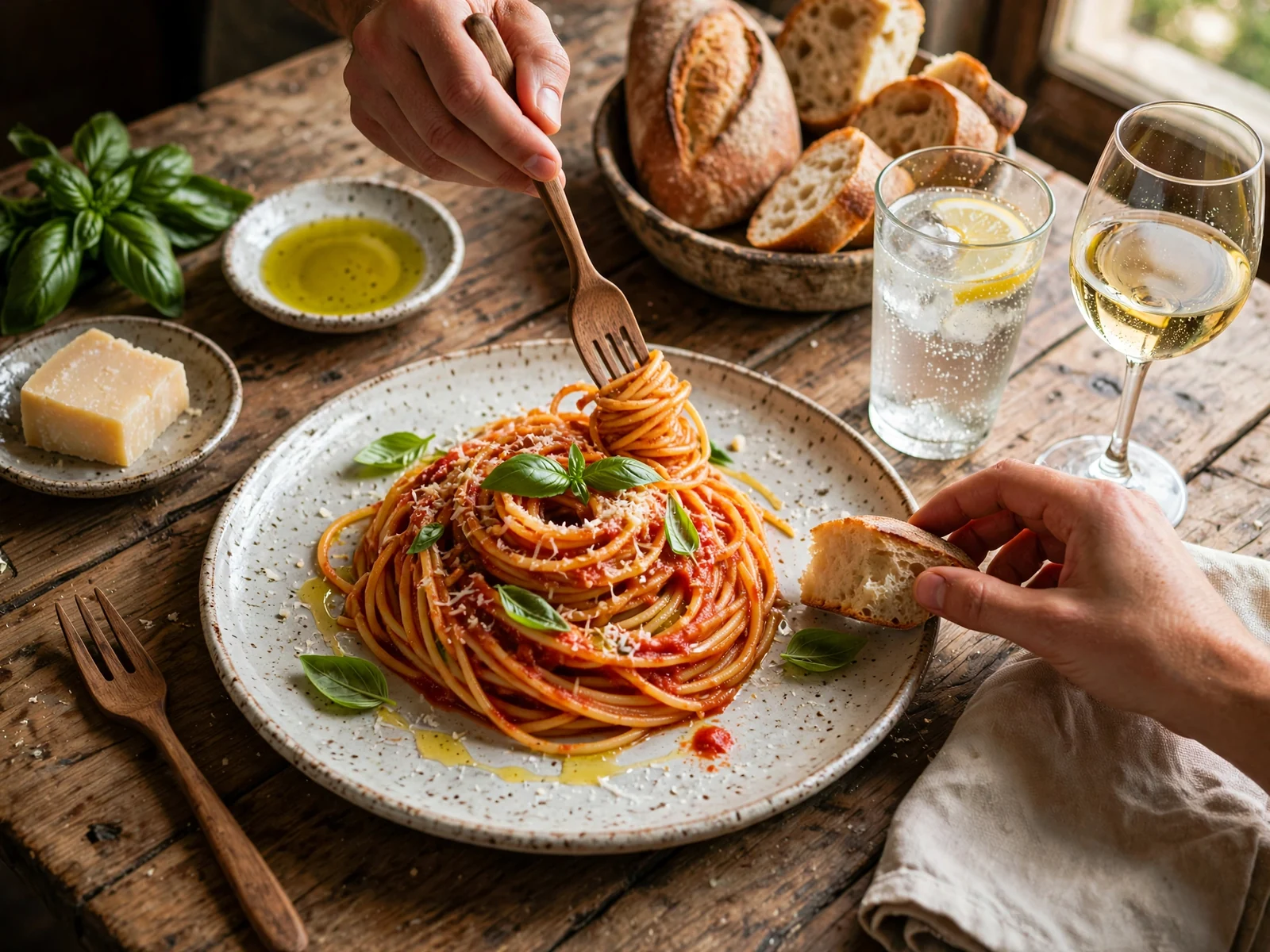
Spaghetti al Pomodoro
An editorial view of the finished dish, kept compact so the story continues without an oversized image break.
Primary region
Campania and southern Italy, with widespread Italian use
Country
Italy
Regional influence
Campania combines a major dried-pasta tradition with celebrated tomato cultivation, including the tomato-growing landscapes around Naples and Vesuvius.
Related food systems
- Campanian cuisine
- Italian tomato cookery
- Durum-wheat pasta tradition
Culinary record
- Sub-region
- Southern Europe — Mediterranean
- Climate
- Mediterranean
- Trade-route influence
- Roman trade routes · Venetian spice trade · Columbian Exchange
Sources & further reading
Follow the reference trail.
Ember & Equator links outward when an institution or primary reference helps support the culinary record.
- 01Spaghetti con i pomodorini del PiennoloExternal ↗
Italia.it — Official Tourism Website of Italy · government
Supports: Campanian spaghetti and tomato context · garlic olive oil basil and tomato ingredient structure
Ember & Equator source review · 2026-09-16
- 02Spaghetti al Pomodoro, the World’s Best Pasta RecipeExternal ↗
La Cucina Italiana · reference
Supports: tomato sauce technique · garlic basil and olive oil · pasta and sauce finishing
Ember & Equator source review · 2026-09-16
Ingredient guides
Learn about the ingredients behind the dish.
These are reference guides, not a second ingredient list. Follow an ingredient when you want to understand its role, use and wider culinary context.
Ingredient
spaghetti
Understand what it contributes, how to use it, and the dishes that reveal it best.
Ingredient
tomatoes
Understand what it contributes, how to use it, and the dishes that reveal it best.
Ingredient
extra virgin olive oil
Understand what it contributes, how to use it, and the dishes that reveal it best.
Explore ingredient →
Ingredient
garlic
Understand what it contributes, how to use it, and the dishes that reveal it best.
Ingredient
fresh basil
Understand what it contributes, how to use it, and the dishes that reveal it best.
Ingredient
fine salt
Understand what it contributes, how to use it, and the dishes that reveal it best.
Keep wandering
Where will this dish take you next?
Stay with the place, follow an ingredient or technique, or cross into another food culture. Each path begins with something already present in this dish.
Stay with the place
01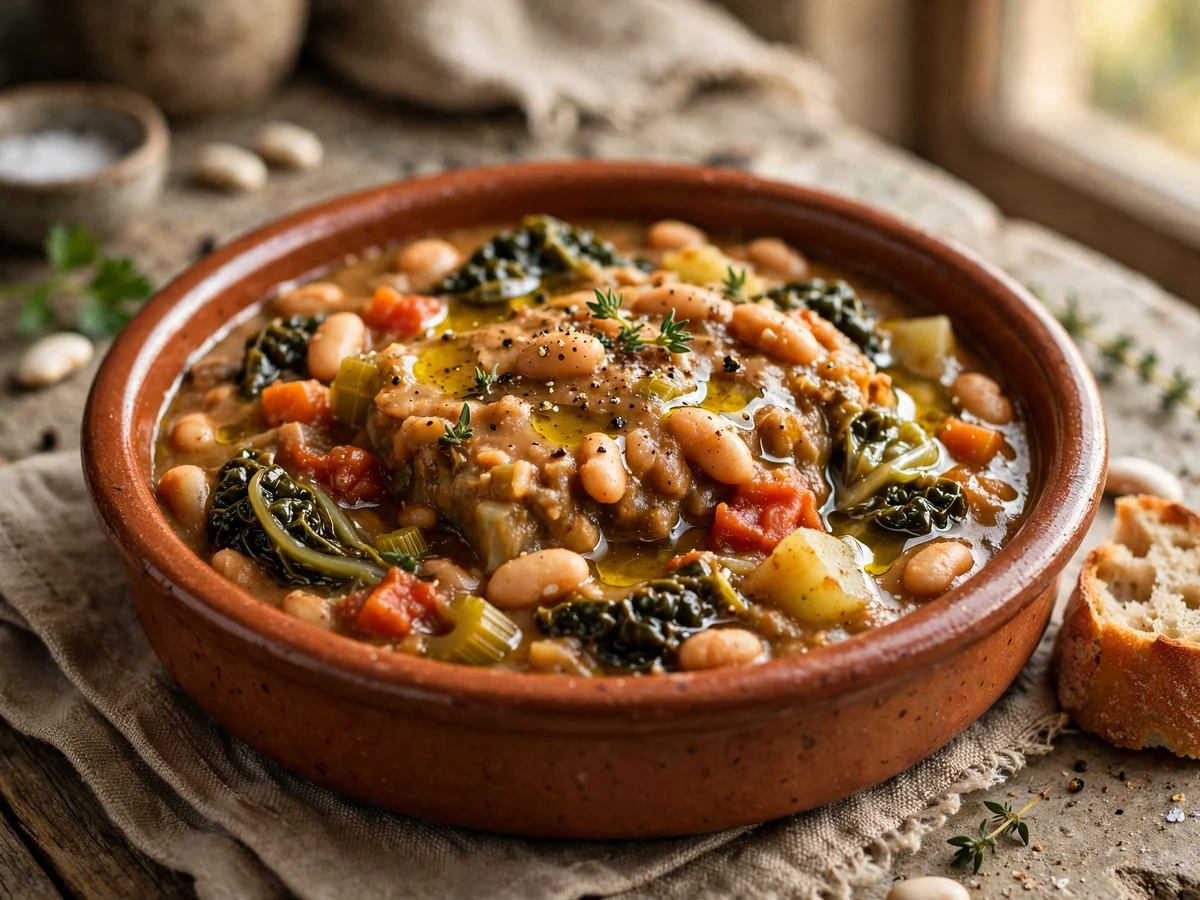
Italy
Ribollita
Stay in the same food culture and notice how sauté appears in another dish.
Shared thread · Sauté · Simmer · extra virgin olive oil
Follow the method or pantry
02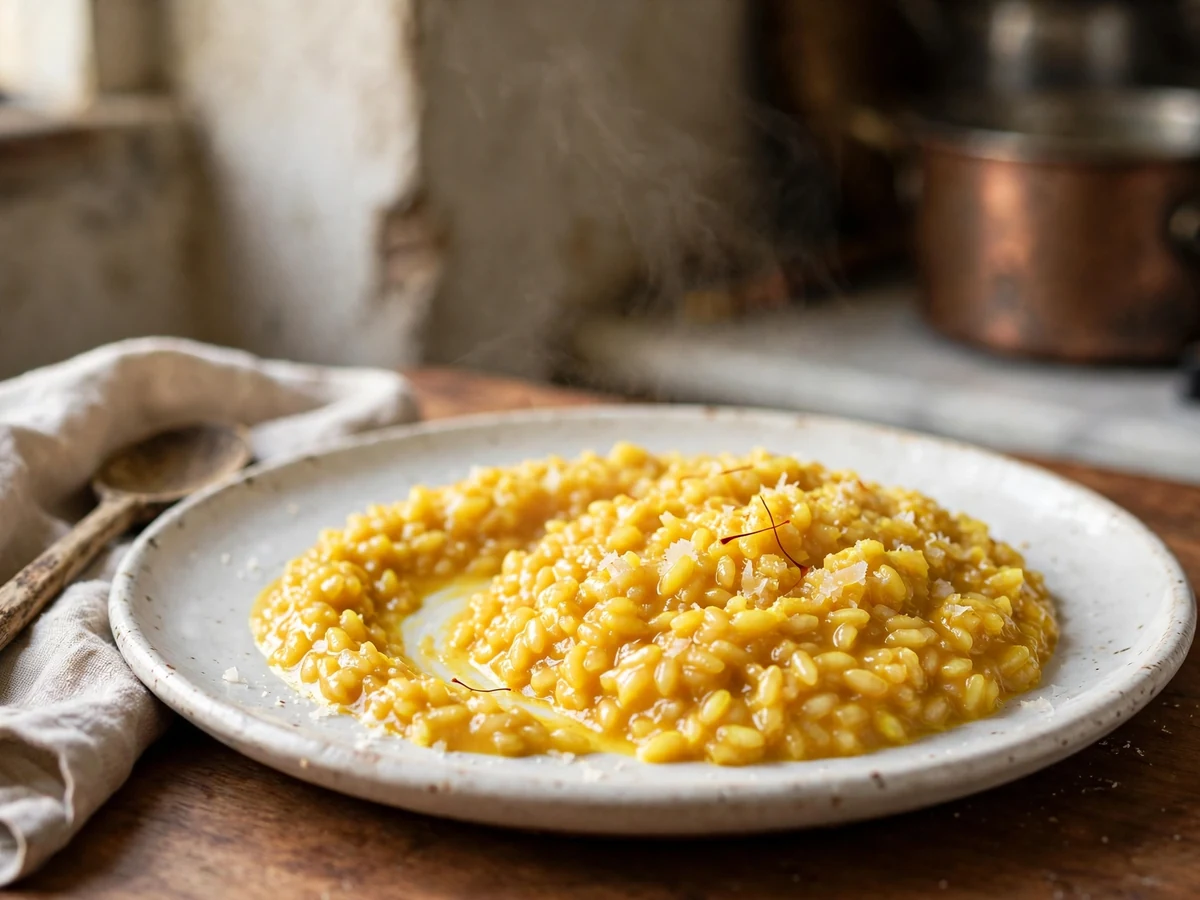
Italy
Risotto alla Milanese
Follow the cooking method: both dishes connect through sauté.
Shared thread · Sauté · Simmer · Emulsify
Cross a culinary border
03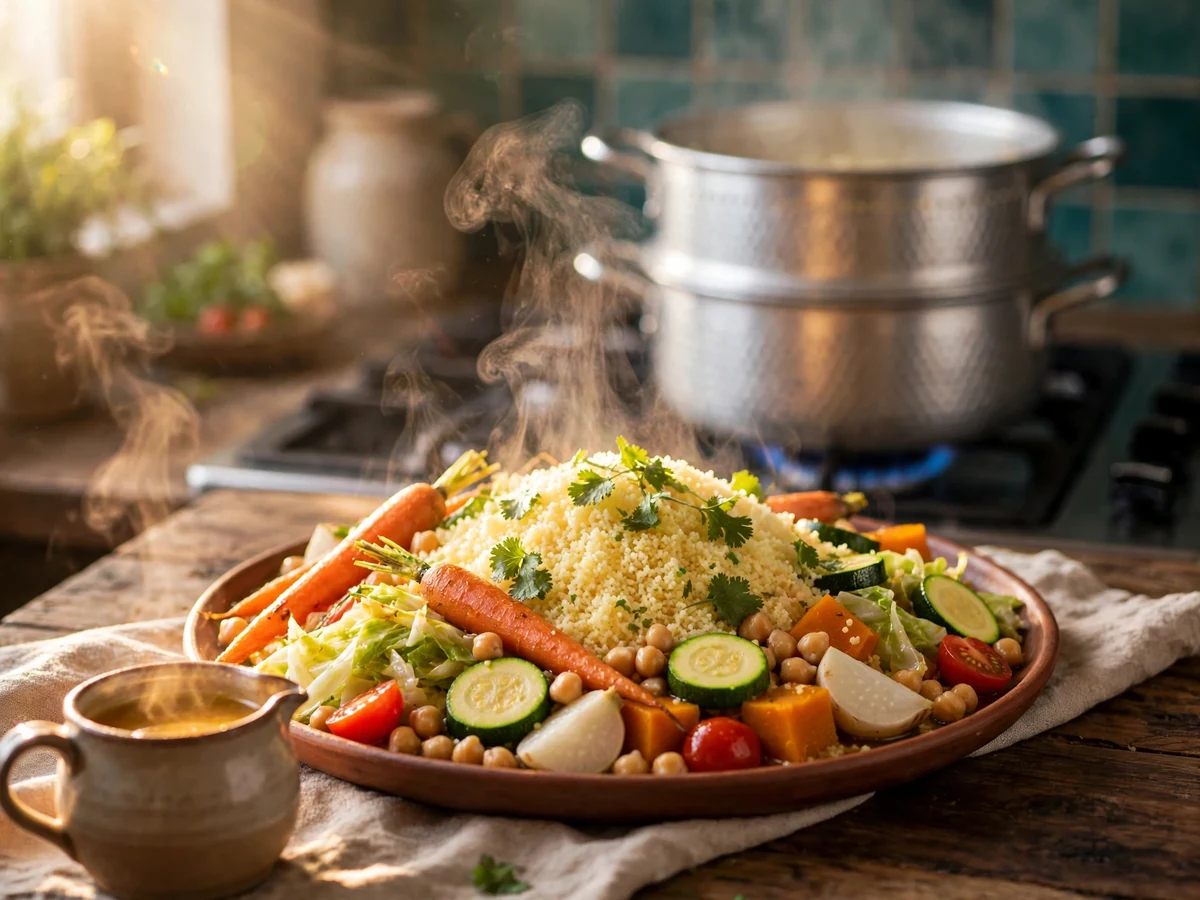
Morocco
Moroccan Couscous with Seven Vegetables
Cross borders while keeping sauté as the common thread.
Shared thread · Sauté · Simmer · tomatoes
Go one layer deeper
One small detail can open an entirely different part of food.
Continue in Ember & Equator